


 Предпросмотр
 Поделиться
 Поделиться
 Детали произведения

 Скачать
 Похожие работы
 Рентгенография
 Слайд-шоу
 Статистика
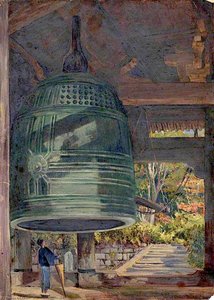
Bulgyu eumak


 Читать далее
Жикле / Арт-принт
Печать (жикле) или холст музейного качества с быстрыми сроками изготовления и широким выбором вариантов отделки. ( Купить картину ручной работы Перейти к цифровым изображениям)




































Выберите один из наших стандартных размеров, соответствующих оригинальным пропорциям произведения искусства.

Вы можете указать свои собственные размеры, чтобы репродукция идеально подошла под конкретную раму или пространство. Если выбранный вами размер не будет соответствовать пропорциям оригинала, мы либо обрежем произведение, либо дополним изображение зеркальным отражением краев или однотонной заливкой. Перед началом производства вам будет отправлен цифровой макет для утверждения.
Пожалуйста, обратите внимание, что предварительный просмотр на экране не отображает фактическую обрезку или расширение изображения. Только макет точно покажет финальную композицию.
Несмотря на возможность заказа индивидуальных размеров, мы рекомендуем выбирать размер из предопределенного списка, чтобы сохранить оригинальные пропорции.
Доставка по всему миру () за 2 недели вместо стандартных 4/5 недель. (13 Сентябрь)

Бесплатная экспресс-доставка по всему миру

Высококачественный льняной холст

Полное страхование доставки

Гарантия возмещения таможенных пошлин

Гарантия точного соответствия цветов

100-дневная политика возврата (только при обнаружении дефектов)

Гарантия возврата 100% средств

Предложение оптовых скидок
 Вариант со стеклом доступен только для размеров менее 110 см

Bulgyu eumak
Жикле / Арт-принт
Размер репродукции
-


Итоговая стоимость
$ 62
Похожие произведения





Биография художника
The Enigmatic Vision of Agnes Martin
Agnes Martin, a name synonymous with subtle power and quiet contemplation in the realm of abstract art, carved a unique path through the 20th-century landscape. Born in Macklin, Saskatchewan, Canada, in 1912, her early life was marked by a nomadic existence shaped by her family’s pursuit of farming opportunities during the challenging years following World War I. This experience instilled within her a deep connection to the vastness and simplicity of the prairie environment – qualities that would profoundly influence her artistic sensibility. Though she initially pursued formal education, including studies at Columbia University Teachers College in New York, Martin felt stifled by academic constraints and eventually found herself drawn towards the burgeoning art world of the American Southwest. Her journey wasn’t immediate; a period spent working as a private tutor and even briefly teaching art before fully committing to her artistic practice speaks to a deliberate search for authenticity and self-expression. It was in Taos, New Mexico, that she began to develop the distinctive style that would define her career: delicate grids, pale washes of color, and an almost imperceptible hand that belied the rigorous intellectual foundation beneath.Early Influences and the Emergence of a Style
Martin’s artistic development wasn't rooted in any single movement but rather a synthesis of diverse influences. While she briefly experimented with Surrealism and Abstract Expressionism during her time in New York, she quickly distanced herself from their overt emotionality and dramatic gestures. She found resonance in the work of artists like Giorgio de Chirico, whose metaphysical paintings explored themes of isolation and emptiness, and in Eastern philosophy, particularly Zen Buddhism, which emphasized simplicity, meditation, and the search for inner peace. These influences coalesced into a unique visual language characterized by its restraint and ethereal quality. Her early canvases, created in the 1950s, were often muted in tone, featuring faint lines and subtle variations in texture. They weren’t about bold statements or dynamic compositions; instead, they invited viewers to slow down, to look closely, and to experience a sense of quietude. This was a radical departure from the prevailing artistic trends of the time, which prioritized expressive brushwork and subjective emotion. Martin's work wasn't meant to be *seen* so much as *felt*, an invitation into a meditative state through visual means.The Grid as Spiritual Form
By the 1960s, Martin had fully embraced the grid as her primary compositional device. However, her grids were far from the rigid, mathematical structures favored by Minimalist artists like Sol LeWitt. While acknowledging the influence of Minimalism’s emphasis on objectivity and reduction, Martin infused her grids with a distinctly human touch. Her lines weren't perfectly straight; they wavered slightly, revealing the subtle imperfections of the hand that drew them. The pale colors she employed – often shades of pink, blue, gray, and cream – were applied in thin washes, creating a luminous effect that seemed to emanate from within the canvas. For Martin, the grid wasn’t simply an aesthetic form; it was a metaphor for spiritual experience. She believed that by stripping away all extraneous elements, she could create paintings that evoked a sense of innocence, joy, and freedom.- The Importance of Imperfection: Martin deliberately avoided mechanical precision in her work, believing that the subtle irregularities of the hand were essential to conveying its emotional resonance.
- Grids as Metaphor: She saw the grid not as a rigid structure but as an open field for contemplation and spiritual exploration.
- Color and Light: Her use of pale, muted colors was intended to create a sense of luminosity and ethereal beauty.
Later Years and Lasting Legacy
In 1967, at the height of her career, Martin abruptly left New York and relocated to New Mexico, seeking greater solitude and proximity to nature. She continued to paint prolifically throughout the remaining decades of her life, refining her distinctive style and deepening her exploration of spiritual themes. Her later works often featured larger canvases and more complex grid structures, but they retained the same essential qualities of restraint, subtlety, and quietude. Martin’s influence on subsequent generations of artists has been profound. She challenged conventional notions of abstraction, demonstrating that art could be both intellectually rigorous and emotionally evocative. Her work paved the way for a new appreciation of minimalism, feminism, and spirituality in contemporary art. She rejected categorization, preferring to be seen as simply a painter who sought to express beauty and joy through her work. Agnes Martin died in Taos, New Mexico, in 2004, leaving behind a body of work that continues to inspire and challenge viewers around the world. Her paintings are not merely objects to be admired; they are invitations to slow down, to look inward, and to experience the quiet beauty of existence.
Похожие статьи

Beyond the Lens: Photography's Enduring Influence on Modern & Contemporary Art
Explore photography's pivotal role in shaping modern & contemporary art. Discover key movements, influential artists like Stieglitz, and expert collecting advice from ArtsDot.

Witnessing History Through Lens & Light: Documentary Photography's Enduring Legacy
Explore the powerful history of documentary photography – from its origins to contemporary masters like Gordon Parks & W. Eugene Smith. Discover how this art form shapes our understanding of society and witness pivotal moments in time.
Топ-10 шедевров документальной фотографии: искусство, изменившее взгляд на мир | ArtsDot.com
Топ-10 шедевров документальной фотографии, изменивших мир искусства. Узнайте истории культовых фотографов и их работ, вдохновившихся реализмом и социальными темами. Репродукции высокого качества на ArtsDot.com – для вашего интерьера!

Monochrome Visions: Exploring the Aesthetic & Historical Significance of Black & White Photography
Explore the rich history & artistic power of black and white photography. From early techniques to iconic masters like Ansel Adams, discover why monochrome continues to captivate art lovers today. Expert insights for collectors.

Pictorialism: A Search for Artistic Photography's Soul – Aesthetics, Techniques & Legacy
Explore the captivating world of Pictorialism – a pivotal movement that transformed photography into fine art. Discover key artists like Stieglitz & Käsebier, techniques, and collecting tips from experts.