

 Предпросмотр
 Поделиться
 Поделиться
 Детали произведения

 Скачать
 Похожие работы
 Рентгенография
 Слайд-шоу
 Статистика
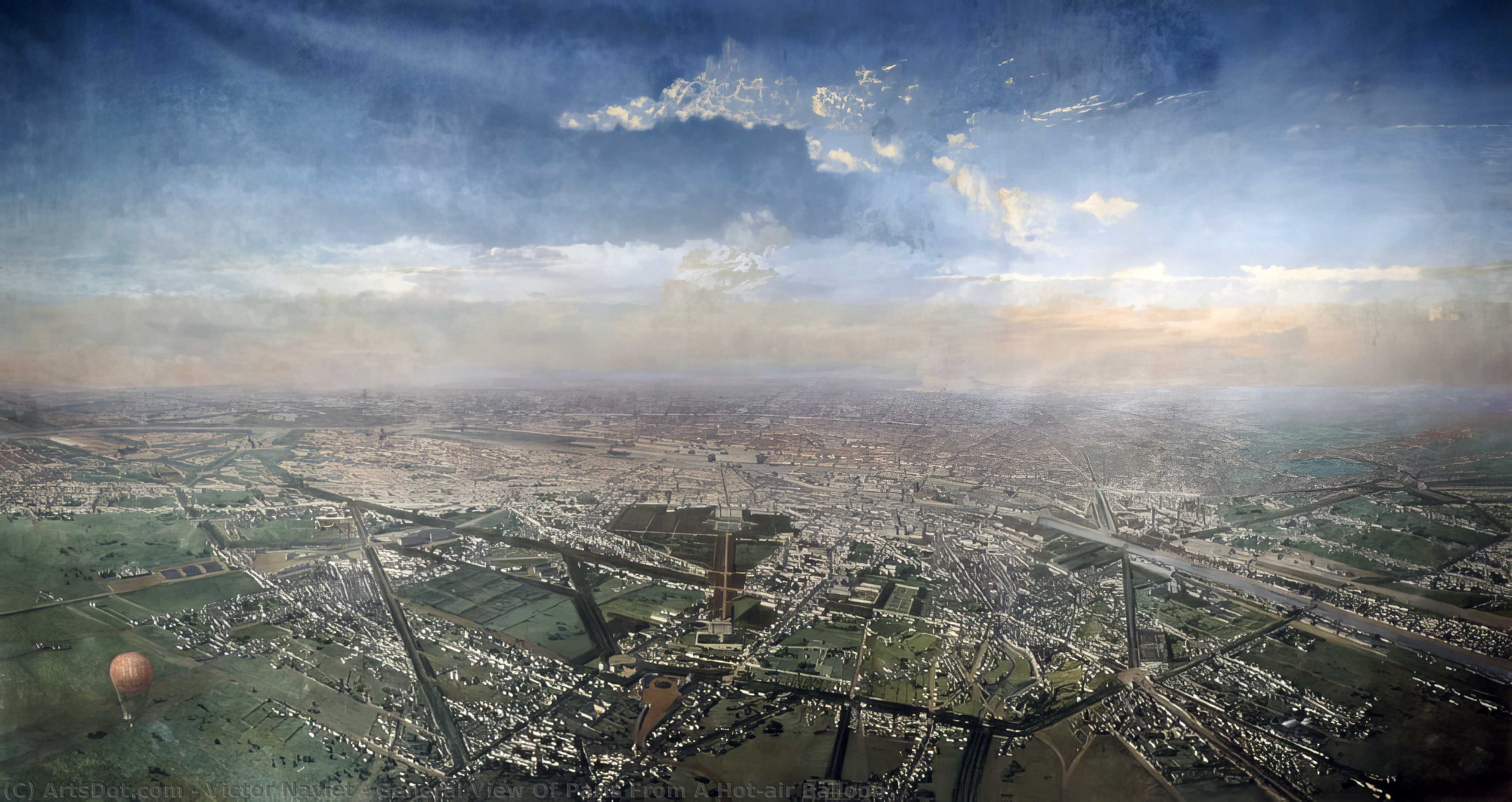
General View Of Paris From A Hot-air Balloon

 Читать далее
Жикле / Арт-принт
Печать (жикле) или холст музейного качества с быстрыми сроками изготовления и широким выбором вариантов отделки. ( Купить картину ручной работы Перейти к цифровым изображениям)




































Выберите один из наших стандартных размеров, соответствующих оригинальным пропорциям произведения искусства.

Вы можете указать свои собственные размеры, чтобы репродукция идеально подошла под конкретную раму или пространство. Если выбранный вами размер не будет соответствовать пропорциям оригинала, мы либо обрежем произведение, либо дополним изображение зеркальным отражением краев или однотонной заливкой. Перед началом производства вам будет отправлен цифровой макет для утверждения.
Пожалуйста, обратите внимание, что предварительный просмотр на экране не отображает фактическую обрезку или расширение изображения. Только макет точно покажет финальную композицию.
Несмотря на возможность заказа индивидуальных размеров, мы рекомендуем выбирать размер из предопределенного списка, чтобы сохранить оригинальные пропорции.
Доставка по всему миру () за 2 недели вместо стандартных 4/5 недель. (12 Сентябрь)

Бесплатная экспресс-доставка по всему миру

Высококачественный льняной холст

Полное страхование доставки

Гарантия возмещения таможенных пошлин

Гарантия точного соответствия цветов

100-дневная политика возврата (только при обнаружении дефектов)

Гарантия возврата 100% средств

Предложение оптовых скидок
 Вариант со стеклом доступен только для размеров менее 110 см

General View Of Paris From A Hot-air Balloon
Жикле / Арт-принт
Размер репродукции
-


Итоговая стоимость
$ 62
The Painting's History and Significance
The General View of Paris from a Hot-air Balloon was acquired by Napoleon III at the Exposition Universelle in 1855 and is now housed at the Musée d'Orsay. This painting is not only a remarkable example of Navlet's skill as an artist but also a significant piece of history, offering a glimpse into the city's past. For art enthusiasts and historians alike, this painting is a treasure trove of information about 19th-century Paris.Artistic Style and Technique
Navlet's use of color and composition in the General View of Paris from a Hot-air Balloon is truly remarkable. The painting's attention to detail, from the intricate architecture of the buildings to the tiny figures of people going about their daily lives, is a testament to Navlet's skill as an artist. The painting's sense of depth and perspective, achieved through the use of atmospheric effects and clever composition, draws the viewer in and creates a sense of immersion.- The painting measures 400 cm x 710 cm, making it a large and impressive work of art.
- The General View of Paris from a Hot-air Balloon is considered one of Navlet's most important works, showcasing his skill as a landscape painter.
- The painting is a prime example of 19th-century French art, characterized by its attention to detail and use of color.
The General View of Paris from a Hot-air Balloon is a must-see for anyone interested in art, history, or Paris. Its beauty, significance, and craftsmanship make it a truly unforgettable experience.
Похожие произведения








Биография художника
Victor Navlet (1819 – 1886): Parisian Visionary and Architectural Detail
Victor Navlet, born in Châlons-sur-Saône on November 8th, 1819, was a French painter whose artistic legacy resides primarily in his meticulous depictions of Parisian landmarks and architectural interiors. Though overshadowed by the grand narratives of Romanticism, Navlet’s contribution to art history lies in his ability to capture the subtle nuances of urban life and the beauty inherent in meticulously crafted spaces—a style that distinguishes him from many of his contemporaries. His artistic journey unfolded against a backdrop of burgeoning industrialization and social change, shaping his perspective on capturing the spirit of his time.- Early Life & Education: Navlet’s formative years were marked by exposure to artistic influences within his family—his father was a Drawing Teacher—providing him with an early grounding in visual arts principles.
- Training and Influences: He studied at the École Supérieure des Beaux-Arts in Paris, absorbing stylistic trends prevalent during the Romantic era. Notably, he drew inspiration from Eugène Delacroix’s dramatic landscapes and Alexandre Cabanel’s idealized portraits, elements that would permeate his own artistic style.
- Notable Works: Navlet gained recognition for his paintings of Parisian churches—particularly Sainte-Marie-Madeleine and Saint-Sulpice—where he achieved remarkable precision in rendering architectural details. His meticulous observation of light and shadow elevated these canvases beyond mere representation, conveying a profound sense of atmosphere.
A Focus on Architectural Detail: Navlet’s Unique Artistic Approach
Navlet distinguished himself from other painters of his era through an unwavering dedication to capturing architectural precision. Unlike Romantic artists who prioritized emotive expression, he sought to faithfully reproduce the textures and contours of buildings—a technique that demanded painstaking observation and technical skill. This commitment is evident in his canvases depicting interiors like Sainte-Marie-Madeleine, where he meticulously rendered stained glass windows, vaulted ceilings, and ornate furnishings with astonishing accuracy. His method wasn’t merely about replicating what was seen; it was about conveying the essence of space itself—a feat that speaks to a deeper understanding of artistic principles.- Technique: Navlet employed oil paints on canvas, utilizing glazing techniques to achieve luminous effects and subtle tonal variations. He meticulously blended colors to recreate the interplay of light and shadow within architectural interiors, creating images imbued with realism and atmosphere.
- Subject Matter: His preferred subjects included churches—particularly Sainte-Marie-Madeleine and Saint-Sulpice—and Parisian urban landscapes. These scenes were rendered with remarkable detail, capturing not only the physical appearance of buildings but also their spiritual significance.
Legacy & Recognition
Despite his relatively modest output compared to some Romantic contemporaries, Navlet’s work garnered critical acclaim during his lifetime and continues to be appreciated today. His paintings of Sainte-Marie-Madeleine and Saint-Sulpice are considered masterpieces of architectural realism—testaments to his artistic vision and technical prowess. Furthermore, his contribution to the Musée Carnavalet's collection underscores the enduring value of his artistic endeavors. Navlet’s legacy resides not in grand narratives but in the quiet beauty of meticulously rendered spaces—a reminder that art can illuminate even the most unassuming subjects with profound insight.- Museum Collections: His paintings are housed in prominent museums including Musée Carnavalet and Musée Orsay
- Critical Reception: Navlet’s work was praised for its accuracy, subtlety, and ability to convey atmosphere—characteristics that cemented his place as a significant figure within the Parisian artistic landscape.
Further Exploration
To delve deeper into Victor Navlet's artistic world, consider visiting Musée Sainte-Marie-Madeleine in Paris. This museum showcases several of Navlet’s paintings alongside architectural models and historical documents—providing invaluable context for understanding his creative process and aesthetic sensibilities. Examining these artworks alongside related materials offers a comprehensive appreciation of Navlet’s contribution to French art history.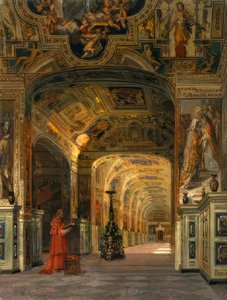
navlet victor
1819 - 1886
Основные сведения
- Artistic Movement Or Style: Romanticism
- Artists Or Movements Influenced By This Artist: ['Romanticism']
- Artists Who Influenced This Artist:
- Eugène Delacroix
- Jean-Auguste Dominique Ingres
- Date Of Birth: 1819
- Date Of Death: 1886
- Full Name: Victor Navlet
- Nationality: French
- Notable Artworks:
- Hall Of Constantine In The Vatican
- Opening Of The Paris Opera
- Place Of Birth: Châlons