

 Предпросмотр
 Поделиться
 Поделиться
 Детали произведения

 Скачать
 Похожие работы
 Рентгенография
 Слайд-шоу
 Статистика
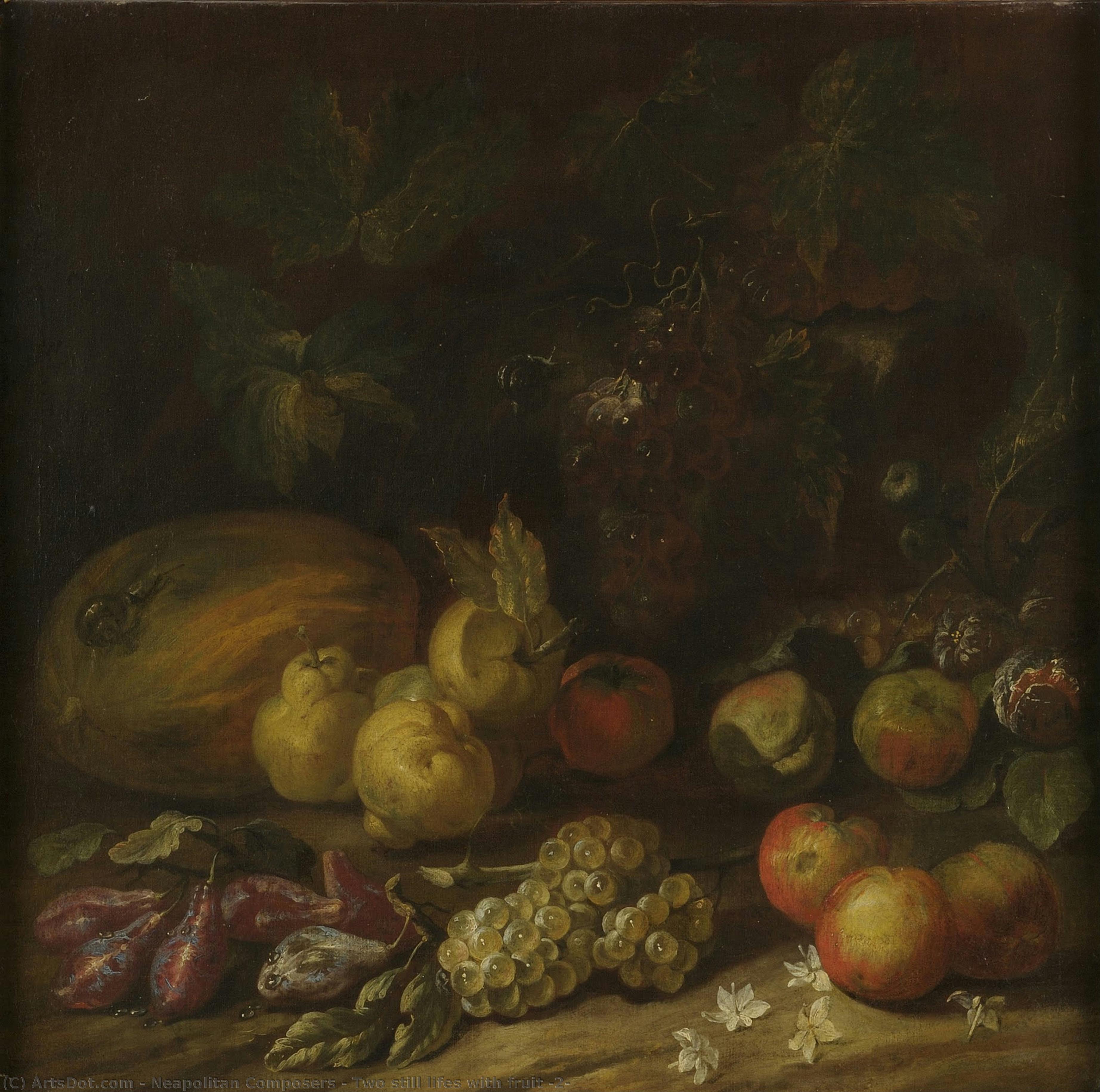
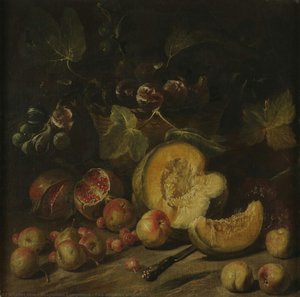
Two still lifes with fruit (2)
 70.0 x 70.0 cm
 Шатле де Вилландри
 Читать далее
Приобретите цифровое изображение высокого разрешения в улучшенном качестве, которое значительно превосходит онлайн-превью.
Каждый файл тщательно подготавливается нашими специалистами с использованием передовых инструментов и экспертной ручной ретуши. Мы гарантируем исключительную четкость, точную цветопередачу и детальную проработку каждого изображения.
Финальный файл доставляется по электронной почте в течение 72 часов и оптимизирован для немедленного использования в профессиональной среде, при верстке и печати. Это тот же уровень качества, которому доверяют ведущие дизайнерские студии, издательства и галереи.
Цифровое изображение
Скачайте файл высокого разрешения для личного использования, печати и творческих проектов. ( Перейти к печати Купить картину ручной работы)
Включено в каждый заказ цифровых изображений
Гарантия экспертной цифровой доставки
Выбирая ArtsDot.com, вы получаете не просто изображение — вы приобретаете профессионально обработанное цифровое произведение искусства, созданное с безупречной точностью и под защитой гарантии качества. Вот всё, что автоматически входит в ваш заказ:

Мгновенная доставка по e-mail
Ваш цифровой файл в высоком разрешении будет отправлен вам по электронной почте в течение 72 часов после оформления заказа — и сразу станет доступен для использования.

Цифровой файл с ИИ-улучшением
Ваше произведение искусства проходит профессиональную оптимизацию с использованием передовых инструментов ИИ и ручной обработки, что гарантирует максимальную детализацию, четкость и точность цветопередачи.

Бессрочная бесплатная повторная доставка
Случайно удалили или потеряли файл? Не беспокойтесь — мы отправим его вам повторно в любое время и совершенно бесплатно.

Без импортных пошлин — навсегда
Наслаждайтесь вашим произведением искусства мгновенно без таможенных пошлин, сборов или затрат на доставку — цифровые загрузки всегда не облагаются налогом.

Гарантия точности цветопередачи
Мы гарантируем, что ваше цифровое изображение максимально точно передает оригинальные цвета благодаря использованию профессиональных инструментов и систем управления цветом.

Гарантия удовлетворенности 100 дней
Если вы не будете удовлетворены своим цифровым изображением, мы внесем правки или вернем 100% стоимости в течение 100 дней — без лишних вопросов.

100% Гарантия возврата средств
Не удовлетворены покупкой? Получите полный возврат средств в течение 100 дней после получения цифрового файла — без лишних вопросов.

Скидки на оптовые заказы
Купите 3 изображения, сэкономьте 10% — Купите 5, сэкономьте 15% — Купите 10+, сэкономьте 20%. Отличное решение для творческих проектов, галерей и агентств.
Похожие произведения







Биография художника
The Flourishing Legacy of the Neapolitan School
The term “Neapolitan School” evokes a vibrant era in Italian music history, less a rigidly defined institution and more a constellation of talent that blossomed in Naples during the 17th and 18th centuries. This wasn’t merely a geographical designation; it represented a distinct approach to opera—one characterized by dramatic expression, an emphasis on naturalism, and a masterful synthesis of artistic influences. While Rome and Venice also served as crucial centers for operatic development, Naples carved its own unique path, ultimately laying the foundations for what we recognize today as modern opera.
The story begins in a city steeped in cultural richness, under Spanish rule, where patronage from the viceroys fueled artistic innovation. Before the emergence of a cohesive “school,” composers were drawn to Naples seeking opportunities and a receptive audience. It was Francesco Provenzale, often credited as the school’s founder, who began to establish a recognizable Neapolitan style—a move away from the more complex Baroque forms towards simpler plots and a greater focus on emotional resonance. However, it was Alessandro Scarlatti who truly cemented Naples' position at the forefront of operatic creation. Scarlatti didn’t simply compose operas; he codified them. He standardized many of the conventions—the aria da capo form, recitative styles, and orchestral practices—that would become hallmarks of Italian opera for generations to come.
A Synthesis of Styles and Innovations
The Neapolitan composers weren't working in isolation. They absorbed influences from across Italy and beyond. The grandeur of Pietro da Cortona’s Baroque painting—its dramatic use of light and shadow, its dynamic compositions—found a parallel in the music of Naples, particularly in the intense chiaroscuro of vocal lines and orchestral textures. Simultaneously, they drew upon the vibrant coloristic traditions of Venice, incorporating richer harmonies and more expressive melodic writing. This fusion wasn’t accidental; it reflected the cosmopolitan nature of Naples itself, a city that served as a crossroads for diverse artistic currents.
Beyond Scarlatti, a constellation of composers contributed to the school's flourishing. Giovanni Battista Pergolesi, though his life was tragically short, left an indelible mark with works like *La serva padrona*, a comic intermezzo that became immensely popular and helped shape the development of opera buffa. Domenico Cimarosa continued the tradition of melodic brilliance and dramatic flair, composing operas celebrated for their elegance and wit. Giovanni Paisiello, another prominent figure, enjoyed international acclaim, even influencing Mozart’s own operatic style.
The Legacy Questioned, Yet Undeniable
It's important to acknowledge that the very concept of a unified “Neapolitan School” has been subject to scholarly debate. Some argue that defining a distinct stylistic identity among composers working in Naples is difficult, given the diverse range of approaches and influences present. However, even acknowledging this nuance, it’s undeniable that Naples was a significant musical center during the 18th century—a crucible where operatic forms were refined, innovations were pioneered, and a generation of talented musicians flourished.
The impact of the Neapolitan School extends far beyond its immediate historical context. The emphasis on dramatic expression, the focus on vocal virtuosity, and the standardization of operatic conventions all contributed to the evolution of opera as we know it today. Composers throughout Europe studied the works of Scarlatti and his contemporaries, adapting and building upon their innovations. The school’s legacy is not simply a matter of specific compositions; it's a fundamental shift in the way opera was conceived—a move towards greater emotional depth, dramatic realism, and a more sophisticated understanding of the human voice.
Exploring the Neapolitan Sound Today
While the era of the Neapolitan School eventually faded with the rise of Romanticism, its influence continues to resonate. Modern performances of Scarlatti’s operas, revivals of Pergolesi’s comic masterpieces, and scholarly research into the lives and works of these composers ensure that their legacy remains alive. The music of Naples offers a captivating glimpse into a pivotal moment in operatic history—a time when a city embraced artistic innovation and laid the foundations for one of the world's most beloved art forms.
neapolitan composers
Italy
Основные сведения
- Artistic Movement Or Style: Opera, Baroque music
- Artists Or Movements Influenced By This Artist:
- Alessandro Scarlatti
- Francesco Provenzale
- Giambattista Pergolesi
- Domenico Cimarosa
- Giovanni Paisiello
- Full Name: Neapolitan Composers
- Origin: Naples, Italy