

 Предпросмотр
 Поделиться
 Поделиться
 Детали произведения

 Скачать
 Похожие работы
 Рентгенография
 Слайд-шоу
 Статистика
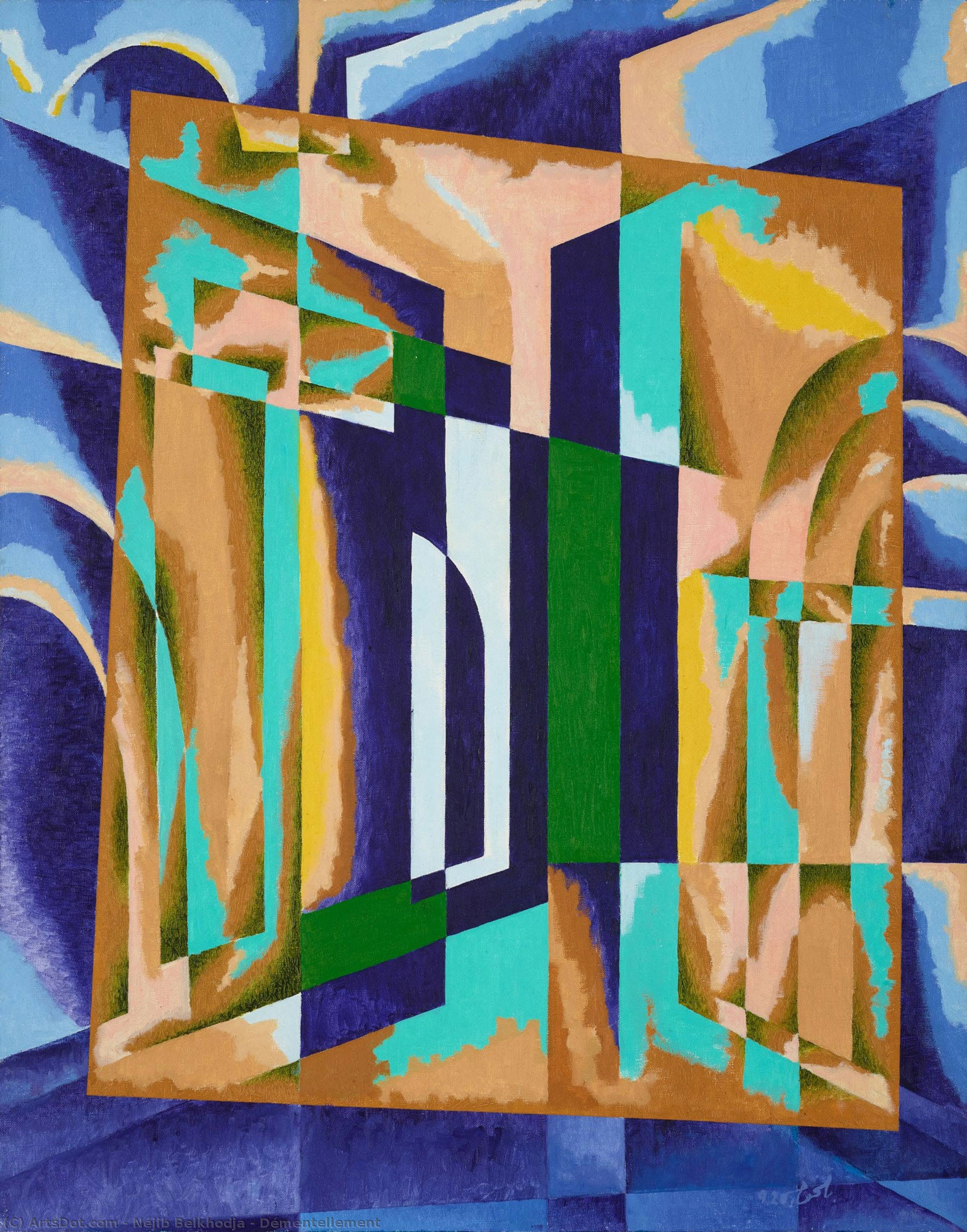
Démentellement
 Painting
- Geometric Abstraction
 1992
1992- Contemporary
 92.0 x 72.0 cm
 The Ramzi and Saeda Dalloul Art Foundation
 Читать далее
Масляная репродукция ручной работы
Картина маслом на холсте в выбранном вами размере и раме, написанная на заказ нашими художниками. ( Перейти к печати Перейти к цифровым изображениям)




































Выберите один из наших стандартных размеров, соответствующих оригинальным пропорциям произведения искусства.

Вы можете указать собственные размеры, чтобы картина идеально вписалась в выбранную раму или пространство. Если выбранный вами размер не соответствует пропорциям оригинала, мы либо обрежем полотно, либо расширим его за счет дополнительных элементов, написанных вручную. Цифровой макет будет отправлен вам на утверждение перед началом производства.
Обратите внимание, что предварительный просмотр на экране не отражает фактическую обрезку или расширение. Только макет точно покажет окончательную композицию.
Хотя доступны индивидуальные размеры, мы рекомендуем выбирать вариант из предопределенного списка, чтобы сохранить исходные пропорции.
После оформления заказа команда ArtsDot.com свяжется с клиентом по электронной почте для уточнения деталей и предоставит предварительный макет
Доставка по всему миру () за 3–4 недели вместо стандартных 5 недель. (10 Сентябрь). Без компромиссов в качестве.

Бесплатная экспресс-доставка по всему миру

Высококачественный льняной холст

Полное страхование доставки

Гарантия возмещения таможенных пошлин

Гарантия точного соответствия цветов

100-дневная политика возврата (только при обнаружении дефектов)

Гарантия возврата 100% средств

Предложение оптовых скидок
 Вариант со стеклом доступен только для размеров менее 110 см

Démentellement
Техника репродукции
Размер репродукции
-


Итоговая стоимость
$ 263
An Invitation to the Abstract: The Labyrinthine Beauty of Démentellement
In the evocative realm of Néjib Belkhodja, boundaries between reality and abstraction dissolve into a mesmerizing dance of color and form. His 1992 masterpiece, Démentellement, serves as a profound gateway into the artist's unique visual language—a language where the architectural soul of Tunis meets the avant-garde spirit of geometric abstraction. At first glance, the viewer is met with a central, inviting doorway, framed in a striking yellow that acts as a beacon amidst a sea of deep blues and verdant greens. This is not merely a depiction of an entrance, but a symbolic threshold, beckoning the observer to step away from the tangible world and into a dreamscape of fragmented memory and structural elegance.
The technique employed in Démentellement reveals Belkhodja’s mastery over texture and layered complexity. The painting breathes through its intricate details, where strokes of brown and earthy tones ground the more ethereal blue elements. There is a rhythmic tension created by the interplay of light and shadow, with subtle red accents punctuating the composition like sudden sparks of passion within a cool, contemplative space. As an abstract piece, it avoids the literal, instead using the concept of a doorway to explore themes of transition, discovery, and the deconstruction of space—a literal "dismantling" or démentellement of traditional perspective.
A Legacy of Cultural Fusion and Modernist Vision
To understand the emotional weight of this work, one must look to the rich tapestry of Belkhodja’s heritage. Born in Tunis to a multicultural lineage, the artist possessed a rare ability to synthesize the geometric precision of Islamic calligraphy and architecture with the fluid experimentation of European modernism. Démentellement stands as a testament to this synthesis; it carries the structural DNA of the Medina's ancient gates while embracing the freedom of late 20th-century abstraction. The painting does not just occupy space; it creates its own atmosphere, one that feels both ancient and strikingly contemporary.
For the discerning collector or interior designer, this artwork offers more than mere decoration; it provides a focal point of intellectual and aesthetic depth. The cool palette of blues and greens lends a sense of tranquility and sophistication to any high-end space, while the bold yellow frame and structural composition command attention. Whether placed in a minimalist modern gallery or a richly textured study, a high-quality reproduction of this piece brings with it the prestige of Tunisian art history and the timeless allure of a doorway that never truly closes, but rather invites endless contemplation.
Похожие произведения
Биография художника
A Tapestry of Heritage: The Life and Vision of Néjib Belkhodja
Néjib Belkhodja (1933-2007) stands as a monumental figure in the landscape of North African modernism, a painter whose brushstrokes served as a bridge between the ancient soul of Tunisia and the avant-garde movements of the twentieth century. Born in Tunis to a multicultural lineage—a Turkish father and a Dutch mother—Belkhordja’s very existence was a reflection of the cosmopolitan spirit that defines the Mediterranean. His early education at Lycée Carnot and the École des Beaux-Arts in Tunis provided him with a rigorous formal foundation, yet it was his deep connection to the architectural rhythms of the Medina of Tunis that would ultimately define his artistic language. He possessed a rare ability to translate the structural complexities of Islamic architecture and the fluid elegance of Arabic calligraphy into a contemporary dialect of geometric abstraction.
The trajectory of Belkhodja’s career was marked by an early and decisive emergence on the international stage. Following his first solo exhibitions in 1956, he quickly garnered attention not just within Tunisia, but across the broader artistic corridors of France and Morocco. His work began to resonate with a global audience through numerous group exhibitions spanning Europe and North America, establishing him as a vital ambassador for Tunisian modernism. This period of intense creativity was characterized by an exploration of how light, color, and form could evoke the spiritual and physical essence of his homeland without relying on mere representation.
The Geometry of Spirit: Style and Innovation
To encounter a Belkhodja painting is to enter a space where geometry meets emotion. His mastery lay in the delicate balance between the rigid lines of abstraction and the organic, evocative textures of Tunisian life. In works such as Perspectives, one finds a striking use of deep blues and purples that create a sense of infinite depth, much like a tunnel leading into the subconscious or an ancient passageway within a city wall. His palette often utilized cool, contemplative tones—blues, greens, and violets—to evoke the shadows of arched doorways and the tranquil atmosphere of courtyard gardens.
His technical approach was deeply influenced by his role as a pioneer of the Groupe des Six, a collective of artists dedicated to challenging the status quo and pushing the boundaries of conventional aesthetics. This commitment to experimentation is evident in masterpieces like Démentellement, where the concept of "dismantling" is explored through an abstract doorway. Through his use of geometric abstraction, Belkhodja did not merely depict architecture; he deconstructed it, finding the underlying mathematical and spiritual harmony that governs both the built environment and the natural world.
Legacy and Recognition
The significance of Néjib Belkhodja’s contribution to art history is cemented by a series of prestigious accolades that recognized his profound impact on the medium. His talent was celebrated early on with the Tunis City International Exhibition Award, and as his reputation grew, so did the international recognition of his skill:
- The Gold Medal awarded by Italy (1964): A testament to his ability to transcend national boundaries and speak a universal visual language.
- The National Award for Painting from the Cité internationale des arts in Paris (1968): An honor that solidified his standing within the heart of the European art world.
Beyond these individual honors, Belkhodja’s true legacy resides in his role as a foundational architect of Tunisian modern identity. By synthesizing the calligraphic traditions and architectural motifs of his heritage with the radical possibilities of abstraction, he ensured that the cultural memory of Tunisia would be preserved within the permanent dialogue of global modern art. His work remains an invitation to explore the intersection of history and innovation, offering a timeless window into the heart of North African creativity.

néjib belkhodja
1933 - 2007 , Tunisia
Основные сведения
- Artistic Movement Or Style: Geometric abstraction; Islamic architecture
- Artists Or Movements Influenced By This Artist: ['Groupe des Six']
- Artists Who Influenced This Artist:
- Max Ernst
- Vincent van Gogh
- Date Of Birth: 1933
- Date Of Death: 2007
- Full Name: Néjib Belkhodja
- Nationality: Tunisian
- Notable Artworks: ['Urban Constructivism']
- Place Of Birth: Tunis, Tunisia
Похожие статьи
Verdant Visions: Exploring the Symbolism & Aesthetic Impact of Green in Art History
Explore the rich history & symbolism of green in art! Discover iconic paintings, techniques, and how to bring verdant harmony into your home with ArtsDot's expert guide.

Геометрическая абстракция: 10 шедевров, изменивших искусство | ArtsDot.com
Погрузитесь в мир геометрической абстракции! От Кандинского до Малевича – 10 шедевров, изменивших искусство. Узнайте историю создания и значение культовых картин. Репродукции музейного качества на ArtsDot.com. Вдохновение для вашего интерьера!

Топ-25 шедевров Василия Кандинского: Абстрактное искусство для вашего интерьера
Погрузитесь в мир абстрактного искусства с Василием Кандинским! 25 шедевров экспрессионизма, баухауса и русского авангарда. Репродукции картин Кандинского для вдохновения и декора вашего интерьера. Откройте всю коллекцию на ArtsDot.com
Beyond Form & Color: Geometric Abstraction's Evolution in 20th/21st Century Art
Explore the evolution of geometric abstraction from Cubism to contemporary art. Discover key artists like Malevich & Mondrian, investment insights, and expert collecting advice at ArtsDot.
Топ-10 знаменитых картин в оттенках серо-голубого: искусство и декор от ArtsDot
Погрузитесь в мир серо-голубых оттенков! От Моне до Ренуара – 10 знаменитых картин, вдохновляющих на создание уникального интерьера. Репродукции высокого качества от ArtsDot.com. Explore the full collection online!