

 Предпросмотр
 Поделиться
 Поделиться
 Детали произведения

 Скачать
 Похожие работы
 Рентгенография
 Слайд-шоу
 Статистика
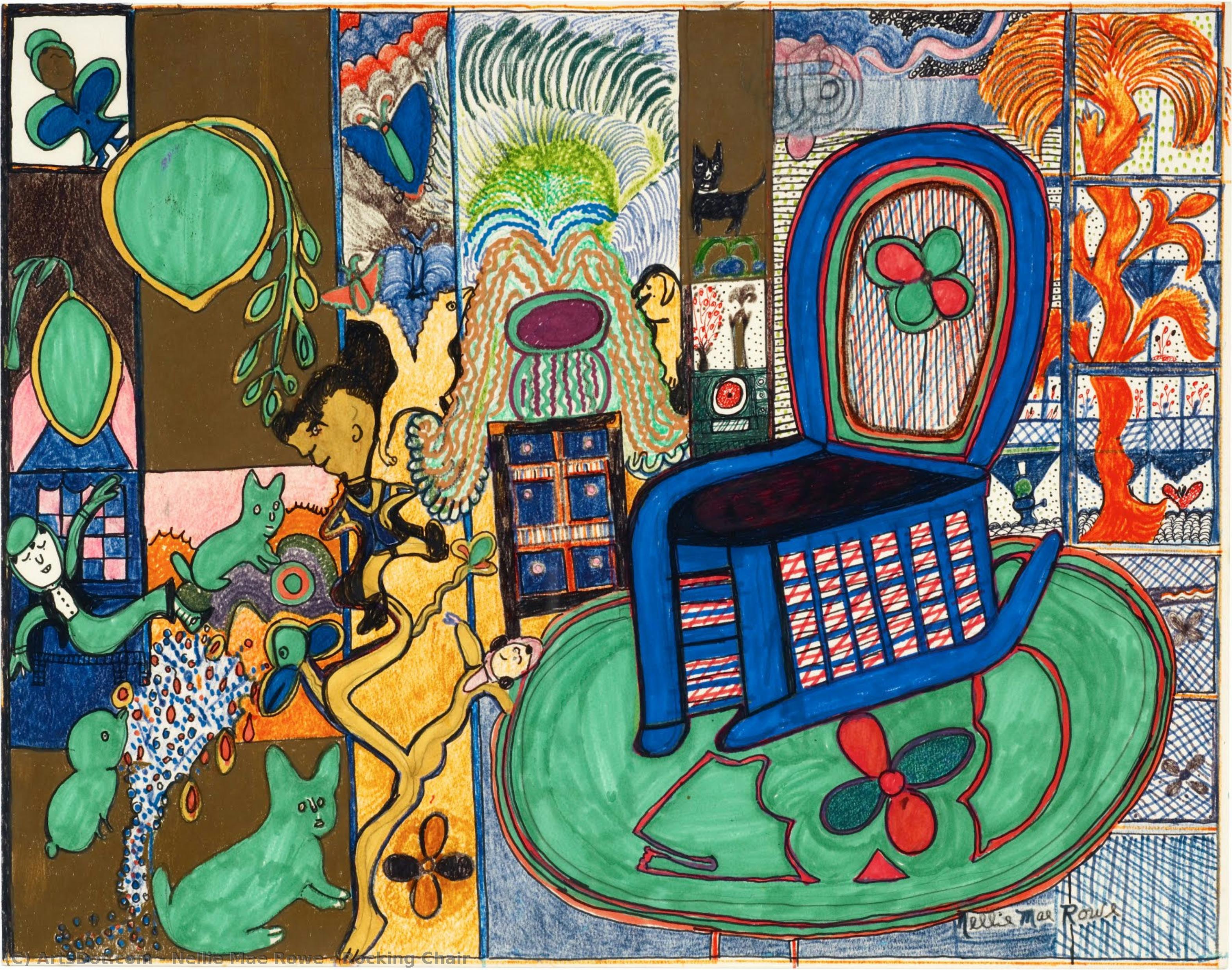
Rocking Chair
 Painting
- Contemporary Art
 1981
1981- Modern
 47.0 x 61.0 cm
 Souls Grown Deep
 Читать далее
Приобретите цифровое изображение высокого разрешения в улучшенном качестве, которое значительно превосходит онлайн-превью.
Каждый файл тщательно подготавливается нашими специалистами с использованием передовых инструментов и экспертной ручной ретуши. Мы гарантируем исключительную четкость, точную цветопередачу и детальную проработку каждого изображения.
Финальный файл доставляется по электронной почте в течение 72 часов и оптимизирован для немедленного использования в профессиональной среде, при верстке и печати. Это тот же уровень качества, которому доверяют ведущие дизайнерские студии, издательства и галереи.
Цифровое изображение
Скачайте файл высокого разрешения для личного использования, печати и творческих проектов. ( Перейти к печати Купить картину ручной работы)
Включено в каждый заказ цифровых изображений
Гарантия экспертной цифровой доставки
Выбирая ArtsDot.com, вы получаете не просто изображение — вы приобретаете профессионально обработанное цифровое произведение искусства, созданное с безупречной точностью и под защитой гарантии качества. Вот всё, что автоматически входит в ваш заказ:

Мгновенная доставка по e-mail
Ваш цифровой файл в высоком разрешении будет отправлен вам по электронной почте в течение 72 часов после оформления заказа — и сразу станет доступен для использования.

Цифровой файл с ИИ-улучшением
Ваше произведение искусства проходит профессиональную оптимизацию с использованием передовых инструментов ИИ и ручной обработки, что гарантирует максимальную детализацию, четкость и точность цветопередачи.

Бессрочная бесплатная повторная доставка
Случайно удалили или потеряли файл? Не беспокойтесь — мы отправим его вам повторно в любое время и совершенно бесплатно.

Без импортных пошлин — навсегда
Наслаждайтесь вашим произведением искусства мгновенно без таможенных пошлин, сборов или затрат на доставку — цифровые загрузки всегда не облагаются налогом.

Гарантия точности цветопередачи
Мы гарантируем, что ваше цифровое изображение максимально точно передает оригинальные цвета благодаря использованию профессиональных инструментов и систем управления цветом.

Гарантия удовлетворенности 100 дней
Если вы не будете удовлетворены своим цифровым изображением, мы внесем правки или вернем 100% стоимости в течение 100 дней — без лишних вопросов.

100% Гарантия возврата средств
Не удовлетворены покупкой? Получите полный возврат средств в течение 100 дней после получения цифрового файла — без лишних вопросов.

Скидки на оптовые заказы
Купите 3 изображения, сэкономьте 10% — Купите 5, сэкономьте 15% — Купите 10+, сэкономьте 20%. Отличное решение для творческих проектов, галерей и агентств.
A Symphony of Domestic Whimsy
In the captivating painting Rocking Chair, created in 1981 by the visionary Nellie Mae Rowe, we are invited into a world where the boundaries between reality and imagination dissolve into a vibrant tapestry of life. At the heart of this bustling composition sits a blue-seated rocking chair, serving as an anchor amidst a whirlwind of activity. This is not merely a piece of furniture; it is a silent witness to a domestic universe teeming with movement. A cat rests peacefully upon the seat, providing a moment of stillness that contrasts sharply with the surrounding energy. As your eyes wander across the canvas, you encounter a complex arrangement of figures—some reclining in repose, others standing in quiet contemplation—interwoven with the presence of other feline companions and a bird caught in mid-flight. The scene is an exquisite chaos, where every corner holds a secret, from a delicate vase to a solitary book, creating a sense of a lived-in, breathing environment.
The technique employed by Rowe reflects her unique position as a self-taught master of folk expressionism. Her approach to the canvas is characterized by a dense, layered complexity that demands prolonged engagement. The composition does not allow for a single focal point; instead, it encourages a rhythmic movement of the gaze, much like the swaying motion of the titular chair itself. Through her use of color and form, Rowe achieves a sense of "horror vacui"—a fear of empty space—that fills the viewer with a feeling of abundance and vitality. The interplay of various objects, such as cups, bowls, and bottles, creates a textured landscape of everyday items transformed into symbols of domestic ritual and communal gathering.
The Soul of the Playhouse
To understand Rocking Chair, one must look toward the historical and personal context of Nellie Mae Rowe’s life. Growing up in the segregated South, Rowe transformed her physical surroundings into a "Playhouse," an immersive installation of art that served as a sanctuary for her creativity. This painting is a window into that sacred space. The work transcends simple representation; it is an exploration of Black culture, folklore, and the resilience of the human spirit. Each element within the frame—the animals, the people, the scattered artifacts—acts as a thread in a larger narrative of identity and belonging. There is a profound emotional resonance in how she depicts the mundane, elevating the simple act of sitting in a chair to a moment of cosmic significance.
For the discerning collector or interior designer, this reproduction offers more than just visual beauty; it provides a conversation piece that radiates warmth and narrative depth. The painting’s ability to command attention through its intricate details makes it an ideal centerpiece for a room designed to inspire thought and evoke nostalgia. Whether placed in a contemporary gallery setting or a cozy, traditional study, Rocking Chair brings with it the spirit of Rowe’s indomitable joy. It is a masterpiece of storytelling, inviting anyone who views it to step into her vibrant, crowded, and utterly enchanting world.
Похожие произведения


Биография художника
Nellie Mae Rowe: A Life Woven in Color and Resilience
Nellie Mae Rowe (July 4, 1900 – October 18, 1982) remains a quietly revolutionary figure in American art. Born in Fayetteville, Georgia, during the final year of the nineteenth century, her story is one of profound self-discovery forged within the constraints of racial segregation and domestic labor. More than simply an artist, Rowe was a creator who transformed her humble home into a vibrant, idiosyncratic “Playhouse,” a testament to her ingenuity, joy, and unwavering spirit. Her work—a captivating blend of drawings, collages, altered photographs, hand-sewn dolls, and sculptural installations—now commands attention for its raw emotional honesty, its celebration of Black culture, and its radical assertion of self-expression in a world that often sought to diminish it.Early Life and the Seeds of Creativity
Rowe’s childhood was shaped by the realities of rural Georgia life. She grew up on her family's farm, assisting with agricultural labor alongside her siblings. Despite limited formal education – she left school after fourth grade – Rowe possessed an innate artistic sensibility. From a young age, she found solace and expression in drawing, transforming scraps of paper and discarded materials into miniature worlds filled with figures and scenes from her daily life. Her mother, Luelle Swanson, a skilled seamstress and quilter, instilled in her the value of craft and creativity, teaching her to create dolls and quilts—skills that would later inform Rowe’s distinctive artistic practice. The early hardships she experienced – including the loss of her father and subsequent work as a domestic servant – undoubtedly fueled her desire to reclaim agency and define herself through art.The "Playhouse" and a World Constructed from Found Objects
Following her husband's death in 1936, Rowe moved with him to Vinings, Georgia, where they built a small cottage that became the heart of her artistic world. This home—dubbed the “Playhouse”—was not merely a dwelling; it was an immersive installation, meticulously decorated with a staggering array of found objects. Rowe repurposed discarded materials – chewing gum, fabric scraps, buttons, and even household detritus – transforming them into whimsical dolls, intricate sculptures, and vibrant drawings that adorned every surface. This process wasn’t simply decorative; it was a deeply personal act of reclamation, a way to assert her identity and create a space of joy and beauty amidst the limitations of her circumstances. As she herself described, “I started doing it way ago, right after my husband died. He died in ‘48 and then people just started to bring in this, bring in the dolls, and bringing me things. I take nothing, you know, take nothing and make something out of it.”Themes and Influences: Folklore, Domesticity, and Black Identity
Rowe’s art is profoundly rooted in African-American folklore, spiritual traditions, and the realities of domestic life. Her figures—often rendered with bold colors and expressive features—depict family members, neighbors, and herself, capturing a sense of warmth, resilience, and quiet dignity. The dolls she created are particularly significant, embodying a range of personalities and emotions – some playful and mischievous, others wise and contemplative. Her work subtly explores themes of race, gender, and the complexities of Southern identity, offering a counter-narrative to the often-stereotyped portrayals of Black women in mainstream art. The influence of her mother’s quilting traditions is also evident in her use of color, pattern, and texture, creating a visual language that is both deeply personal and culturally resonant.Recognition and Legacy: A Folk Art Icon
Despite working largely outside the established art world for much of her life, Nellie Mae Rowe's unique vision has been increasingly recognized in recent decades. Her work was included in the seminal 1986 exhibition “American Folk Art” at the Corcoran Gallery of Art in Washington, D.C., and she is now considered one of the most important figures in American folk art. Major museums—including the Metropolitan Museum of Art, the Morgan Library & Museum, the American Folk Art Museum, the Baltimore Museum of Art, the Dallas Museum of Art, the High Museum of Art, the Milwaukee Art Museum, the Minneapolis Institute of Art, the Smithsonian American Art Museum, and the Schomburg Center for Research in Black Culture—have acquired her works, ensuring their preservation and accessibility to a wider audience. Her story serves as an inspiring example of artistic self-discovery, demonstrating that creativity can flourish even within challenging circumstances. Nellie Mae Rowe’s legacy continues to resonate today, reminding us of the power of art to transform lives and challenge conventional notions of beauty and value.Useful Links
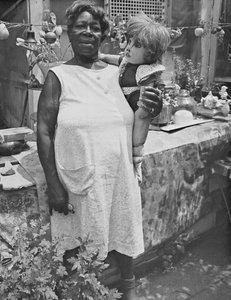
Nellie Mae Rowe
1900 - 1982 , Georgia
Основные сведения
- Artistic Movement Or Style: Self-taught folk art
- Date Of Birth: July 4, 1900
- Date Of Death: October 18, 1982
- Full Name: Nellie Mae Rowe
- Nationality: American
- Notable Artworks:
- Woman Scolding Her Companion
- Empty Chair
- Rocking Chair
- Place Of Birth: Fayetteville, Georgia