

 Предпросмотр
 Поделиться
 Поделиться
 Детали произведения

 Скачать
 Похожие работы
 Рентгенография
 Слайд-шоу
 Статистика
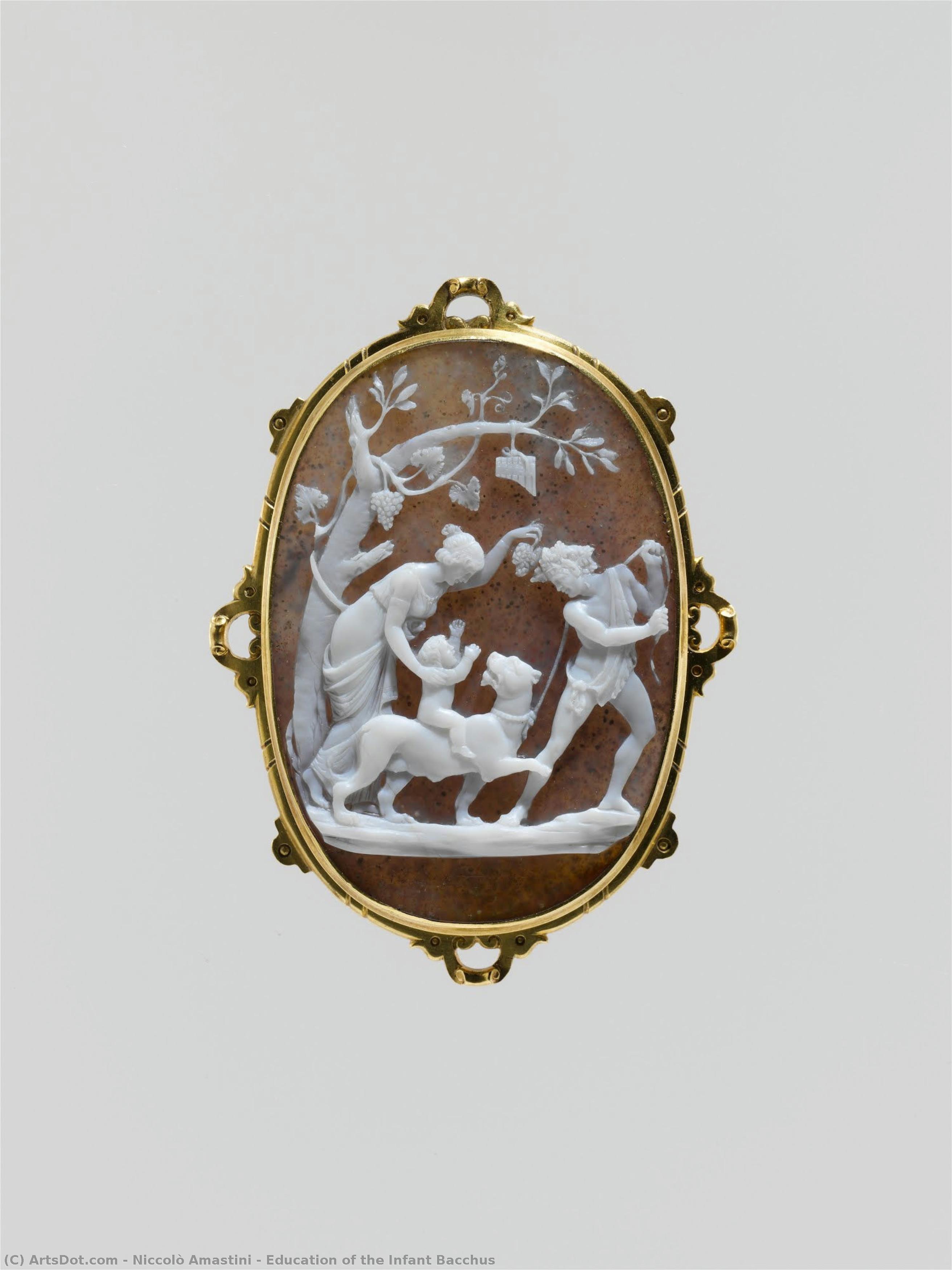
Education of the Infant Bacchus
 Acrylic On Canvas
- WallArt
- Neoclassical Movement
 1800
1800 6.0 x 4.0 cm
 Музей Метрополитен
 Читать далее
Масляная репродукция ручной работы
Картина маслом на холсте в выбранном вами размере и раме, написанная на заказ нашими художниками. ( Перейти к печати Перейти к цифровым изображениям)




P118B $10

P118H $10

P118W $10

P438Z $10

P508JH $12

P508YH $12

P805H $10

P805Z $10

P919BZ $10

P919G $10

P919XJ $10

P959ZH $10

P968JZ $12

W106C $8

W218G $10

W218JH $8

W218Y $10

W307PJ $10

W316G $10

W316PJ $8

W316Y $10

W398PJ $8

W4111J $10

W500HY $15

W500JH $15

W692G $12

W849H $8

W940BG $15

W953PJ $8




Выберите один из наших стандартных размеров, соответствующих оригинальным пропорциям произведения искусства.

Вы можете указать собственные размеры, чтобы картина идеально вписалась в выбранную раму или пространство. Если выбранный вами размер не соответствует пропорциям оригинала, мы либо обрежем полотно, либо расширим его за счет дополнительных элементов, написанных вручную. Цифровой макет будет отправлен вам на утверждение перед началом производства.
Обратите внимание, что предварительный просмотр на экране не отражает фактическую обрезку или расширение. Только макет точно покажет окончательную композицию.
Хотя доступны индивидуальные размеры, мы рекомендуем выбирать вариант из предопределенного списка, чтобы сохранить исходные пропорции.
После оформления заказа команда ArtsDot.com свяжется с клиентом по электронной почте для уточнения деталей и предоставит предварительный макет
Доставка по всему миру () за 3–4 недели вместо стандартных 5 недель. (12 Сентябрь). Без компромиссов в качестве.

Бесплатная экспресс-доставка по всему миру

Высококачественный льняной холст

Полное страхование доставки

Гарантия возмещения таможенных пошлин

Гарантия точного соответствия цветов

100-дневная политика возврата (только при обнаружении дефектов)

Гарантия возврата 100% средств

Предложение оптовых скидок
 Вариант со стеклом доступен только для размеров менее 110 см

Education of the Infant Bacchus
Техника репродукции
Размер репродукции
-


Итоговая стоимость
$ 263
A Moment Frozen in Time: Exploring Niccolò Amastini’s “Education of the Infant Bacchus”
The Metropolitan Museum of Art houses a captivating cameo piece by Niccolò Amastini, titled "Education of the Infant Bacchus," offering a glimpse into the elegance and intellectual fervor of 18th-century Rome. Created in 1800, this artwork exemplifies the tenets of neoclassicism—a movement that sought to revive the artistic ideals of ancient Greece and Rome—resulting in an image imbued with serene beauty and masterful technique. ### Artistic Style and Technique: Echoes of Antiquity Amastini’s approach was characterized by remarkable simplicity and symmetry, mirroring the classical aesthetic principles championed during the Enlightenment. He skillfully employed cameo engraving – a technique involving carving intricate designs into thin sheets of onyx or agate – to achieve an astonishing level of detail within a remarkably small format (6 x 4 cm). The artist meticulously rendered the figures with precise lines and subtle shading, capturing the essence of human form with remarkable accuracy. This meticulous attention to craftsmanship speaks volumes about Amastini’s dedication to honoring the legacy of classical art forms. ### Historical Context: Neoclassicism's Embrace of Virtue and Reason The neoclassicist movement arose in response to the ornate excesses of Baroque art, advocating for restraint and clarity as expressions of moral virtue and intellectual reason. Influenced by thinkers like Jean Jacques Rousseau and Voltaire, artists sought inspiration from Greek sculpture and Roman architecture—considered embodiments of ideal beauty and harmonious proportion. “Education of the Infant Bacchus” perfectly encapsulates this ethos, portraying a scene that speaks to themes of innocence, mentorship, and the transmission of knowledge – concepts central to Enlightenment ideals. ### Symbolism: The Divine Child and Pastoral Tranquility The composition depicts a young boy—likely representing Bacchus, the Roman god of wine and fertility—being instructed by an older man amidst a lush vine-covered tree. This imagery resonates with profound symbolism rooted in classical mythology. The vine symbolizes abundance and regeneration, mirroring the divine influence guiding the youthful deity. The serene setting underscores the importance of contemplation and harmony – values highly prized during the neoclassical period. The careful placement of two dogs adds to the narrative’s richness, representing loyalty and guardianship—elements frequently found in pastoral scenes celebrating rural life and virtue. ### Emotional Impact: A Timeless Reflection on Human Potential “Education of the Infant Bacchus” transcends mere visual representation; it evokes a feeling of tranquility and intellectual curiosity. The artwork's understated elegance invites contemplation on themes of wisdom, guidance, and the nurturing role of experience in shaping character. Its enduring appeal lies in its ability to capture a moment frozen in time—a testament to Amastini’s artistic genius and the timeless beauty of neoclassicism. It remains a treasured piece within the Metropolitan Museum's collection, continuing to inspire admiration for centuries.Похожие произведения
Биография художника
early life and artistic influences
niccolò amastini, an italian artist, was born in bologna, italy in 1756 and passed away in 1834. his work is characterized by the influence of neoclassicism, a movement that drew inspiration from classical antiquity.artistic style and notable works
amastini's style is marked by simplicity, symmetry, and an emphasis on the beauty of the human form, reflecting the principles of roman and greek art. one of his most famous works, education of the infant bacchus, created in 1800, showcases his mastery of neoclassicism.- neoclassical movement: amastini's work was heavily influenced by this movement, which began in rome and spread across europe during the age of enlightenment.
- notable work: education of the infant bacchus, a cameo piece, is a testament to his skill and the enduring appeal of neoclassicism.
- museum collections: his work can be found in various museums, including the metropolitan museum of art (new york city, united states).
comparison with other artists
in comparison to other artists of his time, amastini's work is distinct in its adherence to neoclassical ideals. unlike virgilius bononiensis, who focused on lithographs, amastini dedicated himself to cameo art.legacy and influence
despite the limited information available about his life, amastini's education of the infant bacchus remains a significant contribution to the neoclassical movement. his work continues to inspire artists and art enthusiasts alike, offering a glimpse into the artistic landscape of 18th-century italy.- view more: explore amastini's artwork on ArtsDot.com
- related artists: discover other neoclassical artists and their works on ArtsDot.com's art movements page
conclusion
niccolò amastini, a master of neoclassicism, left an indelible mark on the art world with his cameo piece, education of the infant bacchus. his work serves as a testament to the enduring influence of classical antiquity on artistic expression.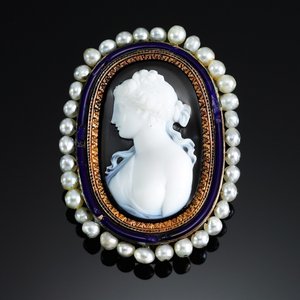
niccolò amastini
1756 - 1834 , Italy
Основные сведения
- Artistic Movement Or Style: Historical painting
- Artists Or Movements Influenced By This Artist: ['Historical painting']
- Artists Who Influenced This Artist: ['Henry Raeburn']
- Date Of Birth: June 6, 1756
- Date Of Death: November 10, 1843
- Full Name: John Trumbull
- Nationality: American
- Notable Artworks:
- Declaration of Independence
- Washington Resigning His Commission
- Cornwallis's Surrender
- Place Of Birth: Lebanon, Connecticut
Похожие статьи
Bartolomeo Pinelli: Neoclassical Linearity & Roman Topography of Memory
Explore the captivating world of Bartolomeo Pinelli, a master Italian engraver renowned for his evocative Roman scenes & historical narratives. Discover his art and legacy with ArtsDot.
Echoes of Olympus: Mythological Narratives in Western Art Through the Ages
Explore the captivating history of mythological narratives in Western art! From ancient Greece to modern masterpieces, discover iconic artworks & symbolism. Expert analysis and high-quality reproductions at ArtsDot.
Civic Virtue and Artistic Rivalry: Patronage and Innovation in the Italian Renaissance Republics, 1400–1600
Explore the Italian Renaissance! Discover how competitive patronage & humanist ideals fueled artistic innovation in republics like Florence & Venice. Expert insights for art lovers and collectors.
Pietro da Cortona: Baroque Grandeur & the Synthesis of Roman Painting
Explore the life & masterpieces of Pietro da Cortona, a defining figure of the Italian Baroque. Discover his stunning frescoes at Palazzo Barberini and lasting influence on Roman art history. Learn more with ArtsDot.
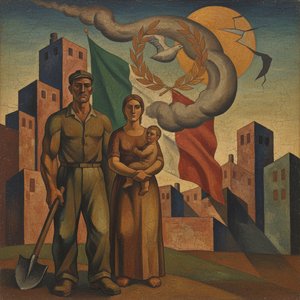
Mario Sironi: A Poetic of Modern Italian Identity Through Symbolism & Social Commentary
Explore the profound works of Mario Sironi, a key figure in Italian Modernism. Discover his evolution from Futurism to Metaphysical painting and his powerful social commentary. Learn about his legacy at ArtsDot.