

 Предпросмотр
 Поделиться
 Поделиться
 Детали произведения

 Скачать
 Похожие работы
 Рентгенография
 Слайд-шоу
 Статистика
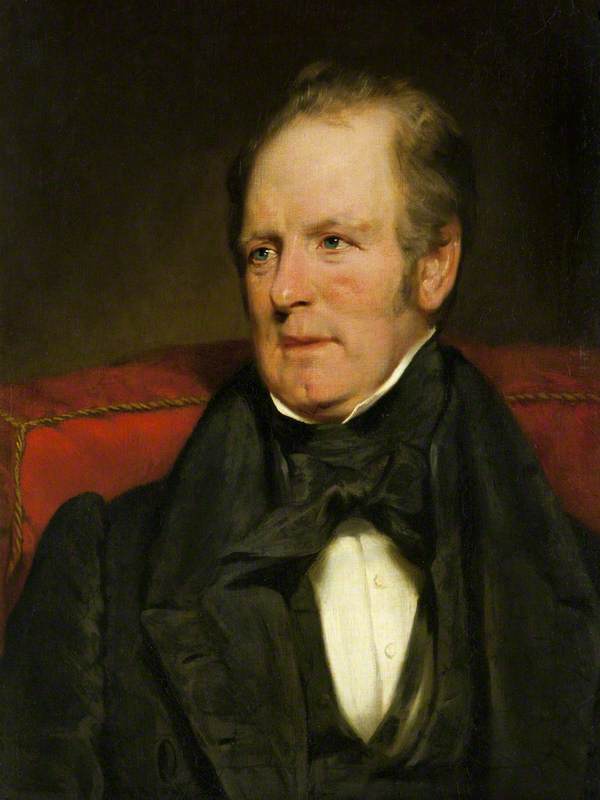
John Ward (1777–1836)
 1836
1836 71.0 x 59.0 cm
 Читать далее
Жикле / Арт-принт
Печать (жикле) или холст музейного качества с быстрыми сроками изготовления и широким выбором вариантов отделки. ( Купить картину ручной работы Перейти к цифровым изображениям)




































Выберите один из наших стандартных размеров, соответствующих оригинальным пропорциям произведения искусства.

Вы можете указать свои собственные размеры, чтобы репродукция идеально подошла под конкретную раму или пространство. Если выбранный вами размер не будет соответствовать пропорциям оригинала, мы либо обрежем произведение, либо дополним изображение зеркальным отражением краев или однотонной заливкой. Перед началом производства вам будет отправлен цифровой макет для утверждения.
Пожалуйста, обратите внимание, что предварительный просмотр на экране не отображает фактическую обрезку или расширение изображения. Только макет точно покажет финальную композицию.
Несмотря на возможность заказа индивидуальных размеров, мы рекомендуем выбирать размер из предопределенного списка, чтобы сохранить оригинальные пропорции.
Доставка по всему миру () за 2 недели вместо стандартных 4/5 недель. (12 Сентябрь)

Бесплатная экспресс-доставка по всему миру

Высококачественный льняной холст

Полное страхование доставки

Гарантия возмещения таможенных пошлин

Гарантия точного соответствия цветов

100-дневная политика возврата (только при обнаружении дефектов)

Гарантия возврата 100% средств

Предложение оптовых скидок
 Вариант со стеклом доступен только для размеров менее 110 см

John Ward (1777–1836)
Жикле / Арт-принт
Размер репродукции
-


Итоговая стоимость
$ 62
The Artist and His Work
Nicholas Joseph Crowley was a talented artist known for his remarkable portraits. His work, including John Ward (1777–1836), demonstrates a deep understanding of the human form and an ability to convey the personality of his subjects through their expressions and poses. This painting is a testament to Crowley's skill as a portrait artist, with its intricate details and masterful use of color.The Subject: John Ward
The subject of the painting, John Ward (1777–1836), is depicted in a formal setting, sitting on a red chair and wearing a suit with a bow tie. His mustache and direct gaze give him an air of sophistication and confidence. The painting provides a glimpse into the life of John Ward, a man who lived during a significant period in history.Relevant Artworks and Artists
Other notable artworks and artists can be found on ArtsDot.com, including:- Self Portrait by Nicholas Joseph Crowley
- Reverend John Scott Porter (1801–1880) by Richard Rothwell
- The Marquess of Londonderry by John Lavery
The Ulster Museum in Ireland is home to an impressive collection of artworks, including the John Ward (1777–1836) portrait. Visitors can explore the museum's exhibits and learn more about the history and significance of these artworks. For those interested in purchasing handmade oil painting reproductions, ArtsDot.com offers a wide range of options, including custom-made paintings created by skilled artists.
In conclusion, the John Ward (1777–1836) portrait by Nicholas Joseph Crowley is a remarkable artwork that showcases the artist's skill and attention to detail. Its significance extends beyond its aesthetic value, providing a glimpse into the life of John Ward and the historical context in which he lived.
Похожие произведения








Биография художника
Nicholas Joseph Crowley (1819–1857): Victorian Portraiture and Symbolism
Nicholas Joseph Crowley, born in Dublin on December 6th, 1819, was a child prodigy whose artistic talent blossomed early under the tutelage of the Royal Dublin Society’s schools. His father, Peter Crowley, possessed considerable wealth through his brewing business, affording him the opportunity to retire and fostering a contemplative spirit within young Edward—a name he would later adopt as his artistic moniker. Despite familial discord stemming from his mother's staunch Catholicism, Crowley’s formative years were marked by an unwavering fascination with art and literature, shaping his lifelong pursuit of creative expression.- Early Training & Recognition: Crowley’s formal education commenced at the RDS in 1827, where he swiftly demonstrated exceptional aptitude for painting. His debut exhibition at the Royal Academy in 1835—a striking portrayal of Tyrone Power as Conor O'Gorman from “The Groves of Blarney”—immediately garnered critical acclaim and established him as a rising star within Victorian artistic circles.
- Academic Membership & Belfast Connections: Elected Associate of the Royal Hibernian Academy in 1836, Crowley’s ambition propelled him to London shortly thereafter, where he cultivated connections with influential patrons and fellow artists. His involvement with the Belfast Association of Artists underscored his commitment to fostering artistic dialogue within Northern Ireland.
- Notable Commissions & Artistic Style: Crowley's prolific output encompassed a diverse range of subjects—portraits of prominent figures like Mary Aikenhead (qv), Daniel O’Connell (qv) and Archbishop Murray (qv)—each imbued with meticulous detail and psychological insight. His distinctive style leaned towards Romanticism, characterized by dramatic lighting, expressive brushstrokes, and an ability to convey profound emotion through visual representation.
- Influences & Legacy: Crowley's artistic sensibilities were profoundly shaped by the works of Eugène Delacroix—a connection that informed his own compositions and cemented his reputation as a master of Victorian portraiture. His enduring legacy resides in his evocative depictions of human experience, capturing the spirit of his era with remarkable sensitivity and technical virtuosity.
Selected Works & Artistic Achievements
Crowley’s artistic output spanned numerous celebrated canvases, each reflecting his profound understanding of both formal technique and psychological nuance. Among his most enduring achievements are:- “Taking the Veil” (1844): This monumental group portrait—featuring Archbishop Murray, Mary Aikenhead, and Crowley himself—stands as a testament to his mastery of composition and tonal gradation, capturing the solemn dignity of religious devotion.
- Tyrone Power as Conor O’Gorman (“The Groves of Blarney”) (1845): Considered one of Crowley's finest portraits, this depiction of Tyrone Power embodies theatrical grandeur and psychological complexity—a hallmark of his artistic style.
- Portrait of Daniel O’Connell (1844): Crowley skillfully rendered O’Connell’s countenance with remarkable accuracy, conveying the statesman’s gravitas and inner turmoil through subtle shading and expressive brushwork.
- “The Irish Court” (1857): This ambitious undertaking—commissioned by the Earl of Carlisle—demonstrates Crowley's ambition to tackle monumental subjects while maintaining his distinctive artistic vision.
Critical Reception & Historical Significance
Nicholas Joseph Crowley enjoyed considerable acclaim during his lifetime, securing recognition from prominent critics and establishing himself as a leading figure within the Royal Hibernian Academy and the British Institution. His paintings were lauded for their technical brilliance—particularly his masterful use of light and shadow—and for their ability to convey profound emotional resonance. Crowley’s contribution to Victorian art is undeniable; he elevated portraiture to new heights of psychological realism, capturing the essence of his subjects with unparalleled sensitivity. Furthermore, his unwavering commitment to artistic integrity and his embrace of Romantic ideals solidified his place as a pivotal voice within the cultural landscape of 19th-century Britain.
Основные сведения
- Artistic Movement Or Style: Victorian Art
- Artists Or Movements Influenced By This Artist: ['Romanticism']
- Artists Who Influenced This Artist: ['James Sant']
- Date Of Birth: 6 December 1819
- Date Of Death: 4 November 1857
- Full Name: Nicholas Joseph Crowley
- Nationality: Irish
- Notable Artworks:
- Tyrone Power as Conor O'Gorman in "The groves of Blarney"
- Taking the veil
- Place Of Birth: Dublin, Ireland