

 Предпросмотр
 Поделиться
 Поделиться
 Детали произведения

 Скачать
 Похожие работы
 Рентгенография
 Слайд-шоу
 Статистика
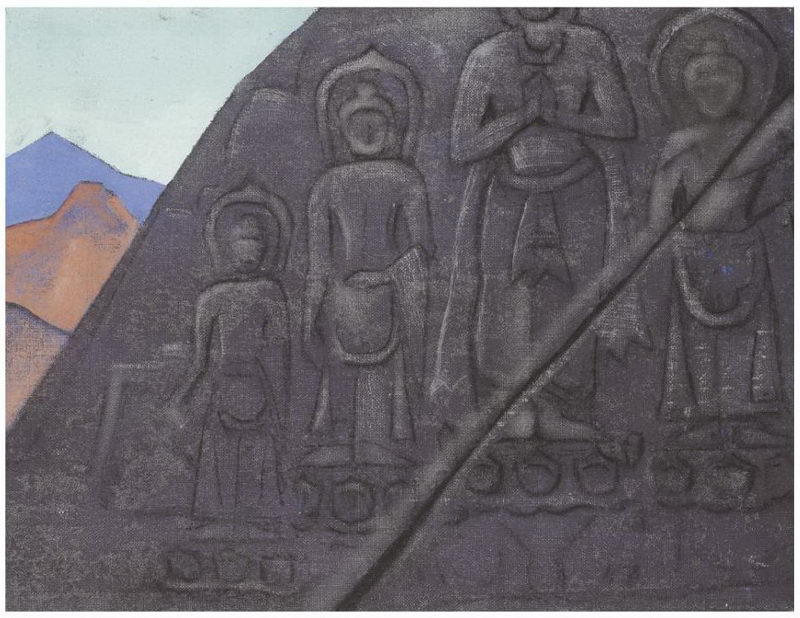
Rock Relief of Buddha


 Читать далее
Приобретите цифровое изображение высокого разрешения в улучшенном качестве, которое значительно превосходит онлайн-превью.
Каждый файл тщательно подготавливается нашими специалистами с использованием передовых инструментов и экспертной ручной ретуши. Мы гарантируем исключительную четкость, точную цветопередачу и детальную проработку каждого изображения.
Финальный файл доставляется по электронной почте в течение 72 часов и оптимизирован для немедленного использования в профессиональной среде, при верстке и печати. Это тот же уровень качества, которому доверяют ведущие дизайнерские студии, издательства и галереи.
Цифровое изображение
Скачайте файл высокого разрешения для личного использования, печати и творческих проектов. ( Перейти к печати Купить картину ручной работы)
Включено в каждый заказ цифровых изображений
Гарантия экспертной цифровой доставки
Выбирая ArtsDot.com, вы получаете не просто изображение — вы приобретаете профессионально обработанное цифровое произведение искусства, созданное с безупречной точностью и под защитой гарантии качества. Вот всё, что автоматически входит в ваш заказ:

Мгновенная доставка по e-mail
Ваш цифровой файл в высоком разрешении будет отправлен вам по электронной почте в течение 72 часов после оформления заказа — и сразу станет доступен для использования.

Цифровой файл с ИИ-улучшением
Ваше произведение искусства проходит профессиональную оптимизацию с использованием передовых инструментов ИИ и ручной обработки, что гарантирует максимальную детализацию, четкость и точность цветопередачи.

Бессрочная бесплатная повторная доставка
Случайно удалили или потеряли файл? Не беспокойтесь — мы отправим его вам повторно в любое время и совершенно бесплатно.

Без импортных пошлин — навсегда
Наслаждайтесь вашим произведением искусства мгновенно без таможенных пошлин, сборов или затрат на доставку — цифровые загрузки всегда не облагаются налогом.

Гарантия точности цветопередачи
Мы гарантируем, что ваше цифровое изображение максимально точно передает оригинальные цвета благодаря использованию профессиональных инструментов и систем управления цветом.

Гарантия удовлетворенности 100 дней
Если вы не будете удовлетворены своим цифровым изображением, мы внесем правки или вернем 100% стоимости в течение 100 дней — без лишних вопросов.

100% Гарантия возврата средств
Не удовлетворены покупкой? Получите полный возврат средств в течение 100 дней после получения цифрового файла — без лишних вопросов.

Скидки на оптовые заказы
Купите 3 изображения, сэкономьте 10% — Купите 5, сэкономьте 15% — Купите 10+, сэкономьте 20%. Отличное решение для творческих проектов, галерей и агентств.
Nicholas Roerich’s ‘Rock Relief of Buddha’: A Meditation on Spirit and Stone
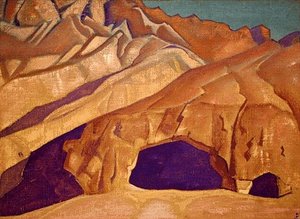
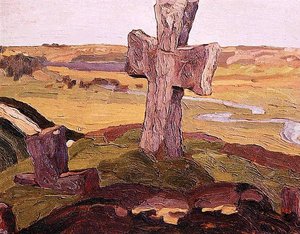
The artwork “Rock Relief of Buddha,” created by the visionary artist Nicholas Roerich in 1928, is more than a depiction of Buddhist iconography; it's an immersive experience of serenity and contemplation. Executed during a period of intense exploration into Eastern spirituality – a journey deeply intertwined with his archaeological pursuits and philosophical inquiries – this piece embodies Roerich’s unique synthesis of Western Symbolism with the profound artistic traditions of Tibet and India. The image, rendered in muted tones of gray, blue, and brown, immediately draws the viewer into a space of quiet reverence, inviting introspection and a connection to ancient wisdom.
- Subject Matter & Iconography: At its core, the artwork presents a stylized rock relief depicting what is likely Buddha or a significant deity within Buddhist cosmology. The vertical arrangement of figures speaks to a sense of spiritual ascent, a common motif in Tibetan thangkas and Indian rock reliefs that profoundly influenced Roerich’s artistic vision.
- Style & Technique: Roerich's style is characterized by simplified forms, elongated proportions, and a deliberate abstraction reminiscent of early 20th-century Symbolism. The technique employed involves meticulous layering of colors – primarily oil or tempera on canvas or panel – to build up textures and create a palpable sense of depth. Noticeable brushstrokes contribute to the tactile quality of the carving, enhancing the illusion of three-dimensionality.
- Historical Context: Created in 1928, this artwork reflects Roerich’s fervent interest in exploring Eastern philosophies and artistic practices during a time when Western artists were increasingly drawn to these traditions. His travels throughout Central Asia and Tibet provided him with invaluable firsthand knowledge that he translated into his art, forging a unique bridge between cultures.
A Symphony of Cool Tones and Textured Surfaces
The color palette is deliberately restrained, dominated by cool shades that evoke a sense of calm and detachment. The muted blues and grays suggest the vastness of the sky and the solidity of the rock, while subtle touches of orange in the distant mountains add a hint of warmth and spiritual illumination. This careful orchestration of color isn’t merely aesthetic; it's integral to the artwork’s emotional impact, contributing significantly to its contemplative atmosphere.
- Line & Shape: The use of lines is masterful – sharp edges define the carved relief, while softer, blended lines create a sense of atmospheric perspective. Geometric shapes are simplified, reflecting Roerich's desire to capture the essence of the subject rather than its literal representation.
- Texture: Texture plays a crucial role in this artwork. The rough, tactile quality of the carved surface contrasts with the smoother background, creating a dynamic interplay that draws the viewer’s eye and enhances the sense of depth. This deliberate manipulation of texture is characteristic of Roerich's approach, adding another layer of complexity to his work.
Symbolism and Emotional Resonance
Beyond its formal qualities, “Rock Relief of Buddha” resonates with profound symbolic meaning. The flattened perspective, reminiscent of ancient art forms, suggests a timeless quality, connecting the viewer to enduring spiritual traditions. The artwork evokes feelings of serenity, contemplation, and reverence – inviting us to pause, reflect, and consider our place within the larger universe. Roerich’s intention was not simply to depict a religious scene but to create an object that would inspire spiritual growth and foster a deeper understanding of humanity's connection to the divine.
- Depth & Perspective: The artwork utilizes a flattened perspective, layering the relief against a background landscape to suggest spatial depth. This technique, common in ancient art forms, adds to the sense of realism and invites the viewer to immerse themselves in the scene.
- Emotional Impact: The overall effect is one of profound peace and tranquility. It’s an artwork that speaks to the soul, offering a moment of respite from the stresses of modern life.
A Timeless Masterpiece for Your Collection
ArtsDot offers meticulously crafted hand-painted reproductions of Nicholas Roerich's “Rock Relief of Buddha,” allowing you to bring this extraordinary artwork into your home or office. Each reproduction is created using the highest quality materials and techniques, ensuring that it faithfully captures the original’s beauty and power. Whether you are an art collector, an interior designer seeking a touch of serenity, or simply someone who appreciates exceptional artistry, this piece offers a unique opportunity to own a truly timeless masterpiece.
Похожие произведения

Биография художника
A Life Immersed in Art and Spirit
Nicholas Roerich, born October 9, 1874, in the vibrant cultural heart of Saint Petersburg, Russia, was a figure whose life transcended the boundaries of artistic expression. He wasn’t merely a painter; he was an archaeologist, a writer, a philosopher, and a tireless advocate for peace and cultural preservation. His upbringing, steeped in both intellectual rigor – his father was a notary public – and artistic appreciation thanks to his mother, laid the foundation for a remarkably multifaceted career. Roerich simultaneously pursued studies in law and art at St. Petersburg University and the Imperial Academy of Arts beginning in 1893, demonstrating an early commitment to a broad understanding of the world. This dual path wasn’t contradictory for him; rather, it reflected a belief that artistic vision needed grounding in historical context and intellectual discipline. He received his artist designation in 1897 and completed his law degree the following year, setting the stage for a life dedicated to both creative exploration and reasoned action.The Allure of Symbolism and Theatrical Innovation
Roerich’s artistic development was profoundly shaped by the currents of Russian Symbolism, a movement that sought to evoke emotional and spiritual depths through evocative imagery and suggestive forms. He quickly became involved with Sergei Diaghilev's influential “World of Art” society, eventually assuming its presidency from 1910 to 1916. This association proved pivotal, exposing him to a network of innovative artists, composers, and thinkers who were redefining the landscape of Russian art. His early work revealed a fascination with archaeology and stage design, leading to groundbreaking collaborations with Diaghilev’s Ballets Russes. Roerich's designs for productions like Alexander Borodin's *Prince Igor* (1909) and, most famously, Igor Stravinsky’s revolutionary *The Rite of Spring* (1913), were not simply backdrops; they were integral components of the theatrical experience. He blended meticulous historical research with a bold imaginative vision, creating visually stunning environments that amplified the emotional power of the music and choreography. These designs weren't merely decorative; they were attempts to evoke primordial forces and ancient rituals, reflecting the Symbolist interest in myth and spirituality. His work was also influenced by apocrypha and medieval sectarian writings like the Dove Book, adding layers of esoteric meaning to his artistic creations.A Journey Towards Mysticism and Himalayan Visions
As Roerich’s career progressed, his paintings underwent a significant transformation, increasingly embracing mystical and spiritual themes. This shift was fueled by his growing interest in Theosophy and Eastern religions, philosophies that emphasized the interconnectedness of all things and the pursuit of inner wisdom. His *Architectural Studies* series (1904–1905) showcased not only his architectural skill but also a deep commitment to preserving cultural heritage, foreshadowing his later advocacy for protecting art during times of conflict. Recurring motifs began to emerge in his work: majestic landscapes, ancient cities shrouded in mystery, and figures imbued with spiritual significance like St. Panteleimon and Kuan Yin. He embarked on extensive travels throughout Central Asia, conducting archaeological research and documenting ancient cultures, experiences that deeply informed his artistic vision and reinforced his belief in the importance of cultural understanding. These journeys were not merely expeditions; they were pilgrimages into the heart of human history and spiritual tradition.Key Works & Continuing Relevance
- Saint Nicholas: A detailed monochrome mural showcasing medieval art and heraldic symbolism, reflecting a deep respect for Russian iconography.
- City: Evocative depictions of ancient urban landscapes, capturing the essence of vanished civilizations and hinting at hidden narratives.
- Lake of the Nagas: A tempera painting blending symbolism and nature, exemplifying his unique artistic vision and exploring themes of transformation and spiritual awakening.
- The Protecting Veil of the Holy Mother of God: A monumental mosaic commissioned for a Russian church, demonstrating his ability to translate complex religious concepts into powerful visual forms.
The Roerich Pact & Lasting Impact
Beyond his artistic achievements, Nicholas Roerich was a passionate advocate for international cultural cooperation. Recognizing the devastating impact of war on cultural treasures, he spearheaded the creation of the Roerich Pact in 1935 – an unprecedented agreement among nations aimed at protecting art and architecture from destruction during armed conflicts. This initiative, driven by his unwavering belief in the value of human heritage, earned him multiple nominations for the Nobel Peace Prize, a testament to his humanitarianism and dedication to fostering global understanding. His work continues to inspire artists, scholars, and activists worldwide, reminding us of the profound connection between art, spirituality, and the preservation of our shared cultural legacy. His paintings remain powerful symbols of hope and a call to protect the beauty and wisdom of human civilization for generations to come.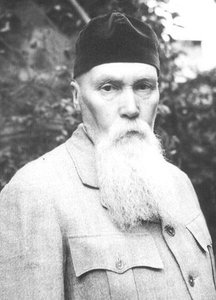
Николай Константинович Роерих
1874 - 1947 , Россия
Основные сведения
- Artistic Movement Or Style: Символизм, духовное искусство
- Artists Or Movements Influenced By This Artist: ['Русский символизм']
- Artists Who Influenced This Artist: ['Сергей Дягилев']
- Date Of Birth: 9 октября 1874 г.
- Date Of Death: 13 декабря 1947 г.
- Full Name: Николай Константинович Роерих
- Nationality: Русский
- Notable Artworks:
- «Святой Николай»
- «Город»
- «Озеро Нагасов»
- Place Of Birth: Санкт-Петербург, Россия