


 Поделиться
 Поделиться
 Детали произведения

 Скачать
 Похожие работы
 Слайд-шоу
 Статистика
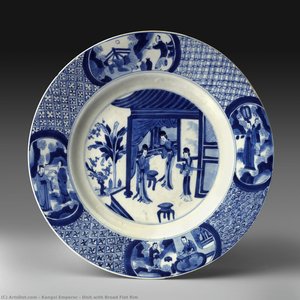
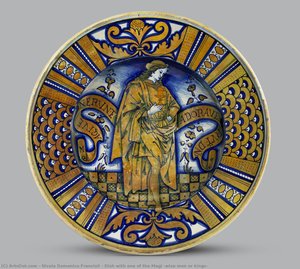
Dish with one of the Magi (wise men or kings)


 Читать далее
Приобретите цифровое изображение высокого разрешения в улучшенном качестве, которое значительно превосходит онлайн-превью.
Каждый файл тщательно подготавливается нашими специалистами с использованием передовых инструментов и экспертной ручной ретуши. Мы гарантируем исключительную четкость, точную цветопередачу и детальную проработку каждого изображения.
Финальный файл доставляется по электронной почте в течение 72 часов и оптимизирован для немедленного использования в профессиональной среде, при верстке и печати. Это тот же уровень качества, которому доверяют ведущие дизайнерские студии, издательства и галереи.
Цифровое изображение
Скачайте файл высокого разрешения для личного использования, печати и творческих проектов. ( Перейти к печати Купить картину ручной работы)
Включено в каждый заказ цифровых изображений
Гарантия экспертной цифровой доставки
Выбирая ArtsDot.com, вы получаете не просто изображение — вы приобретаете профессионально обработанное цифровое произведение искусства, созданное с безупречной точностью и под защитой гарантии качества. Вот всё, что автоматически входит в ваш заказ:

Мгновенная доставка по e-mail
Ваш цифровой файл в высоком разрешении будет отправлен вам по электронной почте в течение 72 часов после оформления заказа — и сразу станет доступен для использования.

Цифровой файл с ИИ-улучшением
Ваше произведение искусства проходит профессиональную оптимизацию с использованием передовых инструментов ИИ и ручной обработки, что гарантирует максимальную детализацию, четкость и точность цветопередачи.

Бессрочная бесплатная повторная доставка
Случайно удалили или потеряли файл? Не беспокойтесь — мы отправим его вам повторно в любое время и совершенно бесплатно.

Без импортных пошлин — навсегда
Наслаждайтесь вашим произведением искусства мгновенно без таможенных пошлин, сборов или затрат на доставку — цифровые загрузки всегда не облагаются налогом.

Гарантия точности цветопередачи
Мы гарантируем, что ваше цифровое изображение максимально точно передает оригинальные цвета благодаря использованию профессиональных инструментов и систем управления цветом.

Гарантия удовлетворенности 100 дней
Если вы не будете удовлетворены своим цифровым изображением, мы внесем правки или вернем 100% стоимости в течение 100 дней — без лишних вопросов.

100% Гарантия возврата средств
Не удовлетворены покупкой? Получите полный возврат средств в течение 100 дней после получения цифрового файла — без лишних вопросов.

Скидки на оптовые заказы
Купите 3 изображения, сэкономьте 10% — Купите 5, сэкономьте 15% — Купите 10+, сэкономьте 20%. Отличное решение для творческих проектов, галерей и агентств.
Похожие произведения


Биография художника
Hans Baldung: A Bridge Between Darkness and Light
Born in the small Imperial Free City of Schwäbisch Gmünd around 1484 or 1485, Hans Baldung Grien stands as a pivotal figure bridging the late Gothic traditions of his youth with the burgeoning Renaissance ideals that swept across Europe. His life was one of constant movement and profound artistic development, shaped by his apprenticeship under the towering influence of Albrecht Dürer and ultimately forging a distinctive style characterized by intense emotion, vibrant color, and a captivating blend of realism and symbolic imagery. Baldung’s legacy lies not just in the sheer volume of his output – encompassing altarpieces, woodcuts, drawings, tapestries, and stained glass – but also in his role as a crucial link between the established artistic world of the Middle Ages and the innovative spirit of the Renaissance.
Baldung’s early life remains somewhat shrouded in mystery. He was the son of a jurist and a doctor, an unusual background for an artist of his time, suggesting a family with intellectual aspirations. He received his initial artistic training from an unknown master in Strasbourg before entering Dürer's workshop in Nuremberg in 1503. This period proved transformative, providing Baldung with invaluable experience in the meticulous techniques and compositional principles of the Renaissance. However, it was also during this time that he began to diverge from Dürer’s more restrained style, embracing a darker, more expressive approach. His nickname, “Grien,” likely derived from his fondness for the color green – a hue often associated with melancholy and introspection – hinting at the emotional depth he would bring to his work.
The Shadowed Master: Baldung's Distinctive Style
Baldung’s artistic style is immediately recognizable by its dramatic intensity, rich colors, and unsettling psychological portraits. Unlike Dürer’s polished realism, Baldung frequently employed distorted forms, exaggerated features, and a deliberately unsettling atmosphere. His figures are often imbued with a sense of torment or hidden desires, reflecting the anxieties and uncertainties of the era. This is particularly evident in his depictions of demonic figures and scenes from the *Dance of Death*, a popular motif during this period that served as a stark reminder of mortality.
His woodcuts, in particular, stand apart. While Dürer’s prints were characterized by their meticulous detail and classical references, Baldung's often possessed a raw, almost primitive quality. He utilized hatching and cross-hatching techniques to create dramatic contrasts of light and shadow, imbuing his images with an unsettling power. His use of color was equally bold, employing vibrant reds, blues, and greens to heighten the emotional impact of his scenes. Baldung’s work is not simply decorative; it's a visceral exploration of human experience – joy, sorrow, fear, and death—often presented in a highly stylized and symbolic manner.
Influences and Development
Baldung’s artistic development was profoundly shaped by his apprenticeship with Albrecht Dürer. While he absorbed many of Dürer's technical skills, Baldung ultimately forged his own unique path, rejecting the strict adherence to classical ideals that characterized Dürer’s later work. He drew inspiration from a wider range of sources, including late Gothic art, medieval symbolism, and even elements of folklore and popular belief. The brief but significant period he spent in Italy during the early 1500s further broadened his artistic horizons, exposing him to the latest trends in Florentine painting and printmaking.
His work evolved over time, moving from a predominantly Gothic style towards a more Mannerist aesthetic – characterized by elongated figures, distorted perspective, and an emphasis on elegance and artificiality. This transition is particularly evident in his later portraits, which often depict subjects with exaggerated features and unsettling expressions. Baldung’s artistic journey reflects the broader cultural shifts of the 16th century, as Europe grappled with the challenges of religious reform, political upheaval, and the rise of humanism.
Legacy and Significance
Hans Baldung Grien remains a profoundly important figure in the history of art. He was not merely a talented artist; he was a crucial intermediary between two distinct artistic traditions – Gothic and Renaissance – and his work embodies the tensions and contradictions of this transition. His distinctive style, characterized by its emotional intensity and symbolic richness, continues to fascinate and inspire artists today.
Baldung’s influence can be seen in the works of numerous later artists, including Pieter Bruegel the Elder, who adopted many of Baldung's techniques for depicting scenes from everyday life. His woodcuts, particularly the *Dance of Death* series, have become iconic images of mortality and remain widely reproduced and studied. Ultimately, Hans Baldung Grien’s legacy is one of artistic innovation, emotional depth, and a profound understanding of the human condition – a testament to his enduring power as an artist.
nicola domenico francioli
1484 - 1557 , Italy
Основные сведения
- Artistic Movement Or Style: German Renaissance/Mannerism
- Artists Or Movements Influenced By This Artist: ['Mannerism']
- Artists Who Influenced This Artist: ['Albrecht Dürer']
- Date Of Birth: 1484 or 1485
- Date Of Death: September 1545
- Full Name: Hans Baldung Grien
- Nationality: German
- Notable Artworks:
- The Fall of Adam and Eve
- Saint Sebastian
- Death and the Maiden
- Place Of Birth: Schwäbisch Gmünd, Germany