
- Главная

- Цифровое изображение
- Nicolaes De Geijselers, Nicolaes De Geyselers, Nicolaas De Gijselaer, Nicolaas De Gijzelaer, Nicolaes De Gyselaer, Nicolaas De Gyzelaer, Nicolaes De G

 Предпросмотр
 Поделиться
 Поделиться
 Детали произведения

 Скачать
 Похожие работы
 Рентгенография
 Слайд-шоу
 Статистика
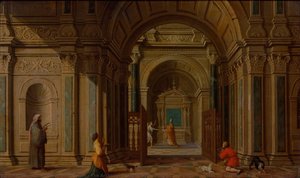
The Archangel Gabriel Appearing to Zacharias, Nicolaes de Giselaer, 1625


 Читать далее
Приобретите цифровое изображение высокого разрешения в улучшенном качестве, которое значительно превосходит онлайн-превью.
Каждый файл тщательно подготавливается нашими специалистами с использованием передовых инструментов и экспертной ручной ретуши. Мы гарантируем исключительную четкость, точную цветопередачу и детальную проработку каждого изображения.
Финальный файл доставляется по электронной почте в течение 72 часов и оптимизирован для немедленного использования в профессиональной среде, при верстке и печати. Это тот же уровень качества, которому доверяют ведущие дизайнерские студии, издательства и галереи.
Цифровое изображение
Скачайте файл высокого разрешения для личного использования, печати и творческих проектов. ( Перейти к печати Купить картину ручной работы)
Включено в каждый заказ цифровых изображений
Гарантия экспертной цифровой доставки
Выбирая ArtsDot.com, вы получаете не просто изображение — вы приобретаете профессионально обработанное цифровое произведение искусства, созданное с безупречной точностью и под защитой гарантии качества. Вот всё, что автоматически входит в ваш заказ:

Мгновенная доставка по e-mail
Ваш цифровой файл в высоком разрешении будет отправлен вам по электронной почте в течение 72 часов после оформления заказа — и сразу станет доступен для использования.

Цифровой файл с ИИ-улучшением
Ваше произведение искусства проходит профессиональную оптимизацию с использованием передовых инструментов ИИ и ручной обработки, что гарантирует максимальную детализацию, четкость и точность цветопередачи.

Бессрочная бесплатная повторная доставка
Случайно удалили или потеряли файл? Не беспокойтесь — мы отправим его вам повторно в любое время и совершенно бесплатно.

Без импортных пошлин — навсегда
Наслаждайтесь вашим произведением искусства мгновенно без таможенных пошлин, сборов или затрат на доставку — цифровые загрузки всегда не облагаются налогом.

Гарантия точности цветопередачи
Мы гарантируем, что ваше цифровое изображение максимально точно передает оригинальные цвета благодаря использованию профессиональных инструментов и систем управления цветом.

Гарантия удовлетворенности 100 дней
Если вы не будете удовлетворены своим цифровым изображением, мы внесем правки или вернем 100% стоимости в течение 100 дней — без лишних вопросов.

100% Гарантия возврата средств
Не удовлетворены покупкой? Получите полный возврат средств в течение 100 дней после получения цифрового файла — без лишних вопросов.

Скидки на оптовые заказы
Купите 3 изображения, сэкономьте 10% — Купите 5, сэкономьте 15% — Купите 10+, сэкономьте 20%. Отличное решение для творческих проектов, галерей и агентств.
Похожие произведения

Биография художника
A Life Shrouded in Light: The World of Nicolaes de Giselaer
Nicolaes de Giselaer, a name that echoes through the halls of Dutch Baroque painting, remains an artist somewhat elusive to modern biographical scrutiny. Born in Dordrecht in 1583 and passing away around 1647, his life is less a clearly documented narrative and more a constellation pieced together from surviving works, archival records, and stylistic analysis. What emerges is the portrait of a skilled painter and draughtsman who navigated the artistic currents of Leiden, Utrecht, and Amsterdam during a period of immense change and flourishing in the Netherlands.
Early documentation suggests a life centered around his craft. Records indicate his presence in Leiden and Utrecht by 1616, followed by a sojourn in Amsterdam between 1616 and 1617. This peripatetic existence hints at an artist actively seeking opportunities and engaging with diverse artistic communities. His marriage to Cornelia Cornelisdr. Van Riebeeck in Leiden on March 24th, 1616, provides a personal anchor point amidst the professional movements. He eventually settled back in Utrecht, where he continued his work until his death, finding final rest within its soil on February 8th, 1647.
The Artistic Landscape and De Giselaer’s Style
De Giselaer's artistic development unfolded against the backdrop of a Dutch Golden Age brimming with innovation. The early 17th century witnessed a shift away from the rigid formalism of Mannerism towards a more naturalistic, emotionally resonant style—a trend powerfully influenced by Caravaggio and his followers. While not directly adopting the dramatic *tenebrism* of Caravaggio, De Giselaer absorbed its principles of strong chiaroscuro and psychological realism. His paintings are characterized by a delicate balance between light and shadow, used to sculpt forms and imbue scenes with a sense of quiet dignity.
His subject matter predominantly revolved around biblical narratives, particularly those lending themselves to intimate domestic settings. He excelled in depicting interiors—palatial courtyards, richly furnished rooms—populated by figures engaged in moments of contemplation or revelation. A hallmark of his style is the meticulous attention to detail: the textures of fabrics, the gleam of metal objects, and the subtle expressions on faces all contribute to a sense of tangible reality. He wasn’t a painter of grand historical spectacles; rather, he focused on the human drama unfolding within contained spaces.
Key Works and Recurring Themes
Among his notable works is “The Archangel Gabriel Appearing to Zacharias” (1625), a piece that exemplifies his mastery of light and composition. The scene unfolds with a serene grace, the angel’s presence radiating a gentle luminosity that contrasts beautifully with the shadowed interior. Another significant work, "The Triumph of Mordekai," housed in the Centraal Museum in Utrecht, showcases his ability to depict complex narratives with clarity and emotional depth. These paintings aren't merely illustrations of biblical stories; they are explorations of faith, devotion, and the power of divine intervention.
Recurring themes within De Giselaer’s oeuvre include the Annunciation, scenes from the life of Christ, and depictions of figures in prayer or contemplation. He often employed architectural settings—palaces, loggias, courtyards—to create a sense of grandeur and symbolic resonance. These spaces weren't simply backdrops; they were integral to the narrative, reflecting the spiritual weight of the events unfolding within them.
Legacy and Historical Significance
While De Giselaer may not be as widely recognized as some of his contemporaries—Rembrandt or Vermeer—his contribution to Dutch Baroque painting is nonetheless significant. He represents a strand of artistic sensibility that valued quiet contemplation, meticulous detail, and emotional realism. His paintings offer a glimpse into the domestic lives and spiritual beliefs of 17th-century Holland.
His influence, though difficult to trace directly, can be seen in the works of later artists who embraced similar themes and stylistic approaches. The Centraal Museum’s collection of his work serves as a testament to his enduring legacy, allowing viewers today to appreciate the subtle beauty and profound humanity that characterize his art. He stands as a reminder that artistic greatness isn't always defined by dramatic innovation but also by a consistent pursuit of excellence and a deep understanding of the human condition.
Основные сведения
- Artistic Movement Or Style: Baroque painting
- Date Of Birth: 1583
- Date Of Death: c. 1647
- Full Name: Nicolaes de Giselaer
- Nationality: Dutch
- Notable Artworks:
- Archangel Gabriel Appearing to Zacharias
- De triomf van Mordekai
- Place Of Birth: Dordrecht, Netherlands