

 Предпросмотр
 Поделиться
 Поделиться
 Детали произведения

 Скачать
 Похожие работы
 Рентгенография
 Слайд-шоу
 Статистика
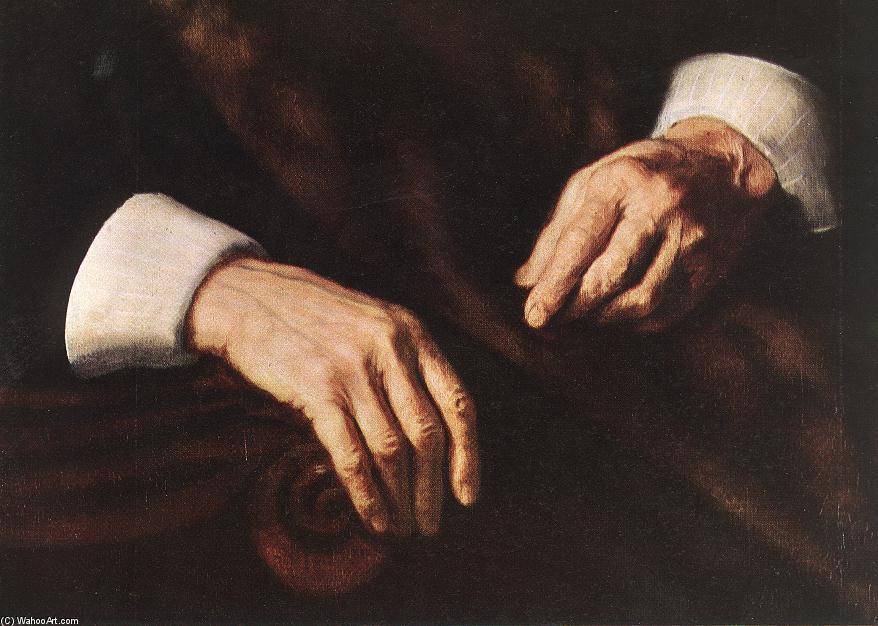
Portrait of Jacob Trip (detail)


 Читать далее
Приобретите цифровое изображение высокого разрешения в улучшенном качестве, которое значительно превосходит онлайн-превью.
Каждый файл тщательно подготавливается нашими специалистами с использованием передовых инструментов и экспертной ручной ретуши. Мы гарантируем исключительную четкость, точную цветопередачу и детальную проработку каждого изображения.
Финальный файл доставляется по электронной почте в течение 72 часов и оптимизирован для немедленного использования в профессиональной среде, при верстке и печати. Это тот же уровень качества, которому доверяют ведущие дизайнерские студии, издательства и галереи.
Цифровое изображение
Скачайте файл высокого разрешения для личного использования, печати и творческих проектов. ( Перейти к печати Купить картину ручной работы)
Включено в каждый заказ цифровых изображений
Гарантия экспертной цифровой доставки
Выбирая ArtsDot.com, вы получаете не просто изображение — вы приобретаете профессионально обработанное цифровое произведение искусства, созданное с безупречной точностью и под защитой гарантии качества. Вот всё, что автоматически входит в ваш заказ:

Мгновенная доставка по e-mail
Ваш цифровой файл в высоком разрешении будет отправлен вам по электронной почте в течение 72 часов после оформления заказа — и сразу станет доступен для использования.

Цифровой файл с ИИ-улучшением
Ваше произведение искусства проходит профессиональную оптимизацию с использованием передовых инструментов ИИ и ручной обработки, что гарантирует максимальную детализацию, четкость и точность цветопередачи.

Бессрочная бесплатная повторная доставка
Случайно удалили или потеряли файл? Не беспокойтесь — мы отправим его вам повторно в любое время и совершенно бесплатно.

Без импортных пошлин — навсегда
Наслаждайтесь вашим произведением искусства мгновенно без таможенных пошлин, сборов или затрат на доставку — цифровые загрузки всегда не облагаются налогом.

Гарантия точности цветопередачи
Мы гарантируем, что ваше цифровое изображение максимально точно передает оригинальные цвета благодаря использованию профессиональных инструментов и систем управления цветом.

Гарантия удовлетворенности 100 дней
Если вы не будете удовлетворены своим цифровым изображением, мы внесем правки или вернем 100% стоимости в течение 100 дней — без лишних вопросов.

100% Гарантия возврата средств
Не удовлетворены покупкой? Получите полный возврат средств в течение 100 дней после получения цифрового файла — без лишних вопросов.

Скидки на оптовые заказы
Купите 3 изображения, сэкономьте 10% — Купите 5, сэкономьте 15% — Купите 10+, сэкономьте 20%. Отличное решение для творческих проектов, галерей и агентств.
The Intimacy of Detail: A Study in Human Experience
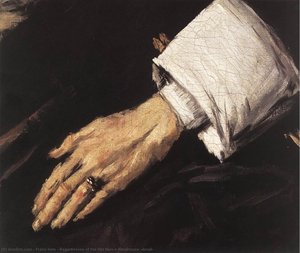
In this exquisite detail from Nicolaes Maes’s 1660 masterpiece, Portrait of Jacob Trip, the viewer is invited into a profound moment of quiet contemplation. While the full portrait captures the stature of a man of significance, this specific close-up focuses our gaze on the hands—the very instruments of human agency and the silent narrators of a life lived. Resting upon a dark, indistinct surface, the hands are rendered with such breathtaking precision that one can almost sense the warmth of the skin and the weight of the years. The artist directs our attention to the subtle topography of the flesh: the delicate network of veins, the gentle creases of aging, and the soft way light dances across the knuckles. It is a study not just of anatomy, and physical form, but of the dignity found in the passage of time.
The emotional resonance of this fragment lies in its vulnerability. By turning the palms slightly upward toward the viewer, Maes creates an atmosphere of openness and honesty. There is no pretense here; there is only the raw, tactile reality of existence. For the collector or the lover of fine art, this piece offers a meditative escape, providing a focal point that commands attention through subtlety rather than spectacle. It serves as a poignant reminder that greatness is often found in the smallest, most overlooked details of our humanity.
Mastery of the Dutch Golden Age
To understand the technical brilliance of this work, one must look to the lineage of its creator. Nicolaes Maes, a pupil of the legendary Rembrandt van Rijn, carries the torch of the Dutch Golden Age’s most celebrated technique: chiaroscuro. In this detail, we see the profound impact of that training through the dramatic interplay between light and shadow. The background is swallowed by a deep, velvety darkness, a void that serves to push the illuminated hands forward into the viewer's space. This high contrast does more than create depth; it sculpts the subject, giving the skin a three-dimensional, lifelike quality that feels almost sculptural.
Maes’s brushwork is a testament to the meticulous standards of 17th-century Dutch portraiture. Every fold in the skin and every nuance of color—from the pale, ivory highlights to the subtle, bruised undertones of the veins—is executed with a masterful command of pigment. The texture is so convincingly rendered that it transcends the flat surface of the canvas, offering a sensory experience that is both intellectually stimulating and visually soothing. For interior designers seeking to add a sense of historical weight and sophisticated texture to a room, such a reproduction brings an unparalleled level of classical elegance and academic rigor.
A Timeless Addition to the Modern Collection
Beyond its historical significance, this detail from the Portrait of Jacob Trip possesses a timeless aesthetic appeal that bridges the gap between the 17th century and the contemporary home. Its muted palette and dramatic lighting make it an incredibly versatile piece for sophisticated decor. Whether placed in a library filled with leather-bound books or as a striking focal point in a minimalist, modern gallery space, the painting provides a sense of groundedness and permanence.
Owning a high-quality reproduction of such a significant work allows one to curate an environment of intellectual depth and emotional warmth. It is more than mere decoration; it is an invitation to pause, to observe, and to find beauty in the quiet textures of life. This piece stands as a tribute to the enduring power of the human touch and the everlasting legacy of the Dutch masters, making it a profound choice for any discerning collector looking to invest in art that speaks to the soul.
Похожие произведения


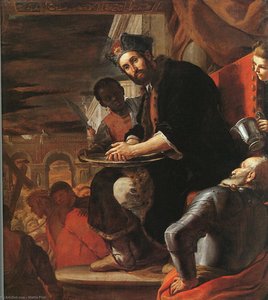
Биография художника
Nicolaes Maes (1634 - 1693): A Life Immersed in Dutch Light and Shadow
Nicolaes Maes, a name resonating softly within the pantheon of Dutch Golden Age masters, was born in Dordrecht in January 1634 into a world brimming with mercantile prosperity and artistic ferment. His father, Gerrit Maes, a successful cloth merchant and soap boiler, provided a comfortable upbringing, allowing young Nicolaes to pursue his burgeoning talent for painting. While early instruction came from a local artist of modest renown, the pivotal moment in Maes’s development arrived when he journeyed to Amsterdam around 1648 and entered the workshop of Rembrandt van Rijn. This apprenticeship proved transformative, imbuing him with an enduring appreciation for the dramatic interplay of light and shadow – *chiaroscuro* – and a masterful command of color that would define his early works. The influence was so profound that initial paintings, such as depictions of biblical scenes rendered with life-size figures and rich, glowing hues, were often mistakenly attributed to Rembrandt himself. These formative years laid the groundwork for a career marked by both technical brilliance and an intimate understanding of human emotion.Early Years and Rembrandt’s Influence
Nicolaes Maes's artistic journey commenced under the tutelage of Samuel van Hoogstraten, a former pupil of Rembrandt who resided in Dordrecht during Maes’ formative years (1648-1651). Although Van Hoogstraten’s instruction was modest compared to Rembrandt’s renown, it instilled in Maes a foundational understanding of drawing techniques and artistic principles. Crucially, however, Maes's path intersected with Rembrandt’s workshop around 1650, initiating an apprenticeship that would irrevocably shape his artistic vision. This relationship proved pivotal, fostering an unwavering devotion to Rembrandt’s distinctive style—particularly *chiaroscuro*, the masterful manipulation of light and dark—and cultivating a palette brimming with vibrant hues. Initial canvases produced during this period mirrored Rembrandt's aesthetic sensibilities, often eliciting comparisons and fueling speculation about attribution. These early works stand as testament to Maes’s absorption of Rembrandt’s artistic legacy, establishing him firmly within the context of Dutch Baroque painting.From Dordrecht to Amsterdam: Genre Painting Takes Root
Following his return to Dordrecht in 1654, Maes embarked on a trajectory distinct from direct emulation of Rembrandt. Instead, he honed his skills in domestic genre scenes—paintings depicting everyday life—capturing the quiet beauty and nuanced emotions inherent in the daily routines of Dutch citizens. He meticulously observed the intricacies of domestic interiors, portraying women engaged in commonplace activities such as spinning wool, preparing meals, and reading scripture with remarkable sensitivity. Maes’s fascination extended to the art of lacemaking, inspiring numerous variations on this theme—each a testament to his meticulous observation and unwavering dedication to capturing authentic human experience. These paintings transcended mere representation; they conveyed a profound understanding of psychological states and social dynamics, reflecting the spirit of the Dutch Republic during its golden age.The Rembrandt Legacy Continues: Portraiture and Artistic Innovation
Despite distancing himself from Rembrandt’s stylistic approach in his genre works, Maes retained an indelible connection to his former master's artistic principles throughout his career. This influence manifested prominently in his portraiture—particularly after 1656—where he achieved unparalleled mastery in conveying psychological depth and capturing the essence of his subjects. Like Rembrandt, Maes skillfully employed *chiaroscuro*, creating dramatic contrasts between light and shadow to illuminate facial expressions and sculpt forms with breathtaking precision. His portraits are characterized by an understated elegance and a profound empathy for his sitters—revealing not only physical likeness but also glimpses into their inner lives and social standing. Notable examples include “Portrait of Gerard Röver, Merchant and Shipowner in Amsterdam,” which exemplifies Maes’s ability to capture both dignity and psychological complexity. Furthermore, Maes demonstrated artistic innovation by adapting Rembrandt's techniques to the medium of mezzotint—a printing process that allowed for nuanced tonal gradations and exceptional detail—resulting in stunning prints like “Hieronymus van Beverningk.”A Lasting Impression: Artistic Significance and Enduring Appeal
Nicolaes Maes passed away in Amsterdam in December 1693, leaving behind a substantial body of work that continues to resonate with audiences today. His paintings stand as invaluable records of Dutch society during the Baroque era—illuminating domestic life, capturing psychological portraits, and embodying the artistic spirit of his time. Maes’s unwavering commitment to Rembrandt’s stylistic precepts—particularly *chiaroscuro*—established him as a cornerstone of Dutch Baroque painting, securing his place among the most influential artists of the seventeenth century. His meticulous observation, coupled with an intuitive understanding of human emotion, ensured that his legacy would endure for generations to come. Today, Maes's canvases reside in prestigious collections across Europe and North America, readily accessible for study and appreciation—a testament to the enduring power of his artistic vision and its profound contribution to the history of art.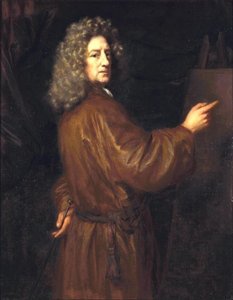
Николаас Маас
1634 - 1693 , Нидерланды
Основные сведения
- Artistic Movement Or Style: Барокко
- Artists Or Movements Influenced By This Artist: ['Питер де Хох']
- Artists Who Influenced This Artist: ['Рембрандт ван Рейн']
- Date Of Birth: Дордрехт, Нидерланды (1634)
- Date Of Death: 1693
- Full Name: Николаас Маэс
- Nationality: Нидерландский
- Notable Artworks:
- Христос благословляет детей
- Старая женщина дремлет над книгой
- Смерть и алтариус
- Place Of Birth: Дордрехт, Нидерланды