 Предпросмотр
 Поделиться
 Поделиться
 Детали произведения

 Скачать
 Похожие работы
 Рентгенография
 Слайд-шоу
 Статистика
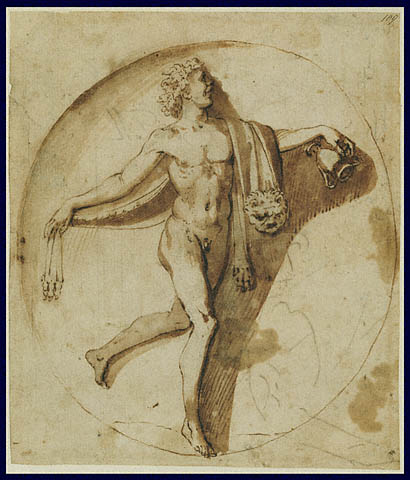
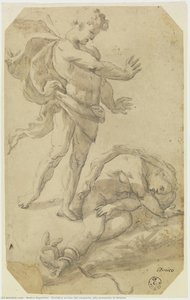
Votary of Bacchus

 Читать далее
Масляная репродукция ручной работы
Картина маслом на холсте в выбранном вами размере и раме, написанная на заказ нашими художниками. ( Перейти к печати Перейти к цифровым изображениям)




P118B $10

P118H $10

P118W $10

P438Z $10

P508JH $12

P508YH $12

P805H $10

P805Z $10

P919BZ $10

P919G $10

P919XJ $10

P959ZH $10

P968JZ $12

W106C $8

W218G $10

W218JH $8

W218Y $10

W307PJ $10

W316G $10

W316PJ $8

W316Y $10

W398PJ $8

W4111J $10

W500HY $15

W500JH $15

W692G $12

W849H $8

W940BG $15

W953PJ $8




Выберите один из наших стандартных размеров, соответствующих оригинальным пропорциям произведения искусства.

Вы можете указать собственные размеры, чтобы картина идеально вписалась в выбранную раму или пространство. Если выбранный вами размер не соответствует пропорциям оригинала, мы либо обрежем полотно, либо расширим его за счет дополнительных элементов, написанных вручную. Цифровой макет будет отправлен вам на утверждение перед началом производства.
Обратите внимание, что предварительный просмотр на экране не отражает фактическую обрезку или расширение. Только макет точно покажет окончательную композицию.
Хотя доступны индивидуальные размеры, мы рекомендуем выбирать вариант из предопределенного списка, чтобы сохранить исходные пропорции.
После оформления заказа команда ArtsDot.com свяжется с клиентом по электронной почте для уточнения деталей и предоставит предварительный макет
Доставка по всему миру () за 3–4 недели вместо стандартных 5 недель. (12 Сентябрь). Без компромиссов в качестве.

Бесплатная экспресс-доставка по всему миру

Высококачественный льняной холст

Полное страхование доставки

Гарантия возмещения таможенных пошлин

Гарантия точного соответствия цветов

100-дневная политика возврата (только при обнаружении дефектов)

Гарантия возврата 100% средств

Предложение оптовых скидок
 Вариант со стеклом доступен только для размеров менее 110 см

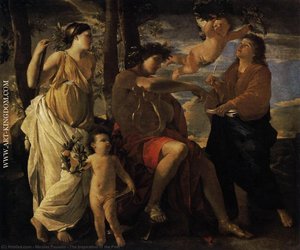
Votary of Bacchus
Техника репродукции
Размер репродукции
-


Итоговая стоимость
$ 263
The Lady of Auxerre: A Silent Smile Across Time
The discovery of the Lady of Auxerre in 1907—a limestone sculpture unearthed from a Parisian storage vault—immediately captivated the public imagination, fueling speculation about its origins and artistic significance. This enigmatic Kore, dating back to approximately 650-625 BCE, stands as a testament to the Archaic Greek style, embodying an aesthetic that continues to fascinate scholars and artists alike. Found in Eleutherna and Gortyn, Crete, excavations conducted by Nikolaos Stampolidis have solidified its provenance and illuminated the broader artistic landscape of early Greece.- Provenance: The sculpture’s journey began in obscurity within a Parisian museum vault before being rediscovered in 1907, sparking considerable journalistic interest.
- Style: Representing an Archaic Greek masterpiece, the Lady embodies characteristics of Daedalic art—a style marked by meticulous modeling and incised ornamentation—reflecting influences from Minoan and Egyptian traditions.
- Technique: Crafted from limestone, the Lady showcases exceptional sculptural skill, demonstrating mastery of modeling and incising techniques. The surface is adorned with intricate spiral curls and geometric patterns—incised designs that contribute to the sculpture’s overall visual impact.
- Historical Context: Emerging from the Dark Age, Archaic Greek art represents a pivotal moment in European cultural history—a transition toward rational thought and artistic sophistication. The Lady’s presence serves as a tangible link to this formative era, inviting viewers to contemplate the enduring legacy of classical aesthetics.
Exploring Nicolas Poussin’s “Dancing Votary of Bacchus”
Nicolas Poussin's "Dancing Votary of Bacchus," completed around 1630-1635, stands as an exemplar of Baroque painting—characterized by dramatic lighting, dynamic composition, and meticulous attention to detail. This captivating artwork delves into themes of mythology, spirituality, and human emotion, capturing the essence of classical ideals within a vibrant visual language.- Composition: The painting’s circular frame draws viewers inward, emphasizing the central figure—a nude man holding a wine goblet—who embodies both physical grace and intellectual contemplation.
- Technique: Executed primarily in wash and brown ink over traces of black chalk, Poussin's technique demonstrates mastery of pigment blending and tonal gradation—essential elements for achieving realistic visual effects.
- Symbolism: The nude figure represents purity and vulnerability, while the wine goblet symbolizes divine inspiration and sensual pleasure. These symbolic elements converge to convey a profound meditation on human experience and the relationship between art and spirituality.
A Window Into Ancient Greece: The Significance of Archaic Sculpture
Archaic sculpture represents a transformative moment in European art history—a transition from stylized conventions toward rational thought and artistic realism. Figures like the Lady of Auxerre exemplify this burgeoning aesthetic, embodying ideals of feminine beauty and spiritual serenity while simultaneously reflecting influences from Minoan and Egyptian traditions.- Influence: Archaic sculpture drew inspiration from Minoan and Egyptian art—demonstrating the interconnectedness of cultural traditions across ancient Greece.
- Formal Characteristics: Archaic sculptures are characterized by stylized modeling and incised ornamentation—techniques that prioritize visual harmony and intellectual rigor over naturalistic representation.
The Enduring Legacy of Classical Aesthetics: Reflections on “Dancing Votary”
Nicolas Poussin's "Dancing Votary of Bacchus" stands as a cornerstone of Baroque painting—characterized by dramatic lighting, dynamic composition, and meticulous attention to detail. The artwork’s exploration of mythology, spirituality, and human emotion continues to resonate with audiences today—affirming its place as one of the most celebrated artworks of the seventeenth century.- Emotional Impact: The painting evokes feelings of serenity, contemplation, and wonder—reflecting the Baroque aesthetic's commitment to conveying profound emotional experiences through visual imagery.
- Interpretations: Scholars continue to debate “Dancing Votary”'s symbolism—examining its representation of femininity, spirituality, and human emotion through the lens of classical ideals.
Contemporary Appreciation: Why “The Lady of Auxerre” Still Matters Today
Despite its antiquity, The Lady of Auxerre retains an astonishing relevance in contemporary art discourse—inspiring artists and collectors alike with its profound contemplation of human experience and spiritual transcendence. Its serene expression—often termed “the archaic smile”—continues to captivate viewers—serving as a symbol of artistic excellence and intellectual rigor.- Influence on Modern Art: The Lady’s stylistic innovations—particularly her modeling techniques and incised ornamentation—have exerted an enduring influence on subsequent generations of artists—inspiring them to explore new visual languages while upholding classical aesthetic ideals.
- Symbolic Resonance: The Lady’s attire—a tubular dress embellished with brooches concealed beneath her hair—represents a fusion of Minoan and Egyptian stylistic elements—highlighting the interconnectedness of cultural traditions across ancient Greece.
Похожие произведения




Биография художника
Nicolas Poussin (1594–1665) – Искусство Классической Франции
Nicolas Poussin, имя синоним грандиозного французского барокко живописи, был тем не менее душой глубоко укоренившейся в итальянской земле большую часть своей художественной жизни. Родился в Ле Havre, Нормандия, в июне 1594 года, его ранние годы остаются во многом загадкой, однако они неумолимо заложили основу карьеры, которая стала ключевой фигурой в формировании классической традиции в французском искусстве. Хотя он временно изучал Париж в начале 1610-х годов, усваивая влияния менее известных художников того времени, его путешествие в Рим в 1624 году по истине зажгло его художественное предназначение. Это было не просто географическое перемещение; это был погружение в сердце античности, паломничество к источнику вдохновения, который определил его эстетическую философию. Его первые попытки рисовать были отмечены чувственностью, напоминающей стиль венских мастеров Тициана, однако даже в этих ранних работах проявился зарождающийся вкус к порядку и интеллектуальной строгости — предвестие стиля, которым он столь мастерски отточил впоследствии.Римские Годы: Формирование Классического Идеала
Рим оказался больше чем просто студией для Пуссина; это стало его интеллектуальным ковчеголом. Он находился среди оживленного круга ученых, археологов и соратников художников, в частности Кассиано да Поцца, чье глубокое понимание античности оказало мощное влияние на подход художника к творчеству. Преданность да Поцца тщательной документации древних останков внушила Пуссину глубокое уважение исторической точности и стремление вдохнуть свои картины ощущением вневременности. Этот период ознаменовался отходом от показной экспрессии некоторых его современников, вместо этого он принял стиль, характеризующийся ясностью, гармонией и сознательным акцентом на линейную композицию. Он тщательно изучал работы Рафаэля, усваивая их гармоничные расстановки и изящные формы, одновременно черпая вдохновение в древних скульптурах и литературных источниках Овида *Метаморфозы*. Его картины начали населять фигуры из античной истории и мифологии, изображенные не как просто декоративные элементы, а как воплощения моральных добродетелей и философских идеалов. Он был особенно вдохновлен Рафаэлем и его стремлением к гармонии и ясности формы. Этот опыт сформировал основу его собственного художественного стиля. Пуссин был окружен интеллектуалами и художниками, которые разделяли его классицистические взгляды и были глубоко убеждены в важности разума и красоты как критериев искусства. Его путешествие в Рим стало поворотным моментом в жизни художника и определило направление его творческой деятельности на долгие годы вперед. Здесь он встретился с выдающимися учеными и коллекционерами, что способствовало развитию его художественного мировоззрения и вдохновило его на создание произведений искусства высочайшего уровня мастерства. Он был особенно впечатлен работой Рафаэля и его стремлением к гармонии и ясности формы. Этот опыт сформировал основу его собственного художественного стиля. Пуссин быстро осознал необходимость отхода от традиционных методов живописи и начал экспериментировать с новыми техниками и материалами, что привело к появлению уникального художественного стиля, отличающегося необычайной детализацией и тонкой передачей светотени. Его работы были вдохновлены античными скульптурами и архитектурой и отражали идеалы классической эстетики. Он был убежден в том, что искусство должно быть выражением разума и гармонии и стремился создать произведения искусства, которые бы восхищали зрителя своей красотой и глубиной мысли. Именно эти принципы определили его художественную философию и вдохновили его на создание шедевров мирового искусства. Пуссин был одним из самых влиятельных художников своего времени и оказал огромное влияние на развитие французской классической живописи. Его работы были высоко оценены критиками и публикой и стали символом эпохи барокко и классицизма. Он вдохновил многих молодых художников и сформировал эстетические идеалы будущего поколения. Его наследие продолжает жить в музеях и галереях мира и является одним из самых значимых достижений французской культуры. Пуссин был признаком новой эпохи и воплощением лучших традиций европейского искусства своего времени. Он сумел объединить научные знания и художественное вдохновение и создал произведения искусства, которые были одновременно прекрасны и глубоко философскими. Его творчество является примером высочайшего мастерства и эстетической гармонии и продолжает восхищать зрителей по всему миру.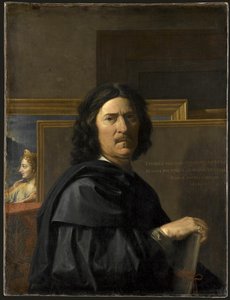
Николай Пуссен
1594 - 1665 , Франция
Основные сведения
- Artistic Movement Or Style: Барокко и Классицизм
- Artists Or Movements Influenced By This Artist:
- Жак-Луи Давид
- Антуан Ватто
- Artists Who Influenced This Artist:
- Рафаэль
- Тициан
- Date Of Birth: 1594
- Full Name: Nicolas Poussin
- Nationality: Французский
- Notable Artworks:
- Смерть Германика
- Семиества
- Place Of Birth: Les Andelys, Франция
Похожие статьи

The Enduring Form: Sculpture Across History, Technique & Emotional Resonance
Explore the rich history of sculpture with ArtsDot. Discover key techniques, influential artists & investment potential for discerning collectors. Expert insights into valuing and collecting timeless masterpieces.

10 легендарных бронзовых скульптур, изменивших искусство навсегда | ArtsDot
Погрузитесь в мир великих бронзовых скульптур! От Давида Микеланджело до работ Родена – история искусства, техники и вдохновения. Купите репродукции шедевров для вашего интерьера на ArtsDot.com

10 легендарных бронзовых шедевров, изменивших искусство | ArtsDot
Погрузитесь в мир великих бронзовых шедевров! От Давида Донателло до Мыслителя Родена – узнайте историю создания, технику и значение легендарных скульптур. Вдохновение для интерьера и музейное качество репродукций на ArtsDot.com.
The Enduring Allure of Marble in Art History: From Classical Sculpture to Modern Abstraction
Explore the captivating history of marble sculpture from ancient Greece to modern art. Discover renowned artists like Canova & Michelangelo, carving techniques, and investment insights at ArtsDot.

The Enduring Form: Exploring Themes & Techniques in Sculpture Across Historical Periods
Explore the rich history of sculpture from ancient masterpieces to contemporary innovations. Discover key techniques, influential artists & investment potential for discerning art collectors.