

 Предпросмотр
 Поделиться
 Поделиться
 Детали произведения

 Скачать
 Похожие работы
 Рентгенография
 Слайд-шоу
 Статистика
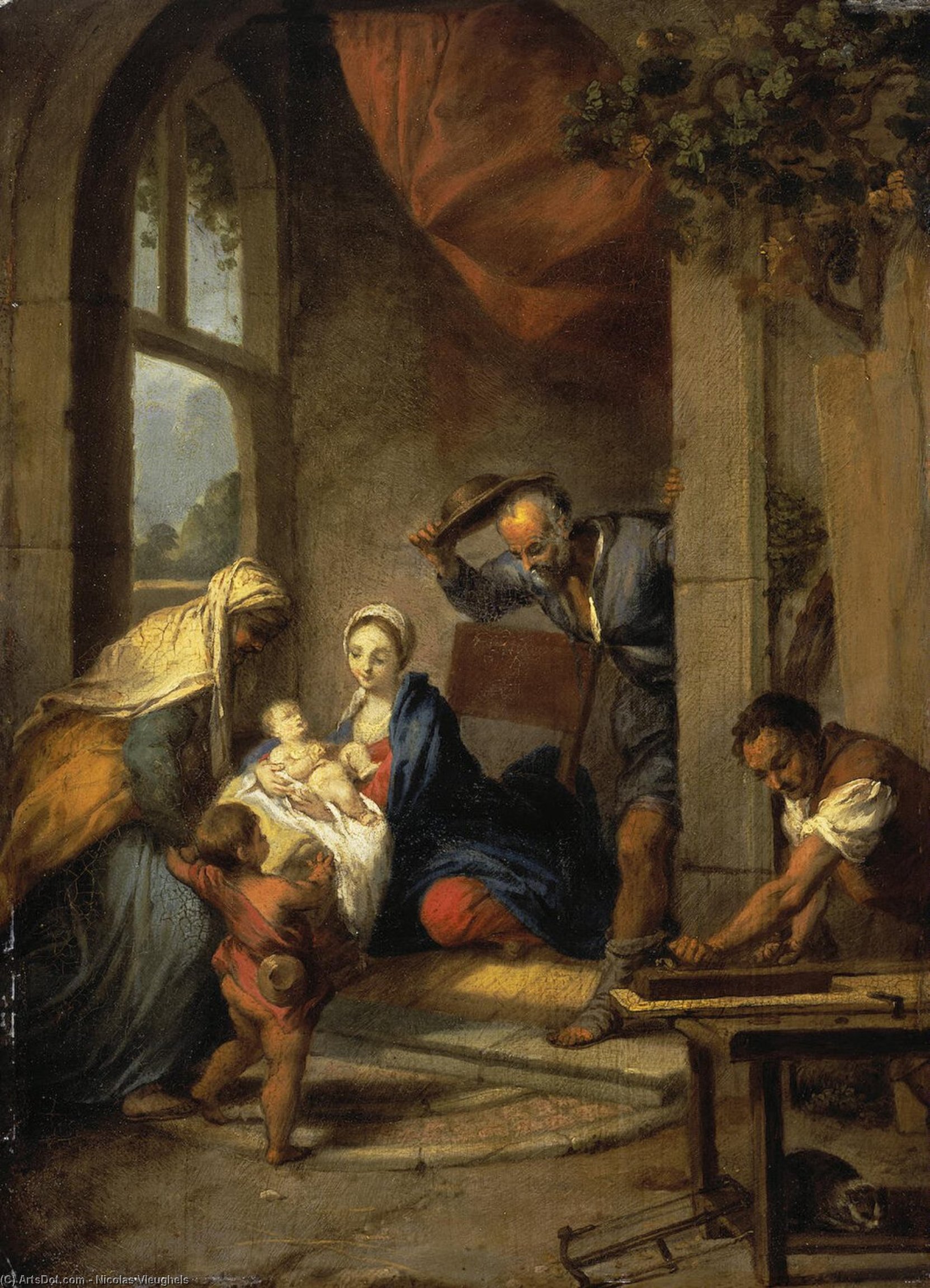
Holy Family
 Oil On Panel
- Baroque
 1729
1729 36.0 x 27.0 cm
 Эрмитаж
 Читать далее
Масляная репродукция ручной работы
Картина маслом на холсте в выбранном вами размере и раме, написанная на заказ нашими художниками. ( Перейти к печати Перейти к цифровым изображениям)




P118B $10

P118H $10

P118W $10

P438Z $10

P508JH $12

P508YH $12

P805H $10

P805Z $10

P919BZ $10

P919G $10

P919XJ $10

P959ZH $10

P968JZ $12

W106C $8

W218G $10

W218JH $8

W218Y $10

W307PJ $10

W316G $10

W316PJ $8

W316Y $10

W398PJ $8

W4111J $10

W500HY $15

W500JH $15

W692G $12

W849H $8

W940BG $15

W953PJ $8




Выберите один из наших стандартных размеров, соответствующих оригинальным пропорциям произведения искусства.

Вы можете указать собственные размеры, чтобы картина идеально вписалась в выбранную раму или пространство. Если выбранный вами размер не соответствует пропорциям оригинала, мы либо обрежем полотно, либо расширим его за счет дополнительных элементов, написанных вручную. Цифровой макет будет отправлен вам на утверждение перед началом производства.
Обратите внимание, что предварительный просмотр на экране не отражает фактическую обрезку или расширение. Только макет точно покажет окончательную композицию.
Хотя доступны индивидуальные размеры, мы рекомендуем выбирать вариант из предопределенного списка, чтобы сохранить исходные пропорции.
После оформления заказа команда ArtsDot.com свяжется с клиентом по электронной почте для уточнения деталей и предоставит предварительный макет
Доставка по всему миру () за 3–4 недели вместо стандартных 5 недель. (10 Сентябрь). Без компромиссов в качестве.

Бесплатная экспресс-доставка по всему миру

Высококачественный льняной холст

Полное страхование доставки

Гарантия возмещения таможенных пошлин

Гарантия точного соответствия цветов

100-дневная политика возврата (только при обнаружении дефектов)

Гарантия возврата 100% средств

Предложение оптовых скидок
 Вариант со стеклом доступен только для размеров менее 110 см

Holy Family
Техника репродукции
Размер репродукции
-


Итоговая стоимость
$ 263
A Moment of Serenity: The Compositional Heart of Vleughels’ Holy Family
Nicolas Vleughels' “Holy Family,” painted in 1729, isn’t merely a depiction of Jesus, Mary, and Joseph; it’s an invitation to contemplate the very essence of familial love and divine grace. The scene unfolds within a modestly furnished interior – a window offering a glimpse of natural light, a simple bench suggesting domestic tranquility – elements carefully chosen to draw the viewer into a space of profound peace. Vleughels masterfully employs a pyramidal composition, anchoring the central figures of Mary cradling the infant Jesus and Joseph standing protectively beside them. This structure lends stability and harmony to the scene, mirroring the steadfastness of their bond.
The artist’s palette is restrained yet luminous, dominated by warm earth tones – ochres, browns, and subtle greens – that evoke a sense of comfort and familiarity. Light isn't aggressively dramatic; instead, it gently illuminates the faces of the family, highlighting their expressions of tenderness and devotion. Notice how Vleughels subtly uses chiaroscuro—the interplay of light and shadow—to sculpt the figures, giving them a tangible presence within the painted space. The details are meticulously rendered: the folds of Mary’s garments, the delicate features of the child, the weathered face of Joseph – each element contributes to an overwhelming sense of realism and intimacy.
Flemish Tradition Meets Venetian Influence
Vleughels stands as a pivotal figure bridging the artistic traditions of Flanders and Venice in the early 18th century. Trained initially under Pierre Mignard, known for his meticulous portraiture, he quickly absorbed the influence of Rubens, the towering master of Baroque painting. However, Vleughels’ work transcends mere imitation; he skillfully integrated Venetian techniques – particularly the use of light and color—into his distinctly Flemish style. This fusion results in a remarkably balanced composition, characterized by both emotional depth and technical brilliance.
The painting's roots are firmly planted in the rich artistic heritage of Antwerp, where Vleughels spent much of his career. Flemish artists were renowned for their ability to capture the nuances of human expression and create scenes imbued with a sense of realism and immediacy. Yet, Vleughels’ exposure to Venetian painting—particularly the works of Titian and Veronese—introduced him to a more vibrant use of color and a greater emphasis on atmospheric perspective. This combination is evident in “Holy Family,” where the muted tones are punctuated by subtle shifts in hue that create a sense of depth and spatial awareness.
Symbolism and Spiritual Resonance
Beyond its technical merits, "Holy Family" resonates with profound symbolic meaning. The scene isn’t simply a representation of a family; it's an allegory for the divine institution of marriage and the importance of familial piety. Joseph, depicted as a strong and dignified figure, embodies the virtues of protection, justice, and steadfastness—qualities essential to a good husband and father. Mary, radiating maternal grace, represents humility, purity, and devotion to God. And Jesus, nestled in her arms, symbolizes divine love, innocence, and salvation.
The inclusion of the simple interior setting underscores the idea that true faith is nurtured within the domestic sphere. The window, a recurring motif in Vleughels’ work, suggests a connection to the divine—a reminder that God's presence permeates all aspects of human life. Even the bench, a commonplace object, becomes imbued with significance as it represents the foundation upon which family life is built.
A Legacy of Devotion: Reproductions and Artistic Inspiration
“Holy Family” remains a beloved subject in art history, inspiring countless reproductions and interpretations. Its enduring appeal lies in its ability to evoke a sense of warmth, serenity, and spiritual contemplation. When commissioning a reproduction, consider the scale and framing carefully—a larger format will undoubtedly enhance the impact of this emotionally resonant artwork. The painting’s harmonious composition and masterful use of light make it an ideal choice for creating a tranquil focal point within any interior space, inviting viewers to reflect on the timeless values of family, faith, and love.
Похожие произведения
Биография художника
The Convergence of Flemish Heritage and Venetian Grandeur
Nicolas Vleughels stands as a pivotal figure in the artistic landscape of the early Baroque era, embodying a magnificent confluence of Flemish artistic heritage and the burgeoning influence of Venetian painting. Born in Paris in 1668, his very identity was rooted in a lineage of excellence; he was the son of Philippe Vleughels, a renowned Flemish painter who had emigrated from Antwerp. This connection to the great traditions of the North provided Nicolas with a foundation steeped in technical precision and a vibrant community of expatriate artists residing in the French capital.
His formative years were defined by rigorous instruction under the watchful eye of Pierre Mignard, a prominent portraitist whose meticulous realism would leave an indelible mark on Vle.ueghels’ stylistic sensibilities. Yet, it was his profound dedication to mastering the masters that truly shaped his hand. He spent countless hours diligently copying the works of Rubens, the titan of Baroque art, absorbing the expressive power and dynamic energy that characterized the Flemish tradition. This deep reverence for Rubens allowed him to weave a sense of muscularity and life into his compositions, even as he sought new horizons.
A Transformative Journey Through Italy
Despite early recognition—including securing the second prize in the Académie royale de peinture et de sculpture’s competition in 1694—Vleughels faced the inevitable challenges of establishing a singular voice in a crowded Parisian scene. Driven by an unquenchable ambition, he embarked on a transformative journey to Rome in 1703. This pilgrimage was not merely a change of scenery but a profound artistic awakening. In Italy, he encountered the works of Casper van Wittel, a celebrated vedute painter whose panoramic depictions of landscapes captivated him with their light and spatial depth.
The influence of Venice, however, would become the true cornerstone of his evolution. As he immersed himself in the Venetian atmosphere, the dramatic compositions of Veronese began to resonate deeply within his soul. This encounter catalyzed a stylistic shift toward an opulent color palette and a sense of theatrical staging. His work began to breathe with the warmth and grandeur of the Venetian Baroque, blending the structural integrity of his Flemish roots with a new, luminous splendor that celebrated light and movement.
Legacy and Artistic Maturity
Upon returning to Paris around 1709, Vleughels emerged as an artist of significant prestige, eventually serving as a director at the French Academy in Rome. His later years were marked by a fascinating intersection with the emerging Rococo movement; he forged a profound friendship with Jean-Antoine Watteau, whose delicate and playful style offered a striking contrast to Vleughels’ more classical and dramatic tendencies. This period of his life saw him navigating the transition between the heavy grandeur of the Baroque and the refined elegance of the coming age.
The enduring significance of Nicolas Vleughels lies in his ability to bridge disparate worlds. His oeuvre remains a testament to a life spent synthesizing diverse influences, from the meticulous detail of his Flemish ancestors to the sweeping, colorful drama of the Italian masters. Whether through the serene beauty found in his Study for the Head of Campaspe or the theatrical narrative of Apelles Painting Campaspe, Vleughels continues to captivate the viewer with a unique vision that remains eternally elegant and profoundly classical.
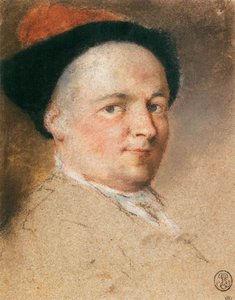
Nicolas Vleughels
1668 - 1737 , France
Основные сведения
- Artistic Movement Or Style: Baroque
- Artists Or Movements Influenced By This Artist: ['Jean-Antoine Watteau']
- Artists Who Influenced This Artist:
- Pierre Mignard
- Rubens
- Date Of Birth: Paris, France (1668)
- Date Of Death: 1737
- Full Name: Nicolas Vleughels
- Nationality: French
- Notable Artworks:
- Study for the Legs of Campaspe
- Young Woman with a Nude Back Presenting a Bowl
- Place Of Birth: Paris
Похожие статьи

The Dramatic Flourish: Exploring the Baroque Movement's Enduring Legacy in Art History
Explore the dramatic world of Baroque art! Discover iconic artists like Caravaggio & Rubens, defining techniques, and its lasting impact on art history. Expert insights for collectors & enthusiasts at ArtsDot.

The Enduring Power of Painting: A Historical & Contemporary Exploration of Form and Emotion
Explore the rich history & enduring techniques of oil painting with ArtsDot. Discover masterpieces, learn about art collecting, and find authentic handmade reproductions crafted by skilled artists.

Oil on Canvas: A Historical & Technical Exploration of a Timeless Artistic Medium
Explore the rich history & enduring techniques of oil painting on canvas. Discover the science behind its longevity, conservation practices, and contemporary relevance. Expert insights for art enthusiasts.

Барочная драма: Искусство величия в современном интерьере
Погрузитесь в мир роскоши и величия барокко! Узнайте об истории стиля, ключевых элементах интерьера и архитектуре. Вдохновляйтесь с и создайте свой неповторимый дизайн.

10 Шедевров Барокко: Искусство, изменившее мир | ArtsDot.com
Погрузитесь в мир барокко! 10 шедевров Караваджо, Рембрандта и других великих художников. Узнайте историю создания культовых картин и найдите идеальную репродукцию для вашего интерьера на ArtsDot.com