

 Предпросмотр
 Поделиться
 Поделиться
 Детали произведения

 Скачать
 Похожие работы
 Рентгенография
 Слайд-шоу
 Статистика
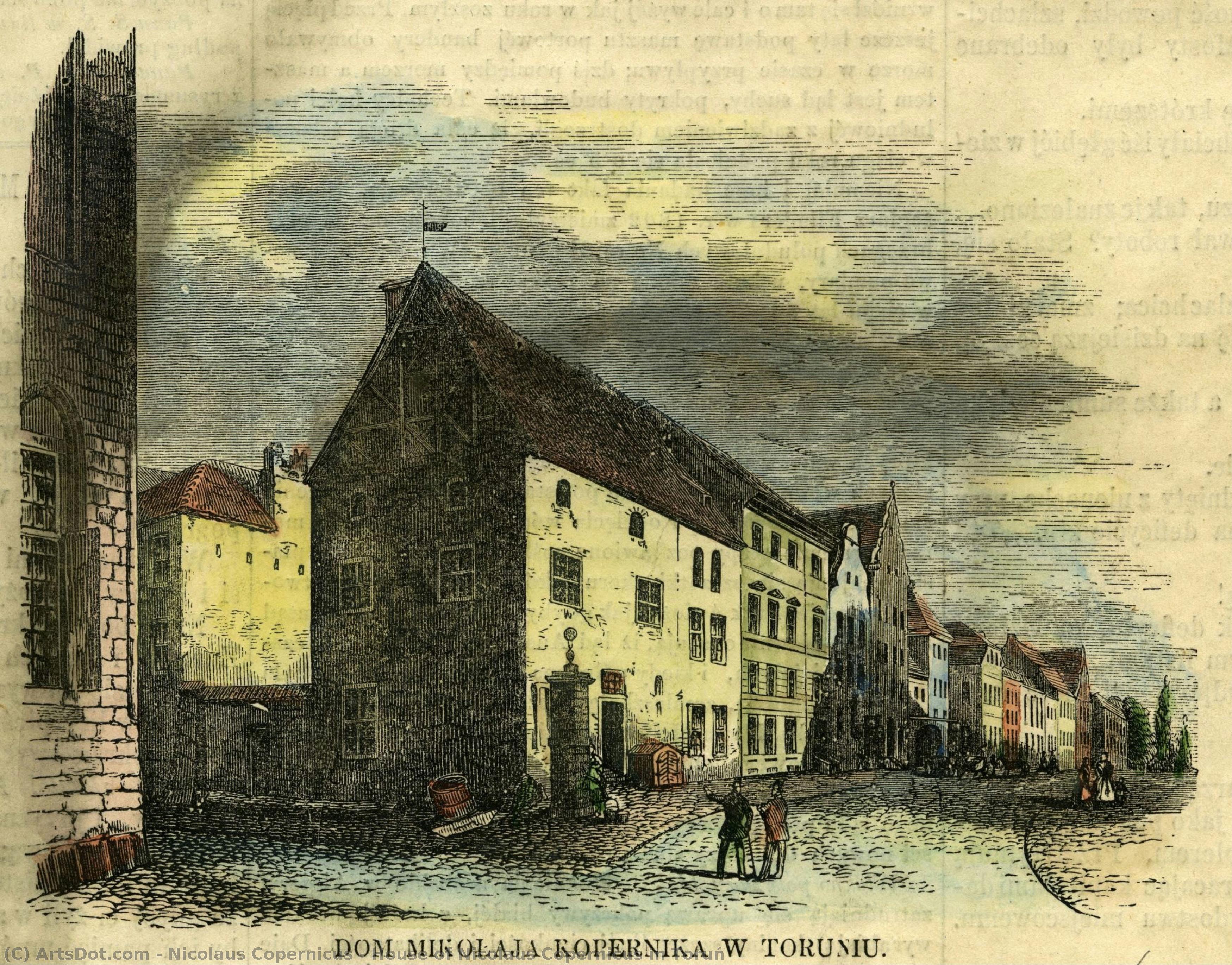
House of Nicolaus Copernicus in Toruń
 Drawing
- WallArt
 1800
1800- 19th Century
 11.0 x 14.0 cm
 Nicolaus Copernicus University in Toruń
 Читать далее
Приобретите цифровое изображение высокого разрешения в улучшенном качестве, которое значительно превосходит онлайн-превью.
Каждый файл тщательно подготавливается нашими специалистами с использованием передовых инструментов и экспертной ручной ретуши. Мы гарантируем исключительную четкость, точную цветопередачу и детальную проработку каждого изображения.
Финальный файл доставляется по электронной почте в течение 72 часов и оптимизирован для немедленного использования в профессиональной среде, при верстке и печати. Это тот же уровень качества, которому доверяют ведущие дизайнерские студии, издательства и галереи.
Цифровое изображение
Скачайте файл высокого разрешения для личного использования, печати и творческих проектов. ( Перейти к печати Купить картину ручной работы)
Включено в каждый заказ цифровых изображений
Гарантия экспертной цифровой доставки
Выбирая ArtsDot.com, вы получаете не просто изображение — вы приобретаете профессионально обработанное цифровое произведение искусства, созданное с безупречной точностью и под защитой гарантии качества. Вот всё, что автоматически входит в ваш заказ:

Мгновенная доставка по e-mail
Ваш цифровой файл в высоком разрешении будет отправлен вам по электронной почте в течение 72 часов после оформления заказа — и сразу станет доступен для использования.

Цифровой файл с ИИ-улучшением
Ваше произведение искусства проходит профессиональную оптимизацию с использованием передовых инструментов ИИ и ручной обработки, что гарантирует максимальную детализацию, четкость и точность цветопередачи.

Бессрочная бесплатная повторная доставка
Случайно удалили или потеряли файл? Не беспокойтесь — мы отправим его вам повторно в любое время и совершенно бесплатно.

Без импортных пошлин — навсегда
Наслаждайтесь вашим произведением искусства мгновенно без таможенных пошлин, сборов или затрат на доставку — цифровые загрузки всегда не облагаются налогом.

Гарантия точности цветопередачи
Мы гарантируем, что ваше цифровое изображение максимально точно передает оригинальные цвета благодаря использованию профессиональных инструментов и систем управления цветом.

Гарантия удовлетворенности 100 дней
Если вы не будете удовлетворены своим цифровым изображением, мы внесем правки или вернем 100% стоимости в течение 100 дней — без лишних вопросов.

100% Гарантия возврата средств
Не удовлетворены покупкой? Получите полный возврат средств в течение 100 дней после получения цифрового файла — без лишних вопросов.

Скидки на оптовые заказы
Купите 3 изображения, сэкономьте 10% — Купите 5, сэкономьте 15% — Купите 10+, сэкономьте 20%. Отличное решение для творческих проектов, галерей и агентств.
A Window into the Renaissance: The House of Nicolaus Copernicus
In this exquisite black and white drawing from 1800, we are transported back to a bygone era, standing before the venerable House of Nicolaus Copernicus in Toruń. The artwork serves as more than just a topographical record; it is a soulful meditation on history and architectural grandeur. Through delicate linework and masterful use of contrast, the artist captures the imposing brick structure of this legendary residence, complete with its iconic clock tower that pierny stands against the sky. The scene is alive with the quiet energy of the past, featuring figures dressed in period attire and a solitary horse in the background, all contributing to a profound sense of historical continuity and nostalgic depth.
The technique employed in this piece evokes the meticulous precision of classical etching. Every detail—from the intricate textures of the weathered masonry to the subtle shadows cast by the clock tower—is rendered with an eye for architectural truth. The absence of color directs the viewer's focus entirely toward form, light, and composition. This monochromatic approach lends the work a timeless quality, stripping away the distractions of modern hues to reveal the skeletal beauty and structural integrity of the Toruń landscape. For the discerning collector, this drawing offers a sophisticated study in light and shadow that commands attention through its sheer clarity and historical weight.
Beyond its aesthetic merits, the artwork carries immense symbolic resonance. As the birthplace of the man who dared to move the Earth and stop the Sun, this house represents the very cradle of the scientific revolution. The presence of people moving around the building suggests a living history, reminding us that great ideas are often born within the humble walls of domestic life. For interior designers and art enthusiasts alike, integrating a reproduction of such a piece into a space provides an intellectual anchor. It invites conversation about the intersection of science, art, and heritage, making it an ideal centerpiece for a library, a study, or a gallery wall dedicated to the triumphs of human intellect.
Owning a high-quality reproduction of this drawing is an opportunity to possess a fragment of the Renaissance spirit. It is a piece that resonates with those who appreciate the quiet power of historical landscapes and the enduring legacy of Nicolaus Copernicus. Whether used to evoke a sense of scholarly prestige or to add a layer of classical elegance to a contemporary room, this artwork remains a captivating tribute to one of history's most transformative eras.
Похожие произведения

Биография художника
The Architect of the Heavens: The Life and Legacy of Nicolaus Copernicus
In the twilight of the Middle Ages, a period defined by a geocentric view of existence where the Earth sat motionless at the center of all things, a brilliant mind emerged from Torün, Poland, to redraw the very map of the cosmos. Nicolaus Copernicus, known in his native tongue as Mikołaj Kopernik, was far more than a mere mathematician; he was a visionary whose intellectual courage dismantled centuries of scientific dogma. Born in 1473, his early life was steeped in the rich academic traditions of the University of Krakow, where he immersed himself in the rigorous disciplines of mathematics and astronomy. This foundational education allowed him to look beyond the surface of the night sky, seeking a deeper, more harmonious order within the celestial mechanics that govern our universe.
The intellectual journey of Copernicus was deeply influenced by the classical wisdom of antiquity. By studying the works of Greek philosophers such as Aristotle and Ptolemy, he gained the tools necessary to identify the profound flaws in the existing Ptolemaic system. While his contemporaries accepted a universe revolving around the Earth, Copernicus possessed the mathematical intuition to sense a different truth. His multidisciplinary expertise—spanning medicine, law, and diplomacy—provided him with a unique perspective, allowing him to approach astronomical problems with a holistic understanding of natural philosophy. This period of intense study and observation laid the groundwork for a revolution that would eventually shift the very axis of human thought.
The Heliocentric Revolution and Artistic Resonance
The culmination of Copernicus's life work arrived in 1543 with the publication of his magnum opus, De revolutionibus orbium coelestium (On the Revolutions of the Celestial Spheres). In this monumental text, he presented his heliocentric model, daringly proposing that the Sun, not the Earth, serves as the central point around which the planets revolve. This was not merely a scientific correction; it was a profound philosophical upheaval that stripped humanity of its perceived central position in the cosmos. The impact of this work was seismic, acting as the primary catalyst for the Scientific Revolution and forever altering the trajectory of modern science.
Beyond the mathematical proofs and astronomical diagrams, the legacy of Copernicus has been captured through the lens of art and engraving, preserving his image for posterity. The visual representation of his ideas often blends scientific precision with the aesthetic sensibilities of the Renaissance. For instance:
- The Portraiture of Genius: Engravings such as those by Jacob van Meurs serve to immortalize the astronomer, portraying him not just as a scholar, but as a figure of profound intellectual authority.
- Symbolic Diagrams: The artistic depictions of the heliocentric system act as visual narratives, translating complex orbital mechanics into accessible, evocative imagery that captures the movement of the spheres.
- Historical Documentation: Through various collections in institutions like the Kunstbibliothek in Berlin, the visual history of his contributions remains a vital part of European art and scientific heritage.
Today, the name Nicolaus Copernicus evokes a sense of awe for the power of human reason. His ability to look at the same stars as his predecessors, yet see an entirely different universe, remains one of the greatest achievements in human history. Through both his written word and the enduring artistic tributes that celebrate his intellect, Copernicus continues to inspire those who dare to challenge the status quo and seek the truth hidden within the infinite expanse of the heavens.
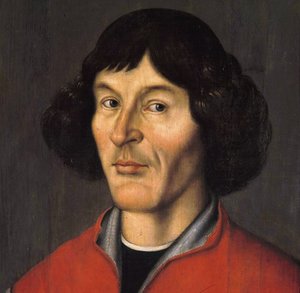
nicolaus copernicus
1473 - 1543 , Poland
Основные сведения
- Artists Who Influenced This Artist:
- Aristotle
- Ptolemy
- Date Of Birth: 1473
- Date Of Death: 1543
- Full Name: Nicolaus Copernicus
- Nationality: Polish
- Notable Artworks: ['De revolutionibus orbium coelestium']
- Place Of Birth: Toruń, Poland