Предпросмотр
 Поделиться
 Поделиться
 Детали произведения

 Скачать
 Похожие работы
 Рентгенография
 Слайд-шоу
 Статистика
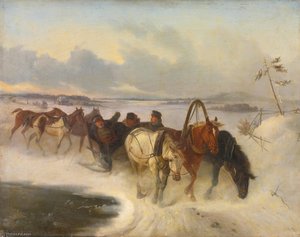
A Troika
 42.0 x 54.0 cm
 Читать далее
Жикле / Арт-принт
Печать (жикле) или холст музейного качества с быстрыми сроками изготовления и широким выбором вариантов отделки. ( Купить картину ручной работы Перейти к цифровым изображениям)
































Выберите один из наших стандартных размеров, соответствующих оригинальным пропорциям произведения искусства.

Вы можете указать свои собственные размеры, чтобы репродукция идеально подошла под конкретную раму или пространство. Если выбранный вами размер не будет соответствовать пропорциям оригинала, мы либо обрежем произведение, либо дополним изображение зеркальным отражением краев или однотонной заливкой. Перед началом производства вам будет отправлен цифровой макет для утверждения.
Пожалуйста, обратите внимание, что предварительный просмотр на экране не отображает фактическую обрезку или расширение изображения. Только макет точно покажет финальную композицию.
Несмотря на возможность заказа индивидуальных размеров, мы рекомендуем выбирать размер из предопределенного списка, чтобы сохранить оригинальные пропорции.
Доставка по всему миру () за 2 недели вместо стандартных 4/5 недель. (15 Сентябрь)

Бесплатная экспресс-доставка по всему миру

Высококачественный льняной холст

Полное страхование доставки

Гарантия возмещения таможенных пошлин

Гарантия точного соответствия цветов

100-дневная политика возврата (только при обнаружении дефектов)

Гарантия возврата 100% средств

Предложение оптовых скидок
 Вариант со стеклом доступен только для размеров менее 110 см

A Troika
Жикле / Арт-принт
Размер репродукции
-


Итоговая стоимость
$ 62
Похожие произведения









Биография художника
A Brush with the Russian Soul: The Life and Art of Nikolai Egorovich Sverchkov
Nikolai Egorovich Sverchkov (dates currently unavailable, but active in the 19th century) remains a compelling, though often overlooked, figure within the landscape of Russian Realism. His canvases breathe life into the everyday scenes of rural Russia – not through grand historical narratives or idealized portraits, but through an intimate and deeply felt portrayal of horses and their symbiotic relationship with the land and its people. While biographical details are scarce, piecing together his artistic trajectory reveals a master observer dedicated to capturing the essence of Russian life during a period of significant social and political change. Sverchkov wasn’t merely painting animals; he was documenting a way of life, preserving fleeting moments of beauty and labor before they were irrevocably altered by modernization. His work speaks volumes about the importance of the horse in Russian society – as a vital tool for transportation, agriculture, and even military prowess – but also hints at a deeper connection between humanity and nature.Early Influences and Artistic Development
The artistic climate of 19th-century Russia was one of burgeoning Realism, moving away from the romanticized depictions favored by earlier generations. Artists like Ilya Repin and Vasily Perov were championing social commentary through unflinching portrayals of peasant life, and it’s within this context that Sverchkov began to develop his unique style. While direct mentorship is undocumented, the influence of these Realist masters is palpable in Sverchkov's commitment to accuracy and detail. However, Sverchkov distinguished himself by focusing almost exclusively on equestrian subjects.- Early Training: Details regarding his formal artistic education remain elusive. It’s likely he received training at one of the Imperial Art Academies or through private lessons, common for aspiring artists of the time.
- The Rise of Realism: Sverchkov's work emerged during a period where artists sought to depict life as it truly was, rejecting idealized representations in favor of authenticity. This movement profoundly shaped his artistic vision.
- Focus on the Horse: Unlike many of his contemporaries who depicted broader social scenes, Sverchkov honed in on the horse, elevating this animal to a central subject worthy of detailed study and artistic expression.
Major Themes and Artistic Style
Sverchkov’s oeuvre is characterized by several recurring themes: the troika (a team of three horses harnessed side-by-side), scenes of horses in stables, and depictions of horses at work in fields or on roads. The troika, a symbol of Russian speed and freedom, appears frequently in his paintings, often depicted against vast, snow-covered landscapes. These works evoke a sense of both exhilaration and isolation, capturing the spirit of the open road and the challenges of life in a harsh climate.- The Troika as Symbol: Sverchkov’s troikas aren't simply depictions of transportation; they represent a romanticized vision of Russian travel and the country’s expansive landscapes.
- Stable Scenes: His paintings of horses in stables offer intimate glimpses into their daily lives, showcasing the bond between humans and animals. These scenes are often characterized by warm lighting and a sense of quiet intimacy.
- Realism and Detail: Sverchkov’s commitment to realism is evident in his meticulous attention to detail – from the texture of horsehair to the weathered wood of stable walls.
Historical Significance and Legacy
Although Sverchkov didn't achieve widespread fame during his lifetime, his work offers invaluable insights into 19th-century Russian life. His paintings serve as visual documents of a disappearing way of life – a time when horses were integral to the fabric of society. He captured not only the physical appearance of these animals but also their essential role in the economic and social structures of rural Russia.- Documenting Rural Life: Sverchkov’s paintings provide a valuable glimpse into the daily lives of peasants and the importance of horses in 19th-century Russian society.
- Preserving a Vanishing Culture: His work captures a moment in time before modernization irrevocably altered the landscape of rural Russia, preserving scenes that would otherwise have been lost to history.
- Influence on Equestrian Art: While not widely known, Sverchkov’s dedication to accurately portraying horses has influenced subsequent generations of equestrian artists.