

 Предпросмотр
 Поделиться
 Поделиться
 Детали произведения

 Скачать
 Похожие работы
 Рентгенография
 Слайд-шоу
 Статистика
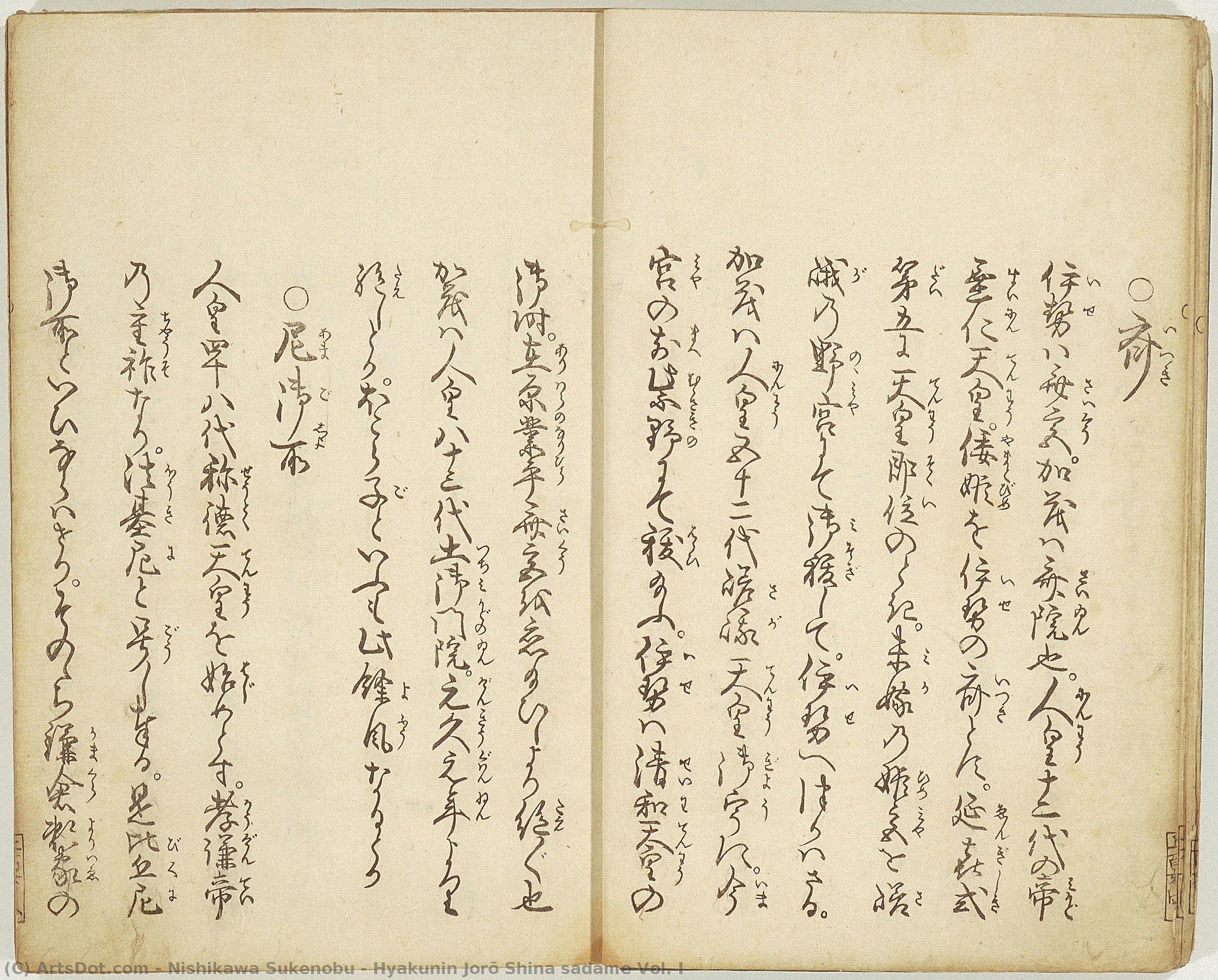
Hyakunin Jorō Shina sadame Vol. I
 Woodblock Print
- Ukiyo-e
 1723
1723- Early Modern
 30.0 x 21.0 cm
 Kyoto Prefectural Library and Archives
 Читать далее
Приобретите цифровое изображение высокого разрешения в улучшенном качестве, которое значительно превосходит онлайн-превью.
Каждый файл тщательно подготавливается нашими специалистами с использованием передовых инструментов и экспертной ручной ретуши. Мы гарантируем исключительную четкость, точную цветопередачу и детальную проработку каждого изображения.
Финальный файл доставляется по электронной почте в течение 72 часов и оптимизирован для немедленного использования в профессиональной среде, при верстке и печати. Это тот же уровень качества, которому доверяют ведущие дизайнерские студии, издательства и галереи.
Цифровое изображение
Скачайте файл высокого разрешения для личного использования, печати и творческих проектов. ( Перейти к печати Купить картину ручной работы)
Включено в каждый заказ цифровых изображений
Гарантия экспертной цифровой доставки
Выбирая ArtsDot.com, вы получаете не просто изображение — вы приобретаете профессионально обработанное цифровое произведение искусства, созданное с безупречной точностью и под защитой гарантии качества. Вот всё, что автоматически входит в ваш заказ:

Мгновенная доставка по e-mail
Ваш цифровой файл в высоком разрешении будет отправлен вам по электронной почте в течение 72 часов после оформления заказа — и сразу станет доступен для использования.

Цифровой файл с ИИ-улучшением
Ваше произведение искусства проходит профессиональную оптимизацию с использованием передовых инструментов ИИ и ручной обработки, что гарантирует максимальную детализацию, четкость и точность цветопередачи.

Бессрочная бесплатная повторная доставка
Случайно удалили или потеряли файл? Не беспокойтесь — мы отправим его вам повторно в любое время и совершенно бесплатно.

Без импортных пошлин — навсегда
Наслаждайтесь вашим произведением искусства мгновенно без таможенных пошлин, сборов или затрат на доставку — цифровые загрузки всегда не облагаются налогом.

Гарантия точности цветопередачи
Мы гарантируем, что ваше цифровое изображение максимально точно передает оригинальные цвета благодаря использованию профессиональных инструментов и систем управления цветом.

Гарантия удовлетворенности 100 дней
Если вы не будете удовлетворены своим цифровым изображением, мы внесем правки или вернем 100% стоимости в течение 100 дней — без лишних вопросов.

100% Гарантия возврата средств
Не удовлетворены покупкой? Получите полный возврат средств в течение 100 дней после получения цифрового файла — без лишних вопросов.

Скидки на оптовые заказы
Купите 3 изображения, сэкономьте 10% — Купите 5, сэкономьте 15% — Купите 10+, сэкономьте 20%. Отличное решение для творческих проектов, галерей и агентств.
A Whisper from the Imperial Capital
In the delicate interplay of ink and aged paper, Hyakunin Jorō Shina sadame Vol. I serves as a profound window into the soul of early 18th-century Japan. Created in 1723 by the Kyoto master Nishikawa Sukenobu, this work transcends mere documentation, offering instead an intimate encounter with the tactile history of the Edo period. The piece presents a close-up view of an ancient text, where the rhythmic flow of Japanese characters dances across weathered pages. There is a palpable sense of reverence in the way the light catches the texture of the worn paper, inviting the viewer to lean in and decipher the silent stories held within these meticulously preserved lines.
Unlike the vibrant, often boisterous prints emerging from the bustling streets of Edo during this era, Sukenobu’s work carries the refined, understated elegance characteristic of the Kyoto school. This volume is not merely a book; it is a testament to the artistry of book design and the preservation of cultural memory. The composition focuses our attention on the density of the script, suggesting a wealth of knowledge and a deep respect for tradition. For the collector or the lover of antiquities, this piece evokes a sense of scholarly quietude, making it an ideal centerpiece for spaces dedicated to contemplation, study, or the appreciation of fine historical artifacts.
The Artistry of the Kyoto Master
To understand the emotional resonance of this work, one must consider the hand of Nishikawa Sukenobu. As a master rooted in the imperial capital of Kyoto, his aesthetic was deeply influenced by the sophisticated traditions of the Kanō school and the subtle nuances of classical Japanese beauty. In Hyakuning Jorō Shina sadame, we see this mastery reflected in the balance between the complexity of the text and the organic, aged texture of the medium. The technique emphasizes the "warmth" of antiquity—a deliberate celebration of the patina that time bestows upon precious objects.
The visual impact of the piece lies in its ability to transform a scholarly subject into a work of pure aesthetic grace. For interior designers seeking to infuse a room with a sense of timelessness and intellectual depth, this reproduction offers more than just decoration; it provides an atmosphere. The neutral, earthy tones of the aged paper harmonize beautifully with contemporary minimalist settings or more traditional, opulent decors alike. It acts as a bridge between the past and the present, bringing the quiet dignity of 1723 into the modern home through the evocative power of Ukiyo-e artistry.
Похожие произведения
Биография художника
Nishikawa Sukenobu: A Kyoto Master of Female Beauty
Nishikawa Sukenobu (西川祐信; 1671 – August 20, 1750), often referred to simply as “sukenobu,” stands apart from many of his contemporaries in the Ukiyo-e movement. Unlike most artists who flocked to Edo (modern Tokyo), sukenobu remained rooted in Kyoto—the imperial capital—a distinction that profoundly shaped his artistic vision and enduring legacy. He wasn’t merely a printmaker; he was a meticulous book designer, capturing the essence of Japanese culture through exquisitely rendered images. His fame rests primarily on his captivating depictions of women, particularly those portraying them in everyday life – a subject rarely explored with such sensitivity and nuance during his era.- Early Life & Training: Sukenobu’s formative years were spent studying painting under the tutelage of prominent masters from two influential schools: Kanō Einō, championing Chinese artistic traditions and techniques emphasizing grandeur and symbolism, and Tosa Mitsusuke, who favored a more humanist approach rooted in Japanese aesthetics. This dual training instilled in him a sophisticated understanding of both Eastern and Western artistic principles.
- Early Works & Style: Sukenobu’s artistic journey commenced around 1699 with book illustrations—a hallmark of his style—demonstrating an early mastery of composition and color palettes. Notably, his signed print “Seven-Volume Shin Kanninki” (“New Patience Story”) exemplifies his distinctive aesthetic: serene landscapes interwoven with graceful figures, reflecting a profound appreciation for natural beauty.
The Hyakunin Joro Series & Its Impact
Sukenobu’s magnum opus—the Hyakunin Joro shinasadame (appreciating 100 women)—published in two volumes in 1723, cemented his reputation as a pioneer in portraying female subjects. This ambitious project aimed to celebrate the diversity of femininity across social strata, ranging from empresses to courtesans. The series’ remarkable success underscored the public's fascination with depictions of women and established sukenobu as a pivotal figure in shaping Ukiyo-e conventions concerning female representation. It showcased his ability to convey emotion and psychological depth—a rare accomplishment for printmakers of his time.- Technique & Aesthetic Considerations: Sukenobu’s technique involved meticulous attention to detail, utilizing subtle gradations of color and masterful brushwork to achieve unparalleled realism. He skillfully employed perspective and shading to create immersive scenes that captured the atmosphere of daily life—a stylistic hallmark distinguishing him from many other artists.
- Influence on Subsequent Artists: Sukenobu’s influence extended far beyond his own lifetime, inspiring subsequent generations of printmakers like Suzuki Harunobu and Kitao Shigemasa. His approach to portraying women – prioritizing psychological realism and capturing the nuances of human emotion—became a cornerstone of Japanese art history.
Notable Paintings & Beyond Printmaking
Beyond his celebrated prints, Sukenobu produced an impressive array of paintings encompassing kimono patterns, samurai portraits, illustrations of classical literature, and landscapes. These works demonstrate his versatility as an artist and underscore his commitment to exploring diverse artistic mediums—a testament to his intellectual curiosity and artistic ambition.- Legacy & Recognition: Nishikawa Sukenobu’s enduring legacy resides in his contribution to Japanese art history, particularly his groundbreaking portrayal of women. His Hyakunin Joro series continues to captivate audiences today, serving as a poignant reflection on the beauty and complexity of human experience.
Concluding Thoughts
Nishikawa Sukenobu’s unwavering dedication to capturing the essence of Japanese culture through his art—particularly his masterful depictions of women—solidifies his position as one of Ukiyo-e's most influential and aesthetically profound figures. His work transcends mere visual representation; it embodies a deep understanding of human psychology and an exquisite appreciation for the subtleties of natural beauty, ensuring his place in the annals of Japanese artistic achievement.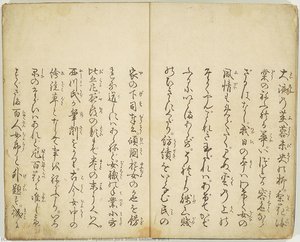
nishikawa sukenobu
1671 - 1750
Основные сведения
- Artistic Movement Or Style: Ukiyo-e
- Artists Or Movements Influenced By This Artist:
- Suzuki Harunobu
- Kitao Shigemasa
- Artists Who Influenced This Artist:
- Kanō Einō
- Tosa Mitsusuke
- Date Of Death: August 20, 1750
- Full Name: Nishikawa Sukenobu
- Nationality: Japanese
- Notable Artworks:
- Woman and Attendant
- The God Izanagi and Goddess Izanami
- Place Of Birth: Kyoto