

 Предпросмотр
 Поделиться
 Поделиться
 Детали произведения

 Скачать
 Похожие работы
 Рентгенография
 Слайд-шоу
 Статистика
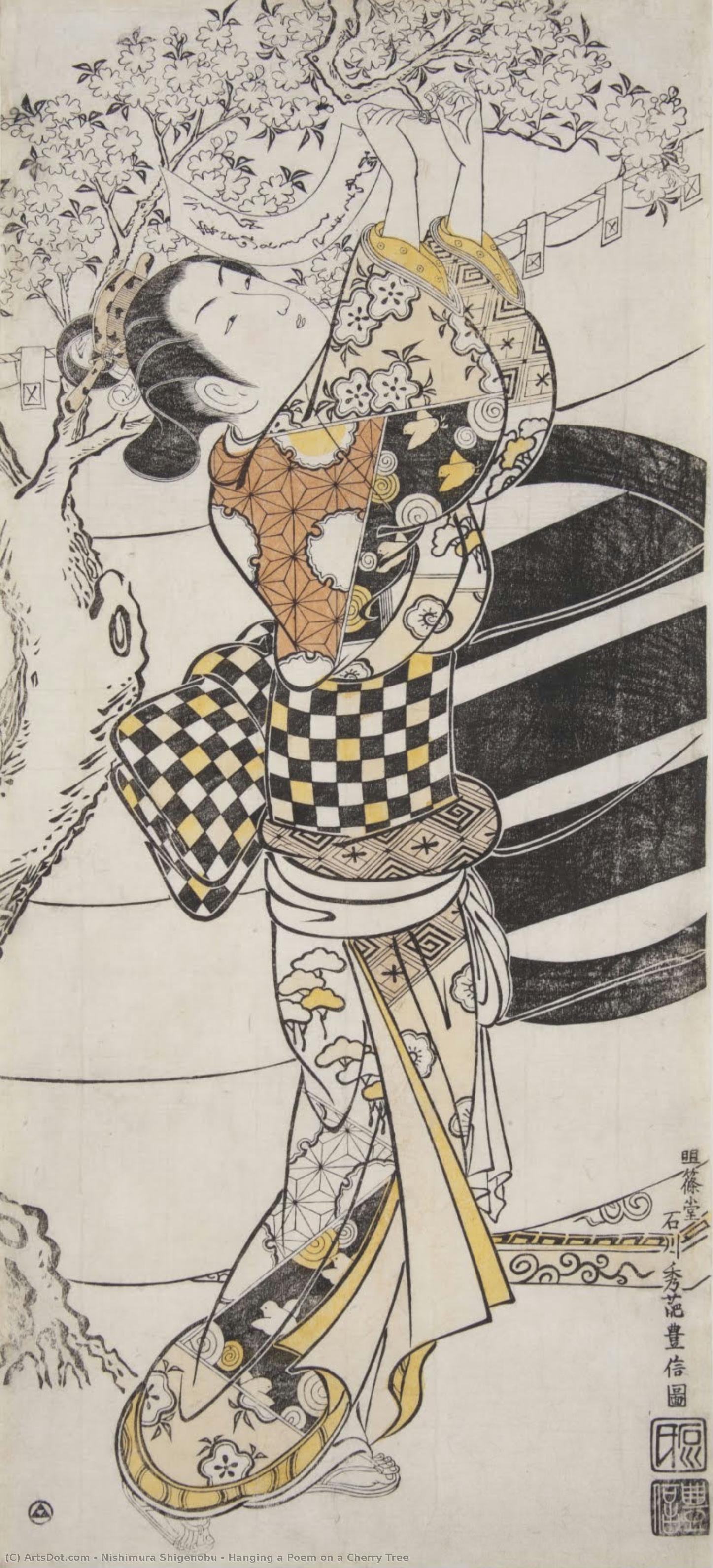
Hanging a Poem on a Cherry Tree


 Читать далее
Приобретите цифровое изображение высокого разрешения в улучшенном качестве, которое значительно превосходит онлайн-превью.
Каждый файл тщательно подготавливается нашими специалистами с использованием передовых инструментов и экспертной ручной ретуши. Мы гарантируем исключительную четкость, точную цветопередачу и детальную проработку каждого изображения.
Финальный файл доставляется по электронной почте в течение 72 часов и оптимизирован для немедленного использования в профессиональной среде, при верстке и печати. Это тот же уровень качества, которому доверяют ведущие дизайнерские студии, издательства и галереи.
Цифровое изображение
Скачайте файл высокого разрешения для личного использования, печати и творческих проектов. ( Перейти к печати Купить картину ручной работы)
Включено в каждый заказ цифровых изображений
Гарантия экспертной цифровой доставки
Выбирая ArtsDot.com, вы получаете не просто изображение — вы приобретаете профессионально обработанное цифровое произведение искусства, созданное с безупречной точностью и под защитой гарантии качества. Вот всё, что автоматически входит в ваш заказ:

Мгновенная доставка по e-mail
Ваш цифровой файл в высоком разрешении будет отправлен вам по электронной почте в течение 72 часов после оформления заказа — и сразу станет доступен для использования.

Цифровой файл с ИИ-улучшением
Ваше произведение искусства проходит профессиональную оптимизацию с использованием передовых инструментов ИИ и ручной обработки, что гарантирует максимальную детализацию, четкость и точность цветопередачи.

Бессрочная бесплатная повторная доставка
Случайно удалили или потеряли файл? Не беспокойтесь — мы отправим его вам повторно в любое время и совершенно бесплатно.

Без импортных пошлин — навсегда
Наслаждайтесь вашим произведением искусства мгновенно без таможенных пошлин, сборов или затрат на доставку — цифровые загрузки всегда не облагаются налогом.

Гарантия точности цветопередачи
Мы гарантируем, что ваше цифровое изображение максимально точно передает оригинальные цвета благодаря использованию профессиональных инструментов и систем управления цветом.

Гарантия удовлетворенности 100 дней
Если вы не будете удовлетворены своим цифровым изображением, мы внесем правки или вернем 100% стоимости в течение 100 дней — без лишних вопросов.

100% Гарантия возврата средств
Не удовлетворены покупкой? Получите полный возврат средств в течение 100 дней после получения цифрового файла — без лишних вопросов.

Скидки на оптовые заказы
Купите 3 изображения, сэкономьте 10% — Купите 5, сэкономьте 15% — Купите 10+, сэкономьте 20%. Отличное решение для творческих проектов, галерей и агентств.
Похожие произведения






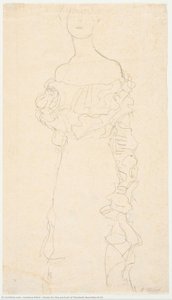
Биография художника
A Master of Transience: The World of Nishimura Shigenobu (Ishikawa Toyonobu)
The Edo period in Japan witnessed an explosion of artistic creativity, and within the vibrant landscape of *ukiyo-e* – “pictures of the floating world” – emerged artists who captured the ephemeral beauty of life with remarkable skill. Among them stands Nishimura Shigenobu, also known as Ishikawa Toyonobu (1711–1785), a figure whose work embodies both the elegance and subtle sensuality characteristic of early *ukiyo-e*. While biographical details remain somewhat elusive, piecing together his artistic trajectory reveals a master printmaker deeply influenced by his predecessors yet forging his own distinct path. Born in Tokyo, Toyonobu’s career unfolded during a pivotal moment in the development of woodblock printing, bridging the gap between earlier monochrome styles and the burgeoning world of full-color *nishiki-e*. He is often considered to have been the same person as Nishimura Shigenobu, a contemporary artist and student of Nishimura Shigenaga.Early Influences and the Lacquered Print
Toyonobu’s artistic education began under the tutelage of Nishimura Shigenaga, a pupil of the renowned Okumura Masanobu. This lineage is crucial to understanding his early work. Masanobu was a pioneer in *urushi-e*, or “lacquered prints,” a technique involving the application of black lacquer to woodblocks, creating images with a striking sheen and depth. Toyonobu wholeheartedly embraced this method, producing numerous monochrome prints that showcased the influence of his mentor’s style. These early works frequently depicted *yakusha-e* – portraits of actors – and *bijin-ga*, beautiful women, often courtesans. A hallmark of these compositions was a deliberate stillness, an impassivity in the faces of the subjects reminiscent of the Kaigetsudō school's aesthetic. The figures exuded a refined grace, their beauty rendered with meticulous detail and a subtle air of mystery. He skillfully captured the essence of his subjects, focusing on elegant poses and expressive gestures rather than overt displays of emotion.Exploring Sensuality and the Limits of Representation
As Toyonobu’s career progressed, he began to experiment with more suggestive themes. While not abandoning his signature style, he ventured into depicting semi-nude figures – a practice common among *ukiyo-e* artists of the time. These images, however, were never intended as explicit representations but rather as carefully constructed studies in form and allure. Richard Lane, a prominent art historian, notes that these works aimed to be “suggestive and erotic” rather than a straightforward “glorification of the human form.” The compositions often featured women with the upper portion of their kimonos deliberately loosened, revealing glimpses of their breasts – a technique designed to tantalize without fully exposing. This delicate balance between suggestion and restraint speaks to the complex social context in which Toyonobu operated, navigating the boundaries of acceptable imagery within the constraints of Edo-period morality.The Transition to Color Printing and Legacy
Later in his career, Toyonobu became a leading producer of *benizuri-e*, or “rose prints,” employing multiple blocks to achieve richer color palettes. However, his foray into full-color printing – the revolutionary *nishiki-e* pioneered by Suzuki Harunobu around 1765 – was relatively short-lived. He largely ceased producing *ukiyo-e* shortly after Harunobu’s innovations gained prominence. Despite this shift, Toyonobu's contribution to the art form remains significant. His mastery of monochrome printing, his elegant depictions of courtesans and actors, and his subtle exploration of sensuality laid the groundwork for future generations of *ukiyo-e* artists. He left behind a notable pupil, Ishikawa Toyomasa, who is celebrated for his charming portrayals of children at play – perhaps even a son of Toyonobu himself. Through his work, Nishimura Shigenobu (Ishikawa Toyonobu) offers us a glimpse into the fleeting world of Edo-period Japan, capturing its beauty, grace, and underlying currents of desire with unparalleled skill and sensitivity.Major Achievements & Historical Significance
- Pioneering Lacquered Prints: Toyonobu’s early mastery of *urushi-e* established him as a leading figure in the development of monochrome woodblock printing.
- Elegant Bijin-ga & Yakusha-e: His refined depictions of courtesans and actors set a high standard for portraiture within the *ukiyo-e* genre, emphasizing grace and expressive detail.
- Subtle Sensuality: Toyonobu’s exploration of suggestive themes demonstrated a nuanced understanding of social boundaries and artistic expression.
- Bridging Generations: He served as a crucial link between the earlier monochrome styles of *ukiyo-e* and the burgeoning world of full-color printing, influencing subsequent artists like Harunobu.
- Influence on Toyomasa: His mentorship of Ishikawa Toyomasa ensured the continuation of his artistic legacy, with Toyomasa becoming known for his unique style of depicting children.
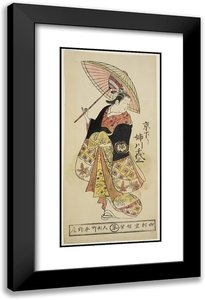
nishimura shigenobu
1711 - 1785 , Japan
Основные сведения
- Artistic Movement Or Style: Ukiyo-e (Lacquer Print Art)
- Artists Or Movements Influenced By This Artist: ['Suzuki Harunobu']
- Artists Who Influenced This Artist:
- Okumura Masanobu
- Nishimura Shigenaga
- Date Of Birth: 1711
- Date Of Death: July 1, 1785
- Full Name: Ishikawa Toyonobu (also known as Nishimura Shigenobu)
- Nationality: Japanese
- Notable Artworks:
- Hanging a Poem on a Cherry Tree
- Courtesan Reading a Letter
- Place Of Birth: Tokyo, Japan