

 Предпросмотр
 Поделиться
 Поделиться
 Детали произведения

 Скачать
 Похожие работы
 Рентгенография
 Слайд-шоу
 Статистика
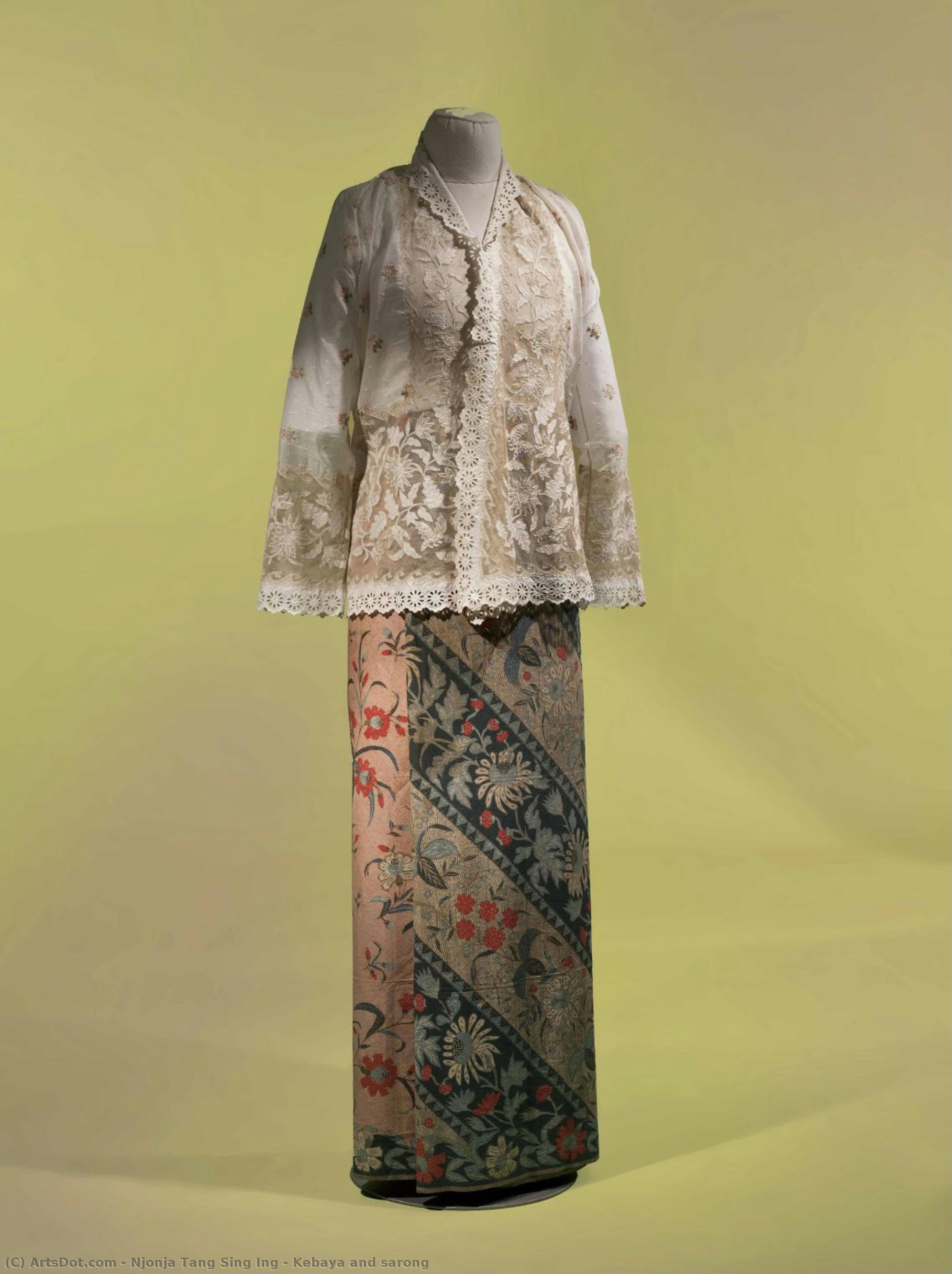
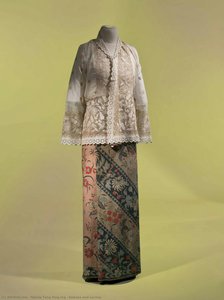
Kebaya and sarong


 Читать далее
Приобретите цифровое изображение высокого разрешения в улучшенном качестве, которое значительно превосходит онлайн-превью.
Каждый файл тщательно подготавливается нашими специалистами с использованием передовых инструментов и экспертной ручной ретуши. Мы гарантируем исключительную четкость, точную цветопередачу и детальную проработку каждого изображения.
Финальный файл доставляется по электронной почте в течение 72 часов и оптимизирован для немедленного использования в профессиональной среде, при верстке и печати. Это тот же уровень качества, которому доверяют ведущие дизайнерские студии, издательства и галереи.
Цифровое изображение
Скачайте файл высокого разрешения для личного использования, печати и творческих проектов. ( Перейти к печати Купить картину ручной работы)
Включено в каждый заказ цифровых изображений
Гарантия экспертной цифровой доставки
Выбирая ArtsDot.com, вы получаете не просто изображение — вы приобретаете профессионально обработанное цифровое произведение искусства, созданное с безупречной точностью и под защитой гарантии качества. Вот всё, что автоматически входит в ваш заказ:

Мгновенная доставка по e-mail
Ваш цифровой файл в высоком разрешении будет отправлен вам по электронной почте в течение 72 часов после оформления заказа — и сразу станет доступен для использования.

Цифровой файл с ИИ-улучшением
Ваше произведение искусства проходит профессиональную оптимизацию с использованием передовых инструментов ИИ и ручной обработки, что гарантирует максимальную детализацию, четкость и точность цветопередачи.

Бессрочная бесплатная повторная доставка
Случайно удалили или потеряли файл? Не беспокойтесь — мы отправим его вам повторно в любое время и совершенно бесплатно.

Без импортных пошлин — навсегда
Наслаждайтесь вашим произведением искусства мгновенно без таможенных пошлин, сборов или затрат на доставку — цифровые загрузки всегда не облагаются налогом.

Гарантия точности цветопередачи
Мы гарантируем, что ваше цифровое изображение максимально точно передает оригинальные цвета благодаря использованию профессиональных инструментов и систем управления цветом.

Гарантия удовлетворенности 100 дней
Если вы не будете удовлетворены своим цифровым изображением, мы внесем правки или вернем 100% стоимости в течение 100 дней — без лишних вопросов.

100% Гарантия возврата средств
Не удовлетворены покупкой? Получите полный возврат средств в течение 100 дней после получения цифрового файла — без лишних вопросов.

Скидки на оптовые заказы
Купите 3 изображения, сэкономьте 10% — Купите 5, сэкономьте 15% — Купите 10+, сэкономьте 20%. Отличное решение для творческих проектов, галерей и агентств.
Похожие произведения

Биография художника
Njonja Tang Sing Ing: Threads of Singaporean Identity
The world of textile art often reveals quiet narratives, and the work of Njonja Tang Sing Ing is no exception. Emerging from the vibrant cultural landscape of early 20th-century Singapore, she stands as a compelling figure in the history of embroidery – an artist who wove together threads of tradition, personal experience, and the evolving identity of her nation. Despite a relative lack of readily available biographical details, Njonja’s legacy endures through a single, profoundly evocative piece: ‘Kebaya and Sarong,’ created in 1925. This work isn't merely a decorative textile; it’s a visual poem capturing the essence of Peranakan culture – a unique blend of Chinese and Malay influences that shaped Singapore’s social fabric.
Born in Singapore, likely around 1890 (though precise dates remain elusive), Njonja's life unfolded during a period of significant transformation for the island. Colonial rule was firmly established, yet a dynamic cultural exchange flourished between Chinese immigrants, indigenous Malays, and European settlers. This confluence of traditions found expression in fashion, cuisine, and, crucially, art. Embroidery, particularly the intricate detailing of *kebayas* (traditional Malay blouses) and *sarongs* (rectangular cloths worn wrapped around the body), became a powerful medium for showcasing this hybrid heritage. It’s believed she was part of a community of women who practiced this craft, passing down techniques through generations – a testament to the enduring strength of oral tradition.
The ‘Kebaya and Sarong’: A Window into Peranakan Life
'Kebaya and Sarong' is more than just a beautiful textile; it’s a carefully constructed narrative. The piece depicts a woman adorned in traditional Peranakan attire, her movements suggesting grace and dignity. The vibrant colors – rich reds, deep blues, and intricate gold detailing – immediately draw the eye, reflecting the opulence and celebratory nature of Peranakan culture. The *kebaya*, with its elaborate embroidery and layered sleeves, speaks to a sense of formality and status, while the *sarong* reveals a more relaxed, everyday aesthetic. The meticulous stitching isn’t simply decorative; it's imbued with symbolic meaning – each motif likely representing elements of Peranakan beliefs, customs, or family history.
Analyzing the embroidery itself offers clues to Njonja’s artistic vision. The patterns are not purely ornamental; they incorporate stylized floral designs, geometric shapes, and auspicious symbols drawn from both Chinese and Malay traditions. The use of gold thread – a precious commodity at the time – further elevates the piece, signifying wealth, prosperity, and good fortune. It's speculated that Njonja may have incorporated elements reflecting her own family’s history or social standing within the Peranakan community.
Technique and Influences
While specific details about Njonja Tang Sing Ing’s training remain scarce, it is reasonable to assume she learned her craft through apprenticeship and familial practice. The techniques employed in ‘Kebaya and Sarong’ are characteristic of Peranakan embroidery – a style known for its exceptional detail, vibrant colors, and complex layering. The use of silk threads, often sourced from China, combined with cotton or linen fabrics, created a luxurious texture and visual impact. Furthermore, the piece demonstrates an understanding of perspective and spatial relationships, achieved through careful placement of motifs and shading techniques.
It’s important to note that Njonja's work was influenced by broader artistic trends of the time. The rise of European decorative arts during the colonial period introduced new motifs and techniques, which were then adapted and reinterpreted within a Peranakan context. Similarly, traditional Chinese embroidery styles – particularly those associated with courtly art – likely informed her design choices. However, Njonja’s work transcends mere imitation; she skillfully synthesized these influences to create a distinctly Singaporean aesthetic.
Legacy and Significance
Despite the limited biographical information available, Njonja Tang Sing Ing's ‘Kebaya and Sarong’ remains a significant artifact in the history of Singaporean art. It serves as a tangible reminder of the rich cultural heritage that shaped the island nation – a heritage rooted in the dynamic interplay between Chinese, Malay, and European influences. Her work highlights the vital role played by women artisans in preserving and transmitting traditions through their craft. The piece’s continued presence within the Wahoo Art database and its occasional display underscore its enduring value as a cultural treasure.
Further research into Peranakan communities and archives may one day shed more light on Njonja Tang Sing Ing's life and artistic practice, solidifying her place as a pivotal figure in Singapore’s artistic narrative. Her legacy lies not only in the exquisite beauty of ‘Kebaya and Sarong,’ but also in its ability to evoke a sense of nostalgia for a bygone era – an era when threads of tradition were woven into the very fabric of Singaporean identity.
njonja tang sing ing
Singapore
Основные сведения
- Artistic Movement Or Style: Embroidery
- Full Name: Njonja Tang Sing Ing
- Nationality: Singaporean
- Notable Artworks: ['Kebaya and Sarong']
- Place Of Birth: Singapore