

 Предпросмотр
 Поделиться
 Поделиться
 Детали произведения

 Скачать
 Похожие работы
 Рентгенография
 Слайд-шоу
 Статистика
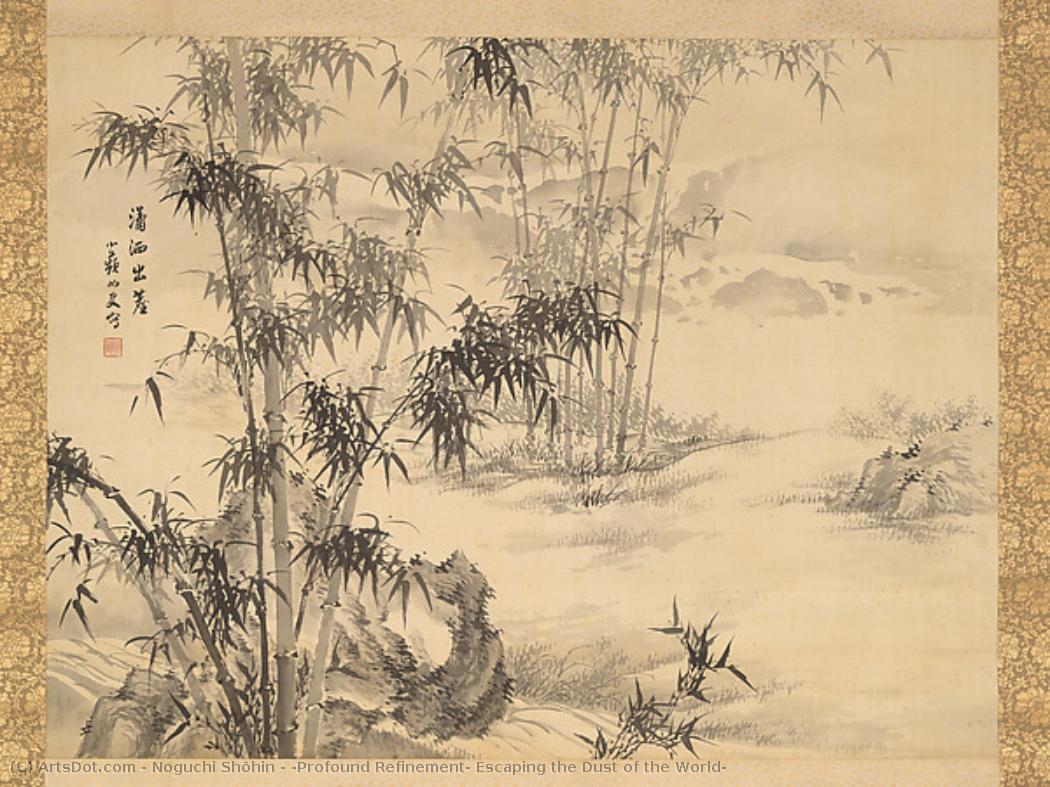
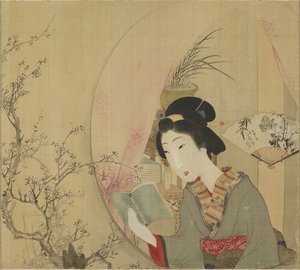
“Profound Refinement, Escaping the Dust of the World”
 1910
1910 117.0 x 155.0 cm
 Читать далее
Приобретите цифровое изображение высокого разрешения в улучшенном качестве, которое значительно превосходит онлайн-превью.
Каждый файл тщательно подготавливается нашими специалистами с использованием передовых инструментов и экспертной ручной ретуши. Мы гарантируем исключительную четкость, точную цветопередачу и детальную проработку каждого изображения.
Финальный файл доставляется по электронной почте в течение 72 часов и оптимизирован для немедленного использования в профессиональной среде, при верстке и печати. Это тот же уровень качества, которому доверяют ведущие дизайнерские студии, издательства и галереи.
Цифровое изображение
Скачайте файл высокого разрешения для личного использования, печати и творческих проектов. ( Перейти к печати Купить картину ручной работы)
Включено в каждый заказ цифровых изображений
Гарантия экспертной цифровой доставки
Выбирая ArtsDot.com, вы получаете не просто изображение — вы приобретаете профессионально обработанное цифровое произведение искусства, созданное с безупречной точностью и под защитой гарантии качества. Вот всё, что автоматически входит в ваш заказ:

Мгновенная доставка по e-mail
Ваш цифровой файл в высоком разрешении будет отправлен вам по электронной почте в течение 72 часов после оформления заказа — и сразу станет доступен для использования.

Цифровой файл с ИИ-улучшением
Ваше произведение искусства проходит профессиональную оптимизацию с использованием передовых инструментов ИИ и ручной обработки, что гарантирует максимальную детализацию, четкость и точность цветопередачи.

Бессрочная бесплатная повторная доставка
Случайно удалили или потеряли файл? Не беспокойтесь — мы отправим его вам повторно в любое время и совершенно бесплатно.

Без импортных пошлин — навсегда
Наслаждайтесь вашим произведением искусства мгновенно без таможенных пошлин, сборов или затрат на доставку — цифровые загрузки всегда не облагаются налогом.

Гарантия точности цветопередачи
Мы гарантируем, что ваше цифровое изображение максимально точно передает оригинальные цвета благодаря использованию профессиональных инструментов и систем управления цветом.

Гарантия удовлетворенности 100 дней
Если вы не будете удовлетворены своим цифровым изображением, мы внесем правки или вернем 100% стоимости в течение 100 дней — без лишних вопросов.

100% Гарантия возврата средств
Не удовлетворены покупкой? Получите полный возврат средств в течение 100 дней после получения цифрового файла — без лишних вопросов.

Скидки на оптовые заказы
Купите 3 изображения, сэкономьте 10% — Купите 5, сэкономьте 15% — Купите 10+, сэкономьте 20%. Отличное решение для творческих проектов, галерей и агентств.
Похожие произведения



Биография художника
Noguchi Shōhin: Life and Legacy
Early Life and Imperial Patronage
Noguchi Shōhin (野口小蘋), born in Osaka Prefecture, Japan in 1847, was a pioneering Japanese painter who left an indelible mark on the art world. She rose to prominence during the late Edo and Meiji periods, a time of significant social and artistic change in Japan. Her talent quickly garnered attention, leading to her appointment as an Imperial Household Artist in 1904 – a prestigious position reserved for the most distinguished artists serving the Japanese imperial family.
Artistic Collaborations and Influences
Shōhin’s artistic journey was significantly shaped by key relationships. Her friendship with statesman Kido Takayoshi proved particularly fruitful, resulting in collaborative paintings known as gassaku. These works seamlessly blended text and images, showcasing a unique synergy between calligraphy and painting. She also benefited from the patronage of Okuhara Seiko, further solidifying her position within the Japanese art scene.
- Studied bird-and-flower and landscape painting with artist Hine Taizan in Kyoto.
- Developed a distinctive style influenced by traditional Japanese aesthetics and contemporary trends.
Notable Works and Artistic Style
One of Noguchi Shōhin’s most celebrated works is “Profound Refinement, Escaping the Dust of the World,” a masterful example of bold ink painting. Her style is characterized by refined brushwork, delicate compositions, and a subtle yet powerful emotional resonance. She frequently depicted women in roles traditionally reserved for men – as literati engaged in scholarly pursuits like playing music or practicing calligraphy – suggesting a progressive outlook on gender roles within her society.
Legacy and Impact on Nihonga
Noguchi Shōhin’s trailblazing career paved the way for future generations of female artists in Japan. Her work significantly contributed to the development of Nihonga, a style of painting that emerged during the Meiji period, characterized by its use of mineral pigments and organic materials on silk or paper. Nihonga sought to revitalize traditional Japanese art forms while incorporating elements of Western artistic techniques.
Family and Continued Artistic Lineage
Shōhin’s influence extended beyond her own artistic achievements. Her daughters, Iku and Shokei, followed in her footsteps, becoming accomplished artists themselves, ensuring the continuation of her artistic legacy.
Exhibitions and Historical Significance
Noguchi Shōhin’s work has been exhibited at prestigious institutions such as the Yamanashi Prefectural Museum of Art (1982), solidifying her place in Japanese art history. Her paintings offer valuable insights into the social, cultural, and artistic landscape of late 19th and early 20th century Japan, making her a significant figure for scholars and art enthusiasts alike.
noguchi shōhin
1847 - 1917 , Japan
Основные сведения
- Birth Date: 1847
- Birth Place: Osaka Prefecture, Japan
- Death Date: 1917
- Influenced: Iku Noguchi, Shokei Noguchi
- Influenced By: Hine Taizan
- Movement: Nihonga
- Name: Noguchi Shōhin
- Nationality: Japanese
- Notable Works: Profound Refinement, Escaping the Dust of the World