


 Предпросмотр
 Поделиться
 Поделиться
 Детали произведения

 Скачать
 Похожие работы
 Рентгенография
 Слайд-шоу
 Статистика
Kabuki Play Kusazuribiki from the Tales of Soga (Soga monogatari)


 Читать далее
Приобретите цифровое изображение высокого разрешения в улучшенном качестве, которое значительно превосходит онлайн-превью.
Каждый файл тщательно подготавливается нашими специалистами с использованием передовых инструментов и экспертной ручной ретуши. Мы гарантируем исключительную четкость, точную цветопередачу и детальную проработку каждого изображения.
Финальный файл доставляется по электронной почте в течение 72 часов и оптимизирован для немедленного использования в профессиональной среде, при верстке и печати. Это тот же уровень качества, которому доверяют ведущие дизайнерские студии, издательства и галереи.
Цифровое изображение
Скачайте файл высокого разрешения для личного использования, печати и творческих проектов. ( Перейти к печати Купить картину ручной работы)
Включено в каждый заказ цифровых изображений
Гарантия экспертной цифровой доставки
Выбирая ArtsDot.com, вы получаете не просто изображение — вы приобретаете профессионально обработанное цифровое произведение искусства, созданное с безупречной точностью и под защитой гарантии качества. Вот всё, что автоматически входит в ваш заказ:

Мгновенная доставка по e-mail
Ваш цифровой файл в высоком разрешении будет отправлен вам по электронной почте в течение 72 часов после оформления заказа — и сразу станет доступен для использования.

Цифровой файл с ИИ-улучшением
Ваше произведение искусства проходит профессиональную оптимизацию с использованием передовых инструментов ИИ и ручной обработки, что гарантирует максимальную детализацию, четкость и точность цветопередачи.

Бессрочная бесплатная повторная доставка
Случайно удалили или потеряли файл? Не беспокойтесь — мы отправим его вам повторно в любое время и совершенно бесплатно.

Без импортных пошлин — навсегда
Наслаждайтесь вашим произведением искусства мгновенно без таможенных пошлин, сборов или затрат на доставку — цифровые загрузки всегда не облагаются налогом.

Гарантия точности цветопередачи
Мы гарантируем, что ваше цифровое изображение максимально точно передает оригинальные цвета благодаря использованию профессиональных инструментов и систем управления цветом.

Гарантия удовлетворенности 100 дней
Если вы не будете удовлетворены своим цифровым изображением, мы внесем правки или вернем 100% стоимости в течение 100 дней — без лишних вопросов.

100% Гарантия возврата средств
Не удовлетворены покупкой? Получите полный возврат средств в течение 100 дней после получения цифрового файла — без лишних вопросов.

Скидки на оптовые заказы
Купите 3 изображения, сэкономьте 10% — Купите 5, сэкономьте 15% — Купите 10+, сэкономьте 20%. Отличное решение для творческих проектов, галерей и агентств.
Похожие произведения
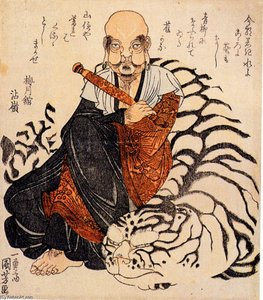
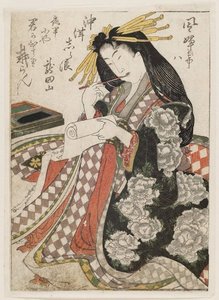
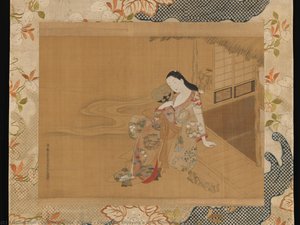
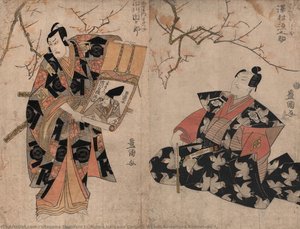
Биография художника
The Pioneering Spirit of Okumura Masanobu
Okumura Masanobu, a name perhaps less immediately recognizable than some of his ukiyo-e contemporaries, nevertheless occupies a crucial position in the development of Japanese printmaking. Born around 1686 in Edo (modern Tokyo), he emerged during a period of burgeoning urban culture and a rapidly expanding market for popular art. While precise details of his early life remain elusive, it’s clear that Masanobu was largely self-taught, absorbing influences from the established Torii school but quickly forging his own distinctive path. The Edo he inhabited was transforming – no longer a quiet fishing village, but a bustling metropolis under the Tokugawa shogunate, ripe with new forms of entertainment and a growing merchant class eager for visual delights. This environment fueled Masanobu’s creativity and shaped his artistic focus on the world around him: actors, courtesans, and the everyday lives of Edo’s inhabitants.From Book Illustrations to Distinctive Prints
Masanobu's initial foray into the art world centered on book illustration. Between 1703 and 1711, he collaborated extensively on *ukiyo-zōshi*, popular novels of the time, providing both illustrations and sometimes even translations. A particularly ambitious project was his illustrated version of *The Tale of Genji*, a monumental undertaking that demonstrated his skill in narrative depiction. However, it was with his transition to print albums around 1711 that Masanobu truly began to distinguish himself. He moved away from the more conventional styles prevalent at the time and embraced a looser, more dynamic approach. These albums, typically consisting of a dozen prints each, explored diverse themes – humorous scenes from Noh and Kabuki theatre, parodies of mythology, and depictions of beautiful women (*bijin-ga*). This shift marked a turning point in his career, allowing him greater artistic freedom and establishing the foundations for his unique style.The Tan-e Style and Innovative Techniques
Masanobu is particularly celebrated as the originator of *tan-e*, or “red prints.” These early color woodblock prints were characterized by their striking use of a single red pigment, typically applied to key areas of the composition. While not full-color printing in the way that would later become synonymous with ukiyo-e, *tan-e* represented a significant step forward in printmaking technology and aesthetic expression. The bold simplicity of the red hue drew attention to Masanobu’s masterful linework and compositions. He wasn't merely applying color; he was using it strategically to enhance form, create dramatic contrast, and evoke specific moods. Beyond *tan-e*, Masanobu also experimented with *urushi-e* – prints utilizing lacquer – adding a luxurious sheen and texture to his works. His technical innovations weren’t simply about novelty; they were integral to his artistic vision, allowing him to capture the vibrancy and energy of Edo life in new and compelling ways.Influences and Artistic Development
While self-taught, Masanobu was not operating in a vacuum. The early influence of the Torii school, particularly Torii Kiyonobu I, is evident in his initial works – a focus on elegant lines and stylized figures. However, he quickly moved beyond direct imitation, incorporating elements from other artists like Hisikawa Moronobu. Perhaps more significantly, Masanobu drew inspiration from popular culture itself. The comedic albums of the 1720s reveal a keen understanding of contemporary humor and a willingness to satirize established traditions. He seems to have been fascinated by *toba-e*, caricature paintings that were popular street art, and the work of Hanabusa Itchō, known for his lively depictions of everyday life. This ability to synthesize diverse influences – from high art to low culture – was central to Masanobu’s artistic development. He wasn't simply copying existing styles; he was transforming them into something new and uniquely his own.Legacy and Historical Significance
Okumura Masanobu died in 1764, leaving behind a body of work that profoundly influenced the course of ukiyo-e. While he didn’t achieve the widespread fame of artists like Hokusai or Hiroshige, his contributions were foundational. He pioneered new printing techniques – *tan-e* and *urushi-e* – expanded the subject matter of prints beyond traditional themes, and established a more dynamic and expressive style. His comic albums, in particular, are considered groundbreaking for their satirical wit and lively depictions of contemporary life. Masanobu’s work bridged the gap between earlier forms of ukiyo-e and the more sophisticated styles that would emerge later in the Edo period. He laid the groundwork for artists like Suzuki Harunobu, who would further refine color printing techniques and elevate ukiyo-e to new heights of artistic achievement. His legacy lies not just in his individual prints but in the spirit of innovation and experimentation he brought to Japanese printmaking, forever changing the landscape of this beloved art form.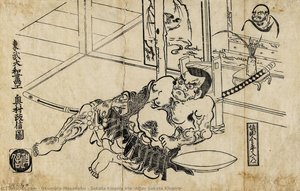
Okumura Masanobu
1686 - 1764
Основные сведения
- Artistic Movement Or Style: Ukiyo-e, Tan-e Style
- Artists Or Movements Influenced By This Artist:
- Toba-e
- Hanabusa Itchō
- Artists Who Influenced This Artist:
- Torii Kiyonobu I
- Hishikawa Moronobu
- Date Of Birth: 1686
- Full Name: Okumura Masanobu
- Nationality: Japanese
- Notable Artworks:
- The Courier Kantan dreaming of Himself as a Daimyo
- Young Man Dressed as Mendicant Monk
- Saigyo Hoshi
- Standing Courtesan
- Place Of Birth: Tokyo