

 Поделиться
 Поделиться
 Детали произведения

 Скачать
 Похожие работы
 Слайд-шоу
 Статистика
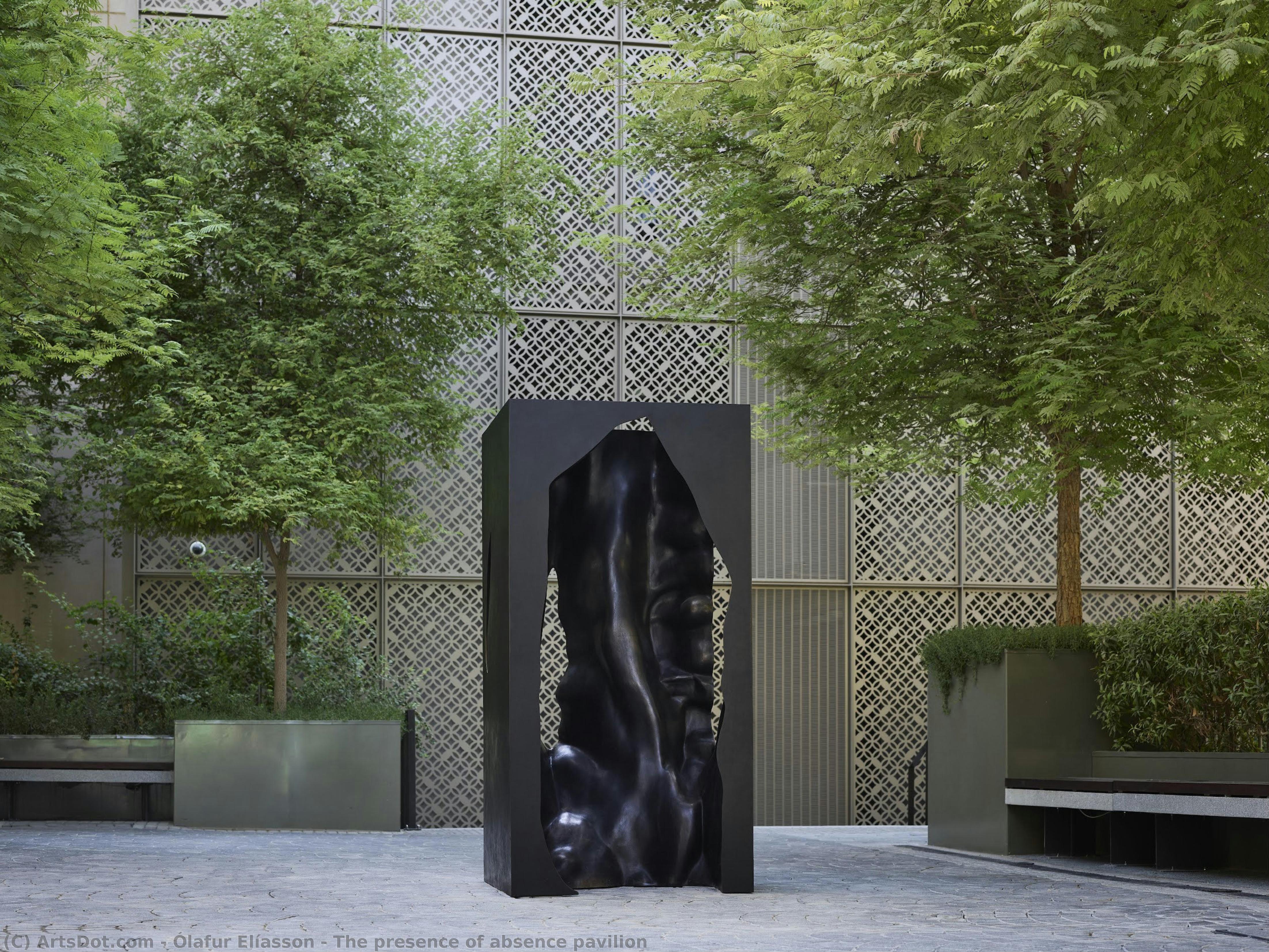
The presence of absence pavilion
 Bronze
- Sculpture
- Contemporary
 Contemporary
 200.0 x 100.0 cm
 Экспо-2020 Дубай
 Читать далее
Жикле / Арт-принт
Печать (жикле) или холст музейного качества с быстрыми сроками изготовления и широким выбором вариантов отделки. ( Купить картину ручной работы Перейти к цифровым изображениям)




































Выберите один из наших стандартных размеров, соответствующих оригинальным пропорциям произведения искусства.

Вы можете указать свои собственные размеры, чтобы репродукция идеально подошла под конкретную раму или пространство. Если выбранный вами размер не будет соответствовать пропорциям оригинала, мы либо обрежем произведение, либо дополним изображение зеркальным отражением краев или однотонной заливкой. Перед началом производства вам будет отправлен цифровой макет для утверждения.
Пожалуйста, обратите внимание, что предварительный просмотр на экране не отображает фактическую обрезку или расширение изображения. Только макет точно покажет финальную композицию.
Несмотря на возможность заказа индивидуальных размеров, мы рекомендуем выбирать размер из предопределенного списка, чтобы сохранить оригинальные пропорции.
Доставка по всему миру () за 2 недели вместо стандартных 4/5 недель. (12 Сентябрь)

Бесплатная экспресс-доставка по всему миру

Высококачественный льняной холст

Полное страхование доставки

Гарантия возмещения таможенных пошлин

Гарантия точного соответствия цветов

100-дневная политика возврата (только при обнаружении дефектов)

Гарантия возврата 100% средств

Предложение оптовых скидок
 Вариант со стеклом доступен только для размеров менее 110 см

The presence of absence pavilion
Жикле / Арт-принт
Размер репродукции
-


Итоговая стоимость
$ 62
A Dialogue Between Void and Light
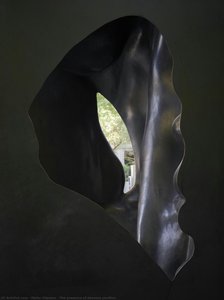
In the quiet intersection of architecture and nature, Olafur Eliasson’s “The presence of absence pavilion” emerges as a profound meditation on what remains when the tangible disappears. This striking bronze sculpture is far more than a mere physical object; it is a captured moment of disappearance, an invitation to contemplate the elusive relationship between visibility and obscurity. The work serves as a hauntingly beautiful testament to the artist’s mastery over perception, rooted deeply in the principles of phenomenology and Gestalt psychology. As one encounters the pavilion, there is an immediate, visceral sense of a dialogue unfolding between the dark, monolithic form of the bronze and the vibrant, living greenery that surrounds it. It challenges the viewer to look beyond the surface, prompting a deep inquiry into what is seen versus what remains hidden in the shadows.
The emotional weight of the piece lies in its ability to evoke a sense of both permanence and loss. There is a subtle melancholy woven into its very structure—a feeling of something missing, a void that demands to be felt. For the collector or the designer, this work offers a sophisticated layer of intellectual depth, making it an ideal centerpiece for spaces dedicated to contemplation, modern minimalism, or avant-garde architectural aesthetics. It does not merely occupy space; it redefines the atmosphere of its surroundings, turning a courtyard or a gallery into a stage for existential reflection.
The Alchemy of Bronze and Memory
Technically, the pavilion is a triumph of material manipulation. Crafted from bronze—a medium historically revered for its durability and association with power—Eliasson uses this heavy, permanent material to represent something inherently fleeting. The sculpture is actually a bronze cast of the void left by a block of glacial ice that has melted away. This conceptual brilliance creates a powerful tension: the artist has taken the ephemeral, vanishing essence of Greenlandic ice and frozen it into an eternal metallic form. This technique allows the surface of the sculpture to interact dynamically with its environment; as sunlight filters through nearby foliage, the dappified light dances across the textured bronze, mirroring the rough bark of surrounding trees and highlighting the intricate geometric patterns that define the work.
The spatial composition of the installation further enhances this sensory experience. By placing the dark, imposing pavilion within a courtyard setting, Eliasson creates a layered visual narrative. The lush greenery in the foreground provides a soft, organic depth that contrasts sharply with the rigid, man-made geometry of the sculpture and the textured walls behind it. This interplay of light and shadow, of organic life and industrial permanence, ensures that the artwork is never static. It changes with the time of day and the shifting weather, offering a different emotional resonance to every observer who encounters it.
A Legacy of Environmental Consciousness
To understand the profound impact of this work, one must look toward its historical and environmental context. The piece is inextricably linked to Eliasson’s larger ecological investigations, specifically his Ice Watch project, where massive blocks of glacial ice were brought from the Nuup Kangerlua fjord in Greenland to public spaces across Europe. By casting the "absence" of this melting ice into bronze, Eliasson transforms a scientific reality—the rapid loss of the Greenland ice sheet due to global warming—into a poetic and permanent artistic statement. The sculpture becomes a monument to the disappearing landscapes of our planet, making it a vital acquisition for those who value art that engages with the most pressing dialogues of our time.
For interior designers and connoisseurs of contemporary art, a high-quality reproduction of this masterpiece offers an opportunity to bring this sense of monumental scale and intellectual rigor into a private collection. Whether placed in a sunlit atrium or a moody, modern study, the "presence of absence pavilion" serves as a constant reminder of the beauty found in the ephemeral and the strength found in the void. It is a piece that does not just decorate a room; it transforms the very way we perceive the space we inhabit.
Похожие произведения


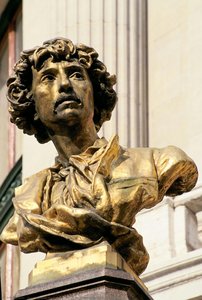
Биография художника
Ólafur Elíasson: A Biography
Early Life and Education
- Born in Copenhagen, Denmark in 1967 to Icelandic parents, Elías Hjörleifsson and Ingibjörg Olafsdottir.
- Spent formative years navigating dual cultural identities – Danish and Icelandic.
- Showed early artistic promise with his first solo exhibition at age 15.
- Studied at the Royal Danish Academy of Fine Arts from 1989 to 1995, a period crucial for developing his conceptual approach.
Artistic Development and Influences
- Elíasson’s work evolved from early landscape drawings to large-scale installations exploring perception, light, and natural phenomena.
- Influenced by phenomenology and Gestalt psychology, focusing on how viewers experience space and reality.
- Collaboration with architect Einar Thorsteinn significantly impacted his geometric works and spatial designs.
- Inspired by artists like Robert Irwin and James Turrell who also manipulate perception through light and space.
Key Themes and Artistic Style
- Central themes include the relationship between humans and nature, artificial versus natural environments, and the subjective experience of reality.
- His style is characterized by large-scale installations that often incorporate elemental materials like light, water, air temperature, and mirrors.
- Immersive experiences are a hallmark of his work, inviting viewers to actively participate in and question their surroundings.
- Frequently blends art with scientific inquiry, exploring concepts from physics, optics, and meteorology.
Major Achievements and Notable Works
- Represented Denmark at the 50th Venice Biennale in 2003, gaining international recognition.
- “The Weather Project” (2003) at Tate Modern’s Turbine Hall – a monumental installation creating an artificial sun and sky, becoming one of his most iconic works.
- Designed the Serpentine Gallery Pavilion in 2007, showcasing innovative architectural design.
- Created “New York City Waterfalls” (2008), transforming Manhattan’s waterfront with cascading waterfalls.
- Co-founded Studio Other Spaces with Sebastian Behmann, expanding his practice into architecture and urban interventions.
- Designed the Harpa Concert Hall in Reykjavik, Iceland – a stunning architectural landmark.
Historical Significance and Legacy
- Elíasson is considered one of the most influential contemporary artists working today.
- His work challenges traditional notions of art by blurring boundaries between disciplines—art, science, architecture, and environmentalism.
- He has sparked important conversations about climate change, sustainability, and our relationship with the natural world.
- Continues to push the boundaries of artistic practice through innovative installations, architectural projects, and public interventions.
- Currently a professor at the Berlin University of the Arts, nurturing future generations of artists and thinkers.
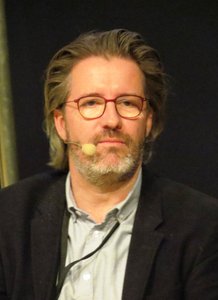
ólafur elíasson
1967 - , Denmark
Основные сведения
- Birth Date: 1967-02-05
- Birth Place: Copenhagen, Denmark
- Movement:
- Installation Art
- Contemporary Art
- Environmental Art
- Name: Ólafur Elíasson
- Nationality:
- Danish
- Icelandic
- Notable Works:
- The Weather Project
- Serpentine Gallery Pavilion 2007
- New York City Waterfalls
- The Presence of Absence Pavilion
Похожие статьи

The Enduring Legacy of Bronze Sculpture: Technique, Symbolism & Cultural Impact
Explore the rich history & enduring appeal of bronze sculpture with expert insights for collectors. Learn about casting techniques, iconic artists, collecting tips & contemporary interpretations at ArtsDot.
The Enduring Legacy of Bronze: History, Technique & Artistic Expression for the Collector
Explore the rich history & enduring appeal of bronze sculpture with expert insights for collectors at ArtsDot. Learn about casting techniques, iconic artists, and collecting tips.

The Enduring Legacy of Bronze: A Historical & Artistic Exploration for the Collector
Explore the rich history & enduring appeal of bronze sculpture with expert insights for collectors at ArtsDot. Learn about casting techniques, iconic artists, collecting tips & contemporary interpretations.

10 легендарных бронзовых скульптур, изменивших искусство навсегда | ArtsDot
Погрузитесь в мир великих бронзовых скульптур! От Давида Микеланджело до работ Родена – история искусства, техники и вдохновения. Купите репродукции шедевров для вашего интерьера на ArtsDot.com

10 легендарных бронзовых шедевров, изменивших искусство | ArtsDot
Погрузитесь в мир великих бронзовых шедевров! От Давида Донателло до Мыслителя Родена – узнайте историю создания, технику и значение легендарных скульптур. Вдохновение для интерьера и музейное качество репродукций на ArtsDot.com.