

 Предпросмотр
 Поделиться
 Поделиться
 Детали произведения

 Скачать
 Похожие работы
 Рентгенография
 Слайд-шоу
 Статистика
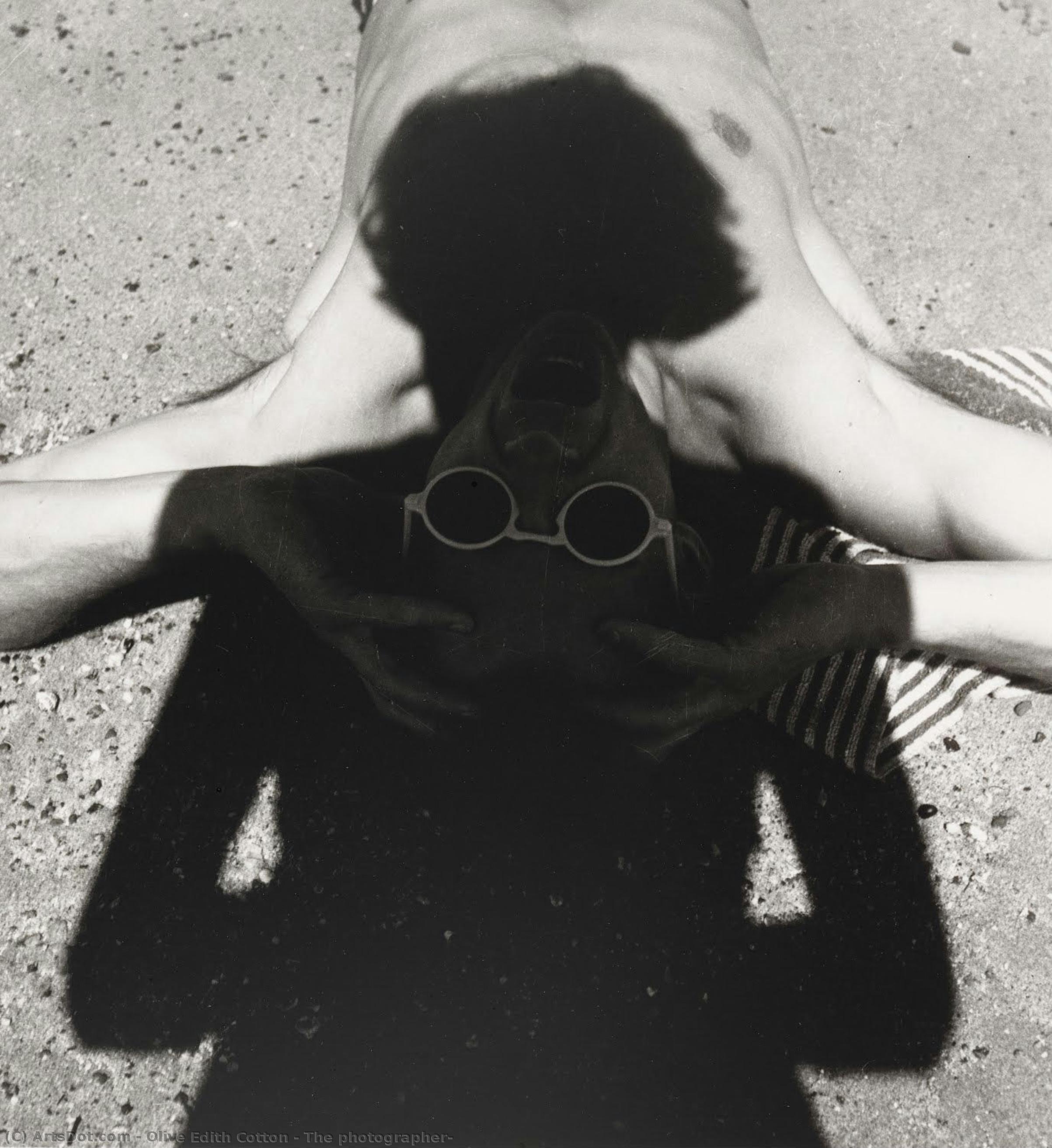
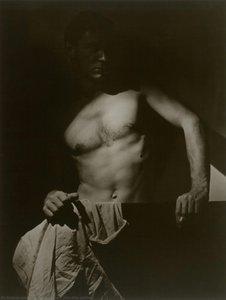
The photographer
 Modernist
 1999
1999 30.0 x 25.0 cm
 National Portrait Gallery
 Читать далее
Приобретите цифровое изображение высокого разрешения в улучшенном качестве, которое значительно превосходит онлайн-превью.
Каждый файл тщательно подготавливается нашими специалистами с использованием передовых инструментов и экспертной ручной ретуши. Мы гарантируем исключительную четкость, точную цветопередачу и детальную проработку каждого изображения.
Финальный файл доставляется по электронной почте в течение 72 часов и оптимизирован для немедленного использования в профессиональной среде, при верстке и печати. Это тот же уровень качества, которому доверяют ведущие дизайнерские студии, издательства и галереи.
Цифровое изображение
Скачайте файл высокого разрешения для личного использования, печати и творческих проектов. ( Перейти к печати Купить картину ручной работы)
Включено в каждый заказ цифровых изображений
Гарантия экспертной цифровой доставки
Выбирая ArtsDot.com, вы получаете не просто изображение — вы приобретаете профессионально обработанное цифровое произведение искусства, созданное с безупречной точностью и под защитой гарантии качества. Вот всё, что автоматически входит в ваш заказ:

Мгновенная доставка по e-mail
Ваш цифровой файл в высоком разрешении будет отправлен вам по электронной почте в течение 72 часов после оформления заказа — и сразу станет доступен для использования.

Цифровой файл с ИИ-улучшением
Ваше произведение искусства проходит профессиональную оптимизацию с использованием передовых инструментов ИИ и ручной обработки, что гарантирует максимальную детализацию, четкость и точность цветопередачи.

Бессрочная бесплатная повторная доставка
Случайно удалили или потеряли файл? Не беспокойтесь — мы отправим его вам повторно в любое время и совершенно бесплатно.

Без импортных пошлин — навсегда
Наслаждайтесь вашим произведением искусства мгновенно без таможенных пошлин, сборов или затрат на доставку — цифровые загрузки всегда не облагаются налогом.

Гарантия точности цветопередачи
Мы гарантируем, что ваше цифровое изображение максимально точно передает оригинальные цвета благодаря использованию профессиональных инструментов и систем управления цветом.

Гарантия удовлетворенности 100 дней
Если вы не будете удовлетворены своим цифровым изображением, мы внесем правки или вернем 100% стоимости в течение 100 дней — без лишних вопросов.

100% Гарантия возврата средств
Не удовлетворены покупкой? Получите полный возврат средств в течение 100 дней после получения цифрового файла — без лишних вопросов.

Скидки на оптовые заказы
Купите 3 изображения, сэкономьте 10% — Купите 5, сэкономьте 15% — Купите 10+, сэкономьте 20%. Отличное решение для творческих проектов, галерей и агентств.
Похожие произведения
Биография художника
Olive Edith Cotton: A Pioneer of Australian Modernist Photography
Olive Edith Cotton (1911-2003) stands as a pivotal figure in the history of Australian art, specifically within the realm of modernist photography. Born in Hornsby, Australia, her life was inextricably linked to the burgeoning artistic landscape of Sydney during the 1930s and 40s—a period marked by experimentation, intellectual fervor, and a profound engagement with visual language. Her legacy continues to inspire photographers today, cementing her place as one of the nation’s foremost modernist practitioners.- Early Life and Influences: Cotton's formative years were steeped in artistic appreciation thanks to her parents—Leo, a geologist who documented expeditions including Shackleton’s Antarctic voyage, and Florence Channon, a painter—and her extended family, which included an uncle, Frank Cotton, a professor of physiology. This intellectual environment fostered a deep understanding of both science and art, shaping Cotton's worldview and artistic sensibilities. Crucially, she encountered Max Dupain early in life, forging a friendship that would prove instrumental in her photographic journey. Dupain’s influence extended beyond companionship; he served as her first husband and collaborator, sharing a passion for capturing the essence of their surroundings.
- The Dawn of Photography: At just eleven years old, Cotton received a Kodak No.0 Box Brownie camera—a transformative gift that ignited her lifelong fascination with photography. Guided by her father’s encouragement and aided by his meticulous darkroom skills, she embarked on an autodidactic exploration of the craft, mastering techniques like film processing and printing. This early immersion established a foundation for Cotton's distinctive style.
- Formal Education and Artistic Development: Cotton pursued higher education at Methodist Ladies’ College and subsequently earned a Bachelor’s degree from the University of Sydney, majoring in English and Mathematics alongside music studies—a testament to her multifaceted intellectual curiosity. These academic pursuits honed her analytical skills while simultaneously nurturing her artistic sensibilities.
A Collaborative Spirit: Max Dupain and the Studio Aesthetic
Cotton’s professional life unfolded primarily within Max Dupain's studio in Bond Street, Sydney—a partnership that proved remarkably fruitful. Dupain recognized Cotton’s talent and encouraged her to embrace a distinctly personal approach to photography, prioritizing capturing subtle nuances of light and form. This collaborative dynamic allowed Cotton to hone her craft while simultaneously exploring the expressive potential of visual storytelling. Her work during this period showcased an acute awareness of composition and lighting—elements that would become hallmarks of her artistic style.- Notable Works: Cotton’s oeuvre is characterized by a remarkable sensitivity to detail and a masterful command of photographic technique. “Tea cup ballet” (1935), arguably her most iconic image, exemplifies this aesthetic—a deliberate manipulation of light and shadow to convey a thematic dance between the shapes of delicate china pieces. The photograph's inclusion on an Australian stamp commemorating 150 years of photography underscores its enduring cultural significance.
- Recognition and Exhibitions: Cotton’s work gained considerable acclaim during her lifetime, earning recognition from institutions such as the Art Institute of Chicago and the National Gallery of Australia. Her retrospective exhibition in 1985 solidified her reputation as a national treasure—a celebration of her pioneering contributions to Australian modernist photography.
The Legacy of Olive Cotton
Olive Edith Cotton’s influence extends far beyond her own artistic output. She served as an inspiration for subsequent generations of photographers, encouraging them to embrace experimentation and pursue innovative visual strategies. Her unwavering dedication to craft—coupled with her profound understanding of aesthetic principles—established a benchmark against which contemporary photography is still assessed. Cotton's enduring legacy resides not merely in the beauty of her images but also in their embodiment of a spirit of artistic inquiry that continues to resonate throughout Australian art history.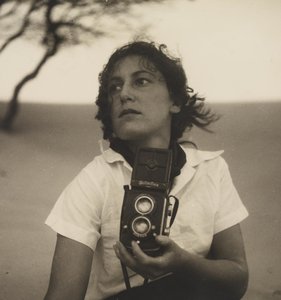
olive edith cotton
1911 - 2003 , Australia
Основные сведения
- Artistic Movement Or Style: Modernist photography
- Artists Or Movements Influenced By This Artist: ['Harold Cazneaux']
- Artists Who Influenced This Artist: ['Max Dupain']
- Date Of Birth: July 11, 1911
- Date Of Death: September 27, 2003
- Full Name: Olive Edith Cotton
- Nationality: Australian
- Notable Artworks: ['Fashion shot, Cronulla Sandhills']
- Place Of Birth: Hornsby, Australia