

 Предпросмотр
 Поделиться
 Поделиться
 Детали произведения

 Скачать
 Похожие работы
 Рентгенография
 Слайд-шоу
 Статистика
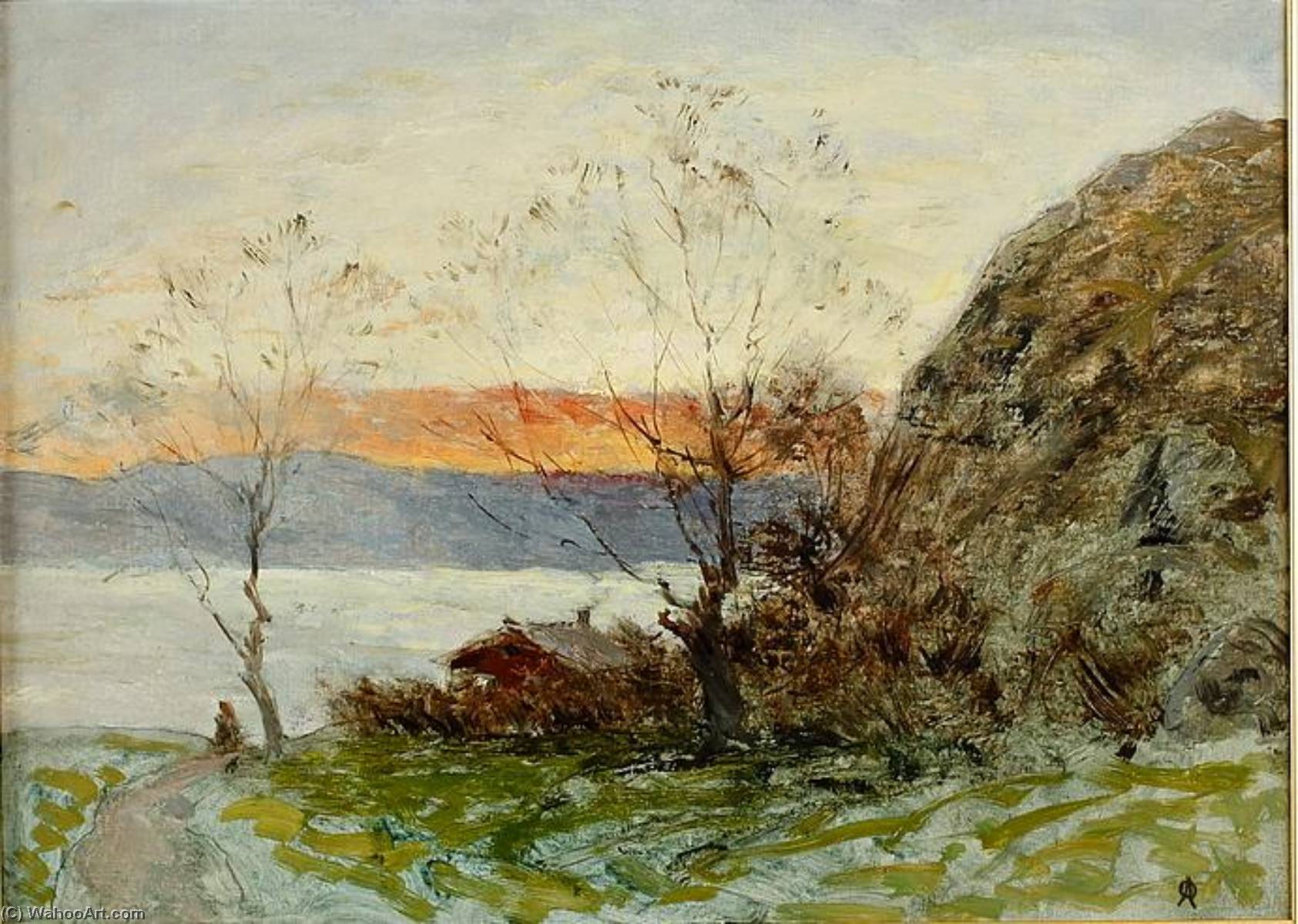
Dusk
 Читать далее
Приобретите цифровое изображение высокого разрешения в улучшенном качестве, которое значительно превосходит онлайн-превью.
Каждый файл тщательно подготавливается нашими специалистами с использованием передовых инструментов и экспертной ручной ретуши. Мы гарантируем исключительную четкость, точную цветопередачу и детальную проработку каждого изображения.
Финальный файл доставляется по электронной почте в течение 72 часов и оптимизирован для немедленного использования в профессиональной среде, при верстке и печати. Это тот же уровень качества, которому доверяют ведущие дизайнерские студии, издательства и галереи.
Цифровое изображение
Скачайте файл высокого разрешения для личного использования, печати и творческих проектов. ( Перейти к печати Купить картину ручной работы)
Включено в каждый заказ цифровых изображений
Гарантия экспертной цифровой доставки
Выбирая ArtsDot.com, вы получаете не просто изображение — вы приобретаете профессионально обработанное цифровое произведение искусства, созданное с безупречной точностью и под защитой гарантии качества. Вот всё, что автоматически входит в ваш заказ:

Мгновенная доставка по e-mail
Ваш цифровой файл в высоком разрешении будет отправлен вам по электронной почте в течение 72 часов после оформления заказа — и сразу станет доступен для использования.

Цифровой файл с ИИ-улучшением
Ваше произведение искусства проходит профессиональную оптимизацию с использованием передовых инструментов ИИ и ручной обработки, что гарантирует максимальную детализацию, четкость и точность цветопередачи.

Бессрочная бесплатная повторная доставка
Случайно удалили или потеряли файл? Не беспокойтесь — мы отправим его вам повторно в любое время и совершенно бесплатно.

Без импортных пошлин — навсегда
Наслаждайтесь вашим произведением искусства мгновенно без таможенных пошлин, сборов или затрат на доставку — цифровые загрузки всегда не облагаются налогом.

Гарантия точности цветопередачи
Мы гарантируем, что ваше цифровое изображение максимально точно передает оригинальные цвета благодаря использованию профессиональных инструментов и систем управления цветом.

Гарантия удовлетворенности 100 дней
Если вы не будете удовлетворены своим цифровым изображением, мы внесем правки или вернем 100% стоимости в течение 100 дней — без лишних вопросов.

100% Гарантия возврата средств
Не удовлетворены покупкой? Получите полный возврат средств в течение 100 дней после получения цифрового файла — без лишних вопросов.

Скидки на оптовые заказы
Купите 3 изображения, сэкономьте 10% — Купите 5, сэкономьте 15% — Купите 10+, сэкономьте 20%. Отличное решение для творческих проектов, галерей и агентств.
Похожие произведения









Биография художника
Early Life and Artistic Foundations
Olof Per Ulrik Arborelius, born November 4th, 1842, in the small Swedish town of Orsa, Dalarna County, emerged from a family steeped in intellectual and cultural tradition. His lineage traced back to the 16th century, rooted in the community of Arboga, providing a sense of historical grounding that perhaps subtly informed his later depictions of the Scandinavian landscape. His father, Olof Ulric Arborelius, was not merely a priest but also a dedicated dialectologist, fostering an appreciation for local culture and detail within the family—qualities that would become hallmarks of the artist’s work. His mother, Charlotta Dorotea Friman, completed this nurturing environment. The young Olof's path toward artistry wasn’t isolated; his younger brother, Rudolf Arborelius, pursued a career in architecture, suggesting a broader familial inclination towards creative expression.
Arborelius’ formal artistic journey began with the recommendation of Johan Fredrik Höckert to the Royal Swedish Academy of Fine Arts in Stockholm. He dedicated seven years to rigorous study before seeking further refinement through travel—a common practice for aspiring artists of the era. This period proved pivotal, as Arborelius embarked on a three-year sojourn across Europe, absorbing influences from Paris, Munich, and Rome. A significant portion of his time was spent in Düsseldorf, where he became associated with the Düsseldorf School, an artistic movement that emphasized realism and detailed observation.
The Influence of European Masters and the Virtuosi al Pantheon
Arborelius’ travels were not merely geographical; they represented a deep immersion into diverse artistic philosophies. The Düsseldorf School provided a foundation in meticulous technique and realistic representation, but his time in Rome proved particularly transformative. It was there he connected with the esteemed Virtuosi al Pantheon—a society of artists that fostered collaboration and exchange of ideas. This association exposed him to a broader range of perspectives and encouraged a more nuanced approach to landscape painting.
Upon returning to Stockholm, Arborelius gained acceptance as a member candidate at the Academy and began teaching at the Technical School, demonstrating his commitment to both artistic creation and education. However, he wasn’t content with simply replicating established styles. Throughout the 1880s, he voiced opposition to prevailing pedagogical methods, seeking a more individualistic expression within his work—though he never fully embraced Impressionism, instead opting for a refinement of color palettes and an increased focus on capturing the essence of the Scandinavian countryside.
A Professor’s Legacy: Landscape Painting and Dalarna Motifs
In 1902, Arborelius reached a pinnacle in his career with his appointment as Professor of Landscape Painting at the Royal Swedish Academy of Fine Arts. This position allowed him to shape the next generation of Swedish artists, imparting his knowledge and passion for the natural world. His teaching philosophy emphasized detailed observation, realistic depiction, and an appreciation for local motifs—particularly those found within Dalarna, his birthplace.
Arborelius’ art is characterized by a serene realism, often depicting rural life and the beauty of the Scandinavian landscape. He skillfully captured the play of light and shadow, creating evocative scenes that resonated with viewers. His works frequently incorporated folk motifs from Dalarna, reflecting his deep connection to his roots and a desire to preserve local traditions. He didn’t shy away from incorporating elements of everyday life into his landscapes, imbuing them with a sense of authenticity and warmth.
Recognition and Enduring Significance
Arborelius' dedication to his craft garnered recognition both domestically and internationally. In 1903, one of his paintings was purchased by King Victor Emmanuel at the Venice Biennale—a testament to the quality and appeal of his work. His art can be found in prominent collections such as the Nationalmuseum and the Göteborgs konstmuseum in Sweden, as well as the Finnish National Gallery in Helsinki.
Olof Arborelius’ legacy extends beyond his individual paintings. He represents a bridge between traditional realism and a more modern sensibility, skillfully blending meticulous technique with an appreciation for local culture and natural beauty. His commitment to education and his influence on generations of Swedish artists solidify his place as a significant figure in 19th-century Scandinavian art. He wasn’t merely a painter of landscapes; he was a chronicler of a way of life, a preserver of tradition, and an advocate for the power of artistic expression.
olof arborelius
1842 - 1915
Основные сведения
- Artistic Movement Or Style: Düsseldorf School
- Artists Or Movements Influenced By This Artist: ['Romanticism']
- Artists Who Influenced This Artist:
- Andreas Hartmann
- Karl Friedrich Scholder
- Date Of Birth: November 4, 1842
- Date Of Death: June 2, 1915
- Full Name: Olof Per Ulrik Arborelius
- Nationality: Swedish
- Notable Artworks:
- Landscape in the Southern Alps
- Lapporten
- Place Of Birth: Sweden