

 Предпросмотр
 Поделиться
 Поделиться
 Детали произведения

 Скачать
 Похожие работы
 Рентгенография
 Слайд-шоу
 Статистика
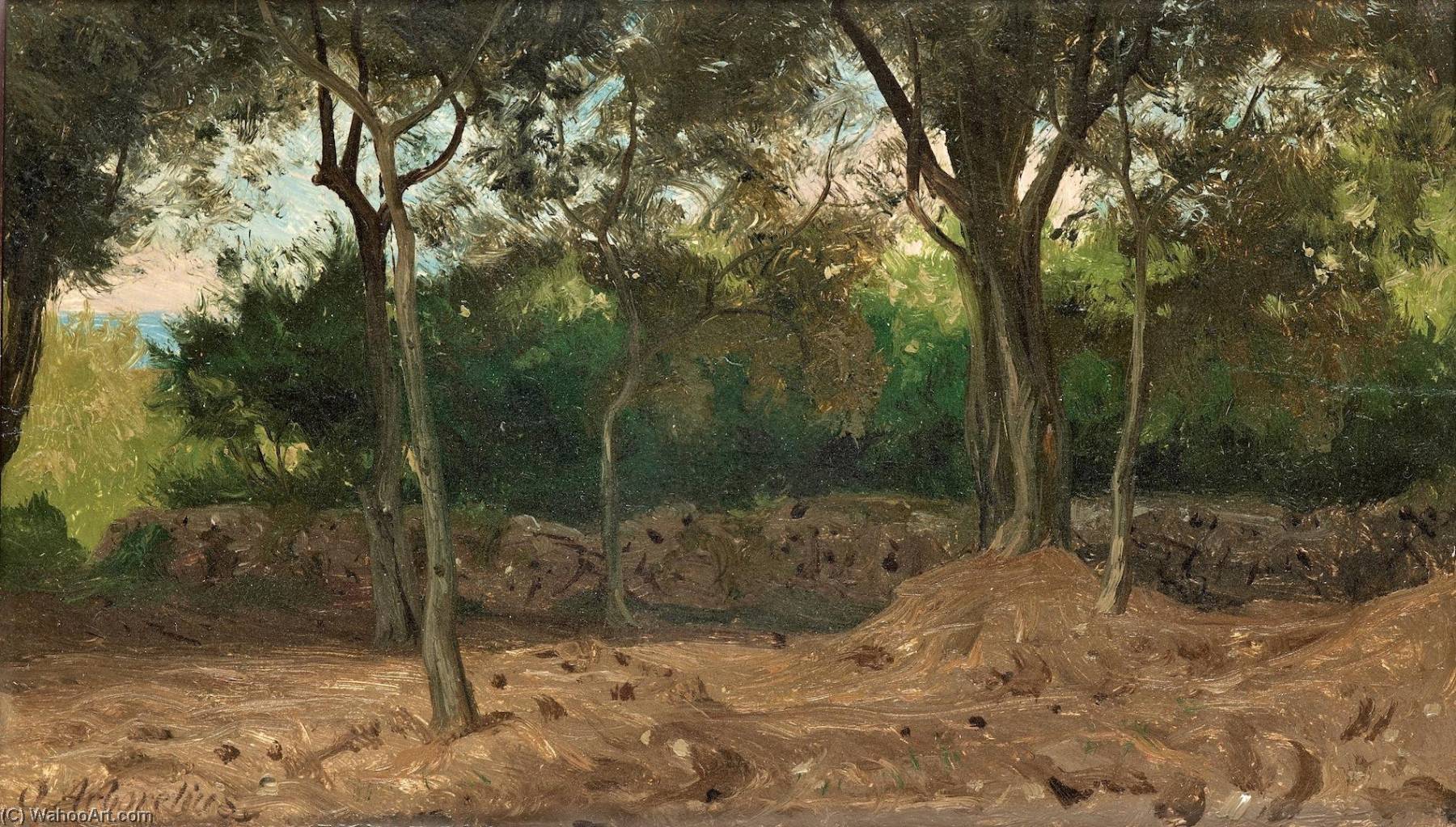
Grove in Italy
 Читать далее
Масляная репродукция ручной работы
Картина маслом на холсте в выбранном вами размере и раме, написанная на заказ нашими художниками. ( Перейти к печати Перейти к цифровым изображениям)




































Выберите один из наших стандартных размеров, соответствующих оригинальным пропорциям произведения искусства.

Вы можете указать собственные размеры, чтобы картина идеально вписалась в выбранную раму или пространство. Если выбранный вами размер не соответствует пропорциям оригинала, мы либо обрежем полотно, либо расширим его за счет дополнительных элементов, написанных вручную. Цифровой макет будет отправлен вам на утверждение перед началом производства.
Обратите внимание, что предварительный просмотр на экране не отражает фактическую обрезку или расширение. Только макет точно покажет окончательную композицию.
Хотя доступны индивидуальные размеры, мы рекомендуем выбирать вариант из предопределенного списка, чтобы сохранить исходные пропорции.
После оформления заказа команда ArtsDot.com свяжется с клиентом по электронной почте для уточнения деталей и предоставит предварительный макет
Доставка по всему миру () за 3–4 недели вместо стандартных 5 недель. (12 Сентябрь). Без компромиссов в качестве.

Бесплатная экспресс-доставка по всему миру

Высококачественный льняной холст

Полное страхование доставки

Гарантия возмещения таможенных пошлин

Гарантия точного соответствия цветов

100-дневная политика возврата (только при обнаружении дефектов)

Гарантия возврата 100% средств

Предложение оптовых скидок
 Вариант со стеклом доступен только для размеров менее 110 см

Grove in Italy
Техника репродукции
Размер репродукции
-


Итоговая стоимость
$ 263
Похожие произведения








Биография художника
Early Life and Artistic Foundations
Olof Per Ulrik Arborelius, born November 4th, 1842, in the small Swedish town of Orsa, Dalarna County, emerged from a family steeped in intellectual and cultural tradition. His lineage traced back to the 16th century, rooted in the community of Arboga, providing a sense of historical grounding that perhaps subtly informed his later depictions of the Scandinavian landscape. His father, Olof Ulric Arborelius, was not merely a priest but also a dedicated dialectologist, fostering an appreciation for local culture and detail within the family—qualities that would become hallmarks of the artist’s work. His mother, Charlotta Dorotea Friman, completed this nurturing environment. The young Olof's path toward artistry wasn’t isolated; his younger brother, Rudolf Arborelius, pursued a career in architecture, suggesting a broader familial inclination towards creative expression.
Arborelius’ formal artistic journey began with the recommendation of Johan Fredrik Höckert to the Royal Swedish Academy of Fine Arts in Stockholm. He dedicated seven years to rigorous study before seeking further refinement through travel—a common practice for aspiring artists of the era. This period proved pivotal, as Arborelius embarked on a three-year sojourn across Europe, absorbing influences from Paris, Munich, and Rome. A significant portion of his time was spent in Düsseldorf, where he became associated with the Düsseldorf School, an artistic movement that emphasized realism and detailed observation.
The Influence of European Masters and the Virtuosi al Pantheon
Arborelius’ travels were not merely geographical; they represented a deep immersion into diverse artistic philosophies. The Düsseldorf School provided a foundation in meticulous technique and realistic representation, but his time in Rome proved particularly transformative. It was there he connected with the esteemed Virtuosi al Pantheon—a society of artists that fostered collaboration and exchange of ideas. This association exposed him to a broader range of perspectives and encouraged a more nuanced approach to landscape painting.
Upon returning to Stockholm, Arborelius gained acceptance as a member candidate at the Academy and began teaching at the Technical School, demonstrating his commitment to both artistic creation and education. However, he wasn’t content with simply replicating established styles. Throughout the 1880s, he voiced opposition to prevailing pedagogical methods, seeking a more individualistic expression within his work—though he never fully embraced Impressionism, instead opting for a refinement of color palettes and an increased focus on capturing the essence of the Scandinavian countryside.
A Professor’s Legacy: Landscape Painting and Dalarna Motifs
In 1902, Arborelius reached a pinnacle in his career with his appointment as Professor of Landscape Painting at the Royal Swedish Academy of Fine Arts. This position allowed him to shape the next generation of Swedish artists, imparting his knowledge and passion for the natural world. His teaching philosophy emphasized detailed observation, realistic depiction, and an appreciation for local motifs—particularly those found within Dalarna, his birthplace.
Arborelius’ art is characterized by a serene realism, often depicting rural life and the beauty of the Scandinavian landscape. He skillfully captured the play of light and shadow, creating evocative scenes that resonated with viewers. His works frequently incorporated folk motifs from Dalarna, reflecting his deep connection to his roots and a desire to preserve local traditions. He didn’t shy away from incorporating elements of everyday life into his landscapes, imbuing them with a sense of authenticity and warmth.
Recognition and Enduring Significance
Arborelius' dedication to his craft garnered recognition both domestically and internationally. In 1903, one of his paintings was purchased by King Victor Emmanuel at the Venice Biennale—a testament to the quality and appeal of his work. His art can be found in prominent collections such as the Nationalmuseum and the Göteborgs konstmuseum in Sweden, as well as the Finnish National Gallery in Helsinki.
Olof Arborelius’ legacy extends beyond his individual paintings. He represents a bridge between traditional realism and a more modern sensibility, skillfully blending meticulous technique with an appreciation for local culture and natural beauty. His commitment to education and his influence on generations of Swedish artists solidify his place as a significant figure in 19th-century Scandinavian art. He wasn’t merely a painter of landscapes; he was a chronicler of a way of life, a preserver of tradition, and an advocate for the power of artistic expression.
olof arborelius
1842 - 1915
Основные сведения
- Artistic Movement Or Style: Düsseldorf School
- Artists Or Movements Influenced By This Artist: ['Romanticism']
- Artists Who Influenced This Artist:
- Andreas Hartmann
- Karl Friedrich Scholder
- Date Of Birth: November 4, 1842
- Date Of Death: June 2, 1915
- Full Name: Olof Per Ulrik Arborelius
- Nationality: Swedish
- Notable Artworks:
- Landscape in the Southern Alps
- Lapporten
- Place Of Birth: Sweden