

 Предпросмотр
 Поделиться
 Поделиться
 Детали произведения

 Скачать
 Похожие работы
 Рентгенография
 Слайд-шоу
 Статистика
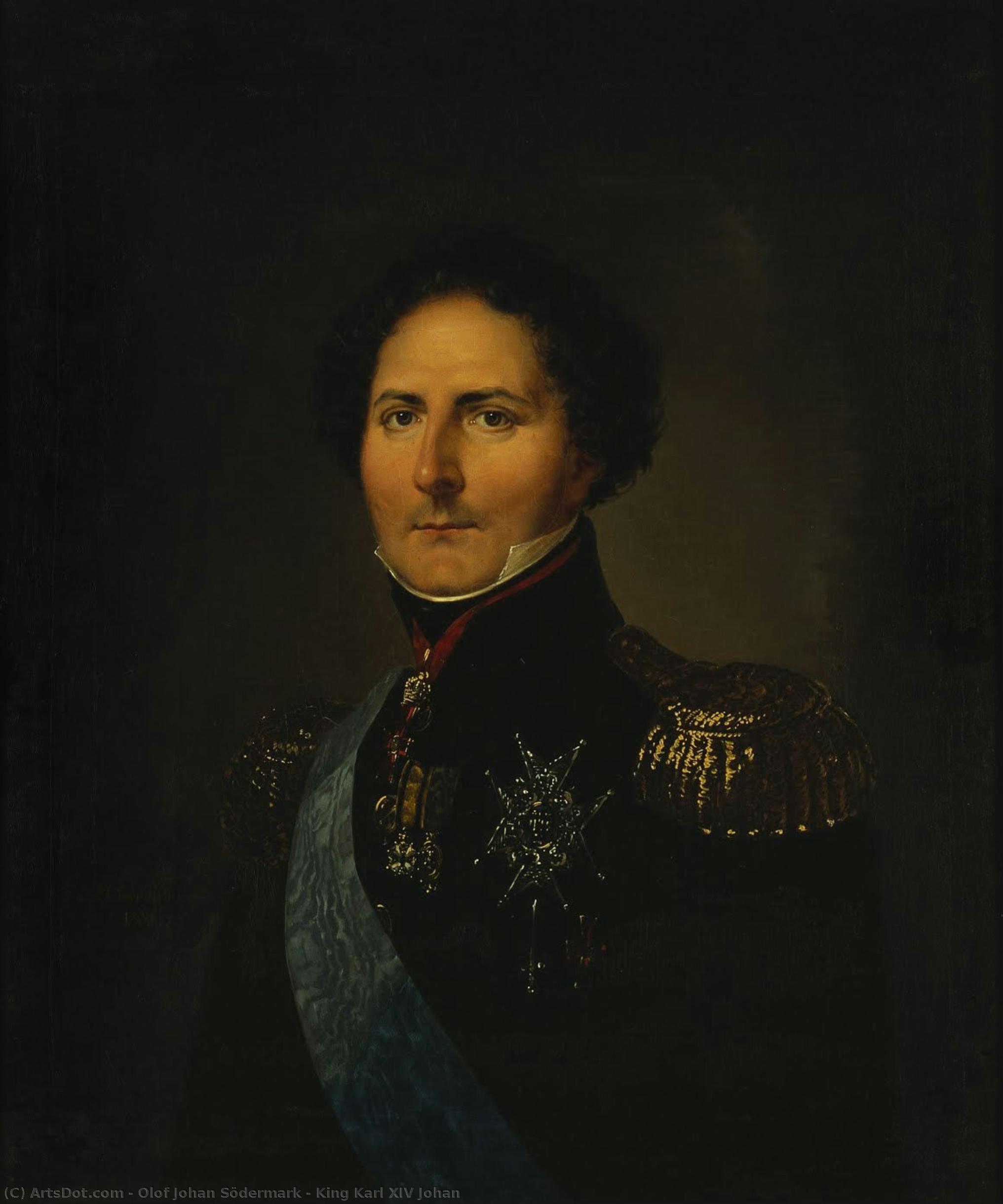
King Karl XIV Johan


 Читать далее
Масляная репродукция ручной работы
Картина маслом на холсте в выбранном вами размере и раме, написанная на заказ нашими художниками. ( Перейти к печати Перейти к цифровым изображениям)




































Выберите один из наших стандартных размеров, соответствующих оригинальным пропорциям произведения искусства.

Вы можете указать собственные размеры, чтобы картина идеально вписалась в выбранную раму или пространство. Если выбранный вами размер не соответствует пропорциям оригинала, мы либо обрежем полотно, либо расширим его за счет дополнительных элементов, написанных вручную. Цифровой макет будет отправлен вам на утверждение перед началом производства.
Обратите внимание, что предварительный просмотр на экране не отражает фактическую обрезку или расширение. Только макет точно покажет окончательную композицию.
Хотя доступны индивидуальные размеры, мы рекомендуем выбирать вариант из предопределенного списка, чтобы сохранить исходные пропорции.
После оформления заказа команда ArtsDot.com свяжется с клиентом по электронной почте для уточнения деталей и предоставит предварительный макет
Доставка по всему миру () за 3–4 недели вместо стандартных 5 недель. (12 Сентябрь). Без компромиссов в качестве.

Бесплатная экспресс-доставка по всему миру

Высококачественный льняной холст

Полное страхование доставки

Гарантия возмещения таможенных пошлин

Гарантия точного соответствия цветов

100-дневная политика возврата (только при обнаружении дефектов)

Гарантия возврата 100% средств

Предложение оптовых скидок
 Вариант со стеклом доступен только для размеров менее 110 см

King Karl XIV Johan
Техника репродукции
Размер репродукции
-


Итоговая стоимость
$ 263
Похожие произведения
Биография художника
The Precision of the Cartographer’s Eye
Olof Johan Södermark was a man whose life was defined by the striking duality of the sword and the brush. Born in Landskrona, Sweden, in 1790, his early years were shaped by the rigorous discipline of military service, a path that began when he entered the fortification corps at the tender age of thirteen. This formative period as a cadet instilled in him a profound respect for accuracy and observation—traits that would later become the hallmark of his artistic style. As he ascended through the ranks to become a lieutenant within the Field Measurement Corps, Södermark dedicated himself to the science of cartography. The meticulous nature of mapping landscapes and recording topographical details provided him with a unique visual vocabulary; the same eye that traced the contours of the Swedish terrain would eventually be used to trace the delicate nuances of the human face.From the Battlefield to the Roman Studio
The trajectory of Södermark’s life was irrevocably altered by the tremors of the Napoleonic Wars. His service took him to the heart of Europe's most pivotal conflicts, including the intense battles of Grossbeeren and Leipzig in 1813. These experiences of chaos and courage, alongside his time serving as an adjutant to Lieutenant General Sixtance David Sparre, infused his character with a certain Romanticist intensity. However, it was his transition from the battlefield to the artistic studio that would define his historical significance. Seeking to expand his creative horizons, Södermark traveled to Rome, where he immersed himself in the classical traditions of the era. Under the guidance of renowned sculptors such as Johan Niclas Byström and Bengt Erland Fogelberg, he initially sought to master the permanence of stone. Yet, as his travels took him through the cultural epicenters of Paris, Munich, and London, he found that his true passion lay not in the static weight of sculpture, but in the fluid, expressive potential of portrait painting.A Legacy of Neoclassical Grandeur
As Södermark matured as an artist, his work became a sophisticated bridge between Neoclassical discipline and the burgeoning emotional depth of Romanticism. His ability to marry scientific precision with an evocative sense of character allowed him to ascend to the highest levels of Swedish society. By the early 1830s, he had earned the prestigious opportunity to paint members of the Royal Family, creating portraits that captured both their sovereign authority and their individual humanity. One of his most notable achievements remains his depiction of King Karl XIV Johan, a work that exemplifies his ability to render texture, light, and royal dignity with unparalleled clarity. Though his life was cut short in 1848, Södermark left behind a legacy of profound influence, passing his artistic torch to his son, Per Södermark, and ensuring that the meticulous, soulful vision of the soldier-artist would endure within the annals of Swedish art history.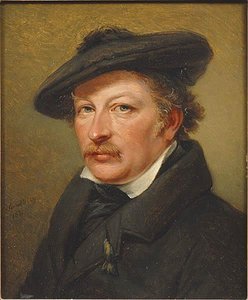
olof johan södermark
1790 - 1848 , Sweden
Основные сведения
- Artistic Movement Or Style: Neoclassical
- Artists Or Movements Influenced By This Artist: ['Classical Art']
- Artists Who Influenced This Artist: ['Jean-Auguste Dominique Ingres']
- Date Of Birth: 1790
- Date Of Death: 1848
- Full Name: Olof Johan Södermark
- Nationality: Swedish
- Notable Artworks:
- King Karl XIV Johan
- henri beyle
- Place Of Birth: Landskrona, Sweden
Похожие статьи
Топ-10 шедевров XIX века: искусство, история и декор от ArtsDot.com
Погрузитесь в мир искусства XIX века! От реализма до импрессионизма – 10 величайших картин, истории художников и вдохновение для вашего интерьера. Репродукции высокого качества на ArtsDot.com. Откройте всю коллекцию онлайн!
Johan Krouthén: Navigating Swedish Romanticism Through Landscape & Light
Explore the captivating landscapes of Johan Krouthén, a Swedish artist who broke from tradition to embrace realism & idealism. Discover his technique, influences, and legacy with ArtsDot.
Thomas George Webster: Navigating Genre Boundaries & American Identity in 19th-Century Landscape Painting
Explore the captivating genre scenes of Thomas George Webster, a Victorian painter bridging British traditions with American themes. Discover his style, influences & legacy in 19th-century art history.
William Henry Pyne: A Topographical Vision of Early 19th-Century England – Art, Society & Watercolour's Rise
Explore the captivating world of William Henry Pyne (1769-1843), a key figure in early 19th-century English art. Discover his stunning watercolours, architectural studies & contribution to the rise of watercolour painting. Learn about this fascinating artist's life and legacy.
10 Шедевров Неоклассицизма: Искусство, Определившее Эпоху | ArtsDot
Погрузитесь в мир неоклассицизма! 10 шедевров от Давида, Кановы и других великих художников. Узнайте историю создания культовых картин и найдите идеальную репродукцию для вашего интерьера на ArtsDot.com