

 Предпросмотр
 Поделиться
 Поделиться
 Детали произведения

 Скачать
 Похожие работы
 Рентгенография
 Слайд-шоу
 Статистика
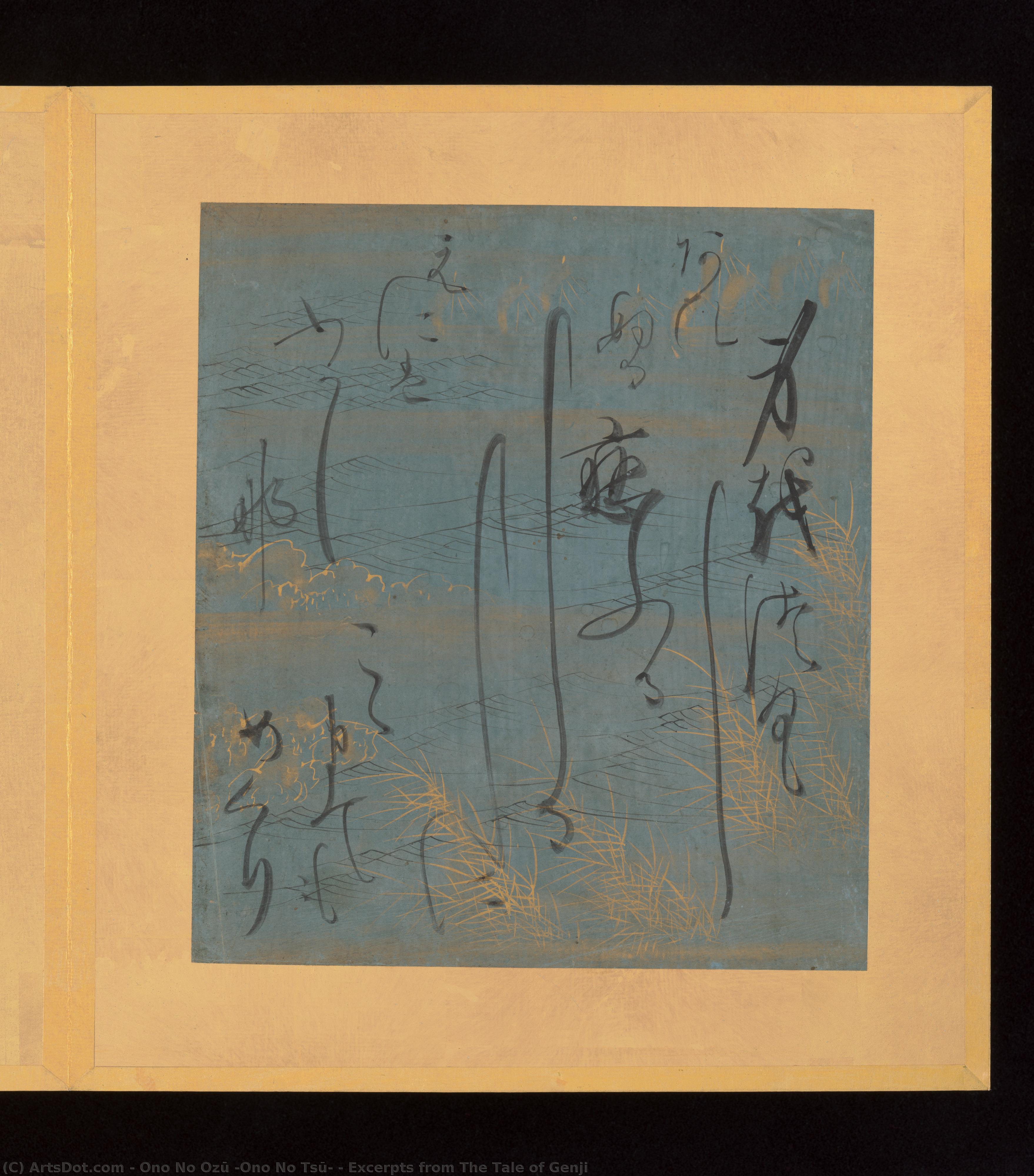
Excerpts from The Tale of Genji
 601
601 30.0cm x 54.0cm
 Читать далее
Приобретите цифровое изображение высокого разрешения в улучшенном качестве, которое значительно превосходит онлайн-превью.
Каждый файл тщательно подготавливается нашими специалистами с использованием передовых инструментов и экспертной ручной ретуши. Мы гарантируем исключительную четкость, точную цветопередачу и детальную проработку каждого изображения.
Финальный файл доставляется по электронной почте в течение 72 часов и оптимизирован для немедленного использования в профессиональной среде, при верстке и печати. Это тот же уровень качества, которому доверяют ведущие дизайнерские студии, издательства и галереи.
Цифровое изображение
Скачайте файл высокого разрешения для личного использования, печати и творческих проектов. ( Перейти к печати Купить картину ручной работы)
Включено в каждый заказ цифровых изображений
Гарантия экспертной цифровой доставки
Выбирая ArtsDot.com, вы получаете не просто изображение — вы приобретаете профессионально обработанное цифровое произведение искусства, созданное с безупречной точностью и под защитой гарантии качества. Вот всё, что автоматически входит в ваш заказ:

Мгновенная доставка по e-mail
Ваш цифровой файл в высоком разрешении будет отправлен вам по электронной почте в течение 72 часов после оформления заказа — и сразу станет доступен для использования.

Цифровой файл с ИИ-улучшением
Ваше произведение искусства проходит профессиональную оптимизацию с использованием передовых инструментов ИИ и ручной обработки, что гарантирует максимальную детализацию, четкость и точность цветопередачи.

Бессрочная бесплатная повторная доставка
Случайно удалили или потеряли файл? Не беспокойтесь — мы отправим его вам повторно в любое время и совершенно бесплатно.

Без импортных пошлин — навсегда
Наслаждайтесь вашим произведением искусства мгновенно без таможенных пошлин, сборов или затрат на доставку — цифровые загрузки всегда не облагаются налогом.

Гарантия точности цветопередачи
Мы гарантируем, что ваше цифровое изображение максимально точно передает оригинальные цвета благодаря использованию профессиональных инструментов и систем управления цветом.

Гарантия удовлетворенности 100 дней
Если вы не будете удовлетворены своим цифровым изображением, мы внесем правки или вернем 100% стоимости в течение 100 дней — без лишних вопросов.

100% Гарантия возврата средств
Не удовлетворены покупкой? Получите полный возврат средств в течение 100 дней после получения цифрового файла — без лишних вопросов.

Скидки на оптовые заказы
Купите 3 изображения, сэкономьте 10% — Купите 5, сэкономьте 15% — Купите 10+, сэкономьте 20%. Отличное решение для творческих проектов, галерей и агентств.
Похожие произведения










Биография художника
A Life Immersed in Art: The World of Ono no Ozū
Ono no Ozū, also known as Ono Otsū, was a remarkable figure within the vibrant cultural landscape of 16th and 17th century Japan. Born around 1567 in Tokyo into a noble samurai family, her life unfolded during a period of significant transition—the waning years of the Azuchi-Momoyama period giving way to the Edo shogunate. While precise details surrounding her early upbringing remain elusive, it is known that she received an exceptional education in the arts, blossoming into a polymath celebrated for her mastery of calligraphy, poetry, painting, and music. This dedication wasn’t merely a pursuit of refinement; it was a path that would lead her to become one of the most esteemed female calligraphers of premodern Japan, navigating the complex world of aristocratic patronage and leaving an indelible mark on Japanese artistic traditions.Kyoto: A Crucible of Artistic Development
The heart of Ono no Ozū’s artistic development lay in Kyoto, the imperial capital and a flourishing center for cultural expression. She immersed herself in the study of painting, calligraphy—the very essence of her later renown—music, chanting, and *waka* poetry, demonstrating an exceptional aptitude across multiple disciplines. This broad foundation was crucial; it wasn’t simply about technical skill but cultivating a holistic understanding of aesthetics and the interconnectedness of various art forms. Her talent quickly drew attention within Kyoto's aristocratic circles, leading to opportunities that would shape her career. She became associated with prominent families, including the powerful Toyotomi clan, potentially serving as a lady-in-waiting or attendant. This proximity to influential figures was not uncommon for talented women of her station, offering both access to patronage and exposure to discerning audiences.Patronage and Recognition in a Changing Era
Ono no Ozū’s artistic prowess extended beyond the confines of Kyoto's elite circles. Her work garnered recognition from members of the burgeoning Tokugawa shogunate—figures like Tokugawa Ieyasu and his son, Tokugawa Hidetada. She was frequently commissioned to teach calligraphy to courtiers, a testament to her skill as both an artist and educator. This patronage was particularly significant; it signified acceptance and validation within a new political order. The transition from the Azuchi-Momoyama period to the Edo shogunate brought about shifts in artistic tastes and priorities. Ono no Ozū’s ability to thrive during this time—to maintain her relevance and secure commissions—speaks volumes about her adaptability, talent, and the enduring appeal of her work. Her signature style, often incorporating elegant brushwork and refined compositions, resonated with the aesthetic sensibilities of the era.The Enduring Legacy: Calligraphy as a Reflection of Spirit
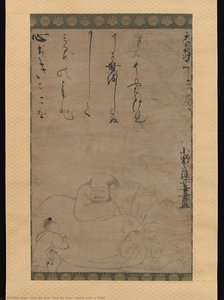
While much of Ono no Ozū’s life remains shrouded in historical ambiguity, her impact on Japanese calligraphy is undeniable. She was celebrated for her ability to infuse her work with both technical precision and emotional depth—a quality that distinguished her from many contemporaries. Her paintings, often featuring subjects like Hotei (the god of contentment), demonstrate a similar balance of skill and spiritual resonance. A prime example is “Hotei and a Child,” currently held in the Metropolitan Museum of Art’s collection, showcasing her delicate ink work and thoughtful composition. Beyond specific artworks, Ono no Ozū's legacy lies in her role as a leading female calligrapher during a period when artistic expression was often dominated by men. She paved the way for future generations of women artists, demonstrating that talent and dedication could transcend societal boundaries. Her influence continues to be felt today, inspiring scholars and artists alike to explore the rich traditions of Japanese calligraphy and the enduring power of art as a reflection of spirit and culture.Further Exploration
- Kasahara, Hisako. *The Women of the Ono House: Komachi and Ozū*. Tokyo, Kanrin Shobō, 2001.
- Ogura, Kazuha. *Ono no Ozū: The Momoyama Flower Revived from the Darkness of History*. Tokyo, Kawade Shobō Shinsha, 1994.
- Fister, Patricia. *Japanese Women Artists 1600–1900*. Lawrence, Spencer Museum of Art, University of Kansas, 1988.
ono no ozū (ono no tsū)
1567 - 1631