

 Предпросмотр
 Поделиться
 Поделиться
 Детали произведения

 Скачать
 Похожие работы
 Рентгенография
 Слайд-шоу
 Статистика
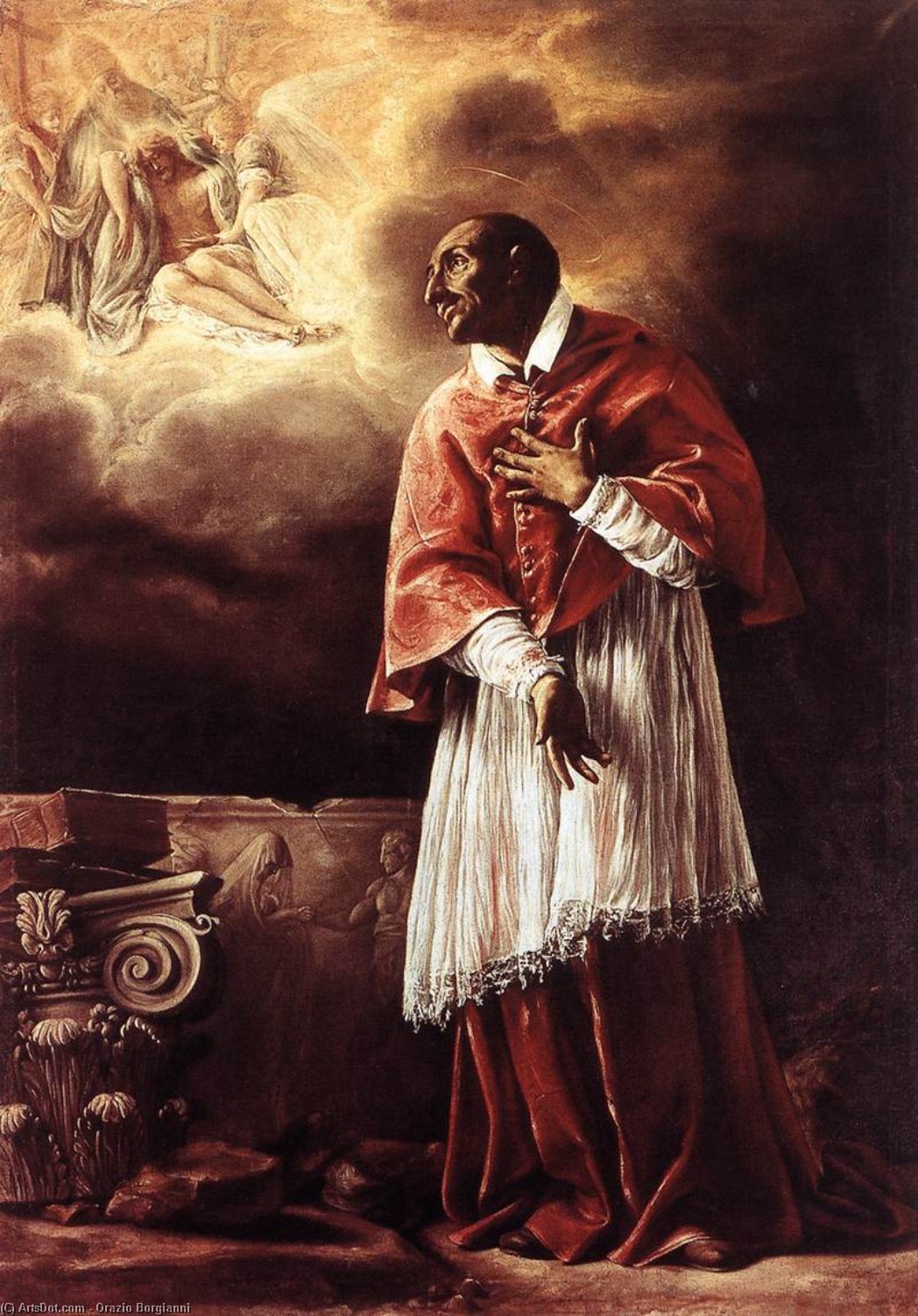
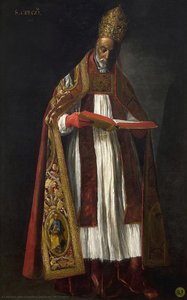
St Carlo Borromeo
 1611
1611 217.0 x 151.0 cm
 Киэза ди Сан Карло алле Кваттро Фонтане
 Читать далее
Приобретите цифровое изображение высокого разрешения в улучшенном качестве, которое значительно превосходит онлайн-превью.
Каждый файл тщательно подготавливается нашими специалистами с использованием передовых инструментов и экспертной ручной ретуши. Мы гарантируем исключительную четкость, точную цветопередачу и детальную проработку каждого изображения.
Финальный файл доставляется по электронной почте в течение 72 часов и оптимизирован для немедленного использования в профессиональной среде, при верстке и печати. Это тот же уровень качества, которому доверяют ведущие дизайнерские студии, издательства и галереи.
Цифровое изображение
Скачайте файл высокого разрешения для личного использования, печати и творческих проектов. ( Перейти к печати Купить картину ручной работы)
Включено в каждый заказ цифровых изображений
Гарантия экспертной цифровой доставки
Выбирая ArtsDot.com, вы получаете не просто изображение — вы приобретаете профессионально обработанное цифровое произведение искусства, созданное с безупречной точностью и под защитой гарантии качества. Вот всё, что автоматически входит в ваш заказ:

Мгновенная доставка по e-mail
Ваш цифровой файл в высоком разрешении будет отправлен вам по электронной почте в течение 72 часов после оформления заказа — и сразу станет доступен для использования.

Цифровой файл с ИИ-улучшением
Ваше произведение искусства проходит профессиональную оптимизацию с использованием передовых инструментов ИИ и ручной обработки, что гарантирует максимальную детализацию, четкость и точность цветопередачи.

Бессрочная бесплатная повторная доставка
Случайно удалили или потеряли файл? Не беспокойтесь — мы отправим его вам повторно в любое время и совершенно бесплатно.

Без импортных пошлин — навсегда
Наслаждайтесь вашим произведением искусства мгновенно без таможенных пошлин, сборов или затрат на доставку — цифровые загрузки всегда не облагаются налогом.

Гарантия точности цветопередачи
Мы гарантируем, что ваше цифровое изображение максимально точно передает оригинальные цвета благодаря использованию профессиональных инструментов и систем управления цветом.

Гарантия удовлетворенности 100 дней
Если вы не будете удовлетворены своим цифровым изображением, мы внесем правки или вернем 100% стоимости в течение 100 дней — без лишних вопросов.

100% Гарантия возврата средств
Не удовлетворены покупкой? Получите полный возврат средств в течение 100 дней после получения цифрового файла — без лишних вопросов.

Скидки на оптовые заказы
Купите 3 изображения, сэкономьте 10% — Купите 5, сэкономьте 15% — Купите 10+, сэкономьте 20%. Отличное решение для творческих проектов, галерей и агентств.
Похожие произведения


Биография художника
Giorgio Vasari: The Architect of Artistic Biography
Giorgio Vasari, born in Arezzo in 1511 and tragically passing away in Florence in 1574, wasn’t merely a painter or architect; he was the pivotal figure who essentially invented the modern art historical biography. Often considered the “minister of culture” to the powerful Medici court in Florence, Vasari’s magnum opus, *The Lives of the Most Excellent Painters, Sculptors, and Architects*, remains a cornerstone of Western artistic understanding, shaping how we perceive and interpret the careers of countless artists from the Renaissance onwards. His work wasn't simply a chronicle; it was a deliberate construction of an idealized narrative, elevating Florence as the undisputed center of artistic innovation – a perspective that, while now recognized for its inherent biases, fundamentally altered the trajectory of art historical scholarship.
Vasari’s early life provided a surprisingly robust foundation for his later endeavors. Initially apprenticed to Guillaume de Marcillat, a stained-glass artist and painter in Arezzo, he received a grounding in both technical skill and humanist learning, including Latin. This early exposure to classical thought would prove crucial in shaping his approach to art history. He then moved to Florence, where he honed his skills under the tutelage of Andrea del Sarto and Baccio Bandinelli, absorbing the prevailing artistic trends of the time. Crucially, Vasari’s education extended beyond the purely visual; he was a keen observer of human nature and possessed an astute understanding of patronage and social dynamics – qualities that would later inform his biographical writing.
A Renaissance Man: Painter, Architect, and Art Historian
Vasari's career spanned diverse artistic disciplines. He excelled as both a painter and architect, contributing significantly to the aesthetic landscape of Florence during the High Renaissance. His architectural designs are particularly noteworthy, including the grand loggia of the Palazzo degli Uffizi, a masterpiece that still dominates the Florentine skyline. However, it’s his role as an art historian – specifically, the author of *The Lives* – that secures his enduring legacy. This monumental work wasn't simply a collection of artist portraits; it was a carefully constructed argument for the importance of artistic innovation and the elevation of Florence as the birthplace of Western art.
The structure of *The Lives* is itself remarkable. Vasari organized his subjects chronologically, grouping them into categories – painters, sculptors, and architects – and presenting each artist’s life alongside a detailed analysis of their works. He meticulously documented not only the artistic achievements but also the personal circumstances, struggles, and even supposed moral failings of each subject. This biographical approach, unprecedented in its scope and ambition, established a new standard for art historical writing. It's important to acknowledge that Vasari’s account is often riddled with inaccuracies and embellishments; he frequently invented details or exaggerated events to bolster his narrative. However, despite these flaws, *The Lives* remains an invaluable source of information about the Renaissance artistic world.
Influences and Artistic Style
Vasari's artistic style reflects the prevailing trends of the Mannerist period, a transitional phase between the High Renaissance and the Baroque. His paintings are characterized by a refined elegance, meticulous detail, and a sophisticated use of color and composition. While he embraced the stylistic innovations of his time – such as complex spatial arrangements and dramatic lighting – he also retained a strong sense of classical proportion and harmony. His architectural work similarly demonstrates a mastery of Renaissance principles, blending functionality with aesthetic beauty.
Vasari was profoundly influenced by several key figures. Leonardo da Vinci, for instance, held a particularly revered position in his writings, serving as a model for artistic excellence and intellectual curiosity. Michelangelo, despite Vasari’s later reservations about the sculptor's temper, also received considerable attention. Furthermore, Vasari drew inspiration from classical texts and humanist ideals, seeking to understand art within a broader cultural context. He was deeply influenced by the concept of *rinascita* (rebirth), popularized by Jules Michelet, which emphasized the revival of classical learning and artistic values during the Renaissance.
Legacy and Historical Significance
Giorgio Vasari’s impact on art history is immeasurable. His *Lives* established a precedent for biographical writing that continues to shape our understanding of artists today. He not only documented the lives of the great masters but also shaped their reputations, often elevating them to legendary status. His emphasis on Florence as the center of artistic innovation helped to solidify the city’s position as a cultural powerhouse – a narrative that has been both celebrated and critiqued over time.
Despite criticisms regarding factual inaccuracies and his inherent bias in favor of Florentine artists, Vasari remains a foundational figure in Western art history. His work provides invaluable insights into the Renaissance artistic world and continues to be studied and debated by scholars today. His legacy extends beyond the realm of art history; he is also considered one of the first cultural critics, offering a unique perspective on the relationship between art, society, and power.
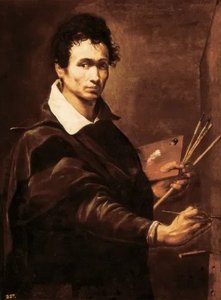
orazio borgianni
1574 - 1616 , Italy
Основные сведения
- Artistic Movement Or Style: Mannerism, Renaissance
- Artists Or Movements Influenced By This Artist:
- Renaissance artists
- Vasari's concept
- Artists Who Influenced This Artist:
- Guglielmo da Marsiglia
- Andrea del Sarto
- Date Of Birth: July 30, 1511
- Date Of Death: June 27, 1574
- Full Name: Giorgio Vasari
- Nationality: Italian
- Notable Artworks:
- Lives of the Most Eminent Painters...
- Tomb of Michelangelo
- Place Of Birth: Arezzo, Tuscany