


 Предпросмотр
 Поделиться
 Поделиться
 Детали произведения

 Скачать
 Похожие работы
 Рентгенография
 Слайд-шоу
 Статистика
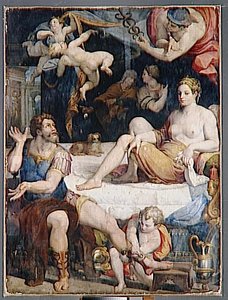
MERCURE ORDONNE A ENEE D'ABANDONNER DIDON


 Читать далее
Жикле / Арт-принт
Печать (жикле) или холст музейного качества с быстрыми сроками изготовления и широким выбором вариантов отделки. ( Купить картину ручной работы Перейти к цифровым изображениям)




P118B $10

P118H $10

P118W $10

P438Z $10

P508JH $12

P508YH $12

P805H $10

P805Z $10

P919BZ $10

P919G $10

P919XJ $10

P959ZH $10

P968JZ $12

W106C $8

W218G $10

W218JH $8

W218Y $10

W307PJ $10

W316G $10

W316PJ $8

W316Y $10

W398PJ $8

W4111J $10

W500HY $15

W500JH $15

W692G $12

W849H $8

W940BG $15

W953PJ $8




Выберите один из наших стандартных размеров, соответствующих оригинальным пропорциям произведения искусства.

Вы можете указать свои собственные размеры, чтобы репродукция идеально подошла под конкретную раму или пространство. Если выбранный вами размер не будет соответствовать пропорциям оригинала, мы либо обрежем произведение, либо дополним изображение зеркальным отражением краев или однотонной заливкой. Перед началом производства вам будет отправлен цифровой макет для утверждения.
Пожалуйста, обратите внимание, что предварительный просмотр на экране не отображает фактическую обрезку или расширение изображения. Только макет точно покажет финальную композицию.
Несмотря на возможность заказа индивидуальных размеров, мы рекомендуем выбирать размер из предопределенного списка, чтобы сохранить оригинальные пропорции.
Доставка по всему миру () за 2 недели вместо стандартных 4/5 недель. (13 Сентябрь)

Бесплатная экспресс-доставка по всему миру

Высококачественный льняной холст

Полное страхование доставки

Гарантия возмещения таможенных пошлин

Гарантия точного соответствия цветов

100-дневная политика возврата (только при обнаружении дефектов)

Гарантия возврата 100% средств

Предложение оптовых скидок
 Вариант со стеклом доступен только для размеров менее 110 см

MERCURE ORDONNE A ENEE D'ABANDONNER DIDON
Жикле / Арт-принт
Размер репродукции
-


Итоговая стоимость
$ 62
Orazio Samacchini’s “Mercure ordonne à Énée d’abandonner Didon”: A Mannerist Drama of Fate
The painting "Mercure ordonne à Énée d’abandonner Didon" by Orazio Samacchini, housed in the Louvre Museum (INV 4637; MR 1718), stands as a testament to the stylistic fervor of the late Renaissance and marks a pivotal moment in Italian art history. Born in Bologna in 1532 and tragically deceased at just 45 in 1577, Samacchini’s artistic legacy resides primarily in his masterful depictions of mythological narratives—particularly this dramatic portrayal of Mercury compelling Aeneas to forsake Dido, Queen of Carthage. More than merely illustrating a biblical tale, the artwork embodies the core tenets of Mannerism, elevating it beyond mere representation into an emotionally charged exploration of human condition.Composition and Style: An Orchestration of Distortion
The canvas’s vertical orientation immediately establishes a sense of grandeur, mirroring the ambition inherent in Mannerist aesthetics. At its center lies Dido, seated upon a bed—a posture conveying profound melancholy and resignation—while Aeneas stands to her left, gesturing upwards with palpable agitation. Above them floats Mercury, rendered as an ethereal figure adorned with his iconic winged helmet and caduceus, issuing directives with unwavering conviction. Scattered throughout the background are additional figures, contributing to a richly layered composition that transcends simple narrative clarity. Two cherubic attendants flank Dido’s bed, reinforcing the painting's theatrical character. The artist skillfully employs elongated forms and exaggerated poses—a hallmark of Mannerism—creating an unsettling dynamism that disrupts conventional perspective. This deliberate distortion serves not only as stylistic flourish but also underscores the psychological complexities at play within the scene.Color Palette and Light: Contrasts That Speak Volumes
Samacchini’s color palette is remarkably vibrant, dominated by hues of crimson, gold, azure, and flesh tones—contrasting sharply against the darker backdrop. The opulent reds symbolize passion and desire, mirroring Dido's unwavering devotion to Aeneas, while the golden accents highlight key elements like Aeneas’ armor and decorative embellishments within the composition. These luminous colors are juxtaposed with shadows that deepen the emotional intensity of the artwork, channeling the dramatic lighting favored by Mannerist painters. Light emanates primarily from above, illuminating the central figures and casting elongated shadows that heighten their expressive power—a technique designed to captivate the viewer’s gaze and evoke a visceral response.Technique and Materials: Layered Depth and Textured Surfaces
The painting's execution demonstrates meticulous attention to detail, particularly in rendering facial expressions and drapery. Samacchini employs a layered application of oil paint—a hallmark of Baroque technique—creating textured surfaces that convey depth and luminosity. The artist skillfully manipulates brushstrokes to achieve remarkable realism while simultaneously injecting an element of stylized distortion. Pigments are blended with oil binder on a prepared canvas or panel, resulting in a surface finish that captures the subtle nuances of light and shadow—a testament to Samacchini’s mastery of artistic craftmanship.Symbolism and Narrative Significance: Fate's Grip on Human Desire
“Mercure ordonne à Énée d’abandonner Didon” delves into profound themes of love, duty, and inescapable fate—concepts central to Renaissance humanist thought. Mercury’s presence symbolizes divine intervention, highlighting the inescapable influence of supernatural forces upon human affairs. Dido’s sorrowful expression encapsulates the devastating consequences of prioritizing personal longing over societal obligations. Ultimately, Samacchini's artwork compels contemplation on the weighty decisions that shape our lives and underscores the poignant beauty found within narratives of loss and disillusionment—a timeless exploration of the human spirit rendered with unparalleled artistic brilliance.Похожие произведения
Биография художника
The Luminous Shadows of Orazio Samacchini
In the vibrant, intellectually charged atmosphere of late 16th-century Italy, few artists captured the tension between classical grace and Mannerist drama as effectively as Orazio Samacchino. Born in Bologna in 1532, Samacchini emerged from a city steeped in humanist tradition, a background that would later inform the profound allegorical depth of his compositions. His early years were defined by a rigorous apprenticeship under the celebrated Pellegrino Tibaldi, a master whose expressive use of color and emotional intensity provided the foundational blueprint for Samacchini’s burgeoning style. Through Tibaldi, the young artist learned to move beyond mere representation, seeking instead to infuse the human form with a palpable, often restless, vitality.
The trajectory of Samacchini’s career took a transformative turn in 1563 when he journeyed to Rome. This relocation placed him at the very epicenter of the artistic world during the transformative reign of Pope Pius IV. In the hallowed halls of the Vatican, Samacchini engaged in monumental collaborations that would cement his reputation among the elite. Working alongside the Zuccari brothers—Taddeo and Giovanni Battista—he contributed to the breathtaking decoration of the Vatican Belvedere and the Sala Regia. It was during this Roman period that his work began to absorb the sophisticated nuances of Venetian Mannerism, integrating a more luminous palette and a sense of compositional dynamism that echoed the influence of Titian.
A Mastery of Myth and Emotion
As Samacchini’s style matured, it became a captivating study in contrasts. He possessed a singular ability to manipulate light and shadow, creating chiaroscuro effects that lent his figures a sculptural presence and an almost theatrical weight. His subject matter frequently drifted between the sacred and the profane, navigating the complex narratives of classical mythology and profound religious devotion with equal fervor. In works such as Hercules and Antaeus, one can witness the raw power and muscular tension characteristic of the late Renaissance, while his mythological dramas, like the poignant Mercure ordonne à Énée d’abandonner Didon, showcase a sophisticated command of psychological tension and fate.
The artist's technical repertoire was as diverse as his inspirations. Whether executing grand-scale frescoes or more intimate panel paintings, Samacchini utilized intricate ornamentation and deliberately distorted figures to evoke the "maniera"—the stylized elegance that defined the era. His later works in Bologna and Parma reflect a synthesis of his various influences:
- The expressive, emotive brushwork inherited from Tibaldi.
- The grand, narrative scale required by papal commissions in Rome.
- The rich, atmospheric color palettes inspired by the Venetian school.
Legacy within the Mannerist Tradition
Though history often remembers the titans of the era like Michelangelo or Raphael, Orazio Samacchini remains a vital figure for understanding the transition of Italian art. His life, though tragically short—ending in 1577 at the age of forty-five—was marked by an unrelenting pursuit of artistic innovation. By blending the intellectual rigor of Bolognese humanism with the visual splendor of Roman and Venetian traditions, he helped cultivate a stylistic language that celebrated complexity, movement, and drama. His contributions to the churches of Bologna and the great palaces of Italy serve as enduring testaments to a master who could turn paint into poetry, capturing the fleeting beauty and the eternal struggles of the human condition.
Orazio Samacchini
1532 - 1577 , Italy
Основные сведения
- Artistic Movement Or Style: Late Renaissance & Mannerist
- Artists Or Movements Influenced By This Artist: ['Raphael']
- Artists Who Influenced This Artist: ['Pellegrino Tibaldi']
- Date Of Birth: December 20, 1532
- Date Of Death: June 12, 1577
- Full Name: Orazio Samacchini
- Nationality: Italian
- Notable Artworks:
- Hercules & Antaeus
- Allegory of Wisdom
- Mercure Ordonne A Enée D'Abandonner Didon
- Place Of Birth: Bologna, Italy
Похожие статьи
Timeless Elegance: The Ultimate Buyer's Guide to Choosing Classical Portraits for Sophisticated Interiors
Discover how to select the perfect classical portrait for your home. Our expert guide explores matching art styles to interiors, choosing between hand-painted oils and Giclée prints, and transforming personal photos into timeless masterpieces with professional artistry.
10 Шедевров Неоклассицизма: Искусство, Определившее Эпоху | ArtsDot
Погрузитесь в мир неоклассицизма! 10 шедевров от Давида, Канновы и других великих художников. Узнайте историю создания культовых картин и вдохновитесь для интерьера. Репродукции музейного качества на ArtsDot.com

The Enduring Legacy of Oil on Canvas: Technique, History & Aesthetic Impact
Explore the rich history & techniques of oil painting – from Renaissance masters to Impressionism. Discover pigments, layering methods, and why this timeless medium endures. Expert insights for artists & art enthusiasts.
The Enduring Legacy of Classicism: Principles, Evolution & Influence in Western Art
Explore the enduring legacy of Classicism in Western art! Discover its historical context, key principles, iconic masterpieces & lasting influence. Learn about Renaissance and Neoclassical movements with ArtsDot.

Oil on Canvas: A Historical & Technical Exploration of a Timeless Artistic Medium
Explore the rich history & enduring techniques of oil painting on canvas. Discover the science behind its longevity, conservation practices, and contemporary relevance. Expert insights for art enthusiasts.