


 Предпросмотр
 Поделиться
 Поделиться
 Детали произведения

 Скачать
 Похожие работы
 Рентгенография
 Слайд-шоу
 Статистика
Medea Rejuvenating Aeson


 Читать далее
Приобретите цифровое изображение высокого разрешения в улучшенном качестве, которое значительно превосходит онлайн-превью.
Каждый файл тщательно подготавливается нашими специалистами с использованием передовых инструментов и экспертной ручной ретуши. Мы гарантируем исключительную четкость, точную цветопередачу и детальную проработку каждого изображения.
Финальный файл доставляется по электронной почте в течение 72 часов и оптимизирован для немедленного использования в профессиональной среде, при верстке и печати. Это тот же уровень качества, которому доверяют ведущие дизайнерские студии, издательства и галереи.
Цифровое изображение
Скачайте файл высокого разрешения для личного использования, печати и творческих проектов. ( Перейти к печати Купить картину ручной работы)
Включено в каждый заказ цифровых изображений
Гарантия экспертной цифровой доставки
Выбирая ArtsDot.com, вы получаете не просто изображение — вы приобретаете профессионально обработанное цифровое произведение искусства, созданное с безупречной точностью и под защитой гарантии качества. Вот всё, что автоматически входит в ваш заказ:

Мгновенная доставка по e-mail
Ваш цифровой файл в высоком разрешении будет отправлен вам по электронной почте в течение 72 часов после оформления заказа — и сразу станет доступен для использования.

Цифровой файл с ИИ-улучшением
Ваше произведение искусства проходит профессиональную оптимизацию с использованием передовых инструментов ИИ и ручной обработки, что гарантирует максимальную детализацию, четкость и точность цветопередачи.

Бессрочная бесплатная повторная доставка
Случайно удалили или потеряли файл? Не беспокойтесь — мы отправим его вам повторно в любое время и совершенно бесплатно.

Без импортных пошлин — навсегда
Наслаждайтесь вашим произведением искусства мгновенно без таможенных пошлин, сборов или затрат на доставку — цифровые загрузки всегда не облагаются налогом.

Гарантия точности цветопередачи
Мы гарантируем, что ваше цифровое изображение максимально точно передает оригинальные цвета благодаря использованию профессиональных инструментов и систем управления цветом.

Гарантия удовлетворенности 100 дней
Если вы не будете удовлетворены своим цифровым изображением, мы внесем правки или вернем 100% стоимости в течение 100 дней — без лишних вопросов.

100% Гарантия возврата средств
Не удовлетворены покупкой? Получите полный возврат средств в течение 100 дней после получения цифрового файла — без лишних вопросов.

Скидки на оптовые заказы
Купите 3 изображения, сэкономьте 10% — Купите 5, сэкономьте 15% — Купите 10+, сэкономьте 20%. Отличное решение для творческих проектов, галерей и агентств.
A Nocturne of Magic and Myth
In the shadowy, enigmatic depths of Orlando Flacco’s Medea Rejuvenating Aeson, we are invited into a world where the boundaries between the mundane and the miraculous dissolve. This evocative masterpiece captures a pivotal moment of ancient sorcery, centered on the legendary figure of Medea. The scene unfolds as a masterful nocturne, utilizing a dramatic interplay of light and shadow to evoke the esoteric atmosphere of the late 16th century. As the sorceress performs her transformative ritual, turning a slain ram into a vibrant lamb within a bubbling cauldron, the viewer is drawn into a state of breathless anticipation. The painting does not merely depict a myth; it breathes life into the very concept of alchemy and the profound mystery of metamorphosis.
The composition is structured with a theatrical brilliance that suggests an epilogue unfolding in the distance. While the foreground focuses on the intense, concentrated energy of Medea’s magic, the background offers a glimpse of her eventual flight in a chariot drawn by dragons—a visual echo of Euripides' tragic narrative. This layering of time and action creates a profound sense of depth, making the canvas feel like a window into a multi-dimensional saga. For the discerning collector, this piece offers more than just aesthetic beauty; it provides a complex narrative tapestry that rewards repeated contemplation.
Mastery of Light and Mannerist Elegance
Technically, Flacco demonstrates an extraordinary command over the chiaroscuro effects that define the era's fascination with light. The illumination seems to emanate from the magical process itself, casting a spectral glow upon the faces of the onlookers and the surrounding landscape. This deliberate use of lighting serves to heighten the emotional tension, pulling the eye toward the center of the ritual while leaving much of the periphery shrouded in a mysterious, velvety darkness. The brushwork, though subtle, lends a tactile quality to the textures of the scene—from the heavy folds of the garments to the primal elements of the cauldron and the animals involved.
The stylistic influence of Mannerism is evident in the dramatic positioning of the figures and the heightened emotionality of their expressions. There is an inherent tension in the way the characters surround Medea, a mixture of awe, fear, and desperate hope that resonates deeply with anyone moved by the human condition. This piece is not merely a historical document but a psychological study of power and its consequences. For interior designers seeking to anchor a room with a sense of history and intellectual weight, this artwork serves as a sophisticated focal point, bringing an air of classical grandeur and storytelling intrigue to any curated space.
A Timeless Addition to the Connoisseur's Collection
Owning a reproduction of such a profound work is an opportunity to possess a fragment of the Renaissance spirit. Medea Rejuvenating Aeson embodies the intellectual curiosity of its time—a period where science, magic, and literature were inextricably linked. The painting’s ability to evoke both the terror of the unknown and the wonder of transformation makes it a versatile piece for high-end decor, whether placed in a library, a study, or a formal gallery setting.
As an investment in art appreciation, this work stands as a testament to the enduring power of myth. It invites conversation and serves as a bridge to the classical past, offering a sophisticated aesthetic that transcends modern trends. Whether you are drawn to its dark, atmospheric beauty or its complex historical layers, this painting promises to be a captivating presence that inspires awe and reflection for generations to come.
Похожие произведения
Биография художника
Quentin Matsys: A Pioneer of Antwerp’s Artistic Renaissance
Quentin Matsys, a figure shrouded in both legend and scholarly debate, stands as a pivotal artist within the burgeoning artistic landscape of 16th-century Flanders. Born around 1465/6 – though precise dates remain elusive, often debated between 1466 and 1470 – his life began not with brushes and pigments but with the clang of an anvil. Tradition holds that he was a skilled ironsmith in Leuven, Belgium, abandoning this practical trade to pursue his true calling: painting. This early apprenticeship, though perhaps embellished by folklore, speaks to a common thread among many artists of the period—a grounding in craftsmanship that informed their artistic sensibilities. Matsys’s career unfolded primarily in Antwerp, a vibrant port city rapidly becoming a center for commerce, culture, and artistic innovation. It was here, amidst the bustling workshops and competitive guild environment, that he established himself as a leading painter, laying the foundations for what would become known as the Antwerp School of painting. Matsys’s early works demonstrate a clear debt to Jan van Eyck and Rogier van der Weyden, the masters who had previously dominated Flemish art. His initial paintings are characterized by meticulous detail, rich colors, and a focus on realistic representation— hallmarks of the Early Netherlandish style. However, unlike his predecessors, Matsys gradually introduced elements that would distinguish his work: a subtle shift towards greater dynamism, a heightened sense of theatricality, and, crucially, a burgeoning interest in satire and moralizing themes. This evolution is particularly evident in his portraits, where he captured not just the outward appearance of his subjects but also their personalities and social standing with remarkable acuity. The “Ugly Duchess,” perhaps his most famous work, exemplifies this approach—a strikingly honest depiction of a woman whose beauty was far from conventional, offering a commentary on vanity and societal expectations.A Master of Technique and Innovation
Matsys’s technical skill is undeniable. He possessed an exceptional command of oil paint, utilizing layering techniques to achieve astonishingly luminous colors and intricate details. His use of perspective, while not entirely revolutionary at the time, was notably advanced for its era, creating a sense of depth and spatial realism in his compositions. However, Matsys’s true genius lay not just in replicating reality but in manipulating it—in subtly altering proportions, introducing unexpected gestures, and employing dramatic lighting to heighten emotional impact. He experimented with new compositional arrangements, often placing figures within complex, layered spaces that invited the viewer's eye to explore every corner of the canvas. Furthermore, Matsys was a pioneer in portraiture, developing innovative techniques for capturing likenesses and conveying personality. His portraits are not merely representations of individuals; they are psychological studies, offering glimpses into the inner lives of his subjects.The Antwerp School and Artistic Influence
Matsys is widely considered the founder of the Antwerp School of painting, a movement that profoundly shaped the course of Northern Renaissance art. His influence extended far beyond his own workshop, inspiring generations of artists who followed in his footsteps. Artists such as Joachim Patinir, Hugo van der Goes, and Pieter Bruegel the Elder all studied under Matsys or were directly influenced by his work. The Antwerp School’s distinctive style—characterized by its rich colors, meticulous detail, and often allegorical or moralizing themes—became a dominant force in Flemish painting throughout the 16th century. Matsys's emphasis on dynamism and theatricality paved the way for later artists to explore more expressive forms of representation.Themes and Symbolism
Matsys’s paintings frequently explored complex theological, moral, and philosophical themes. He was particularly interested in depicting scenes from the Bible, but he often approached these subjects with a critical eye, questioning traditional interpretations and offering alternative perspectives. His works are replete with symbolism—hidden meanings embedded within the details of his compositions. For example, in “The Temptation of St. Anthony,” the landscape itself becomes a metaphor for the spiritual struggles faced by the saint. His satirical depictions of contemporary society, such as the "Ugly Duchess," served as social commentary, challenging conventional notions of beauty and virtue.Legacy and Historical Significance
Quentin Matsys died in Antwerp in 1530, leaving behind a remarkably diverse body of work that continues to fascinate art historians today. While his life remains somewhat enigmatic—the details of his early training and personal life are shrouded in legend—his artistic legacy is firmly established. He was a pivotal figure in the transition from Early Netherlandish painting to Mannerism, bridging the gap between tradition and innovation. His pioneering techniques, his insightful portraits, and his willingness to challenge conventional norms cemented his place as one of the most important artists of the 16th century. His work serves as a testament to the vibrant artistic spirit of Antwerp during a period of profound social and cultural change, offering a valuable window into the complexities of Renaissance Europe.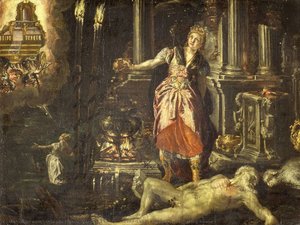
orlando flacco (verona 1530 ca. - 1592/1593)
1530 - 1592 , Italy
Основные сведения
- Artistic Movement Or Style: Early Netherlandish
- Artists Or Movements Influenced By This Artist: ['Antwerp School']
- Artists Who Influenced This Artist: ['Hans Memling']
- Date Of Birth: 1466/65
- Date Of Death: 1530
- Full Name: Quentin Matsys
- Nationality: Flemish
- Notable Artworks:
- The Ugly Duchess
- Assumption of the Virgin
- Place Of Birth: Leuven, Belgium