

 Предпросмотр
 Поделиться
 Поделиться
 Детали произведения

 Скачать
 Похожие работы
 Рентгенография
 Слайд-шоу
 Статистика
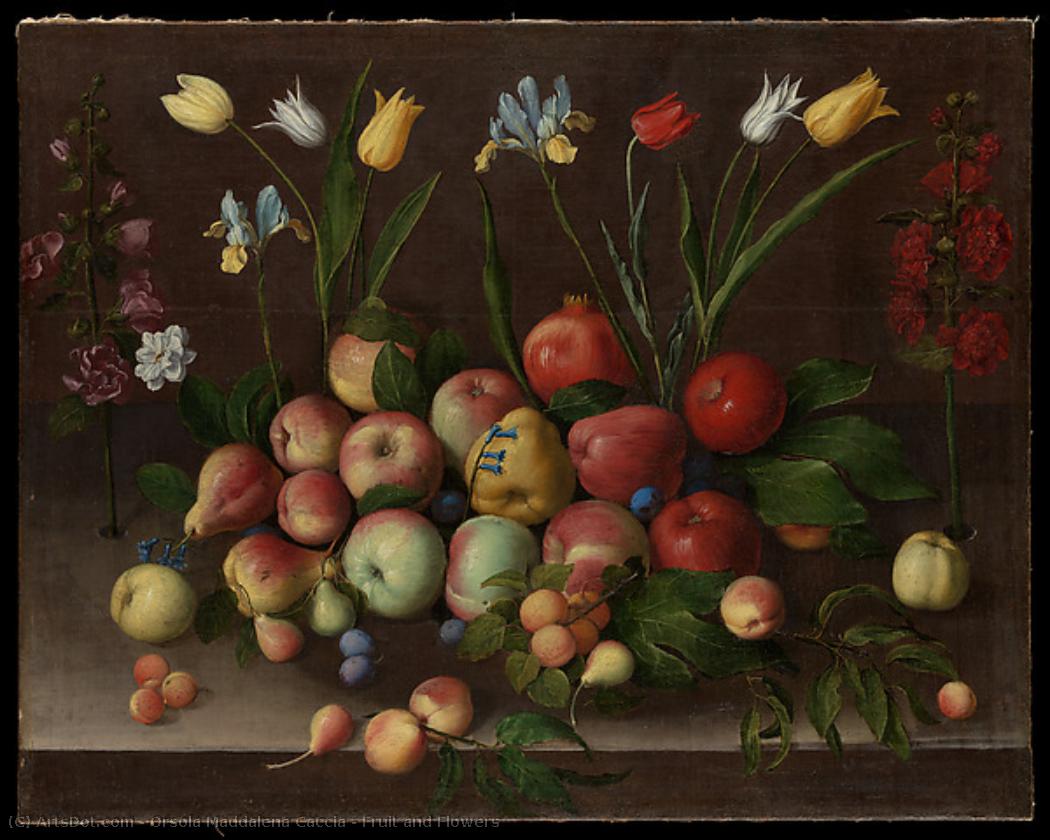
Fruit and Flowers
 Oil On Canvas
- WallArt
- Northern Mannerism
 1630
1630- Early Modern
 76.0 x 99.0 cm
 Музей Метрополитен
 Читать далее
Приобретите цифровое изображение высокого разрешения в улучшенном качестве, которое значительно превосходит онлайн-превью.
Каждый файл тщательно подготавливается нашими специалистами с использованием передовых инструментов и экспертной ручной ретуши. Мы гарантируем исключительную четкость, точную цветопередачу и детальную проработку каждого изображения.
Финальный файл доставляется по электронной почте в течение 72 часов и оптимизирован для немедленного использования в профессиональной среде, при верстке и печати. Это тот же уровень качества, которому доверяют ведущие дизайнерские студии, издательства и галереи.
Цифровое изображение
Скачайте файл высокого разрешения для личного использования, печати и творческих проектов. ( Перейти к печати Купить картину ручной работы)
Включено в каждый заказ цифровых изображений
Гарантия экспертной цифровой доставки
Выбирая ArtsDot.com, вы получаете не просто изображение — вы приобретаете профессионально обработанное цифровое произведение искусства, созданное с безупречной точностью и под защитой гарантии качества. Вот всё, что автоматически входит в ваш заказ:

Мгновенная доставка по e-mail
Ваш цифровой файл в высоком разрешении будет отправлен вам по электронной почте в течение 72 часов после оформления заказа — и сразу станет доступен для использования.

Цифровой файл с ИИ-улучшением
Ваше произведение искусства проходит профессиональную оптимизацию с использованием передовых инструментов ИИ и ручной обработки, что гарантирует максимальную детализацию, четкость и точность цветопередачи.

Бессрочная бесплатная повторная доставка
Случайно удалили или потеряли файл? Не беспокойтесь — мы отправим его вам повторно в любое время и совершенно бесплатно.

Без импортных пошлин — навсегда
Наслаждайтесь вашим произведением искусства мгновенно без таможенных пошлин, сборов или затрат на доставку — цифровые загрузки всегда не облагаются налогом.

Гарантия точности цветопередачи
Мы гарантируем, что ваше цифровое изображение максимально точно передает оригинальные цвета благодаря использованию профессиональных инструментов и систем управления цветом.

Гарантия удовлетворенности 100 дней
Если вы не будете удовлетворены своим цифровым изображением, мы внесем правки или вернем 100% стоимости в течение 100 дней — без лишних вопросов.

100% Гарантия возврата средств
Не удовлетворены покупкой? Получите полный возврат средств в течение 100 дней после получения цифрового файла — без лишних вопросов.

Скидки на оптовые заказы
Купите 3 изображения, сэкономьте 10% — Купите 5, сэкономьте 15% — Купите 10+, сэкономьте 20%. Отличное решение для творческих проектов, галерей и агентств.
A Symphony of Nature: The Luminous World of Orsola Maddalena Caccia
In the quietude of a 17th-century convent, away from the grand, sweeping narratives of Baroque history painting, a different kind of revolution was taking place. Orsola Maddalena Caccia, a nun whose brush captured the very essence of life, invites us into a world where the ephemeral beauty of a petal and the succulent weight of a ripening fruit are treated with profound reverence. Her masterpiece, Fruit and Flowers, painted circa 1630, is not merely a study of botanical specimens but a vibrant, breathing tapestry of color and light. To gaze upon this work is to step into a sanctuary of stillness, where the frantic pace of the world dissolves into the delicate textures of a meticulously arranged still life.
Caccia’s technique represents a captivating intersection of Mannerist elegance and an almost scientific devotion to observation. Unlike the dramatic, shadow-drenched chiaroscuro favored by her Northern contemporaries, Caccia employs a more decorative and stylized approach. She utilizes flattened perspectives and intricate details to guide the eye across the canvas, creating a rhythmic dance of forms. Each element—from the velvety crimson of a rose to the bright, citrusy glow of an orange—is rendered with a precision that speaks to her deep intellectual curiosity. For the discerning collector or interior designer, this painting offers a sophisticated balance; it possesses the structural grace required for formal settings while providing a burst of organic vitality that can breathe life into any curated space.
The Silent Language of Symbolism and Spirit
Beyond its visual splendor, Fruit and Flowers serves as a complex poem written in the language of nature. During the Renaissance and Baroque eras, flora was rarely chosen for mere decoration; every bloom carried a weight of spiritual and emotional meaning. In this composition, the prominent red roses on the left act as anchors of passion and beauty, their deep hues resonating with the warmth of life itself. Interspersed among them, the delicate lilies offer a silent prayer of purity and grace, creating a tension between the earthly delights of fruit and the celestial aspirations of the soul. This duality is what gives the work its enduring emotional impact—it captures the fleeting moment of perfection before decay sets in, reminding us of the preciousness of the present.
The arrangement itself, featuring apples, pears, and oranges scattered with a calculated casualness, evokes a sense of abundance and divine providence. The way the light catches the skin of a pear or the curve of an orange creates a tactile experience for the viewer, making the art feel almost tangible. For those seeking to adorn a home with pieces that inspire contemplation, Caccia’s work provides more than just aesthetic pleasure; it offers a window into a meditative state of being. A high-quality reproduction of this piece brings not only a timeless classic into a room but also an atmosphere of peace, elegance, and a profound connection to the natural world.
Похожие произведения
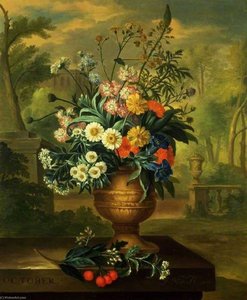
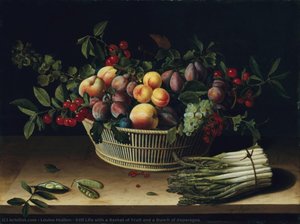
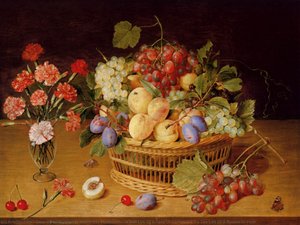
Биография художника
Orsola Maddalena Caccia: A Nun’s Revolutionary Art
Orsola Maddalena Caccia, born Theodora Caccia in Moncalvo, Italy, in 1596, stands as a pivotal figure in the history of art – a testament to creativity blossoming within the confines of religious life. Her journey, spanning nearly eight decades, is one of quiet revolution, challenging conventional notions about artistic practice and paving the way for women’s participation in the burgeoning world of painting during the 17th century. More than just a skilled artist, Orsola was a pioneer, an abbess, and a teacher who fundamentally shifted perspectives on the role of nuns within the church and as creators. Her legacy is not one of grand, public acclaim, but rather a slow, deliberate unveiling of a remarkable body of work that continues to captivate art historians today.A Life Shaped by Art and Faith
Orsola’s early life was deeply intertwined with the artistic traditions of her family. Born into a lineage of painters – her father, Guglielmo Caccia, was a respected artist in his own right – she received an invaluable education in technique and composition from a young age. She learned to mix pigments, study anatomy, and master the subtle nuances of perspective within her father’s studio, assisting him with preparatory sketches and secondary figures in his paintings. This apprenticeship provided a solid foundation for her future endeavors. However, Orsola's life took an unexpected turn when, at the age of twenty-four, she entered the Ursuline convent of Bianzè. This decision wasn’t merely a shift in lifestyle; it represented a profound transformation – a deliberate choice to dedicate her artistic talents to God and the community. The convent itself was strategically located on the borderlands between powerful warring states—Gonzaga, Mantua, Monferrato, and Savoy—necessitating its establishment as a safer haven for the Ursuline sisters. Her father’s foresight in securing permission and providing resources for this new foundation ensured that Orsola's artistic path would continue within the walls of her childhood home.The Convent Studio: A Space for Innovation
Upon relocating to the newly founded convent in Moncalvo, Orsola established a dedicated studio—a remarkable achievement for a woman operating within the constraints of religious life. This wasn’t simply a room where she painted; it was a center of artistic production and instruction. She welcomed novitiates into her workshop, imparting her knowledge and fostering a new generation of female artists within the convent community. This act of mentorship was revolutionary in itself – challenging the prevailing belief that women were incapable of serious artistic training or independent creative expression. Orsola’s influence extended beyond her immediate students; she became a respected figure within the local art scene, receiving commissions from patrons both near and far, including members of the nobility. Her work reflected a blend of Mannerist influences inherited from her father, combined with a distinctly personal style that emphasized emotional depth and meticulous detail.A Pioneer in Still Life and Religious Iconography
Orsola’s artistic output spanned several distinct genres: religious altarpieces, intimate devotional paintings, and, most notably, pioneering still lifes. While the Italian art world was beginning to embrace the dramatic innovations of Caravaggio and other Baroque masters, Orsola's work offered a quieter, more contemplative approach. Her still lifes, particularly those created later in her career, are considered groundbreaking for their time – showcasing an unprecedented level of detail and realism in depicting flowers, fruits, and everyday objects. These weren’t merely decorative elements; they were imbued with symbolic meaning, reflecting the convent's devotion to nature and God’s creation. Her religious paintings, often featuring depictions of the Virgin Mary and Christ Child, are characterized by a serene beauty and a profound sense of spirituality. The use of rich colors, intricate patterns, and carefully rendered figures creates an atmosphere of reverence and contemplation. She skillfully blended traditional iconography with subtle personal touches, imbuing her works with a unique emotional resonance.Legacy and Recognition
Orsola Maddalena Caccia’s life and work remained largely obscured for centuries after her death in 1676. Her contributions were overshadowed by the prominence of male artists and the limitations placed upon women within the art world. However, in recent decades, scholars have begun to recognize Orsola's significance as a truly exceptional artist – a woman who defied expectations, established a thriving artistic practice within a religious context, and profoundly influenced the development of both religious painting and still life in Italy. Her legacy is not one of fleeting fame but rather enduring recognition as a pioneer, an innovator, and a testament to the power of creativity to transcend social boundaries. Today, her paintings are treasured for their beauty, their technical skill, and their poignant reflection of a remarkable woman’s journey – a nun who dared to paint her way into art history.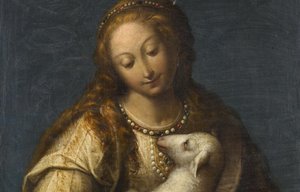
Orsola Maddalena Caccia
1596 - 1676 , Italy
Основные сведения
- Artistic Movement Or Style: Mannerism, Religious Painting
- Artists Or Movements Influenced By This Artist: ['Ursuline nuns']
- Artists Who Influenced This Artist: ['Guglielmo Caccia (father)']
- Date Of Birth: 1596-12-04
- Date Of Death: 1676
- Full Name: Orsola Maddalena Caccia
- Nationality: Italian
- Notable Artworks:
- Birth of the Virgin
- St. Luke in his Studio
- Place Of Birth: Moncalvo, Italy