

 Предпросмотр
 Поделиться
 Поделиться
 Детали произведения

 Скачать
 Похожие работы
 Рентгенография
 Слайд-шоу
 Статистика
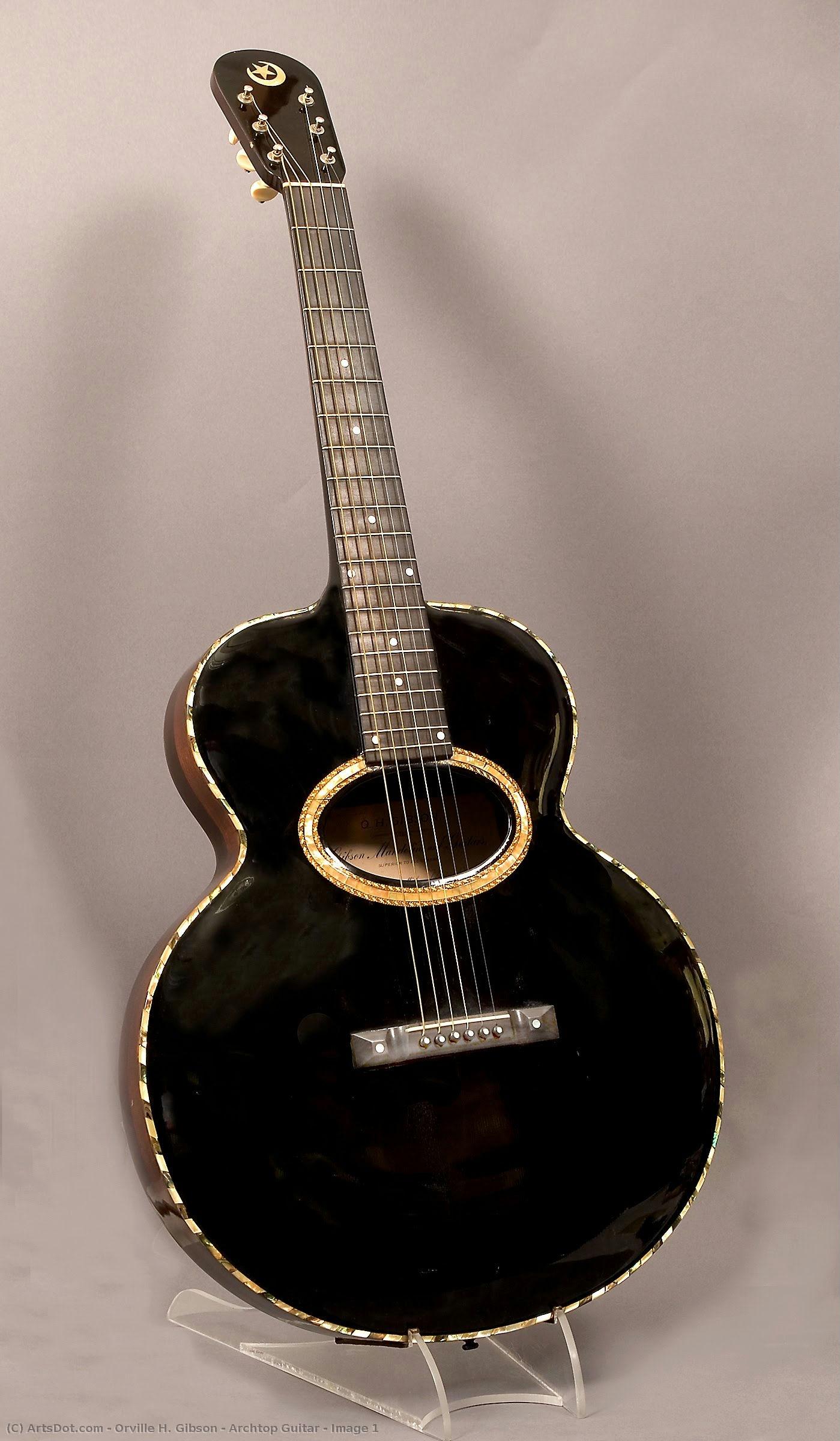
Archtop Guitar - Image 1

 Читать далее
Масляная репродукция ручной работы
Картина маслом на холсте в выбранном вами размере и раме, написанная на заказ нашими художниками. ( Перейти к печати Перейти к цифровым изображениям)




































Выберите один из наших стандартных размеров, соответствующих оригинальным пропорциям произведения искусства.

Вы можете указать собственные размеры, чтобы картина идеально вписалась в выбранную раму или пространство. Если выбранный вами размер не соответствует пропорциям оригинала, мы либо обрежем полотно, либо расширим его за счет дополнительных элементов, написанных вручную. Цифровой макет будет отправлен вам на утверждение перед началом производства.
Обратите внимание, что предварительный просмотр на экране не отражает фактическую обрезку или расширение. Только макет точно покажет окончательную композицию.
Хотя доступны индивидуальные размеры, мы рекомендуем выбирать вариант из предопределенного списка, чтобы сохранить исходные пропорции.
После оформления заказа команда ArtsDot.com свяжется с клиентом по электронной почте для уточнения деталей и предоставит предварительный макет
Доставка по всему миру () за 3–4 недели вместо стандартных 5 недель. (13 Сентябрь). Без компромиссов в качестве.

Бесплатная экспресс-доставка по всему миру

Высококачественный льняной холст

Полное страхование доставки

Гарантия возмещения таможенных пошлин

Гарантия точного соответствия цветов

100-дневная политика возврата (только при обнаружении дефектов)

Гарантия возврата 100% средств

Предложение оптовых скидок
 Вариант со стеклом доступен только для размеров менее 110 см

Archtop Guitar - Image 1
Техника репродукции
Размер репродукции
-


Итоговая стоимость
$ 263
Похожие произведения










Биография художника
The Architect of American Sound
In the quiet, pastoral landscape of late 19th-century America, a revolution was being carved from single blocks of wood. Orville H. Gibson, born in May 1856 near Chateaugay, New York, was not merely a craftsman but a visionary whose hands reshaped the very resonance of a nation. Descended from English immigrants and a mother with Peruvian heritage, Gibson’s early life on a rural farm provided a backdrop of meticulous patience. His formative years were deeply influenced by his father’s devotion to classical guitar, an exposure that instilled in him a profound reverence for tonal nuance and the delicate architecture of sound. This early intimacy with stringed instruments planted the seeds for a career that would eventually bridge the gap between European classical traditions and the burgeoning American musical identity.
The true genesis of Gibson’s genius arrived through his fascination with the violin, a cornerstone of the European musical canon. He sought to capture the ethereal, projecting qualities of the violin within the more portable forms of the mandolin and guitar. This pursuit led to his most radical departure from convention: the abandonment of the traditional flatback design in favor of something far more sculptural. In 1894, he constructed a remarkable 10-string mandolin-guitar, an instrument that signaled the end of the era of simple, pressed-wood instruments and the beginning of a new, carved aesthetic. By treating the back, neck, and ribs as a singular, integrated unit—often carved from a single piece of wood—he created instruments that were not only more durable but possessed a voice that was uniquely powerful and resonant.
Innovation Carved in Wood
Gibson’s technical mastery reached its zenith with his 1898 patent for an "Improved Mandolin." This was no mere incremental update; it was a structural metamorphosis. Drawing inspiration from the arched construction of the violin, Gibson pioneered the archtop design, utilizing carved soundboards and backs that allowed for greater projection and a richer, more complex harmonic spectrum. His method involved carving the sides from solid blocks rather than using bent wood strips, a technique that demanded extraordinary skill and resulted in an instrument with unparalleled structural integrity. These early creations, such as his archtop guitars and mandolins, featured exquisite details like star and crescent inlays and abalone binding, making them as much visual masterpieces as they were acoustic triumphs.
The impact of his work was so profound that it necessitated the transition from a solitary workshop to an industrial powerhouse. In 1902, the Gibson Mandolin-Guitar Mfg. Co., Ltd. was formed in Kalamazoo, Michigan, driven by the immense demand for his revolutionary designs. While the company eventually moved toward more traditional mass-production methods to meet global needs, the foundational DNA of Orville’s craftsmanship—the distinctive arched tops and the pursuit of superior acoustic projection—remained the hallmark of the brand. He stood as a figure of unparalleled importance, a luthier whose "eccentric" visions and dreams provided the literal and metaphorical framework for the golden age of American stringed instruments.
A Lasting Resonance
Though Orville H. Gibson passed away in August 1918, his legacy remains etched into the history of music. He did not simply build instruments; he engineered a new way to hear. His ability to synthesize the classical elegance of European lutherie with the rugged, innovative spirit of the American frontier created a sonic language that would later define jazz, blues, and folk music. To look upon an early Gibson instrument is to witness the intersection of art and engineering, where every curve and carve serves the ultimate purpose of beauty through sound.
- The Visionary: A luthier who transformed the mandolin from a flatback novelty into a carved-top powerhouse.
- The Innovation: The introduction of the archtop design, heavily influenced by violin construction techniques.
- The Legacy: The founding of the Gibson Guitar Company, which became a cornerstone of American musical culture.
- The Craft: A meticulous approach to using solid woods like walnut and maple to achieve unprecedented resonance.

orville h. gibson
1856 - 1918 , United States of America
Основные сведения
- Artistic Movement Or Style: Luthier
- Artists Or Movements Influenced By This Artist: ['Gibson Guitar']
- Artists Who Influenced This Artist: ['Violin']
- Date Of Death: August 19, 1918
- Full Name: Orville H. Gibson
- Nationality: American
- Notable Artworks: ['Archtop Guitar']
- Place Of Birth: Kalamazoo, United States