

 Предпросмотр
 Поделиться
 Поделиться
 Детали произведения

 Скачать
 Похожие работы
 Рентгенография
 Слайд-шоу
 Статистика
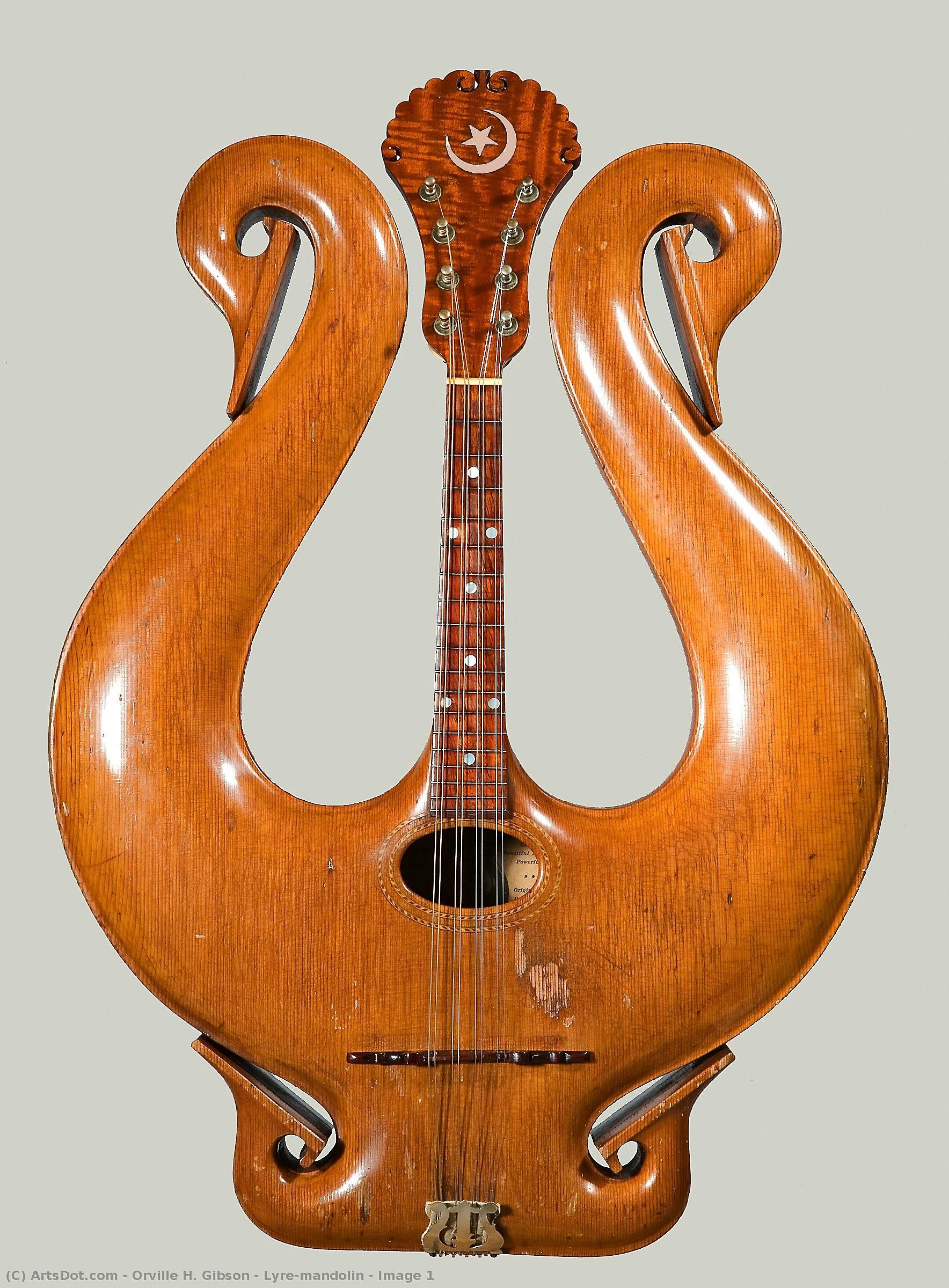
Lyre-mandolin - Image 1


 Читать далее
Приобретите цифровое изображение высокого разрешения в улучшенном качестве, которое значительно превосходит онлайн-превью.
Каждый файл тщательно подготавливается нашими специалистами с использованием передовых инструментов и экспертной ручной ретуши. Мы гарантируем исключительную четкость, точную цветопередачу и детальную проработку каждого изображения.
Финальный файл доставляется по электронной почте в течение 72 часов и оптимизирован для немедленного использования в профессиональной среде, при верстке и печати. Это тот же уровень качества, которому доверяют ведущие дизайнерские студии, издательства и галереи.
Цифровое изображение
Скачайте файл высокого разрешения для личного использования, печати и творческих проектов. ( Перейти к печати Купить картину ручной работы)
Включено в каждый заказ цифровых изображений
Гарантия экспертной цифровой доставки
Выбирая ArtsDot.com, вы получаете не просто изображение — вы приобретаете профессионально обработанное цифровое произведение искусства, созданное с безупречной точностью и под защитой гарантии качества. Вот всё, что автоматически входит в ваш заказ:

Мгновенная доставка по e-mail
Ваш цифровой файл в высоком разрешении будет отправлен вам по электронной почте в течение 72 часов после оформления заказа — и сразу станет доступен для использования.

Цифровой файл с ИИ-улучшением
Ваше произведение искусства проходит профессиональную оптимизацию с использованием передовых инструментов ИИ и ручной обработки, что гарантирует максимальную детализацию, четкость и точность цветопередачи.

Бессрочная бесплатная повторная доставка
Случайно удалили или потеряли файл? Не беспокойтесь — мы отправим его вам повторно в любое время и совершенно бесплатно.

Без импортных пошлин — навсегда
Наслаждайтесь вашим произведением искусства мгновенно без таможенных пошлин, сборов или затрат на доставку — цифровые загрузки всегда не облагаются налогом.

Гарантия точности цветопередачи
Мы гарантируем, что ваше цифровое изображение максимально точно передает оригинальные цвета благодаря использованию профессиональных инструментов и систем управления цветом.

Гарантия удовлетворенности 100 дней
Если вы не будете удовлетворены своим цифровым изображением, мы внесем правки или вернем 100% стоимости в течение 100 дней — без лишних вопросов.

100% Гарантия возврата средств
Не удовлетворены покупкой? Получите полный возврат средств в течение 100 дней после получения цифрового файла — без лишних вопросов.

Скидки на оптовые заказы
Купите 3 изображения, сэкономьте 10% — Купите 5, сэкономьте 15% — Купите 10+, сэкономьте 20%. Отличное решение для творческих проектов, галерей и агентств.
Похожие произведения

Биография художника
The Architect of American Sound
In the quiet, pastoral landscape of late 19th-century America, a revolution was being carved from single blocks of wood. Orville H. Gibson, born in May 1856 near Chateaugay, New York, was not merely a craftsman but a visionary whose hands reshaped the very resonance of a nation. Descended from English immigrants and a mother with Peruvian heritage, Gibson’s early life on a rural farm provided a backdrop of meticulous patience. His formative years were deeply influenced by his father’s devotion to classical guitar, an exposure that instilled in him a profound reverence for tonal nuance and the delicate architecture of sound. This early intimacy with stringed instruments planted the seeds for a career that would eventually bridge the gap between European classical traditions and the burgeoning American musical identity.
The true genesis of Gibson’s genius arrived through his fascination with the violin, a cornerstone of the European musical canon. He sought to capture the ethereal, projecting qualities of the violin within the more portable forms of the mandolin and guitar. This pursuit led to his most radical departure from convention: the abandonment of the traditional flatback design in favor of something far more sculptural. In 1894, he constructed a remarkable 10-string mandolin-guitar, an instrument that signaled the end of the era of simple, pressed-wood instruments and the beginning of a new, carved aesthetic. By treating the back, neck, and ribs as a singular, integrated unit—often carved from a single piece of wood—he created instruments that were not only more durable but possessed a voice that was uniquely powerful and resonant.
Innovation Carved in Wood
Gibson’s technical mastery reached its zenith with his 1898 patent for an "Improved Mandolin." This was no mere incremental update; it was a structural metamorphosis. Drawing inspiration from the arched construction of the violin, Gibson pioneered the archtop design, utilizing carved soundboards and backs that allowed for greater projection and a richer, more complex harmonic spectrum. His method involved carving the sides from solid blocks rather than using bent wood strips, a technique that demanded extraordinary skill and resulted in an instrument with unparalleled structural integrity. These early creations, such as his archtop guitars and mandolins, featured exquisite details like star and crescent inlays and abalone binding, making them as much visual masterpieces as they were acoustic triumphs.
The impact of his work was so profound that it necessitated the transition from a solitary workshop to an industrial powerhouse. In 1902, the Gibson Mandolin-Guitar Mfg. Co., Ltd. was formed in Kalamazoo, Michigan, driven by the immense demand for his revolutionary designs. While the company eventually moved toward more traditional mass-production methods to meet global needs, the foundational DNA of Orville’s craftsmanship—the distinctive arched tops and the pursuit of superior acoustic projection—remained the hallmark of the brand. He stood as a figure of unparalleled importance, a luthier whose "eccentric" visions and dreams provided the literal and metaphorical framework for the golden age of American stringed instruments.
A Lasting Resonance
Though Orville H. Gibson passed away in August 1918, his legacy remains etched into the history of music. He did not simply build instruments; he engineered a new way to hear. His ability to synthesize the classical elegance of European lutherie with the rugged, innovative spirit of the American frontier created a sonic language that would later define jazz, blues, and folk music. To look upon an early Gibson instrument is to witness the intersection of art and engineering, where every curve and carve serves the ultimate purpose of beauty through sound.
- The Visionary: A luthier who transformed the mandolin from a flatback novelty into a carved-top powerhouse.
- The Innovation: The introduction of the archtop design, heavily influenced by violin construction techniques.
- The Legacy: The founding of the Gibson Guitar Company, which became a cornerstone of American musical culture.
- The Craft: A meticulous approach to using solid woods like walnut and maple to achieve unprecedented resonance.

orville h. gibson
1856 - 1918 , United States of America
Основные сведения
- Artistic Movement Or Style: Luthier
- Artists Or Movements Influenced By This Artist: ['Gibson Guitar']
- Artists Who Influenced This Artist: ['Violin']
- Date Of Death: August 19, 1918
- Full Name: Orville H. Gibson
- Nationality: American
- Notable Artworks: ['Archtop Guitar']
- Place Of Birth: Kalamazoo, United States