

 Предпросмотр
 Поделиться
 Поделиться
 Детали произведения

 Скачать
 Похожие работы
 Рентгенография
 Слайд-шоу
 Статистика
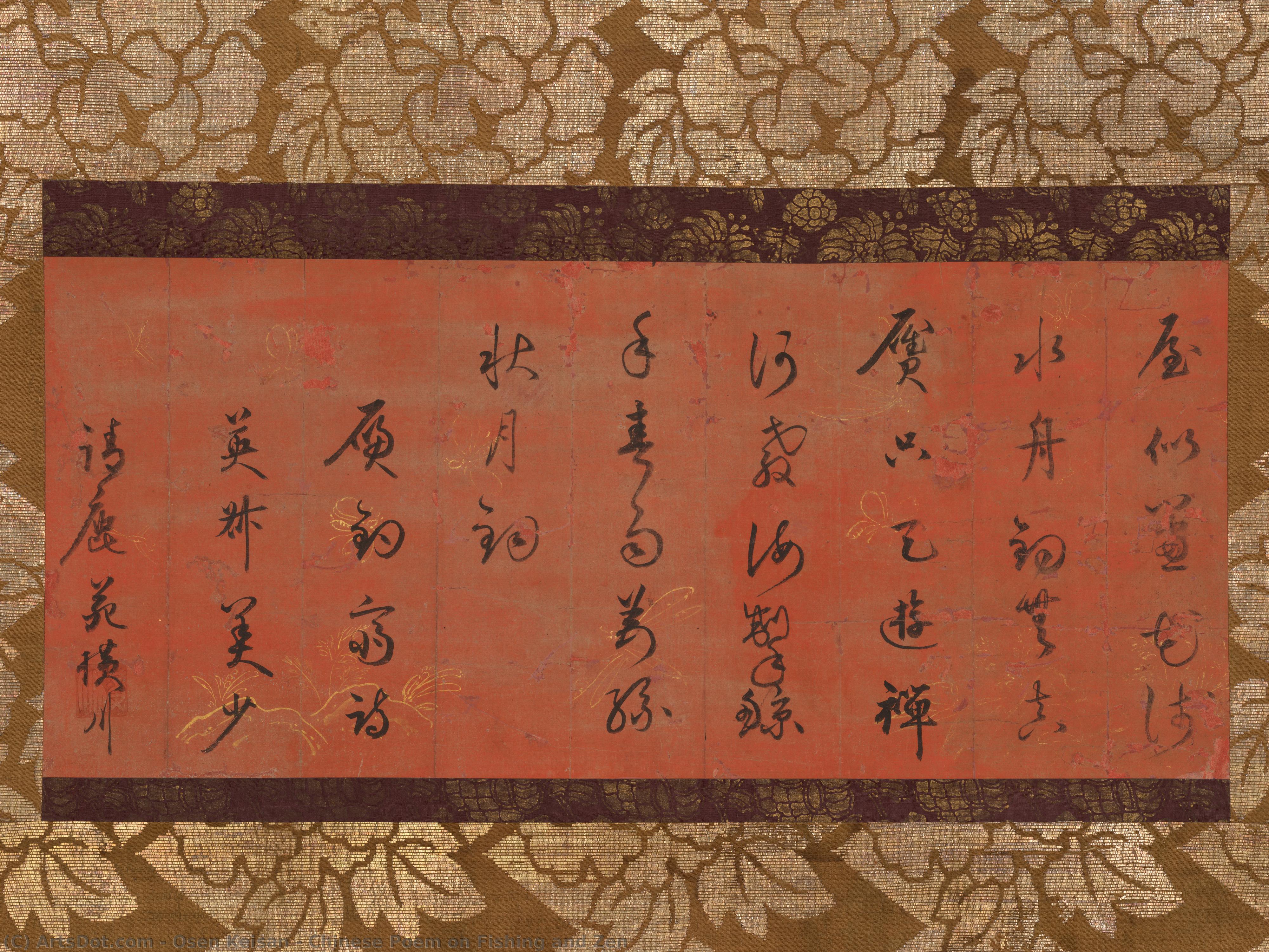
Chinese Poem on Fishing and Zen
 Ink On Paper
- Zen Calligraphy
 401
401- Early Modern
 22.0cm x 50.0cm
 Читать далее
Приобретите цифровое изображение высокого разрешения в улучшенном качестве, которое значительно превосходит онлайн-превью.
Каждый файл тщательно подготавливается нашими специалистами с использованием передовых инструментов и экспертной ручной ретуши. Мы гарантируем исключительную четкость, точную цветопередачу и детальную проработку каждого изображения.
Финальный файл доставляется по электронной почте в течение 72 часов и оптимизирован для немедленного использования в профессиональной среде, при верстке и печати. Это тот же уровень качества, которому доверяют ведущие дизайнерские студии, издательства и галереи.
Цифровое изображение
Скачайте файл высокого разрешения для личного использования, печати и творческих проектов. ( Перейти к печати Купить картину ручной работы)
Включено в каждый заказ цифровых изображений
Гарантия экспертной цифровой доставки
Выбирая ArtsDot.com, вы получаете не просто изображение — вы приобретаете профессионально обработанное цифровое произведение искусства, созданное с безупречной точностью и под защитой гарантии качества. Вот всё, что автоматически входит в ваш заказ:

Мгновенная доставка по e-mail
Ваш цифровой файл в высоком разрешении будет отправлен вам по электронной почте в течение 72 часов после оформления заказа — и сразу станет доступен для использования.

Цифровой файл с ИИ-улучшением
Ваше произведение искусства проходит профессиональную оптимизацию с использованием передовых инструментов ИИ и ручной обработки, что гарантирует максимальную детализацию, четкость и точность цветопередачи.

Бессрочная бесплатная повторная доставка
Случайно удалили или потеряли файл? Не беспокойтесь — мы отправим его вам повторно в любое время и совершенно бесплатно.

Без импортных пошлин — навсегда
Наслаждайтесь вашим произведением искусства мгновенно без таможенных пошлин, сборов или затрат на доставку — цифровые загрузки всегда не облагаются налогом.

Гарантия точности цветопередачи
Мы гарантируем, что ваше цифровое изображение максимально точно передает оригинальные цвета благодаря использованию профессиональных инструментов и систем управления цветом.

Гарантия удовлетворенности 100 дней
Если вы не будете удовлетворены своим цифровым изображением, мы внесем правки или вернем 100% стоимости в течение 100 дней — без лишних вопросов.

100% Гарантия возврата средств
Не удовлетворены покупкой? Получите полный возврат средств в течение 100 дней после получения цифрового файла — без лишних вопросов.

Скидки на оптовые заказы
Купите 3 изображения, сэкономьте 10% — Купите 5, сэкономьте 15% — Купите 10+, сэкономьте 20%. Отличное решение для творческих проектов, галерей и агентств.
A Poetic Convergence of Zen and Nature
In the delicate dance of ink upon vibrant, orange-red dyed paper, the Chinese Poem on Fishing and Zen offers a profound window into the spiritual landscape of late Edo-period Japan. Created by the eminent Zen monk-literatus Ōsen Keisan, this masterpiece is far more than a mere calligraphic exercise; it is a meditative journey captured in brushstrokes. The artwork presents a quatrain that weaves together the humble reality of a fisherman’s life with the expansive, infinite reaches of Buddhist philosophy. As the eye wanders across the flowing characters, one finds a world where a simple hut resembles a shallow-water skiff amidst reeds, and where the act of fishing becomes a metaphor for navigating the vast ocean of Buddhist Law. The piece invites the viewer to transcend the mundane, finding stillness in the rhythmic movement of the ink.
The technical mastery displayed in this work is nothing short of breathtaking. Keisan utilizes a sophisticated combination of standard, semi-cursive, and cursive scripts, creating a visual rhythm that mirrors the ebb and flow of water. Each stroke is executed with a flamboyant yet controlled energy, demonstrating the artist's absolute command over his medium. The choice of orange-red paper provides a warm, luminous backdrop that breathes life into the dark ink, while subtle gold accents lend an air of sacredness to the composition. This interplay of color and texture creates a sense of depth, making the calligraphy appear as though it is floating upon a sunset-lit river, much like the subject matter of the poem itself.
The Soul of the Literati Tradition
To understand this work, one must look to the historical context of the Gozan Bungaku culture. As a prominent figure within the Rinzai Zen sect and a confidant to the eighth Ashikaga shogun, Keisan was a bridge between the monastic world and the high literary salons of Kyoto. His ability to infuse classical Chinese poetic forms with the spontaneous spirit of Zen calligraphy reflects the intellectual sophistication of his era. The symbolism embedded within the text is deeply evocative: the use of fine spring rain as a fishing line and the crescent moon as a hook suggests a delicate, almost ethereal connection between the human spirit and the cosmos. It is an invitation to find the extraordinary within the ordinary.
For the discerning collector or interior designer, this reproduction serves as a powerful focal point that brings both tranquility and intellectual depth to a space. The artwork’s ability to balance intense visual warmth with meditative stillness makes it an ideal centerpiece for a study, a serene lounge, or a contemplative gallery setting. It does not merely decorate a wall; it commands the atmosphere, offering a continuous stream of inspiration for those who appreciate the profound intersection of fine art, ancient poetry, and spiritual wisdom. Owning such a piece is an opportunity to preserve a fragment of Japan's golden age of Zen literature and calligraphic excellence.
Похожие произведения
Биография художника
The Master of Meticulous Realism: The Life of Osen Keisan
In the vibrant cultural landscape of Japan’s late Edo period, few artists captured the quiet, breathing essence of the natural world as tenderly as Osen Keisan. Born in the bustling merchant city of Osaka in 1751, Keisan emerged during an era of profound artistic transition, a time when the rigid traditions of the past were beginning to bloom into new, more observational forms of expression. His life, spanning from the mid-eighteenth century to his passing in 1828, was dedicated to a pursuit of truth through the brush, seeking to bridge the gap between the seen world and the painted canvas with unparalleled precision.
The foundation of Keisan’s extraordinary talent was laid under the watchful eye of one of Japan's most influential masters, Maruyama Okyo. This apprenticeship was more than mere technical training; it was an immersion into a revolutionary way of seeing. From Okyo, Keisan inherited a devotion to the shasei style—a method centered on direct observation and naturalism. This mentorship instilled in him a profound respect for the subtle textures of life, teaching him that true beauty lies not in exaggeration, but in the delicate, faithful rendering of reality. As he matured, Keisan refined this inherited legacy, developing a signature touch that balanced scientific accuracy with a poetic, almost ethereal, grace.
A Symphony of Nature: Themes and Artistry
To gaze upon a work by Osen Keisan is to enter a sanctuary of stillness. His repertoire was a celebration of the organic, characterized by a meticulous attention to detail that commanded the viewer's full presence. He moved through his subjects with the ease of a naturalist, finding profound meaning in the simplest of forms. His artistry can be explored through several distinct yet harmonious lenses:
- The Breath of Landscapes: Keisan’s landscapes are far more than mere backdrops; they are atmospheric journeys. He possessed a rare ability to balance the structural realism of terrain with an aesthetic appeal that evokes the shifting light and seasonal moods of the Japanese countryside.
- Floral Elegance: In his floral compositions, every petal and stem is treated with reverence. His depictions of blossoms demonstrate not only a mastery of color but a deep botanical understanding, allowing the viewer to sense the very fragrance of the subject through the medium of ink and pigment.
- The Vitality of Avian Art: Perhaps nowhere is his skill more evident than in his paintings of birds. Keisan rendered feathers and sinew with such startling precision that his avian subjects seem poised to take flight from the silk or paper, capturing a sense of life and movement that transcends the static nature of art.
Legacy and Historical Significance
While Osen Keisan may not have achieved the global fame of some of his contemporaries outside the borders of Japan, his impact within the nation's artistic canon remains deeply significant. He stood as a vital link in the evolution of Japanese realism, contributing to a movement that moved away from stylized abstraction toward a more intimate connection with the physical world. His work helped define the aesthetic sensibilities of the late Edo period, influencing subsequent generations of artists who sought to capture the fleeting beauty of the natural realm.
Today, his legacy is preserved in prestigious institutions such as the Osaka City Museum of Fine Arts, where his works serve as a testament to his enduring mastery. When we look at his paintings, we see more than just historical artifacts; we see a lifelong dialogue between an artist and the world around him—a dialogue that continues to resonate with anyone who finds wonder in the intricate details of life. His contributions remain a cornerstone of Japanese art history, reminding us that there is infinite complexity to be found in a single flower or a solitary bird.
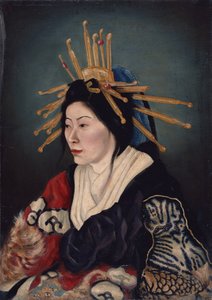
osen keisan
1751 - 1828 , Japan
Основные сведения
- Artistic Movement Or Style: English Rococo
- Artists Or Movements Influenced By This Artist:
- Romanticism
- Caricature
- Artists Who Influenced This Artist:
- Nicolas Poussin
- Claude Lorrain
- Date Of Birth: November 5, 1697
- Date Of Death: April 28, 1764
- Full Name: William Hogarth
- Nationality: British
- Notable Artworks:
- Beer Street and Gin Lane
- Marriage A-la-Mode
- A Rake's Progress
- Industry and Idleness
- Place Of Birth: London, England