

 Предпросмотр
 Поделиться
 Поделиться
 Детали произведения

 Скачать
 Похожие работы
 Рентгенография
 Слайд-шоу
 Статистика
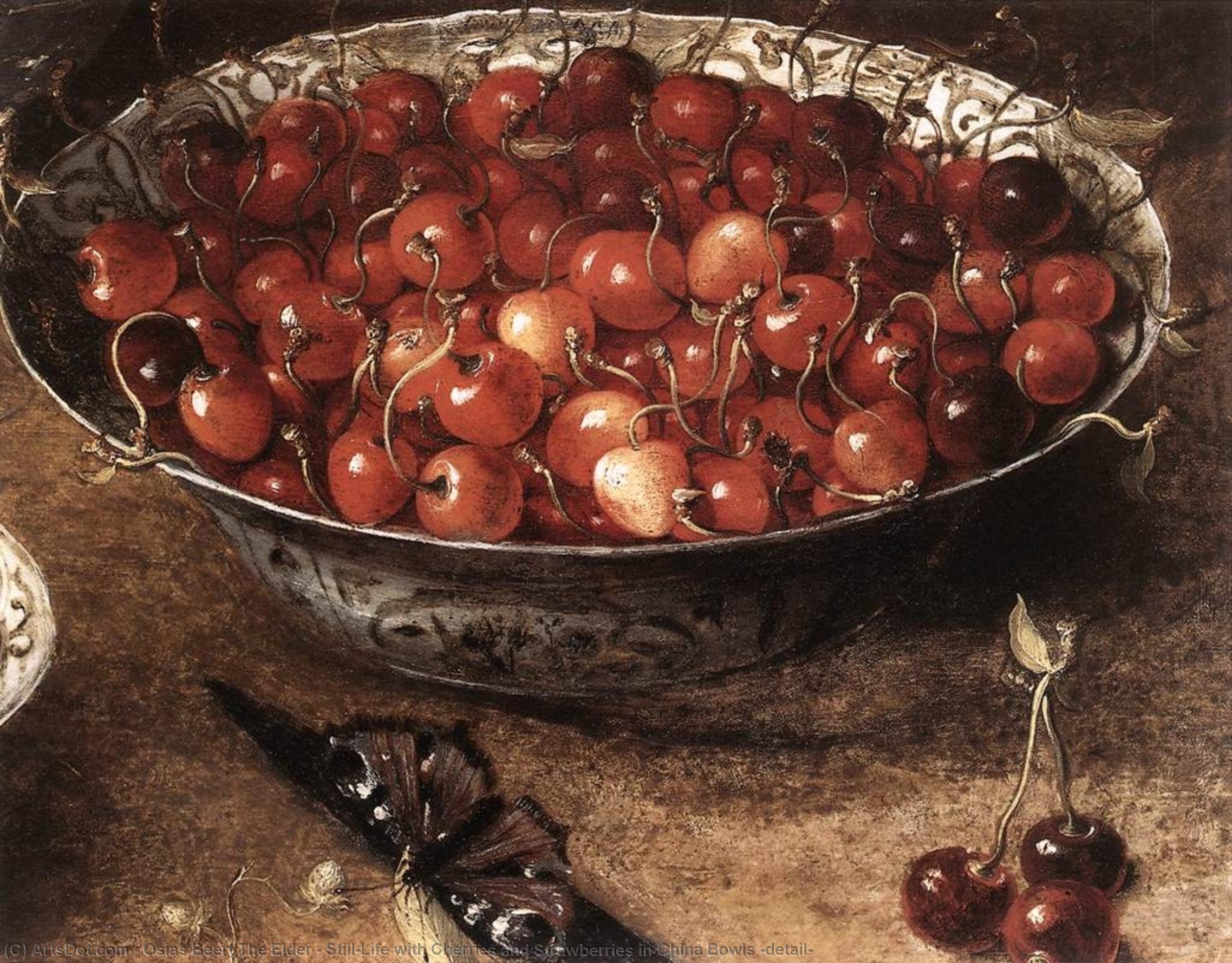
Still-Life with Cherries and Strawberries in China Bowls (detail)


 Читать далее
Масляная репродукция ручной работы
Картина маслом на холсте в выбранном вами размере и раме, написанная на заказ нашими художниками. ( Перейти к печати Перейти к цифровым изображениям)




P118B $10

P118H $10

P118W $10

P438Z $10

P508JH $12

P508YH $12

P805H $10

P805Z $10

P919BZ $10

P919G $10

P919XJ $10

P959ZH $10

P968JZ $12

W106C $8

W218G $10

W218JH $8

W218Y $10

W307PJ $10

W316G $10

W316PJ $8

W316Y $10

W398PJ $8

W4111J $10

W500HY $15

W500JH $15

W692G $12

W849H $8

W940BG $15

W953PJ $8




Выберите один из наших стандартных размеров, соответствующих оригинальным пропорциям произведения искусства.

Вы можете указать собственные размеры, чтобы картина идеально вписалась в выбранную раму или пространство. Если выбранный вами размер не соответствует пропорциям оригинала, мы либо обрежем полотно, либо расширим его за счет дополнительных элементов, написанных вручную. Цифровой макет будет отправлен вам на утверждение перед началом производства.
Обратите внимание, что предварительный просмотр на экране не отражает фактическую обрезку или расширение. Только макет точно покажет окончательную композицию.
Хотя доступны индивидуальные размеры, мы рекомендуем выбирать вариант из предопределенного списка, чтобы сохранить исходные пропорции.
После оформления заказа команда ArtsDot.com свяжется с клиентом по электронной почте для уточнения деталей и предоставит предварительный макет
Доставка по всему миру () за 3–4 недели вместо стандартных 5 недель. (13 Сентябрь). Без компромиссов в качестве.

Бесплатная экспресс-доставка по всему миру

Высококачественный льняной холст

Полное страхование доставки

Гарантия возмещения таможенных пошлин

Гарантия точного соответствия цветов

100-дневная политика возврата (только при обнаружении дефектов)

Гарантия возврата 100% средств

Предложение оптовых скидок
 Вариант со стеклом доступен только для размеров менее 110 см

Still-Life with Cherries and Strawberries in China Bowls (detail)
Техника репродукции
Размер репродукции
-


Итоговая стоимость
$ 263
A Symphony of Crimson and Light
In the quiet intimacy of this exquisite detail from 1608, we encounter a masterclass in the art of the miniature and the profound beauty found in the simplest of offerings. Osias Beert the Elder, a pioneer of the Flemish still life tradition, invites us into a sensory experience where the boundaries between reality and painted illusion dissolve. The composition centers on a delicate arrangement of cherries and strawberries nestled within fine China bowls, a subject that speaks to both the abundance of nature and the refined tastes of the early seventeenth-century Antwerp elite. Each fruit is rendered with such meticulous precision that one can almost sense the taut skin of a ripe cherry and the subtle, seeded texture of a sun-ripened strawberry.
The visual impact of this work lies in its vibrant, jewel-like palette. Beert utilizes a sophisticated command of color to create a rhythmic dance of reds—ranging from deep, translucent garnets to bright, energetic crimsons—set against the subtle, luminous surfaces of the porcelain. This interplay is heightened by his masterful use of chiaroscuro, where soft light dances across the curves of the fruit, casting gentle shadows that provide a remarkable sense of three-dimensional volume. For the discerning collector or interior designer, this piece offers a focal point of intense vitality, capable of breathing life and a sense of historical grandeur into any contemporary space.
The Art of the Breakfast Painting
To understand this work is to understand the dawn of the "breakfast painting" genre. During the Dutch Golden Age, artists like Beert moved away from the grand, sweeping narratives of religious iconography toward a more contemplative, domestic aesthetic. This specific detail captures the essence of that movement: the elevation of the everyday to the level of high art. The arrangement is not merely a depiction of food, but a carefully choreographed display of texture and light. The way the strawberries are scattered across the top of the bowl creates a sense of casual elegance, suggesting a moment frozen in time during a quiet morning meal.
Beyond its aesthetic charm, the painting carries a subtle layer of symbolic weight common to the period. In the tradition of Northern European still life, such bountiful displays often served as memento mori—reminders of the fleeting nature of earthly pleasures and the ephemeral beauty of life. The ripeness of the fruit represents the peak of perfection, yet its very sweetness hints at the inevitable passage of time. This duality creates a profound emotional resonance, inviting the viewer to linger on the beauty of the present moment while reflecting on the deeper cycles of existence.
A Timeless Addition to the Curated Home
For those seeking to infuse their surroundings with a sense of heritage and sophisticated charm, this reproduction serves as an incomparable treasure. The meticulous attention to detail inherent in Beert’s technique ensures that every brushstroke tells a story of craftsmanship and devotion. Whether placed in a sunlit breakfast nook to echo its subject matter or used as a dramatic accent in a formal study, the painting brings with it the prestige of the Flemish Baroque era.
Owning a piece inspired by such a pivotal figure in art history is more than an act of decoration; it is an investment in a legacy of visual storytelling. The rich textures and deep, emotive colors of this still life provide a timeless elegance that transcends fleeting trends, offering a permanent connection to the golden age of European painting.
Похожие произведения
Биография художника
Osias Beert the Elder: Pioneer of Flemish Still Life
Osias Beert (c. 1580 – 1623) stands as a pivotal figure in the burgeoning field of Northern European still life painting during the Dutch Golden Age, specifically recognized for his groundbreaking approach to depicting floral arrangements and banquet scenes—a style that would come to be known as “breakfast paintings.” Born around 1580 in Antwerp, Beert’s artistic journey began under the tutelage of Andries van Baseroo, establishing him firmly within the influential Antwerp art milieu. This formative period instilled in him a meticulous attention to detail and a masterful command of chiaroscuro—the dramatic interplay of light and shadow—techniques that would characterize his distinctive oeuvre.- Early Influences: Beert’s artistic sensibilities were undoubtedly shaped by the prevailing Baroque aesthetic, which emphasized grandeur, theatricality, and emotional intensity. However, he distinguished himself from many contemporaries through a subtle yet profound exploration of naturalism, prioritizing accurate representation over mere decorative embellishment.
- Technique & Style: Beert's signature style involved layering textures—fruit skins glistening with dew, velvety petals unfurling—to create immersive visual experiences for the viewer. He skillfully employed atmospheric perspective to convey depth and realism, capturing fleeting moments of beauty with remarkable precision.
Notable Works & Artistic Development
Beert’s artistic output spanned approximately 40 paintings, primarily focused on opulent banquet scenes populated by exquisitely rendered fruit, flowers, and tableware—a genre that anticipated the later developments championed by artists like Willem van Hemsterhuysen. His celebrated “Dishes with Oysters” exemplifies this style perfectly, showcasing a lavish display of seafood alongside vibrant blossoms arranged in Kraak porcelain ware. The painting’s dramatic lighting enhances the sumptuousness of the composition, conveying both visual splendor and symbolic richness. Similarly, "Still Life with Artichoke, Fruit in Kraak Porcelain Ware, a Salt Cellar/Pepper Castor" demonstrates Beert's dedication to capturing naturalistic detail and masterful chiaroscuro.- Key Paintings: Among his most recognizable works are “Fruit Still Life,” “Bouquet of Flowers,” and “Still Life with Wine Bottles.” These paintings exemplify Beert’s ability to distill complex emotions into carefully constructed visual narratives.
Symbolism & Artistic Significance
Beert's work transcends mere aesthetic pleasure; it engages in a sophisticated dialogue with humanist philosophical concepts prevalent during the Renaissance and Baroque eras. The inclusion of symbolic elements—such as skulls representing mortality—underscores the contemplation of human existence and the ephemeral nature of beauty. Like many artists of his time, Beert utilized still life to convey moral lessons and explore themes of vanitas—the futility of earthly pursuits in contrast to spiritual salvation.Legacy & Influence
Osias Beert’s contribution to Flemish art history is undeniable. He established himself as a pioneer in the development of flower paintings, influencing subsequent generations of artists who embraced his meticulous observation and expressive use of light and shadow. His work continues to inspire admiration for its beauty and intellectual depth, cementing his place among the most important figures of the Dutch Golden Age—a period characterized by unparalleled artistic innovation and cultural flourishing.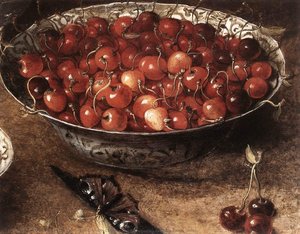
osias beert the elder
1580 - 1624
Основные сведения
- Artistic Movement Or Style: Dutch Golden Age
- Artists Or Movements Influenced By This Artist: ['Baroque']
- Artists Who Influenced This Artist: ['Andries van Baseroo']
- Date Of Death: 1623
- Full Name: Osias Beert the Elder
- Nationality: Flemish
- Notable Artworks:
- Dishes with Oysters,
- Still-Life with Oysters and Pastries
- Still Life with Artichoke, Fruit in Kraak Porcelain Ware,
- Place Of Birth: Antwerp
Похожие статьи
От классического натюрморта к современной абстракции: возвышение интерьеров вилл с помощью художественных репродукций
Создайте атмосферу роскоши в вашем доме с помощью художественных репродукций от ArtsDot.com! От классических натюрмортов до современной абстракции – подберем картины для вилл, отражающие ваш стиль и вкус. Высокое качество, ручная работа, персонализация.
The Enduring Appeal of Still Life: A Historical & Contemporary Exploration
Explore the rich history & symbolism of still life painting with ArtsDot. Discover masterpieces from the Dutch Golden Age, learn about vanitas art, and find expert guidance for collecting timeless artworks.
Abraham Hendricksz van Beyeren: Pioneering Dutch Still Life & the Banquet Tradition
Explore the captivating world of Dutch Golden Age still life with Abraham van Beyeren. Discover his innovative techniques, symbolic banquet scenes & lasting influence on art history. Learn about collecting these masterpieces.
Clyfford Still's Abstract Expressionism: A Study of Color, Form & the Existential Landscape
Explore the profound world of Clyfford Still's Abstract Expressionism with ArtsDot. Discover his unique style, existential themes & investment potential. Expert analysis for discerning collectors.
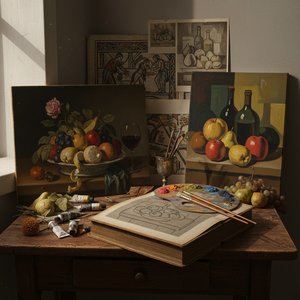
Silent Narratives: Exploring the Enduring Appeal of Still Life Painting Across Centuries
Explore the rich history of still life painting with ArtsDot. Discover Dutch Masters, decode vanitas symbolism & learn about collecting timeless art. Expert insights and museum-quality reproductions.