 Предпросмотр
 Поделиться
 Поделиться
 Детали произведения

 Скачать
 Похожие работы
 Рентгенография
 Слайд-шоу
 Статистика
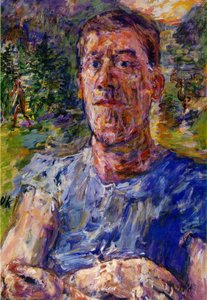
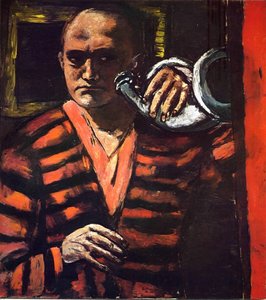
Autoportrait, Self-portrait, Huile sur Toile,
 Oil On Canvas
- WallArt
- Expressionism
 Modern
 90.0 x 70.0 cm
 Читать далее
Жикле / Арт-принт
Печать (жикле) или холст музейного качества с быстрыми сроками изготовления и широким выбором вариантов отделки. ( Купить картину ручной работы Перейти к цифровым изображениям)




P118B $10

P118H $10

P118W $10

P438Z $10

P508JH $12

P508YH $12

P805H $10

P805Z $10

P919BZ $10

P919G $10

P919XJ $10

P959ZH $10

P968JZ $12

W106C $8

W218G $10

W218JH $8

W218Y $10

W307PJ $10

W316G $10

W316PJ $8

W316Y $10

W398PJ $8

W4111J $10

W500HY $15

W500JH $15

W692G $12

W849H $8

W940BG $15

W953PJ $8




Выберите один из наших стандартных размеров, соответствующих оригинальным пропорциям произведения искусства.

Вы можете указать свои собственные размеры, чтобы репродукция идеально подошла под конкретную раму или пространство. Если выбранный вами размер не будет соответствовать пропорциям оригинала, мы либо обрежем произведение, либо дополним изображение зеркальным отражением краев или однотонной заливкой. Перед началом производства вам будет отправлен цифровой макет для утверждения.
Пожалуйста, обратите внимание, что предварительный просмотр на экране не отображает фактическую обрезку или расширение изображения. Только макет точно покажет финальную композицию.
Несмотря на возможность заказа индивидуальных размеров, мы рекомендуем выбирать размер из предопределенного списка, чтобы сохранить оригинальные пропорции.
Доставка по всему миру () за 2 недели вместо стандартных 4/5 недель. (13 Сентябрь)

Бесплатная экспресс-доставка по всему миру

Высококачественный льняной холст

Полное страхование доставки

Гарантия возмещения таможенных пошлин

Гарантия точного соответствия цветов

100-дневная политика возврата (только при обнаружении дефектов)

Гарантия возврата 100% средств

Предложение оптовых скидок
 Вариант со стеклом доступен только для размеров менее 110 см

Autoportrait, Self-portrait, Huile sur Toile,
Жикле / Арт-принт
Размер репродукции
-


Итоговая стоимость
$ 62
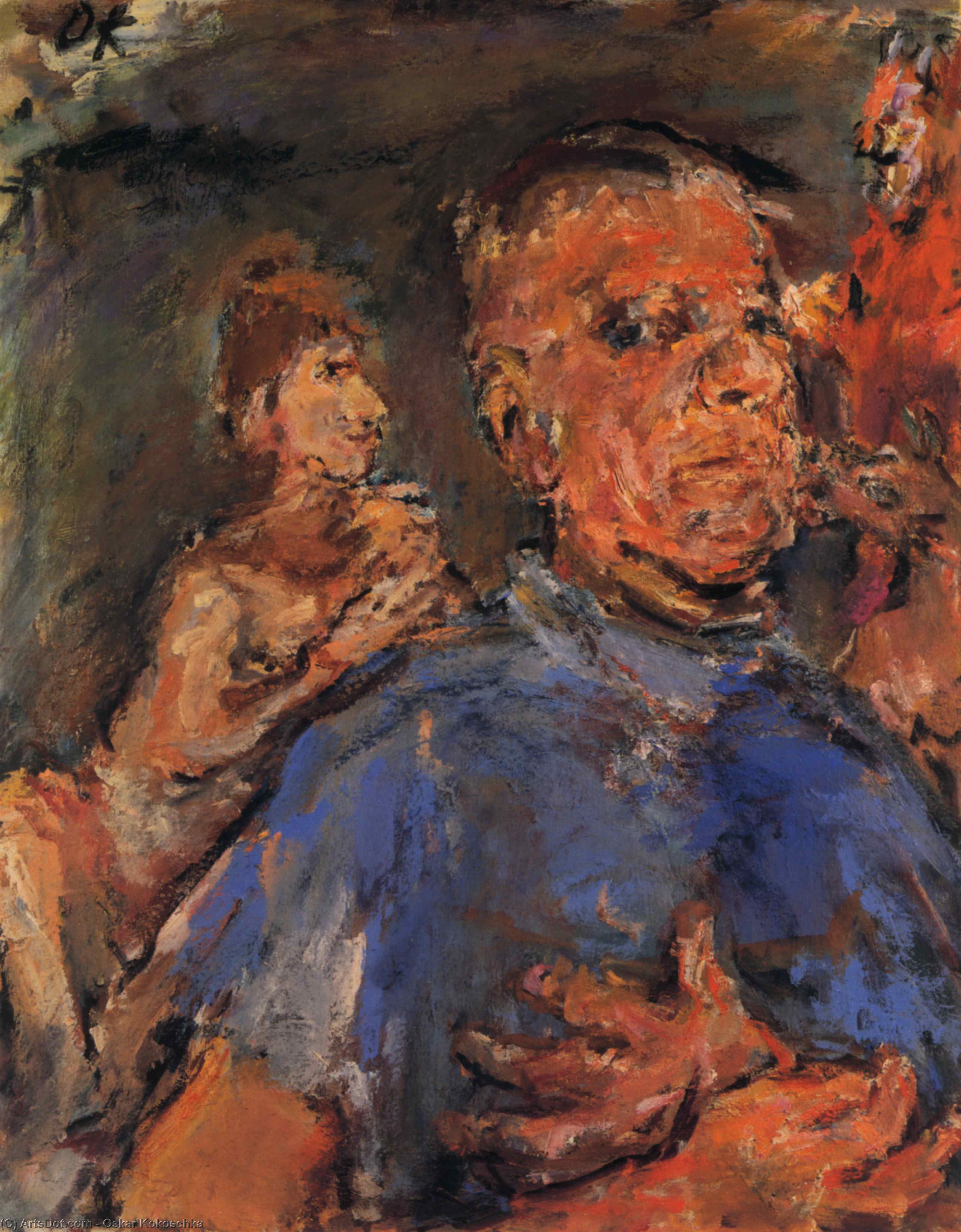
The Unveiling Gaze: An Encounter with Oskar Kokoschka's Self-Portrait
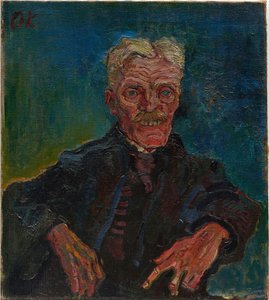
To stand before an image like this self-portrait of Oskar Kokoschka is not merely to observe paint on canvas; it is to step directly into the tempestuous, passionate mind of a modern master. The air around the depicted figure seems thick with unspoken narratives—a palpable tension that defines the very essence of early Expressionism. Kokoschka, an artist whose life was as dramatically charged as his palette, captures here not just his likeness, but the raw, exposed nerve endings of the human condition. The subject, clad in a striking blue shirt, meets the viewer's eye with an intensity that is both challenging and deeply vulnerable. It invites us into a private moment, forcing us to confront the complexities of self-perception.
Mastery of Expressionist Technique
Technically, this work showcases Kokoschka’s signature vigor. The application of paint, whether oil on canvas or in reproduction form, speaks of urgent brushwork—a visible energy that refuses smooth repose. Notice the depth achieved through the varied coloration; the background wall is not a mere backdrop but an active participant, adding layers of psychological space to the scene. His handling of light and shadow sculpts the faces present, lending them a sculptural weight. The detail in the rendering, while highly expressive, never sacrifices emotional impact for mere verisimilitude. It is a painting that demands close inspection, rewarding the viewer with new nuances with every passing glance.
Context: A Portrait of an Era
Understanding Kokoschka requires understanding the fin-de-siècle Vienna from which he emerged—a crucible of intellectual ferment and burgeoning anxiety. As a leading figure in Expressionism, his art rejected the polished idealism of academic tradition. Instead, it dove headfirst into the subconscious, embracing the anxieties, desires, and raw passions bubbling beneath the surface of polite society. This self-portrait is thus more than a vanity piece; it is an artistic manifesto, declaring that emotional truth, however unsettling, is the highest form of reality.
Symbolism and Emotional Resonance
The composition itself suggests a dynamic interplay between individuals. The central figure, contemplative yet watchful, is flanked by others whose presence adds layers to the psychological tableau. These surrounding figures act as mirrors, reflecting different facets of the artist's own internal dialogue. The blue shirt, often associated with depth and melancholy in art history, anchors the gaze, suggesting a profound thoughtfulness beneath the surface drama. Owning a reproduction of this piece is acquiring not just decoration for your space, but a conversation starter—a potent reminder that true artistry lies in the unflinching depiction of the soul.
Bringing the Masterpiece Home
For collectors and designers seeking art with genuine narrative weight, this self-portrait offers unparalleled depth. Whether displayed in a gallery setting or integrated into a richly decorated interior, its vibrant energy will command attention. Choosing a high-quality reproduction allows you to bring the electrifying spirit of Kokoschka’s vision into your modern life, allowing the passionate brushstrokes and intense gaze to resonate within your walls for years to come.
Похожие произведения


Биография художника
Oskar Kokoschka - A Life Etched in Expression
Oskar Kokoschka, born March 1, 1886, in Pöchlarn, Austria, stands as a pivotal figure in the early Expressionist movement—an artist whose canvases pulsated with the anxieties and passions of a world undergoing rapid transformation. His life unfolded against a backdrop of profound personal drama intertwined with significant historical upheavals, forging an inextricable connection between his artistic vision and the turbulent currents of his time.
Early Life and Artistic Beginnings
The second child of Gustav Josef Kokoschka, a goldsmith, and Maria Romana Kokoschka (née Loidl), Oskar’s upbringing was marked by hardship. His father’s financial instability forced repeated relocations into smaller flats, fostering in young Oskar a deep sense of insecurity—a feeling that would permeate his artistic endeavors throughout his life. Despite these challenges, Kokoschka’s mother nurtured his innate talent for drawing and painting, recognizing his exceptional aptitude for visual arts.
He enrolled at the Realschule in Vienna, prioritizing art over more conventional academic pursuits. Unlike many of his peers who pursued scientific careers, Kokoschka embraced artistic exploration with unwavering conviction—a decision that propelled him toward becoming one of Vienna’s most celebrated portraitists.
Vienna Secession and Artistic Influences
Kokoschka's formative years coincided with the vibrant intellectual atmosphere of fin-de-siècle Vienna—a city brimming with innovation but shadowed by anxieties concerning societal change. This duality—beauty alongside unease, tradition confronting modernity—became a central preoccupation in his oeuvre. He attended the Kunstgewerbeschule (School of Arts and Crafts) where he studied under Carl Otto Czeschka, absorbing the stylistic principles of the Vienna Secession.
The Secession championed artistic freedom from academic conventions, prioritizing emotional expression over meticulous realism. Kokoschka’s teacher instilled in him a belief that art should grapple with profound psychological questions—a conviction that profoundly shaped his artistic approach. Notably, Kokoschka's fascination with Sigmund Freud and psychoanalysis fueled his exploration of the subconscious mind.
The Passionate Affair with Alma Mahler
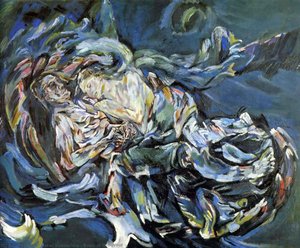
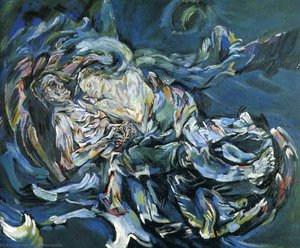
Kokoschka’s life took an extraordinary turn when he embarked on a passionate affair with Alma Mahler—the widow of composer Gustav Mahler. This tumultuous relationship served as inspiration for some of his most iconic works, including *The Bride of the Wind (The Tempest)*—a monumental canvas that captures the raw emotion and impending doom inherent in their fraught connection.
The painting’s swirling brushstrokes and intense colors convey a palpable sense of psychological turmoil—reflecting Kokoschka's conviction that art could illuminate the hidden depths of human experience. He skillfully translated his personal emotions into visual metaphors, cementing his reputation as one of Expressionism’s foremost innovators.
War Years and Artistic Transformation
The outbreak of World War I profoundly impacted Kokoschka’s life—leaving him physically wounded and emotionally scarred. His experiences on the front lines instilled in him a heightened awareness of human suffering and fueled his artistic exploration of themes related to trauma and alienation.
During this period, Kokoschka shifted toward landscapes as a primary subject matter—creating canvases that conveyed not idyllic beauty but rather the bleakness and despair of wartime reality. His stylistic evolution mirrored the broader anxieties of the era—demonstrating Kokoschka’s ability to translate personal experience into universal artistic statements.
Legacy and Enduring Influence
Oskar Kokoschka's legacy extends far beyond his own artistic output, influencing subsequent generations of artists. His uncompromising commitment to psychological realism and emotional honesty established a precedent for Expressionist painters—inspiring them to confront uncomfortable truths and explore the complexities of human consciousness.
His work continues to resonate with audiences today—serving as a powerful reminder that true artistry resides in capturing the essence of experience and conveying profound insights into the human condition. Kokoschka’s canvases remain testament to his unwavering belief in art's capacity to illuminate the darkest recesses of the soul—solidifying his place among the most significant figures in modern art.
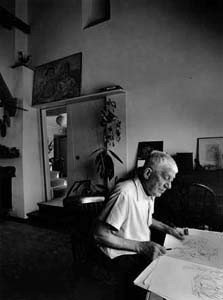
Оскар Кокошков
1886 - 1980 , Австрия
Основные сведения
- Artistic Movement Or Style: Экспрессионизм
- Artists Or Movements Influenced By This Artist: ['Неоэкспрессионисты']
- Date Of Birth: 1 марта 1886
- Date Of Death: 22 февраля 1980
- Full Name: Оскар Кокошков
- Nationality: Австриец, британец
- Notable Artworks:
- «Невеста Ветра»
- Автопортрет как воин
- Place Of Birth: Пöхларн, Австрия
Похожие статьи
Топ-10 знаменитых картин в оттенках серо-голубого: искусство и декор от ArtsDot
Погрузитесь в мир серо-голубых оттенков! От Моне до Ренуара – 10 знаменитых картин, вдохновляющих на создание уникального интерьера. Репродукции высокого качества от ArtsDot.com. Explore the full collection online!

The Enduring Legacy of Oil on Canvas: Technique, History & Aesthetic Impact
Explore the rich history & techniques of oil painting – from Renaissance masters to Impressionism. Discover pigments, layering methods, and why this timeless medium endures. Expert insights for artists & art enthusiasts.
Azure Visions: Exploring Representations of the Blue Dress in Western Art History
Explore the rich history of the blue dress in Western art! Discover its symbolism, from Renaissance masterpieces to modern interpretations by artists like Martin & Schiele. Uncover cultural meanings and artistic techniques.
The Allure of Azure: Exploring the Symbolic & Aesthetic Depths of Blue in Art History
Explore the rich history of blue in art! Discover its symbolism, from ancient pigments to modern masterpieces by Kandinsky & Seurat. Uncover the psychological impact and cultural meanings behind this captivating hue.
Reflecting the Self: A History of Portraiture & Psychological Insight
Explore the fascinating history of self-portraiture from Renaissance masters like Dürer & Rembrandt to modern interpretations. Discover the psychological insights and artistic techniques behind these iconic works. Expert analysis for art enthusiasts.