

 Предпросмотр
 Поделиться
 Поделиться
 Детали произведения

 Скачать
 Похожие работы
 Рентгенография
 Слайд-шоу
 Статистика
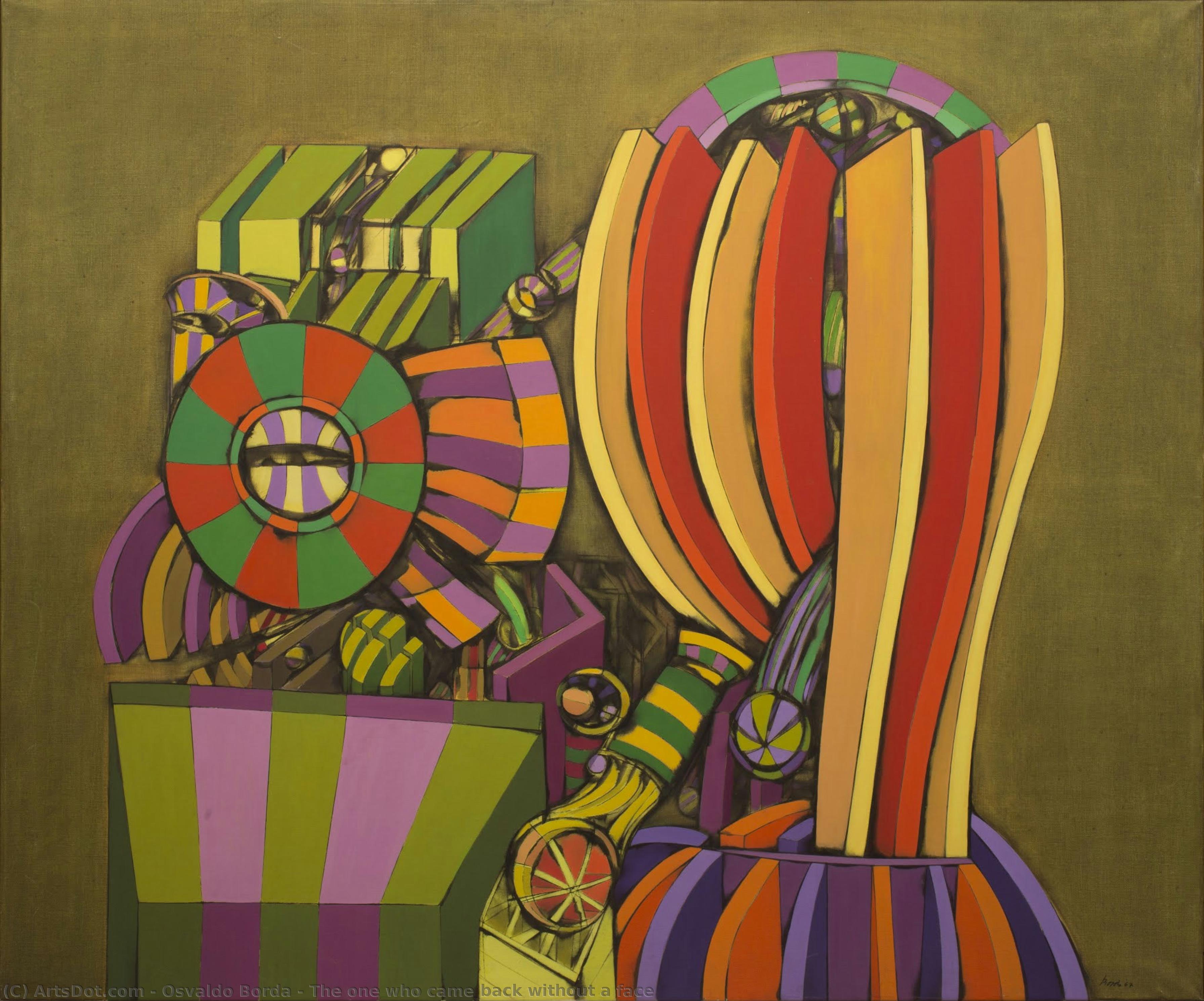
The one who came back without a face
 Painting
- Abstract Expressionism
 1967
1967- Modern
 150.0 x 180.0 cm
 Музей современного искусства Буэнос-Айреса
 Читать далее
Жикле / Арт-принт
Печать (жикле) или холст музейного качества с быстрыми сроками изготовления и широким выбором вариантов отделки. ( Купить картину ручной работы Перейти к цифровым изображениям)




































Выберите один из наших стандартных размеров, соответствующих оригинальным пропорциям произведения искусства.

Вы можете указать свои собственные размеры, чтобы репродукция идеально подошла под конкретную раму или пространство. Если выбранный вами размер не будет соответствовать пропорциям оригинала, мы либо обрежем произведение, либо дополним изображение зеркальным отражением краев или однотонной заливкой. Перед началом производства вам будет отправлен цифровой макет для утверждения.
Пожалуйста, обратите внимание, что предварительный просмотр на экране не отображает фактическую обрезку или расширение изображения. Только макет точно покажет финальную композицию.
Несмотря на возможность заказа индивидуальных размеров, мы рекомендуем выбирать размер из предопределенного списка, чтобы сохранить оригинальные пропорции.
Доставка по всему миру () за 2 недели вместо стандартных 4/5 недель. (11 Сентябрь)

Бесплатная экспресс-доставка по всему миру

Высококачественный льняной холст

Полное страхование доставки

Гарантия возмещения таможенных пошлин

Гарантия точного соответствия цветов

100-дневная политика возврата (только при обнаружении дефектов)

Гарантия возврата 100% средств

Предложение оптовых скидок
 Вариант со стеклом доступен только для размеров менее 110 см

The one who came back without a face
Жикле / Арт-принт
Размер репродукции
-


Итоговая стоимость
$ 62
A Surreal Tapestry of Memory and Form
In the mesmerizing expanse of Osvaldo Borda’s 1967 masterpiece, The one who came back without a face, the viewer is invited into a dreamscape where the boundaries between reality and abstraction dissolve. This large-scale work, measuring an impressive 150 x 180 cm, functions as a visual poem, weaving together a disparate collection of objects that seem to float within a shared, subconscious space. At first glance, the composition strikes the eye with its vibrant, kaleidoscopic palette, yet upon closer inspection, it reveals a profound sense of mystery. The central presence of a large umbrella acts as an anchor for the wandering gaze, surrounded by a whimsical arrangement of clocks, kites, and delicate vessels that suggest a fragmented memory or a dream interrupted.
The technique employed by Borda is a testament to his mastery of Argentine Abstract Expressionism. Through a sophisticated layering of color and form, he creates a sense of depth that transcends the flat surface of the canvas. The interplay between the geometric precision of the clock and the organic, flowing lines of the kites and umbrellas creates a rhythmic tension. Each element—from the bowl nestled in the lower corner to the ethereal kites drifting toward the upper reaches—is rendered with a deliberate touch that balances spontaneity with structural intent. This approach allows the painting to breathe, offering a sense of movement that keeps the eye traveling across the canvas, discovering new details and subtle shifts in hue with every glance.
Symbolism and the Weight of Absence
The title itself, The one who came back without a face, casts a haunting shadow over the colorful imagery, imbuing the work with a layer of existential melancholy. While the objects—the umbrellas, the kite, the clock—possess a certain playful, almost surrealist charm reminiscent of Magritte, they also serve as symbols of identity and time. The clock suggests the relentless passage of moments, while the facelessness implied by the title evokes themes of loss, transformation, and the erasure of self. It is within this tension between the bright, celebratory colors and the underlying theme of anonymity that the painting finds its emotional resonance.
For the discerning collector or interior designer, this piece offers more than mere decoration; it provides a profound focal point for sophisticated spaces. The artwork’s ability to command attention through its complex composition makes it an ideal centerpiece for a contemporary gallery, a grand salon, or a curated study. It invites conversation, prompting viewers to contemplate their own relationship with memory and the ephemeral nature of existence. To possess a high-quality reproduction of this Borda original is to bring a piece of Argentine art history into one's home—a fragment of a dream that remains eternally present, even as its subjects drift through the corridors of time.
Похожие произведения
Биография художника
The Vibrant Legacy of Osvaldo Borda
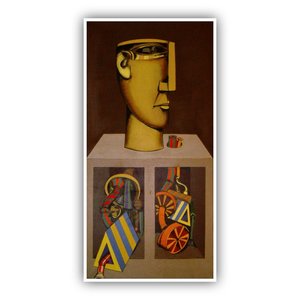
Born in the heart of Lomas de Zamora, Argentina, in 1929, Osvaldo Borda emerged as a transformative force within the landscape of Latin American modernism. His artistic journey was not merely a pursuit of aesthetic beauty but a profound exploration of the shifting boundaries between reality and abstraction. The foundations of his practice were laid through rigorous academic training under the guidance of esteemed mentors such as Héctor Basaldúa and Elisabeth von Rendell. These early encounters with master practitioners provided Borda with the technical vocabulary necessary to eventually dismantle traditional forms, allowing him to navigate the complex intellectual currents that defined the mid-twentieth century art scene in Buenos Aires.
Borda’s ascent into the international consciousness began in earnest during the late 1950s, a period of intense creative ferment. His debut solo exhibition at the prestigious Galería Bonino in 1957 acted as a definitive moment, signaling the arrival of a voice that would bridge the gap between Surrealism and Abstract Expressionism. He became an integral part of a vital collective of artists—including Julio Llinás, Roberto A and Aizenberg, and Victor Chab—who sought to infuse the Argentine scene with a gestural, surrealistic energy. This era was deeply influenced by the literary and philosophical movements of the time, particularly the works of Aldo Pellegrini and Julio Cortázar, which encouraged Borda to view the canvas as a space for psychological depth and spontaneous movement.
A Symphony of Form and Color
The true essence of Borda’s mastery lies in his ability to command the viewer's eye through an uncompromising use of bold colors and geometric precision. His work often functions as a visual dialogue between chaos and order; while his brushstrokes may possess a wild, expressionistic vitality, they are frequently anchored by meticulously structured shapes. This tension creates a palpable sense of rhythm within his compositions, where vibrant hues collide with sharp edges to evoke a world that is simultaneously recognizable and dreamlike. In masterpieces such as "The one who came back without a face" (1967), one can witness this unique alchemy, where abstract shapes—reminiscent of umbrellas and clocks—dance across the surface in a vibrant explosion of Argentine expressionism.
Beyond the confines of traditional canvas painting, Borda’s influence extended into the very fabric of the urban environment. His work with dynamic murals in the underground spaces of Buenos Aires allowed his aesthetic to breathe outside the sterile walls of galleries, reaching a broader public and contributing to the city's cultural identity. This expansion of scale and medium demonstrated his belief that art should be an immersive, lived experience rather than a static object of contemplation.
Historical Significance and Artistic Impact
As a pioneer of Argentine Abstract Expressionism, Osvaldo Borda’s contribution to the history of art is measured by his role in modernizing the visual language of his nation. He was a key participant in landmark exhibitions, such as the “Seven Abstract Painters” show at Galería Pizarro, which served as a cornerstone for the decade's artistic evolution. His ability to synthesize the dreamlike qualities of Surrealism with the raw, tactile energy of Informalist movements helped establish a new paradigm for South American artists.
Today, Borda’s legacy continues to resonate through several key achievements:
- Stylistic Innovation: The seamless integration of geometric abstraction with gestural, emotive brushwork.
- Cultural Leadership: His role in fostering a collaborative community of artists that redefined Argentine modernism.
- Versatility of Medium: The successful transition from intimate easel paintings to large-scale, public-facing murals.
- Enduring Influence: A lasting impact on the perception of abstract forms within the broader context of Latin American art history.
Through his dedication to exploring the limits of form and color, Osvaldo Borda remains a towering figure whose work continues to invite viewers into a world of profound movement and structural beauty.
Osvaldo Borda
1929 - , Argentina
Основные сведения
- Artistic Movement Or Style: Abstract Painting; Geometric Abstraction
- Artists Or Movements Influenced By This Artist: ['Surrealism']
- Artists Who Influenced This Artist:
- Héctor Basaldúa
- Elisabeth von Rendell
- Date Of Birth: 1929
- Full Name: Osvaldo Borda
- Nationality: Argentine
- Notable Artworks:
- Murals at Buenos Aires Subway Stations
- Murals at Paris Métro Station
- Place Of Birth: Lomas de Zamora, Argentina
Похожие статьи
Beyond Form & Color: Geometric Abstraction's Enduring Legacy in Art History
Explore the captivating world of geometric abstraction! Discover its origins, key artists like Malevich & Mondrian, and why this movement remains highly valued by art collectors today. Expert insights at ArtsDot.
Топ-10 шедевров абстрактного экспрессионизма: искусство для вашего интерьера от ArtsDot.com
Погрузитесь в мир абстрактного экспрессионизма! Откройте для себя 10 шедевров Поллока, Ротко и других гениев. История искусства, техники живописи и вдохновение для вашего интерьера от ArtsDot.com. Explore the full collection online!
Топ-25 шедевров Василия Кандинского: Абстрактное искусство для вашего интерьера
Погрузитесь в мир абстрактного искусства с Василием Кандинским! 25 шедевров экспрессионизма, баухауса и русского авангарда. Репродукции картин Кандинского для вдохновения и декора вашего интерьера. Откройте всю коллекцию на ArtsDot.com
Beyond Form & Color: Geometric Abstraction's Evolution in 20th/21st Century Art
Explore the evolution of geometric abstraction from Cubism to contemporary art. Discover key artists like Malevich & Mondrian, investment insights, and expert collecting advice at ArtsDot.

Геометрическая абстракция: 10 шедевров, изменивших искусство | ArtsDot.com
Погрузитесь в мир геометрической абстракции! От Кандинского до Малевича – 10 шедевров, изменивших искусство. Узнайте историю создания и значение культовых картин. Репродукции музейного качества на ArtsDot.com. Вдохновение для вашего интерьера!