

 Предпросмотр
 Поделиться
 Поделиться
 Детали произведения

 Скачать
 Похожие работы
 Рентгенография
 Слайд-шоу
 Статистика
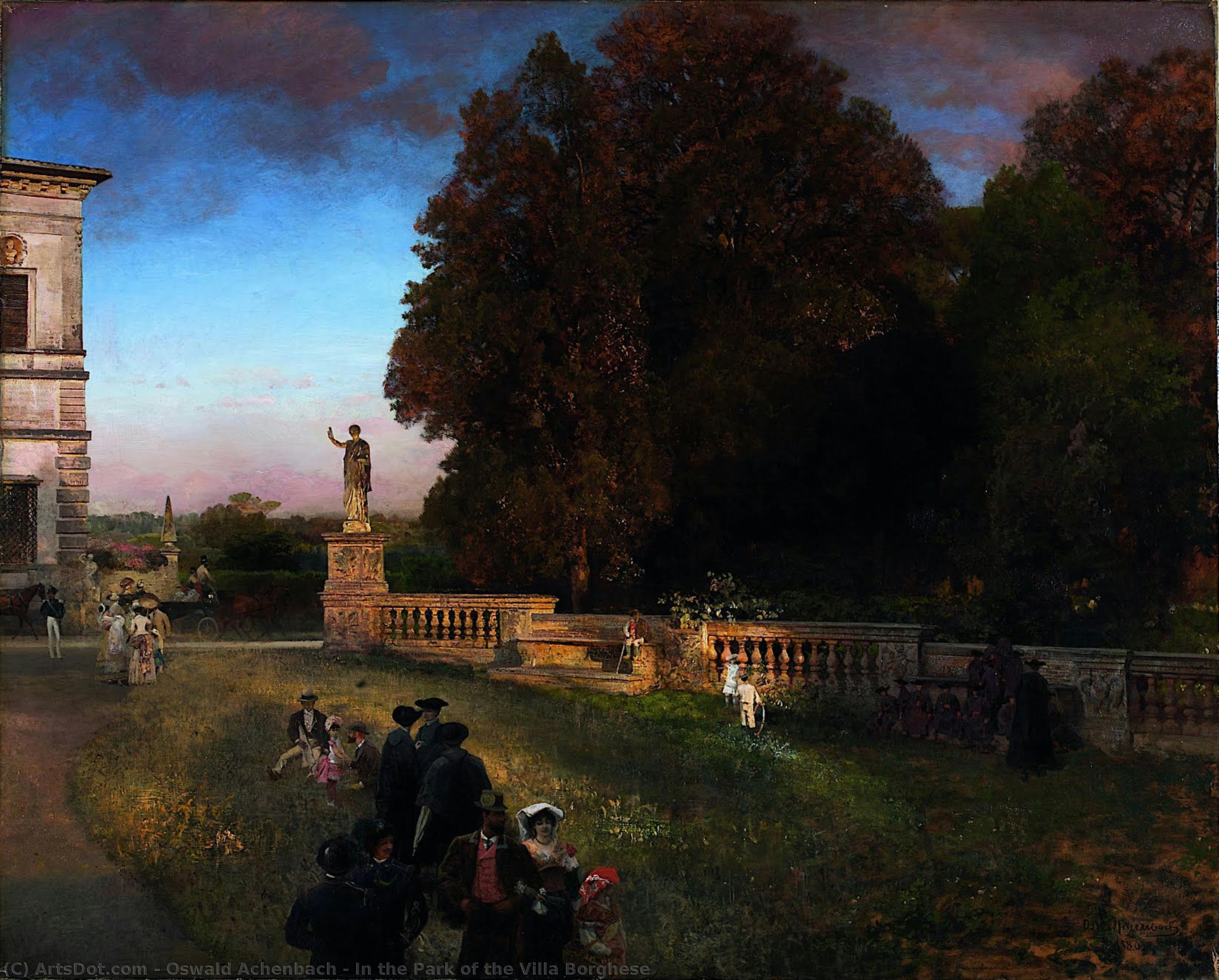
In the Park of the Villa Borghese
 Oil On Canvas
- WallArt
- Impressionist Landscape Painting
 1886
1886- 19th Century
 1520.0 x 1220.0 cm
 Kunstpalast
 Читать далее
Жикле / Арт-принт
Печать (жикле) или холст музейного качества с быстрыми сроками изготовления и широким выбором вариантов отделки. ( Купить картину ручной работы Перейти к цифровым изображениям)




P118B $10

P118H $10

P118W $10

P438Z $10

P508JH $12

P508YH $12

P805H $10

P805Z $10

P919BZ $10

P919G $10

P919XJ $10

P959ZH $10

P968JZ $12

W106C $8

W218G $10

W218JH $8

W218Y $10

W307PJ $10

W316G $10

W316PJ $8

W316Y $10

W398PJ $8

W4111J $10

W500HY $15

W500JH $15

W692G $12

W849H $8

W940BG $15

W953PJ $8




Выберите один из наших стандартных размеров, соответствующих оригинальным пропорциям произведения искусства.

Вы можете указать свои собственные размеры, чтобы репродукция идеально подошла под конкретную раму или пространство. Если выбранный вами размер не будет соответствовать пропорциям оригинала, мы либо обрежем произведение, либо дополним изображение зеркальным отражением краев или однотонной заливкой. Перед началом производства вам будет отправлен цифровой макет для утверждения.
Пожалуйста, обратите внимание, что предварительный просмотр на экране не отображает фактическую обрезку или расширение изображения. Только макет точно покажет финальную композицию.
Несмотря на возможность заказа индивидуальных размеров, мы рекомендуем выбирать размер из предопределенного списка, чтобы сохранить оригинальные пропорции.
Доставка по всему миру () за 2 недели вместо стандартных 4/5 недель. (13 Сентябрь)

Бесплатная экспресс-доставка по всему миру

Высококачественный льняной холст

Полное страхование доставки

Гарантия возмещения таможенных пошлин

Гарантия точного соответствия цветов

100-дневная политика возврата (только при обнаружении дефектов)

Гарантия возврата 100% средств

Предложение оптовых скидок
 Вариант со стеклом доступен только для размеров менее 110 см

In the Park of the Villa Borghese
Жикле / Арт-принт
Размер репродукции
-


Итоговая стоимость
$ 62
Oswald Achenbach’s ‘In the Park of the Villa Borghese’: A Snapshot of Impressionist Rome
Oswald Achenbach's “In the Park of the Villa Borghese,” completed in 1886, offers a captivating glimpse into the heart of late 19th-century Roman life and represents a pivotal moment in the artist’s career. This expansive canvas, measuring an impressive 1520 x 1220 cm, isn't simply a depiction of a park scene; it’s a carefully constructed tableau brimming with atmosphere, light, and a subtle sense of detachment – hallmarks of Achenbach’s evolving artistic vision. Born in Düsseldorf in 1827, Achenbach was deeply rooted in the traditions of the Düsseldorf School, known for its rigorous approach to landscape painting and its emphasis on capturing the nuances of natural phenomena. However, his sojourn in Italy, particularly this trip culminating in this work, marked a significant shift toward Impressionistic sensibilities, evident in his bold brushwork and preoccupation with fleeting moments.
- A Moment Frozen in Time: The painting’s immediacy – often described as a “snapshot” – reflects the burgeoning influence of photography. Achenbach wasn't striving for photographic realism; instead, he sought to capture an *impression* of the scene, prioritizing feeling and atmosphere over precise detail.
- The Stagelage View: The composition deliberately directs the viewer’s eye beyond the immediate activity of the park visitors. The placement of the Casino – a prominent architectural feature – partially obscured and the figures largely turned away from the beholder creates a sense of distance, inviting contemplation rather than direct engagement.
- Light and Mood: Achenbach masterfully employs light to evoke a specific mood – that of late afternoon in Rome. The warm tones and diffused illumination contribute to a serene yet subtly melancholic atmosphere, characteristic of his approach to landscape painting.
Technique and Style: Impressionism’s Embrace
Achenbach's technique is characterized by loose, expressive brushstrokes – a deliberate departure from the meticulous detail favored by earlier generations of landscape painters. This impasto style, combined with his careful observation of light and color, aligns him squarely within the burgeoning movement of Impressionism. The painting’s vibrant palette, dominated by earthy tones punctuated by flashes of color in the clothing and foliage, further emphasizes this stylistic influence. The seemingly random placement of elements – the horses, the birds, the scattered figures – contributes to the overall sense of spontaneity and chance that defines the work.
- Brushwork: The visible brushstrokes are not merely a technical detail; they actively contribute to the painting’s dynamism and emotional impact.
- Color Palette: Achenbach's use of color is both harmonious and evocative, reflecting his understanding of light and shadow.
Historical Context and Symbolism
“In the Park of the Villa Borghese” was created during a period of significant artistic change in Europe. The rise of Impressionism challenged traditional academic conventions, paving the way for new approaches to representation. Achenbach’s work reflects this shift, demonstrating his willingness to experiment with form and color while retaining a strong connection to the landscape tradition. The painting's immediate success – it was sold almost immediately – underscores its resonance with contemporary audiences who appreciated its innovative style and evocative atmosphere. The preparatory oil sketch acquired by the Museum Kunstpalast in 2006 further highlights the importance of this piece within Achenbach’s oeuvre.
Emotional Impact and Artistic Legacy
More than just a picturesque scene, “In the Park of the Villa Borghese” invites viewers to contemplate themes of leisure, observation, and the fleeting nature of beauty. The painting's quiet dignity and atmospheric quality continue to resonate with audiences today, cementing Achenbach’s place as a significant figure in 19th-century German landscape art. This hand-painted reproduction offers an unparalleled opportunity to experience the full impact of this remarkable artwork, bringing its timeless charm into your home or studio.
Похожие произведения




Биография художника
Oswald Achenbach (1827–1905)
German romantic painter Oswald Achenbach was born in Düsseldorf (1827). He followed his brother Andreas Achenbach, to the academy in Düsseldorf at the tender age of eight, although the earliest officially entry age was set at 12. Unsatisfied with the academic teaching, six years later Oswald Achenbach left the Academy and joined two associations: association of Düsseldorf artists for their mutual support and aid and the Malkasten. Achenbach took his first trip to Italy and to Switzerland in 1845. Until 1850, the influence of academic teachers such as Johann Wilhelm Schirmer is recognizable in his works. For him an initial experience was a trip to Italy, which draws his artistic work in the early fifties completely under the spell of Italian landscapes. Together with his brother-in-law Albert Flamm, Achenbach spent the following years in northern Italy, Rome and later on the Gulf of Naples. In Italy, he got to know the painters Arnold Böcklin, Ludwig Thiersch and Heinrich Dreber. He spent a longer period in southern France and Italy in 1950. Already on the first exhibition successes of the young painter followed immediately public recognition. In 1852, the Amsterdam Academy named the 25-year-old painter an honorary member, followed by the academies of Petersburg, Rotterdam, Vienna, Berlin, Munich and Stockholm with the same distinction. In 1863, Oswald Achenbach inherited Hans Fredrik Gude and became professor of landscape painting at the Düsseldorf Art Academy. His students included Albert Arnz, Gregory von Bochmann and Themistocles von Eckenbrecher. His worldwide reputation attracted more than 100 young painters from Russia, America and Scandinavia to study in Dusseldorf. He also recommended to his students the study of the works of his brother Andreas Achenbach as well as works by William Turner and Gustave Courbet. In 1872 he left his professorship and went in the following years on a long trip to Italy to Florence, Rome, Naples and Sorrento and a trip to northern Italy. Oswald Achenbach died in Düsseldorf in 1905 at the age of 77. His works can be found in numerous museums and private collections on all continents.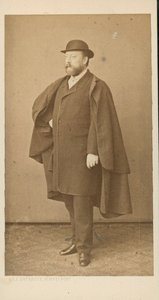
Оswald Аченбах
1827 - 1905 , Германия
Основные сведения
- Artistic Movement Or Style: Дюссельдорфская школа живописи
- Artists Who Influenced This Artist:
- Йоганн Вильгельм Шермер
- Карл Роттманн
- Date Of Birth: 2 февраля 1827 г.
- Date Of Death: 1 февраля 1905 г.
- Full Name: Oswald Achenbach
- Nationality: Немецкий
- Notable Artworks:
- Залив Неаполя
- Вид Дюссельдорфа
- Римский пейзаж
- Place Of Birth: Дюссельдорф, Германия
Похожие статьи

Evocations of Place: A Historical Journey Through Landscape Art
Explore the rich history of landscape art with ArtsDot. Discover renowned artists, movements like Impressionism & Romanticism, and expert guidance for collecting timeless pieces. Find your perfect serene escape today!

Романтический пейзаж: 10 шедевров, изменивших искусство | ArtsDot.com
Погрузитесь в мир романтического пейзажа! 10 шедевров Фридриха, Тёрнера и других гениев. Узнайте историю создания культовых картин и вдохновитесь для декора интерьера. Репродукции высокого качества на ArtsDot.com.

25 Шедевров Поля Сезанна: Открывая Новую Эру в Искусстве | ArtsDot
Откройте для себя 25 величайших шедевров Поля Сезанна! Узнайте истории создания картин импрессионизма и постимпрессионизма, технику художника и вдохновение для вашего интерьера. Репродукции картин Сезанна высокого качества на ArtsDot.com.
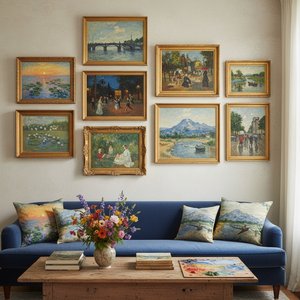
Топ-10 шедевров импрессионизма: пейзажи, изменившие искусство | ArtsDot
Погрузитесь в мир импрессионизма! Откройте топ-10 шедевров Моне, Ренуара и других великих художников. Узнайте историю создания культовых пейзажей и вдохновитесь для декора интерьера. Репродукции картин высокого качества на ArtsDot.com
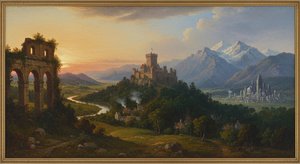
Evocations of Place: A Historical Journey Through Landscape Art
Explore the rich history of landscape art with ArtsDot. Discover renowned artists, movements like Impressionism & tonalism, and expert guidance for collecting timeless pieces. Find your perfect serene escape today!