

 Предпросмотр
 Поделиться
 Поделиться
 Детали произведения

 Скачать
 Похожие работы
 Рентгенография
 Слайд-шоу
 Статистика
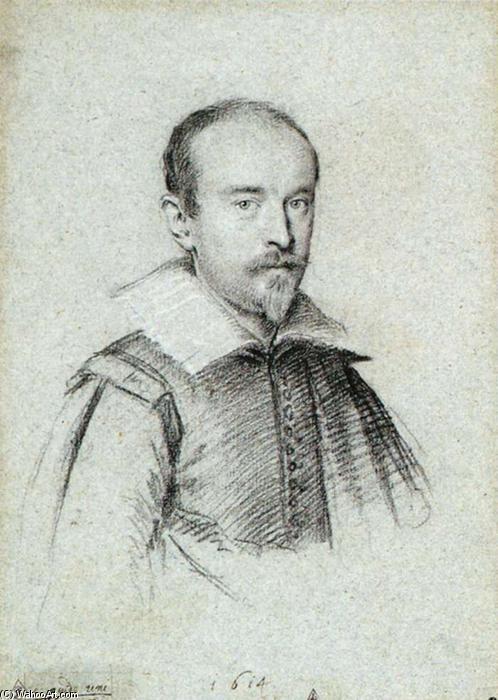
Portrait of Guido Reni
 Renaissance
 1614
1614 242.0 x 170.0 cm
 Читать далее
Приобретите цифровое изображение высокого разрешения в улучшенном качестве, которое значительно превосходит онлайн-превью.
Каждый файл тщательно подготавливается нашими специалистами с использованием передовых инструментов и экспертной ручной ретуши. Мы гарантируем исключительную четкость, точную цветопередачу и детальную проработку каждого изображения.
Финальный файл доставляется по электронной почте в течение 72 часов и оптимизирован для немедленного использования в профессиональной среде, при верстке и печати. Это тот же уровень качества, которому доверяют ведущие дизайнерские студии, издательства и галереи.
Цифровое изображение
Скачайте файл высокого разрешения для личного использования, печати и творческих проектов. ( Перейти к печати Купить картину ручной работы)
Включено в каждый заказ цифровых изображений
Гарантия экспертной цифровой доставки
Выбирая ArtsDot.com, вы получаете не просто изображение — вы приобретаете профессионально обработанное цифровое произведение искусства, созданное с безупречной точностью и под защитой гарантии качества. Вот всё, что автоматически входит в ваш заказ:

Мгновенная доставка по e-mail
Ваш цифровой файл в высоком разрешении будет отправлен вам по электронной почте в течение 72 часов после оформления заказа — и сразу станет доступен для использования.

Цифровой файл с ИИ-улучшением
Ваше произведение искусства проходит профессиональную оптимизацию с использованием передовых инструментов ИИ и ручной обработки, что гарантирует максимальную детализацию, четкость и точность цветопередачи.

Бессрочная бесплатная повторная доставка
Случайно удалили или потеряли файл? Не беспокойтесь — мы отправим его вам повторно в любое время и совершенно бесплатно.

Без импортных пошлин — навсегда
Наслаждайтесь вашим произведением искусства мгновенно без таможенных пошлин, сборов или затрат на доставку — цифровые загрузки всегда не облагаются налогом.

Гарантия точности цветопередачи
Мы гарантируем, что ваше цифровое изображение максимально точно передает оригинальные цвета благодаря использованию профессиональных инструментов и систем управления цветом.

Гарантия удовлетворенности 100 дней
Если вы не будете удовлетворены своим цифровым изображением, мы внесем правки или вернем 100% стоимости в течение 100 дней — без лишних вопросов.

100% Гарантия возврата средств
Не удовлетворены покупкой? Получите полный возврат средств в течение 100 дней после получения цифрового файла — без лишних вопросов.

Скидки на оптовые заказы
Купите 3 изображения, сэкономьте 10% — Купите 5, сэкономьте 15% — Купите 10+, сэкономьте 20%. Отличное решение для творческих проектов, галерей и агентств.
Похожие произведения

Биография художника
The Rediscovered Roman Portraitist
Ottavio Leoni, a name that whispers through the corridors of the early Baroque era, remains one of the most intriguing enigmas of the Roman art scene. Born in Rome around 1578, Leoni emerged from a lineage of artistic talent, being the son of the respected painter Lodovico Leoni. This familial foundation provided him with more than just technical instruction; it immersed him in the rich, evolving traditions of Venetian-influenced painting that were then sweeping through Italy. While history has often relegated him to the shadows of his more famous contemporaries, a closer examination of his surviving works reveals an artist of profound elegance and a master of the psychological depth required for true portraiture.
Leoni’s artistic journey was defined by a remarkable ability to capture the dignity and spiritual weight of his subjects. His training allowed him to navigate the complex textures of the era, blending the soft light of the Venetian school with the dramatic, emerging intensity of the Roman Baroque. This duality is perhaps most evident in his religious commissions, where he demonstrated a command over chiaroscroll—the masterful use of light and shadow to create volume and emotional resonance. In works such as the Annunciation for Sant’Eustachio and the Virgin and Child with St. Giacomo for Santa Maria della Minerva, Leoni does not merely depict sacred figures; he breathes a palpable sense of reverence into them, using light to illuminate the divine within the human form.
Mastery of Form and the Baroque Spirit
Beyond the altarpieces that adorned Rome's great churches, Leoni found his true calling in the intimate realm of portraiture and printmaking. He possessed a rare gift for translating the social standing and inner character of his sitters onto canvas and copper. His portraits, such as the striking depiction of Cardinal Domenico Toschi, are studies in texture and status, where the heavy, rich red robes of the clergy are rendered with such meticulous detail that one can almost feel the weight of the fabric. This technical precision was matched by an ability to convey a sense of presence, making his subjects appear as living entities frozen in a moment of quiet contemplation.
Leoni’s versatility extended into the delicate medium of engraving, where he achieved a level of fame that briefly bridged the gap between obscurity and recognition. His groundbreaking engraving of Caravaggio's work serves as a testament to his ability to interpret the most revolutionary visual language of his time. Whether working on large-scale oil paintings or the fine surface of copper, Leoni’s hand was characterized by a certain rhythmic grace. Even in his Self-Portrait, we see an artist deeply aware of his place in history, presenting himself with a dignified presence that reflects both his personal pride and the professional standard he maintained as the president of the Accademia di San Luca.
Legacy and Historical Significance
The life of Ottavio Leoni was tragically cut short in 1630, leaving behind a body of work that serves as a vital link in the evolution of Roman Baroque art. Though he may have slipped into relative obscurity following his death, the rediscovery of his oeuvre offers invaluable insights into the artistic ecosystem of 17th-century Rome. His ability to synthesize different regional styles—the luminosity of Venice and the drama of Rome—helped pave the way for the full flowering of the Baroque period.
To study Leoni is to witness the transition of an era. His contributions can be summarized through several key artistic pillars:
- Technical Synthesis: The seamless integration of Venetian coloristic traditions with Roman structural clarity.
- Psychological Portraiture: A profound ability to capture the social hierarchy and individual soul of the Roman elite and clergy.
- Printmaking Innovation: His role in disseminating the visual impact of the Baroque through masterful engravings.
- Institutional Leadership: His significant influence as a leader within the Accademia di San Luca, shaping the standards of Roman artistry.
Today, as scholars and art enthusiasts continue to peel back the layers of his forgotten history, Ottavio Leoni stands not just as a footnote, but as a vital protagonist in the grand narrative of Italian art.
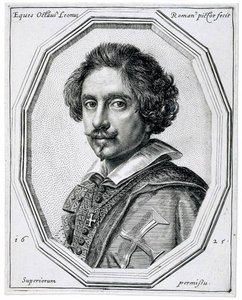
Ottavio Leoni
1578 - 1630 , Italy
Основные сведения
- Artistic Movement Or Style: Early Baroque
- Artists Or Movements Influenced By This Artist: ['Renaissance']
- Artists Who Influenced This Artist: ['Michelangelo Merisi Caravaggio']
- Date Of Birth: Rome, Italy (1578)
- Date Of Death: 4 September 1630
- Full Name: Ottavio Leoni
- Nationality: Italian
- Notable Artworks:
- Portrait of Guido Reni
- Self-Portrait
- A Cardinal's Procession
- Place Of Birth: Rome