


 Предпросмотр
 Поделиться
 Поделиться
 Детали произведения

 Скачать
 Похожие работы
 Рентгенография
 Слайд-шоу
 Статистика
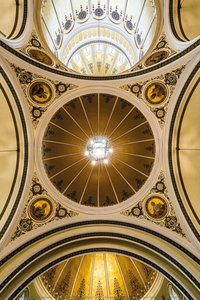
Kirche am Steinhof (Church of St. Leopold), in Vienna, Austria


 Читать далее
Приобретите цифровое изображение высокого разрешения в улучшенном качестве, которое значительно превосходит онлайн-превью.
Каждый файл тщательно подготавливается нашими специалистами с использованием передовых инструментов и экспертной ручной ретуши. Мы гарантируем исключительную четкость, точную цветопередачу и детальную проработку каждого изображения.
Финальный файл доставляется по электронной почте в течение 72 часов и оптимизирован для немедленного использования в профессиональной среде, при верстке и печати. Это тот же уровень качества, которому доверяют ведущие дизайнерские студии, издательства и галереи.
Цифровое изображение
Скачайте файл высокого разрешения для личного использования, печати и творческих проектов. ( Перейти к печати Купить картину ручной работы)
Включено в каждый заказ цифровых изображений
Гарантия экспертной цифровой доставки
Выбирая ArtsDot.com, вы получаете не просто изображение — вы приобретаете профессионально обработанное цифровое произведение искусства, созданное с безупречной точностью и под защитой гарантии качества. Вот всё, что автоматически входит в ваш заказ:

Мгновенная доставка по e-mail
Ваш цифровой файл в высоком разрешении будет отправлен вам по электронной почте в течение 72 часов после оформления заказа — и сразу станет доступен для использования.

Цифровой файл с ИИ-улучшением
Ваше произведение искусства проходит профессиональную оптимизацию с использованием передовых инструментов ИИ и ручной обработки, что гарантирует максимальную детализацию, четкость и точность цветопередачи.

Бессрочная бесплатная повторная доставка
Случайно удалили или потеряли файл? Не беспокойтесь — мы отправим его вам повторно в любое время и совершенно бесплатно.

Без импортных пошлин — навсегда
Наслаждайтесь вашим произведением искусства мгновенно без таможенных пошлин, сборов или затрат на доставку — цифровые загрузки всегда не облагаются налогом.

Гарантия точности цветопередачи
Мы гарантируем, что ваше цифровое изображение максимально точно передает оригинальные цвета благодаря использованию профессиональных инструментов и систем управления цветом.

Гарантия удовлетворенности 100 дней
Если вы не будете удовлетворены своим цифровым изображением, мы внесем правки или вернем 100% стоимости в течение 100 дней — без лишних вопросов.

100% Гарантия возврата средств
Не удовлетворены покупкой? Получите полный возврат средств в течение 100 дней после получения цифрового файла — без лишних вопросов.

Скидки на оптовые заказы
Купите 3 изображения, сэкономьте 10% — Купите 5, сэкономьте 15% — Купите 10+, сэкономьте 20%. Отличное решение для творческих проектов, галерей и агентств.
A Monument to Modernity’s Soul
Otto Koloman Wagner's Kirche am Steinhof, a church nestled within the sprawling Otto-Wagner-Spital psychiatric hospital in Vienna, isn’t merely a place of worship; it’s a profound statement on architecture and its capacity to engage with the human spirit. Completed in 1907, this masterpiece transcends traditional ecclesiastical design, embodying the burgeoning optimism and innovative spirit of the Viennese Secession movement while simultaneously addressing the practical needs of its unique setting. It stands as a testament to Wagner’s belief that buildings should not simply shelter but actively shape experience – a philosophy deeply rooted in his understanding of functionality and honest expression.
The context is crucial. The Steinhof hospital, conceived by Wagner himself, was revolutionary for its time, prioritizing patient well-being through meticulous design. Wagner wasn’t just designing a church; he was crafting an environment that fostered tranquility and facilitated healing. This inherent consideration of human needs permeates every aspect of the building, from the sloping floors designed to minimize disorientation to the carefully considered proportions intended to evoke a sense of calm. The decision to forgo traditional iconography – opting instead for geometric patterns and symbolic details – reflects Wagner’s desire to create a space that resonated with universal values rather than relying on potentially triggering religious imagery.
The Language of Form: Art Nouveau in its Zenith
Visually, the Kirche am Steinhof is an arresting spectacle. The exterior presents a striking contrast between stark white marble and gleaming copper rivets, creating a shimmering effect that seems to shift with the light. This deliberate juxtaposition speaks directly to the principles of Art Nouveau – a movement obsessed with organic forms, natural motifs, and intricate detailing. Wagner masterfully employs these elements, translating them into a monumental structure that feels both grand and intimately human.
- Geometric Harmony: The building’s façade is dominated by a complex interplay of geometric patterns – circles, squares, and triangles – meticulously rendered in white marble. These shapes aren't merely decorative; they represent a fundamental belief in the inherent order of the universe, reflecting Wagner’s conviction that architecture should embody rational principles.
- The Dome: The soaring dome, crowned with a mosaic of gold rivets, is arguably the church’s most iconic feature. It symbolizes spiritual aspiration and divine light, while the meticulous craftsmanship demonstrates Wagner's commitment to technical excellence.
- Copper Accents: The use of copper in the exterior cladding adds a layer of textural richness and visual interest, creating a dynamic interplay between reflective surfaces and subtle shadows.
A Sanctuary Within: Symbolism and Light
Stepping inside the church is akin to entering another world. The vast interior space, bathed in soft light filtering through stained-glass windows, immediately evokes a sense of serenity and contemplation. Wagner’s attention to detail extends to every corner of the building, from the intricately carved altar to the delicate mosaics adorning the walls.
The altar itself is a masterpiece of geometric design, featuring a central table crafted from polished marble and surrounded by a gilded canopy. The surrounding columns are adorned with stylized angel faces, their wings outstretched in a gesture of welcome and protection.Notably, Wagner prioritized the comfort and safety of his patrons – patients within the hospital. The floor slopes gently towards the sanctuary, ensuring that those with limited mobility can still see clearly ahead. The benches are designed to be free of sharp edges, preventing accidental injury. These practical considerations underscore Wagner’s belief that architecture should always serve human needs, regardless of social status or circumstance.
A Legacy of Innovation
The Kirche am Steinhof remains a profoundly influential work of art and architecture. It represents a pivotal moment in the evolution of modern design, demonstrating how innovative principles can be seamlessly integrated into a building that is both aesthetically compelling and deeply humane. Its enduring appeal lies not only in its striking beauty but also in its quiet wisdom – a testament to Otto Koloman Wagner’s vision for a future where architecture truly serves humanity.
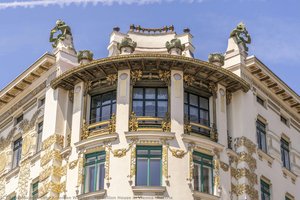
Похожие произведения
Биография художника
Otto Koloman Wagner (1841-1918): A Pioneer of Modernity
Otto Koloman Wagner, born in Vienna in 1841, stands as a pivotal figure bridging the gap between 19th-century historicism and the dawn of modern architecture. His journey wasn’t one of immediate revolution, but rather a gradual evolution—a thoughtful dismantling of established norms coupled with an unwavering commitment to functionality and honest expression. Initially steeped in classical training at the Vienna Polytechnic Institute and later refined at the Royal Academy of Architecture in Berlin, Wagner's early work reflected the prevailing academic styles. However, even within these traditional frameworks, seeds of innovation were sown. His studies under August Sicardsburg and Eduard von der Nüll instilled a crucial principle: architecture must possess a “rational expression” suited to its modern purpose—a concept that would become central to his life’s work. These formative years weren't merely about mastering technique; they were about questioning the very foundations of architectural thought, setting the stage for Wagner’s eventual break from convention. He began building a reputation through speculative ventures, designing apartment houses that subtly blended classical elements with emerging modernist ideas, financing these projects himself and demonstrating an entrepreneurial spirit alongside his artistic vision.Early Training and Classical Influences
Wagner's formative years were deeply shaped by the intellectual currents of his time. Trained at the Vienna Polytechnic Institute and subsequently at the Royal Academy of Architecture in Berlin—institutions renowned for upholding classical ideals—he absorbed the lessons of giants like Schinkel and Ruskin. These mentors championed the belief that architecture should strive for beauty rooted in proportion and harmony, principles that would permeate Wagner’s artistic sensibilities throughout his career. Yet, even within these venerated traditions, Wagner harbored a quiet dissatisfaction with mere imitation. He recognized that true artistry demanded engagement with contemporary concerns—a desire to transcend stylistic conventions and forge new paths toward expressive truth. This awareness fueled his exploration of diverse architectural styles, from neo-Gothic to Baroque, allowing him to synthesize disparate influences into a uniquely personal aesthetic. His early projects showcased this talent for blending historical references with innovative techniques, establishing him as one of Vienna’s foremost architects of the era.The Vienna Secession and Artistic Transformation
A transformative moment arrived in 1897 when Wagner joined forces with Josef Maria Olbrich and Josef Hoffmann to establish the Vienna Secession—a movement that irrevocably altered the course of Viennese art and architecture. Rejecting the conservative artistic establishment, Secessionists sought liberation from academic dogma, embracing bold experimentation and challenging conventional notions of beauty. This radical stance mirrored Wagner’s own evolving worldview—a conviction that architecture must actively engage with the spirit of its time. The Secession’s manifesto declared a “new art,” rejecting ornamentation and prioritizing geometric forms as expressions of structural integrity. Wagner wholeheartedly embraced this ethos, abandoning the elaborate decorative schemes characteristic of earlier works in favor of simplified facades and restrained interiors. This stylistic shift reflected not merely aesthetic preference but a profound intellectual conviction—a belief that architecture should serve as a vehicle for conveying ideas about humanity and its relationship to the natural world.Landmark Achievements: Shaping Vienna’s Urban Landscape
Wagner’s architectural legacy is indelibly imprinted upon the cityscape of Vienna, where he spearheaded ambitious urban planning initiatives and crafted buildings that epitomized his distinctive artistic vision. His role as chief architect of the municipal railway system—a project conceived with a singular focus on enhancing public transport and fostering social cohesion—demonstrated his commitment to civic responsibility alongside his creative pursuits. Simultaneously, Wagner oversaw the construction of monumental structures like St. Leopold’s Church (Kirche am Steinhof), a masterpiece of Viennese Secession architecture that seamlessly integrates art into everyday life. The Karlsplatz Pavillion, conceived as a public toilet facility—a seemingly prosaic undertaking—became an emblem of Wagner’s innovative approach to design and urban planning. His daring use of new materials—steel, glass, aluminum—challenged prevailing architectural conventions and ushered in an era of structural experimentation. Perhaps most notably, Wagner spearheaded the ambitious Academy of Fine Arts project—a visionary endeavor that aimed to revitalize Viennese artistic culture but ultimately stalled due to funding limitations. Despite these setbacks, Wagner’s enduring contributions to Viennese architecture continue to inspire admiration and scholarly study.A Lasting Influence: Beyond Vienna's Walls
Otto Koloman Wagner’s influence extended far beyond the borders of Austria, shaping architectural trends across Europe and inspiring generations of artists and designers. His pioneering exploration of geometric abstraction—a departure from traditional ornamentation—laid foundational groundwork for the emergence of modernist principles. He championed functionality as paramount to design, advocating that buildings should serve practical needs while simultaneously elevating the human experience. Wagner’s unwavering belief in structural honesty—his insistence on revealing the underlying framework of a building—became a cornerstone of architectural theory and practice. His legacy resides not merely in his individual creations but in the enduring spirit of innovation he instilled within the broader artistic community—a testament to his profound understanding of architecture as both art and social responsibility. Wagner remains a towering figure whose work continues to resonate with architects today, reminding us that true artistry lies in confronting challenges head-on and forging new paths toward expressive truth.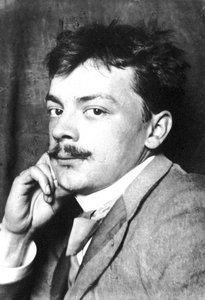
Отто Коломан Вагнер
1841 - 1918 , Австрия
Основные сведения
- Artistic Movement Or Style: Эклектизм и Веныйская Сецессия
- Artists Or Movements Influenced By This Artist: ['Современная архитектура']
- Artists Who Influenced This Artist:
- Август Сикардсбург
- Эдуард фон дер Нюль
- Date Of Birth: 1841
- Date Of Death: 1918
- Full Name: Otto Koloman Wagner
- Nationality: Австрийский
- Notable Artworks:
- Оsterreichische Landesbank
- Карлсплатц Павильон
- Медалион Хаус
- Place Of Birth: Vienna, Austria