 Поделиться
 Поделиться
 Детали произведения

 Скачать
 Похожие работы
 Слайд-шоу
 Статистика
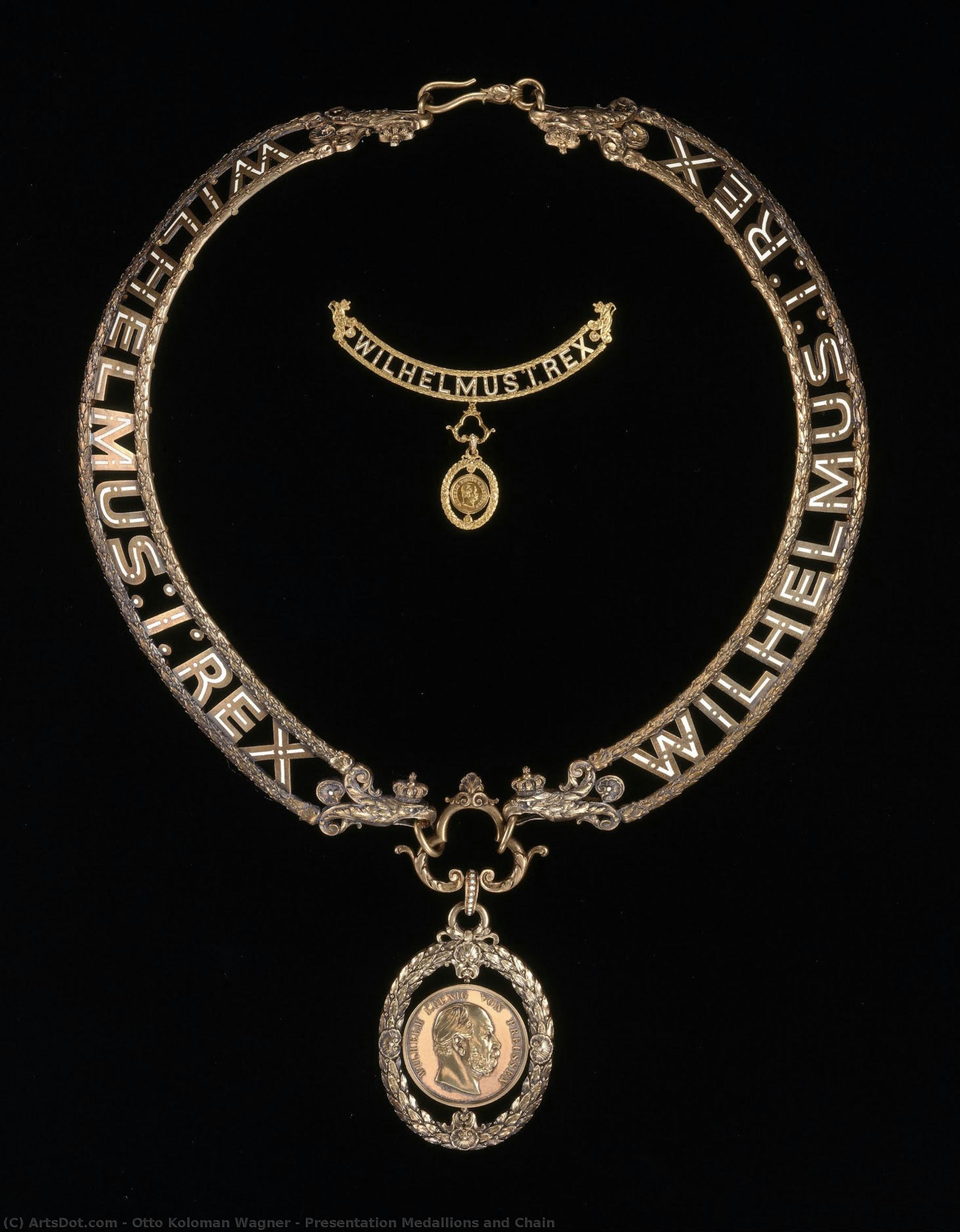
Presentation Medallions and Chain
 Gold
Gold- Decor
- Vienna Secession
 1896
1896- 19th Century
 29.0 x 23.0 cm
 Музей еврейской культуры
 Читать далее
Жикле / Арт-принт
Печать (жикле) или холст музейного качества с быстрыми сроками изготовления и широким выбором вариантов отделки. ( Купить картину ручной работы Перейти к цифровым изображениям)




































Выберите один из наших стандартных размеров, соответствующих оригинальным пропорциям произведения искусства.

Вы можете указать свои собственные размеры, чтобы репродукция идеально подошла под конкретную раму или пространство. Если выбранный вами размер не будет соответствовать пропорциям оригинала, мы либо обрежем произведение, либо дополним изображение зеркальным отражением краев или однотонной заливкой. Перед началом производства вам будет отправлен цифровой макет для утверждения.
Пожалуйста, обратите внимание, что предварительный просмотр на экране не отображает фактическую обрезку или расширение изображения. Только макет точно покажет финальную композицию.
Несмотря на возможность заказа индивидуальных размеров, мы рекомендуем выбирать размер из предопределенного списка, чтобы сохранить оригинальные пропорции.
Доставка по всему миру () за 2 недели вместо стандартных 4/5 недель. (12 Сентябрь)

Бесплатная экспресс-доставка по всему миру

Высококачественный льняной холст

Полное страхование доставки

Гарантия возмещения таможенных пошлин

Гарантия точного соответствия цветов

100-дневная политика возврата (только при обнаружении дефектов)

Гарантия возврата 100% средств

Предложение оптовых скидок
 Вариант со стеклом доступен только для размеров менее 110 см

Presentation Medallions and Chain
Жикле / Арт-принт
Размер репродукции
-


Итоговая стоимость
$ 62
A Golden Legacy of Viennese Elegance
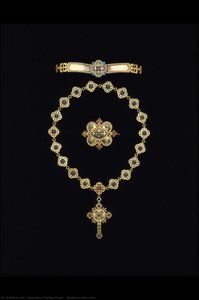
In the heart of the late nineteenth century, as the rigid structures of Victorian tradition began to yield to the fluid grace of the burgeoning Art Nouveau movement, there emerged a singular vision of beauty that sought to marry function with profound ornamentation. Presentation Medallions and Chain by the legendary Otto Koloman Wagner stands as a breathtaking testament to this era of transition. This exquisite piece is not merely an object of adornment but a window into the soul of the Vienna Secession, capturing a moment when craftsmanship reached its zenith. The work presents a central, luminous gold medallion featuring a delicate relief portrait of a woman, her features rendered with a soft, classical dignity that anchors the entire composition. Surrounding this focal point, smaller medallions and intricate scrollwork dance along a meticulously crafted chain, creating a rhythmic movement that guides the eye through a labyrinth of gilded splendor.
The artistry of Wagner is revealed in every shimmering detail of the gold surface. The technique employed here demonstrates a masterful command over light and shadow; as light strikes the polished metallic planes, it creates a brilliant contrast against the deep, void-like black background. This stark juxtaposition serves to isolate the necklace, elevating it from a mere piece of jewelry to a monumental sculptural achievement. The use of organic, undulating lines—reminiscent of the vines and floral motifs that defined Wagner’s architectural philosophy—softens the geometric precision of the chain links. There is a palpable sense of texture in the way the relief portrait emerges from the metal, inviting the viewer to contemplate the three-dimensional depth and the meticulous labor required to achieve such fine detail.
Symbolism and the Spirit of Modernity
Beyond its physical brilliance, the Presentation Medallations and Chain carries a weight of historical and symbolic significance. As a piece likely commissioned for a ceremonial or high-status occasion, it embodies the grandeur and formality of the period. The inscriptions found within the smaller medallions hint at a narrative of lineage, honor, and identity, suggesting that this was an object intended to commemorate a specific person or a momentous event in a dynasty's history. The portrait itself acts as a silent protagonist, evoking a sense of nostalgia and reverence for the classical ideals that Wagner so carefully integrated into his modern aesthetic.
For the discerning collector or interior designer, this work offers more than just visual luxury; it provides an emotional anchor of sophistication. Integrating a high-quality reproduction of such a piece into a contemporary space allows for a dialogue between the past and the present. It brings the "rational expression" of Wagner’s philosophy into the modern home—a reminder that true elegance lies in the harmony of structure and ornament. Whether placed as a focal point in a curated gallery or used to add a touch of historical opulence to a refined living space, this masterpiece continues to inspire awe, serving as a golden thread that connects us to the visionary spirit of the Viennese avant-garde.
Похожие произведения
Биография художника
Otto Koloman Wagner (1841-1918): A Pioneer of Modernity
Otto Koloman Wagner, born in Vienna in 1841, stands as a pivotal figure bridging the gap between 19th-century historicism and the dawn of modern architecture. His journey wasn’t one of immediate revolution, but rather a gradual evolution—a thoughtful dismantling of established norms coupled with an unwavering commitment to functionality and honest expression. Initially steeped in classical training at the Vienna Polytechnic Institute and later refined at the Royal Academy of Architecture in Berlin, Wagner's early work reflected the prevailing academic styles. However, even within these traditional frameworks, seeds of innovation were sown. His studies under August Sicardsburg and Eduard von der Nüll instilled a crucial principle: architecture must possess a “rational expression” suited to its modern purpose—a concept that would become central to his life’s work. These formative years weren't merely about mastering technique; they were about questioning the very foundations of architectural thought, setting the stage for Wagner’s eventual break from convention. He began building a reputation through speculative ventures, designing apartment houses that subtly blended classical elements with emerging modernist ideas, financing these projects himself and demonstrating an entrepreneurial spirit alongside his artistic vision.Early Training and Classical Influences
Wagner's formative years were deeply shaped by the intellectual currents of his time. Trained at the Vienna Polytechnic Institute and subsequently at the Royal Academy of Architecture in Berlin—institutions renowned for upholding classical ideals—he absorbed the lessons of giants like Schinkel and Ruskin. These mentors championed the belief that architecture should strive for beauty rooted in proportion and harmony, principles that would permeate Wagner’s artistic sensibilities throughout his career. Yet, even within these venerated traditions, Wagner harbored a quiet dissatisfaction with mere imitation. He recognized that true artistry demanded engagement with contemporary concerns—a desire to transcend stylistic conventions and forge new paths toward expressive truth. This awareness fueled his exploration of diverse architectural styles, from neo-Gothic to Baroque, allowing him to synthesize disparate influences into a uniquely personal aesthetic. His early projects showcased this talent for blending historical references with innovative techniques, establishing him as one of Vienna’s foremost architects of the era.The Vienna Secession and Artistic Transformation
A transformative moment arrived in 1897 when Wagner joined forces with Josef Maria Olbrich and Josef Hoffmann to establish the Vienna Secession—a movement that irrevocably altered the course of Viennese art and architecture. Rejecting the conservative artistic establishment, Secessionists sought liberation from academic dogma, embracing bold experimentation and challenging conventional notions of beauty. This radical stance mirrored Wagner’s own evolving worldview—a conviction that architecture must actively engage with the spirit of its time. The Secession’s manifesto declared a “new art,” rejecting ornamentation and prioritizing geometric forms as expressions of structural integrity. Wagner wholeheartedly embraced this ethos, abandoning the elaborate decorative schemes characteristic of earlier works in favor of simplified facades and restrained interiors. This stylistic shift reflected not merely aesthetic preference but a profound intellectual conviction—a belief that architecture should serve as a vehicle for conveying ideas about humanity and its relationship to the natural world.Landmark Achievements: Shaping Vienna’s Urban Landscape
Wagner’s architectural legacy is indelibly imprinted upon the cityscape of Vienna, where he spearheaded ambitious urban planning initiatives and crafted buildings that epitomized his distinctive artistic vision. His role as chief architect of the municipal railway system—a project conceived with a singular focus on enhancing public transport and fostering social cohesion—demonstrated his commitment to civic responsibility alongside his creative pursuits. Simultaneously, Wagner oversaw the construction of monumental structures like St. Leopold’s Church (Kirche am Steinhof), a masterpiece of Viennese Secession architecture that seamlessly integrates art into everyday life. The Karlsplatz Pavillion, conceived as a public toilet facility—a seemingly prosaic undertaking—became an emblem of Wagner’s innovative approach to design and urban planning. His daring use of new materials—steel, glass, aluminum—challenged prevailing architectural conventions and ushered in an era of structural experimentation. Perhaps most notably, Wagner spearheaded the ambitious Academy of Fine Arts project—a visionary endeavor that aimed to revitalize Viennese artistic culture but ultimately stalled due to funding limitations. Despite these setbacks, Wagner’s enduring contributions to Viennese architecture continue to inspire admiration and scholarly study.A Lasting Influence: Beyond Vienna's Walls
Otto Koloman Wagner’s influence extended far beyond the borders of Austria, shaping architectural trends across Europe and inspiring generations of artists and designers. His pioneering exploration of geometric abstraction—a departure from traditional ornamentation—laid foundational groundwork for the emergence of modernist principles. He championed functionality as paramount to design, advocating that buildings should serve practical needs while simultaneously elevating the human experience. Wagner’s unwavering belief in structural honesty—his insistence on revealing the underlying framework of a building—became a cornerstone of architectural theory and practice. His legacy resides not merely in his individual creations but in the enduring spirit of innovation he instilled within the broader artistic community—a testament to his profound understanding of architecture as both art and social responsibility. Wagner remains a towering figure whose work continues to resonate with architects today, reminding us that true artistry lies in confronting challenges head-on and forging new paths toward expressive truth.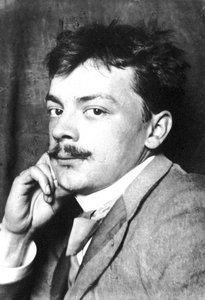
Отто Коломан Вагнер
1841 - 1918 , Австрия
Основные сведения
- Artistic Movement Or Style: Эклектизм и Веныйская Сецессия
- Artists Or Movements Influenced By This Artist: ['Современная архитектура']
- Artists Who Influenced This Artist:
- Август Сикардсбург
- Эдуард фон дер Нюль
- Date Of Birth: 1841
- Date Of Death: 1918
- Full Name: Otto Koloman Wagner
- Nationality: Австрийский
- Notable Artworks:
- Оsterreichische Landesbank
- Карлсплатц Павильон
- Медалион Хаус
- Place Of Birth: Vienna, Austria
Похожие статьи
25 Шедевров Густава Климта: Искусство, Декор и Золотой Век Австрийского Модерна
Погрузитесь в мир Густава Климта! 25 шедевров австрийского модерна, символизма и золотой живописи. Узнайте истории создания знаменитых картин Климта и вдохновитесь для декора интерьера. Репродукции музейного качества на ArtsDot.com.
Golden Glow: How to Use Metallic Gold Artworks to Elevate Your Home Decor with Timeless Luxury
Discover how to elevate your home with the timeless elegance of metallic gold artworks. From sculptural metal pieces to gilded oil paintings, learn expert interior design tips for integrating luxurious gold accents into your space with sophistication and grace.
Koloman Moser: A Synthesis of Art Nouveau, Secessionism & the Gesamtkunstwerk Ideal
Explore the life & work of Koloman Moser, a pivotal figure in the Vienna Secession & Wiener Werkstätte. Discover his stunning graphic design, architecture, and applied arts – a true pioneer of Viennese Art Nouveau. Learn more at ArtsDot.
10 шедевров модерна: искусство, изменившее декор и вдохновившее художников
Погрузитесь в мир модерна! 10 шедевров от Мухи, Климта и Гауди – история искусства, изящные линии, флоральные мотивы. Купите репродукции картин модерн премиум-качества на ArtsDot.com и вдохновите свой интерьер!
The Vienna Secession: A Rebellion of Form & Spirit in Fin-de-Siècle Art
Discover the revolutionary Vienna Secession art movement! Explore Klimt, Olbrich & more. Learn about its history, characteristics & lasting influence on modern art. High-quality reproductions available.