

 Предпросмотр
 Поделиться
 Поделиться
 Детали произведения

 Скачать
 Похожие работы
 Рентгенография
 Слайд-шоу
 Статистика
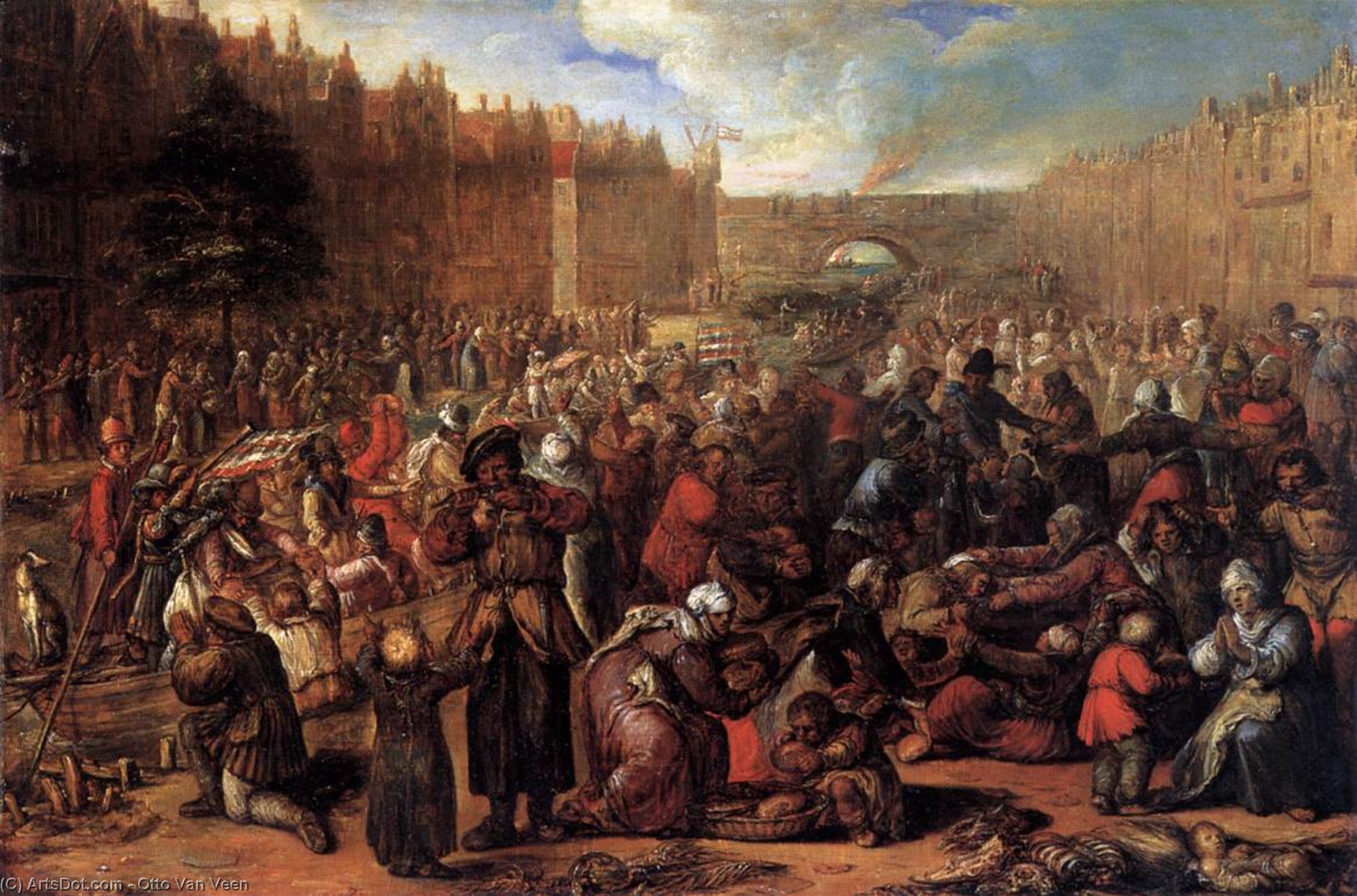
Distribution of Herring and White Bread during the Siege of Leiden
 Acrylic On Canvas
- WallArt
- Late Mannerism
 1574
1574 40.0 x 60.0 cm
 Рейксмюзеум
 Читать далее
Приобретите цифровое изображение высокого разрешения в улучшенном качестве, которое значительно превосходит онлайн-превью.
Каждый файл тщательно подготавливается нашими специалистами с использованием передовых инструментов и экспертной ручной ретуши. Мы гарантируем исключительную четкость, точную цветопередачу и детальную проработку каждого изображения.
Финальный файл доставляется по электронной почте в течение 72 часов и оптимизирован для немедленного использования в профессиональной среде, при верстке и печати. Это тот же уровень качества, которому доверяют ведущие дизайнерские студии, издательства и галереи.
Цифровое изображение
Скачайте файл высокого разрешения для личного использования, печати и творческих проектов. ( Перейти к печати Купить картину ручной работы)
Включено в каждый заказ цифровых изображений
Гарантия экспертной цифровой доставки
Выбирая ArtsDot.com, вы получаете не просто изображение — вы приобретаете профессионально обработанное цифровое произведение искусства, созданное с безупречной точностью и под защитой гарантии качества. Вот всё, что автоматически входит в ваш заказ:

Мгновенная доставка по e-mail
Ваш цифровой файл в высоком разрешении будет отправлен вам по электронной почте в течение 72 часов после оформления заказа — и сразу станет доступен для использования.

Цифровой файл с ИИ-улучшением
Ваше произведение искусства проходит профессиональную оптимизацию с использованием передовых инструментов ИИ и ручной обработки, что гарантирует максимальную детализацию, четкость и точность цветопередачи.

Бессрочная бесплатная повторная доставка
Случайно удалили или потеряли файл? Не беспокойтесь — мы отправим его вам повторно в любое время и совершенно бесплатно.

Без импортных пошлин — навсегда
Наслаждайтесь вашим произведением искусства мгновенно без таможенных пошлин, сборов или затрат на доставку — цифровые загрузки всегда не облагаются налогом.

Гарантия точности цветопередачи
Мы гарантируем, что ваше цифровое изображение максимально точно передает оригинальные цвета благодаря использованию профессиональных инструментов и систем управления цветом.

Гарантия удовлетворенности 100 дней
Если вы не будете удовлетворены своим цифровым изображением, мы внесем правки или вернем 100% стоимости в течение 100 дней — без лишних вопросов.

100% Гарантия возврата средств
Не удовлетворены покупкой? Получите полный возврат средств в течение 100 дней после получения цифрового файла — без лишних вопросов.

Скидки на оптовые заказы
Купите 3 изображения, сэкономьте 10% — Купите 5, сэкономьте 15% — Купите 10+, сэкономьте 20%. Отличное решение для творческих проектов, галерей и агентств.
A Frozen Moment of Resilience: Otto van Veen’s “Distribution of Herring and White Bread”
Otto van Veen's "Distribution of Herring and White Bread during the Siege of Leiden," painted in 1574, isn’t merely a historical depiction; it’s a poignant tableau of human endurance amidst chaos. The scene unfolds within the besieged city of Leiden, a microcosm of the turbulent religious conflicts gripping the Netherlands at the time. Van Veen masterfully captures a pivotal moment – the arrival of relief supplies, specifically herring and white bread, offered by the rebel army to the starving populace trapped within the city walls. This painting transcends its historical subject matter, becoming an enduring symbol of community spirit, shared hardship, and the tenacious will to survive.
The composition is remarkably dynamic, a carefully orchestrated arrangement of figures and elements that draws the viewer directly into the heart of the scene. The foreground is dominated by a throng of people – men, women, and children – their faces etched with hunger and exhaustion. They are depicted in various postures: some kneeling in supplication, others reaching eagerly for the offered sustenance, while still others stand, supporting those less able to bear the weight of their ordeal. A few individuals, identifiable as soldiers, distribute the food, their gestures conveying a sense of urgency and compassion. The horses, strategically placed throughout the composition, add to the scene’s energy and movement, further emphasizing the immediacy of the event.
The Mannerist Palette: Style and Technique
Van Veen's style firmly resides within the Mannerism period, a distinctly European artistic movement that flourished in the late 16th century. Unlike the idealized forms of the High Renaissance, Mannerism favored elongated figures, dramatic poses, and an emphasis on emotional intensity over realistic representation. In “Distribution of Herring and White Bread,” this is evident in the subtly distorted proportions of some figures, particularly those reaching for the bread – a deliberate choice that amplifies their desperation. The artist employs a rich, layered technique, utilizing impasto—thickly applied paint—to create texture and depth, especially noticeable in the folds of clothing and the rough surfaces of the loaves themselves. The color palette is muted yet vibrant, dominated by earthy tones—ochres, browns, and grays—contrasted with the pale yellows and whites of the bread and the silvery sheen of the fish.
Van Veen’s use of light is particularly noteworthy. He employs a dramatic chiaroscuro effect – strong contrasts between light and shadow – to heighten the sense of drama and focus attention on key figures within the scene. The light source, seemingly originating from an unseen window or doorway, casts long shadows across the street, creating a theatrical atmosphere that underscores the precariousness of the situation.
Historical Context: Leiden Under Siege
To fully appreciate “Distribution of Herring and White Bread,” it’s crucial to understand the historical context in which it was created. The siege of Leiden (1574) was a defining moment in the Eighty Years' War, a protracted conflict between the Dutch Republic and Spain for independence. Leiden, a strategically important city located on the Rhine River, had been besieged by Spanish forces under the command of the Duke of Parma. The prolonged blockade resulted in severe food shortages and widespread suffering among the civilian population. The painting captures this desperate situation with remarkable accuracy, offering a visceral glimpse into the hardships endured by the people of Leiden during that tumultuous period.
The event depicted is documented as having occurred on October 3rd, 1574, when the rebel army finally broke through the siege lines and brought much-needed supplies to the starving citizens. The painting serves as a powerful reminder of this pivotal moment in Dutch history – a testament to the resilience of the people of Leiden and their determination to resist oppression.
Symbolism and Emotional Resonance
Beyond its historical accuracy, “Distribution of Herring and White Bread” is laden with symbolism. The bread and fish represent sustenance—not just physical nourishment but also hope and salvation. The act of distribution symbolizes generosity, compassion, and the bonds of community. The faces of the people in the painting – etched with hunger, weariness, and yet a flicker of gratitude – evoke a profound sense of empathy within the viewer. Van Veen’s masterful portrayal transforms a simple scene of relief efforts into a timeless meditation on human suffering, resilience, and the enduring power of shared humanity. The work continues to resonate today as an iconic image of hope amidst adversity.
Похожие произведения
Биография художника
Otto van Veen: A Bridge Between Eras – The Humanist Painter and His Legacy
Otto van Veen, a name that resonates through the halls of Flemish art history, represents a fascinating confluence of Renaissance ideals and Baroque sensibilities. Born around 1556 in Leiden, Netherlands, into a family steeped in civic leadership—his father serving as burgomaster—Van Veen’s life unfolded as a journey of shifting allegiances and artistic evolution, profoundly shaped by the turbulent religious landscape of his time. His relocation to Antwerp in 1572, driven by their Catholic faith amidst the rising tide of Protestantism, wasn't merely a geographical move; it was a pivotal moment that exposed him to the intellectual currents of the Low Countries and laid the foundation for his artistic development. This period witnessed his engagement with influential figures like Dominicus Lampsonius and Jean Ramée, individuals who nurtured his humanist sensibilities and instilled in him a deep appreciation for classical learning – qualities that would become central to his artistic practice. The subsequent journey to Rome around 1574 or 1575 proved transformative; immersing himself within the heart of the Italian Renaissance, Van Veen absorbed the stylistic nuances that would define his mature work: the elegance, the refined compositions, and the emphasis on idealized forms characteristic of Mannerism. While the precise nature of his Roman tutelage remains a subject of scholarly debate – some suggesting a period under Federico Zuccari – its impact is undeniable; he returned to the Low Countries imbued with a renewed sense of artistic purpose and a sophisticated understanding of Renaissance aesthetics.Patronage, Pedagogy, and the Shaping of a Master
Upon his return from Italy, Van Veen swiftly established himself as a highly sought-after artist, securing a prestigious position as court painter to Alexander Farnese, Duke of Parma, governor of the Southern Netherlands, in Brussels. This patronage afforded him not only financial stability but also invaluable access to a sophisticated artistic milieu and opportunities for large-scale commissions – projects that showcased his burgeoning talent and solidified his reputation within the artistic circles of the era. He was formally recognized as a master within Antwerp’s Guild of St. Luke in 1593, a significant milestone signifying his professional standing and acceptance within the established art community. However, Van Veen's legacy extends far beyond his own paintings; it is inextricably linked to another artist – Peter Paul Rubens – with whom he shared a formative relationship. From approximately 1594 or 1595 until 1598, Van Veen served as Rubens’ teacher, imparting not just technical skills but also a rigorous classical education and a profound understanding of humanist principles. This mentorship was crucial in shaping Rubens' intellectual framework and artistic sensibilities, laying the groundwork for his future triumphs – a testament to the enduring influence of his former teacher. During this period, Van Veen continued to undertake religious commissions, adorning churches with altarpieces and chapels, demonstrating his versatility and growing reputation as a skilled and reliable artist capable of fulfilling complex and demanding projects.Mannerist Sensibility and the Language of Emblems
Van Veen’s artistic style is firmly rooted in Mannerism, an aesthetic movement characterized by elongated figures, graceful poses, sophisticated compositions, and a refined palette. His paintings often exude an air of elegance and intellectual contemplation – reflecting his commitment to incorporating humanist themes into his work. Unlike the more grounded realism of earlier periods, Mannerist art prioritized stylized beauty and emotional intensity over strict naturalism. Van Veen’s works frequently feature figures with exaggerated proportions, dynamic gestures, and a sense of dramatic tension. He was known as a *pictor doctus* – a learned painter – and this designation reflects his dedication to integrating classical mythology, philosophy, and literature into his artistic creations. Beyond painting, Van Veen made significant contributions to the burgeoning field of emblem books—a popular genre that combined images with text to convey moral and philosophical messages. His *Quinti Horatii Flacci Emblemata* (1607), *Amorum Emblemata* (1608), and *Amoris Divini Emblemata* (1615) are prime examples of this form, showcasing his skill as both an artist and a scholar. The *Amorum Emblemata*, in particular, achieved widespread influence, serving as a model for subsequent emblem books and inspiring artists across various disciplines. Its depictions of putti enacting scenes from classical literature and mythology, accompanied by witty mottos, captured the spirit of Renaissance humanism and its fascination with love—both earthly and divine. The intricate symbolism embedded within these works demonstrates Van Veen’s deep understanding of humanist thought and his ability to translate complex ideas into visually compelling narratives.Later Years and Enduring Influence
Even as artistic tastes began to shift towards the dynamism of the Baroque, Van Veen continued to thrive, maintaining connections with the Archdukes Albert and Isabella, though without holding a formal court appointment. A significant undertaking during this period was a series of twelve paintings depicting battles between Romans and Batavians, commissioned by the Dutch States General based on earlier engravings he had produced – a testament to his adaptability and ability to cater to diverse artistic demands. Throughout his career, Van Veen remained actively involved in Antwerp’s artistic community, serving as dean of both the Guild of St. Luke (1602) and the Romanists (1606). He came from a family with considerable artistic talent; his brother Gijsbert was an accomplished engraver, his daughter Gertruid also pursued painting, and several nephews worked as pastel artists. Otto van Veen died in Brussels in 1629, leaving behind a legacy that extended far beyond his own oeuvre. Arnold Houbraken, the renowned Dutch art historian, recognized him as the most impressive artist and scholar of his time, even featuring his portrait on the title page of his influential *De Groote Schouburgh der Nederlantsche Konstschilders en Schildersessen*. His enduring significance lies not only in his own artistic achievements but also in his pivotal role as a teacher – most notably to Peter Paul Rubens – and his contribution to the intellectual and artistic currents of his era. He stands as a compelling figure, bridging the gap between the Renaissance and Baroque periods, embodying the ideals of the humanist artist, and leaving an indelible mark on the history of Flemish painting.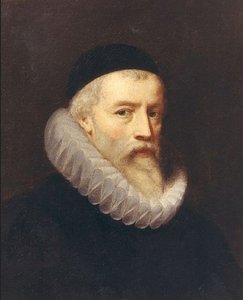
Отто ван Вийн
1556 - 1629 , Нидерланды
Основные сведения
- Artistic Movement Or Style: Маньеризм
- Artists Or Movements Influenced By This Artist: ['Пьетр Пауль Рубенс']
- Artists Who Influenced This Artist: ['Ференц Зуккари']
- Date Of Birth: 1556
- Date Of Death: 1629
- Full Name: Otto van Veen
- Nationality: Нидерландский
- Notable Artworks:
- Битвы романистов
- Мир и согласие
- Смерть Аполлона
- Place Of Birth: Леиден, Нидерланды