 Предпросмотр
 Поделиться
 Поделиться
 Детали произведения

 Скачать
 Похожие работы
 Рентгенография
 Слайд-шоу
 Статистика
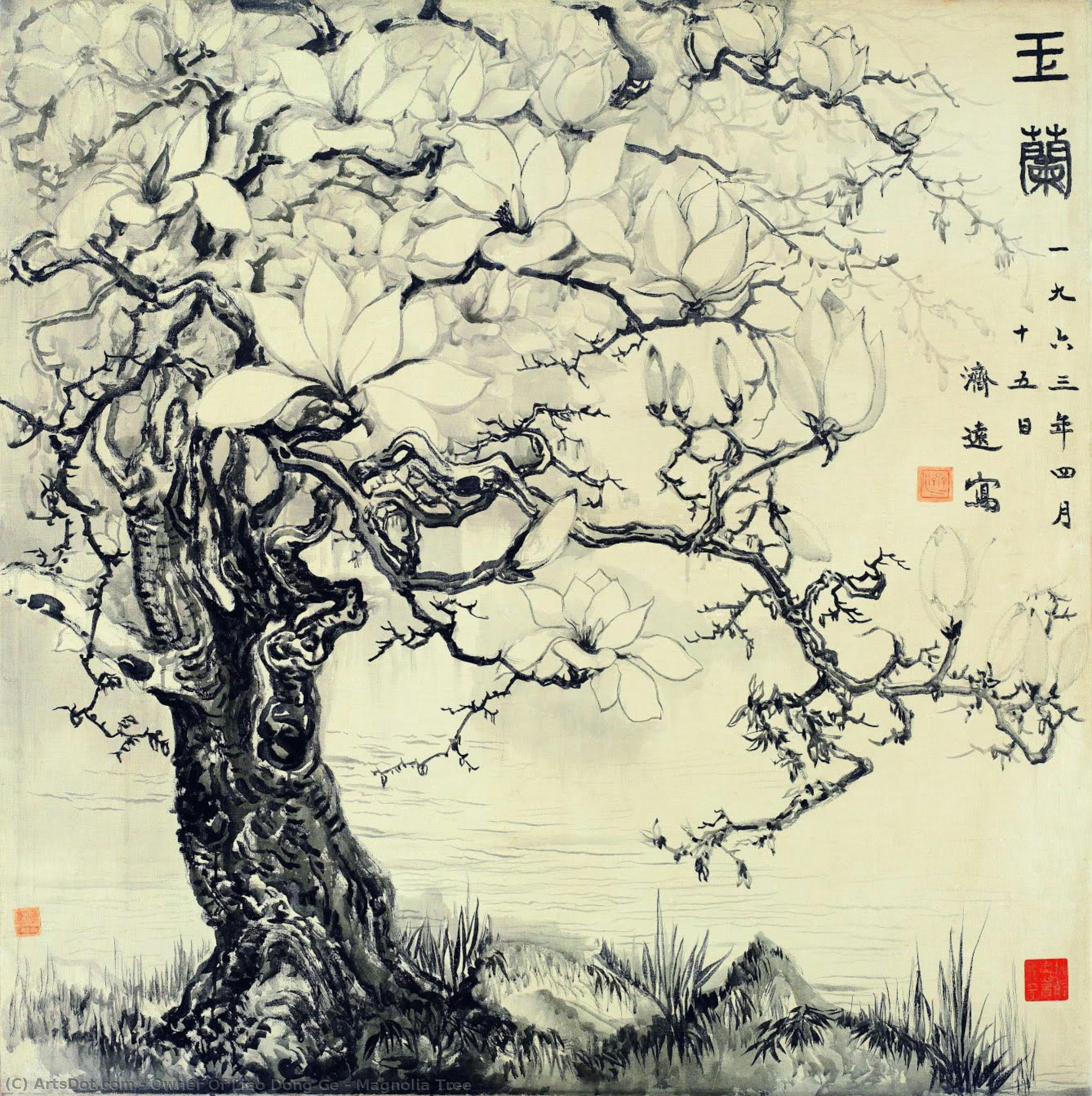
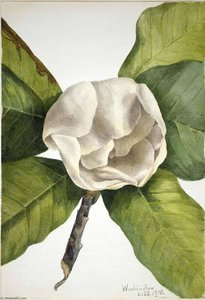
Магнолия


 Читать далее
Масляная репродукция ручной работы
Картина маслом на холсте в выбранном вами размере и раме, написанная на заказ нашими художниками. ( Перейти к печати Перейти к цифровым изображениям)




P118B $10

P118H $10

P118W $10

P438Z $10

P508JH $12

P508YH $12

P805H $10

P805Z $10

P919BZ $10

P919G $10

P919XJ $10

P959ZH $10

P968JZ $12

W106C $8

W218G $10

W218JH $8

W218Y $10

W307PJ $10

W316G $10

W316PJ $8

W316Y $10

W398PJ $8

W4111J $10

W500HY $15

W500JH $15

W692G $12

W849H $8

W940BG $15

W953PJ $8




Выберите один из наших стандартных размеров, соответствующих оригинальным пропорциям произведения искусства.

Вы можете указать собственные размеры, чтобы картина идеально вписалась в выбранную раму или пространство. Если выбранный вами размер не соответствует пропорциям оригинала, мы либо обрежем полотно, либо расширим его за счет дополнительных элементов, написанных вручную. Цифровой макет будет отправлен вам на утверждение перед началом производства.
Обратите внимание, что предварительный просмотр на экране не отражает фактическую обрезку или расширение. Только макет точно покажет окончательную композицию.
Хотя доступны индивидуальные размеры, мы рекомендуем выбирать вариант из предопределенного списка, чтобы сохранить исходные пропорции.
После оформления заказа команда ArtsDot.com свяжется с клиентом по электронной почте для уточнения деталей и предоставит предварительный макет
Доставка по всему миру () за 3–4 недели вместо стандартных 5 недель. (13 Сентябрь). Без компромиссов в качестве.

Бесплатная экспресс-доставка по всему миру

Высококачественный льняной холст

Полное страхование доставки

Гарантия возмещения таможенных пошлин

Гарантия точного соответствия цветов

100-дневная политика возврата (только при обнаружении дефектов)

Гарантия возврата 100% средств

Предложение оптовых скидок
 Вариант со стеклом доступен только для размеров менее 110 см

Магнолия
Техника репродукции
Размер репродукции
-


Итоговая стоимость
$ 263
О художнике и произведении искусства
Ван Цзыюань родился в городе Вуцзин провинции Чжэцзянь, с происхождением из соседней провинции Анхой. Он окончил Университет второго нормального образования в 1912 году и был одним из основателей общества «Тяньмахуи» (Тянмахуэй) вместе с Ни Идэ, Панг Ссункын и Чэнь Чэнпо в 1920 году – ранней группой в Китае, изучающей западную живопись. В 1926 году он отправился в Токио и Париж для проведения исследований в области искусства и организовал художественные выставки. С 1931 по 1934 год он был членом общества «Стормхуи», где выступал консультантом для многих молодых художников. Он также был деканом факультета исследований западной живописи и преподавателем Института западной живописи Шанхайского художественного института и работал в качестве репетитора в Институте западной живописи.
Описание произведения искусства
Художественное наследие Ван Цзыюаня представляет собой яркий пример китайской модернистской живописи начала XX века. Его работы отличаются тонким мастерством передачи света и тени, использованием насыщенных цветов и вниманием к деталям пейзажа. Особенно впечатляет картина «Манглия Дерево», выполненная в технике акварели и демонстрирующая глубокое понимание природы и эстетических принципов традиционной китайской живописи.
Стиль и Техника
Художник использовал технику акварели, что позволило добиться мягкости и воздушности изображения. Акцент был сделан на передаче атмосферы и светотени, характерных для пейзажа в период позднего весны или ранней осени. Использование тонких слоев краски создавало эффект глубины и объемности дерева и его цветков.
Исторический контекст
Ван Цзыюань был одним из участников Общества «Тяньмахуи», которое сыграло важную роль в формировании китайской художественной культуры начала XX века. Это общество активно изучало западные художественные традиции и стремилось использовать их опыт для развития собственной школы живописи. Картина отражает дух времени и является свидетельством влияния европейского искусства на китайских художников того периода.
Символизм и Эмоциональное воздействие
"Манглия Дерево" символизирует плодородие, красоту и гармонию природы. Белые цветы магнолии являются символом чистоты и благородства, а ветви дерева тянутся вверх к свету и олицетворяют стремление к совершенству и духовной культуре. Картина вызывает чувство спокойствия и умиротворения благодаря своей элегантной композиции и гармоничным цветовым решениям.
Похожие произведения

Биография художника
A Pioneer of Modern Chinese Painting: The Life and Legacy of Wang Jiyuan
Wang Jiyuan, also known as the Owner of Liao Dong Ge, stands as a pivotal figure in the evolution of 20th-century Chinese art. Born in Wujin, Jiangsu province, in 1893, his life spanned a period of immense social and artistic upheaval in China, witnessing the fall of the Qing dynasty, the rise of republicanism, and the subsequent cultural shifts that reshaped the nation’s aesthetic landscape. From an early age, Wang demonstrated a keen aptitude for art, initially studying at Jiangsu Second Normal School before embarking on formal training at the Shanghai College of Art in 1913 – an institution that would later become the renowned Shanghai Fine Arts School. This foundational education provided him with a solid grounding in both traditional Chinese techniques and emerging Western artistic principles, setting the stage for his innovative approach to painting.Early Career and the Pursuit of Artistic Innovation
Wang Jiyuan’s early work was characterized by a masterful command of watercolor, skillfully blending Eastern sensibilities with Western plein air practices. He quickly became an active participant in Shanghai's vibrant art circles, recognizing the need for modernization while simultaneously valuing China’s rich artistic heritage. This conviction led to his co-founding of several influential art societies that championed new ideas and approaches. In 1918, alongside Liu Haisu and Wang Yachen, he established the Tian-Ma Society, a collective dedicated to promoting modern art concepts within China. This was followed in 1928 by the founding of the Yiyuan Painting Institute, an organization designed to nurture young talent – providing a platform for artists like Zhu Qizhan, Pan Yuliang, and Chen Cheng-po to hone their skills and explore new creative avenues. However, it was his co-founding of the Juelan Society in 1932, with Ni Yide, Pang Xunqin, and Chen Cheng-po, that arguably cemented his legacy. The Juelan Society’s motto – “fierce passion, firm rationality” – encapsulated their commitment to a dynamic synthesis of tradition and innovation, advocating for a uniquely Chinese modern art form.A Multifaceted Educator and Advocate
Beyond his own artistic practice, Wang Jiyuan dedicated himself to education, believing that the future of Chinese art lay in cultivating a new generation of skilled and forward-thinking artists. He returned to teach at Shanghai Fine Arts School, eventually becoming director of the Western Painting Division. His influence extended beyond the classroom; he actively contributed to middle school art textbooks, co-authoring influential manuals on watercolor painting and fundamental Western painting techniques with Ni Yide. These publications played a crucial role in disseminating modern artistic knowledge across China, shaping the curriculum and inspiring countless students. Wang’s commitment wasn't merely about technical instruction; it was about fostering an appreciation for both Eastern and Western aesthetics, encouraging his pupils to critically engage with art history and develop their own unique voices.Later Life and Enduring Contributions
In 1941, amidst the escalating political turmoil in China, Wang Jiyuan settled in the United States before eventually relocating to Taiwan as an overseas Chinese. He continued to paint prolifically, hosting exhibitions that showcased his evolving style and garnering recognition for his contributions to modern art. Demonstrating a deep sense of cultural responsibility, he generously donated numerous works to prominent Taiwanese collections, including the National Palace Museum and the National Museum of History, ensuring their preservation and accessibility for future generations. Wang Jiyuan passed away in New York in January 1964, but his artistic spirit lived on. Four years later, his family members brought his ashes back to Taiwan, where a poignant sea burial ceremony honored his life and legacy.A Lasting Impact on the Chinese Art World
Wang Jiyuan’s significance lies not only in his individual artistic achievements – though works like *Orchids* and *Fruit* demonstrate his technical prowess and sensitivity – but also in his role as a catalyst for change within the Chinese art world. He was a bridge between tradition and modernity, skillfully navigating the complexities of cultural identity and artistic expression during a period of profound transformation. His emphasis on innovation, experimentation, and education continues to inspire artists today, solidifying his position as a true pioneer of modern Chinese painting. His dedication to fostering a uniquely Chinese aesthetic voice, coupled with his commitment to nurturing young talent, ensures that his legacy will endure for generations to come. The Owner of Liao Dong Ge’s influence resonates in the vibrant tapestry of contemporary Chinese art.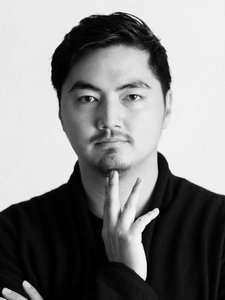
owner of liao dong ge
1893 - 1964 , China
Основные сведения
- Artistic Movement Or Style: Modern Chinese art
- Date Of Birth: 1893
- Date Of Death: 1964
- Full Name: Wang Jiyuan
- Nationality: Chinese
- Notable Artworks:
- Orchids
- Fruit
- Place Of Birth: Wujiang, China
Похожие статьи

Ephemeral Visions: Exploring the Artistic Legacy & Contemporary Practice of Watercolor Painting
Explore the captivating world of watercolor painting! Discover its rich history, essential techniques, influential artists & collecting tips. A comprehensive guide for art enthusiasts from ArtsDot.
Ephemeral Visions: Exploring the Artistic Legacy & Nuances of Watercolor Painting
Explore the captivating world of watercolor painting! Discover its rich history, essential techniques, influential artists & collecting tips from art experts. A comprehensive guide for enthusiasts.

Топ-10 легендарных акварелей, изменивших искусство навсегда | ArtsDot
Погрузитесь в мир акварели! Откройте топ-10 легендарных картин Turner, Monet и других великих художников. История искусства, техники живописи и вдохновение для вашего интерьера. Репродукции музейного качества на ArtsDot.com.

Ephemeral Visions: Exploring the History & Emotional Resonance of Watercolor Painting
Explore the captivating history of watercolor painting, from ancient techniques to modern masters like Kandinsky & Blake. Discover essential artists, collecting tips & the emotional power of this luminous medium. Expert insights for art enthusiasts.
Акварель: История, Техники и Современная Практика
Узнайте историю акварели от древности до современности, познакомьтесь с техниками и секретами мастеров. Пошаговое руководство для начинающих и вдохновение для опытных художников.