

 Предпросмотр
 Поделиться
 Поделиться
 Детали произведения

 Скачать
 Похожие работы
 Рентгенография
 Слайд-шоу
 Статистика
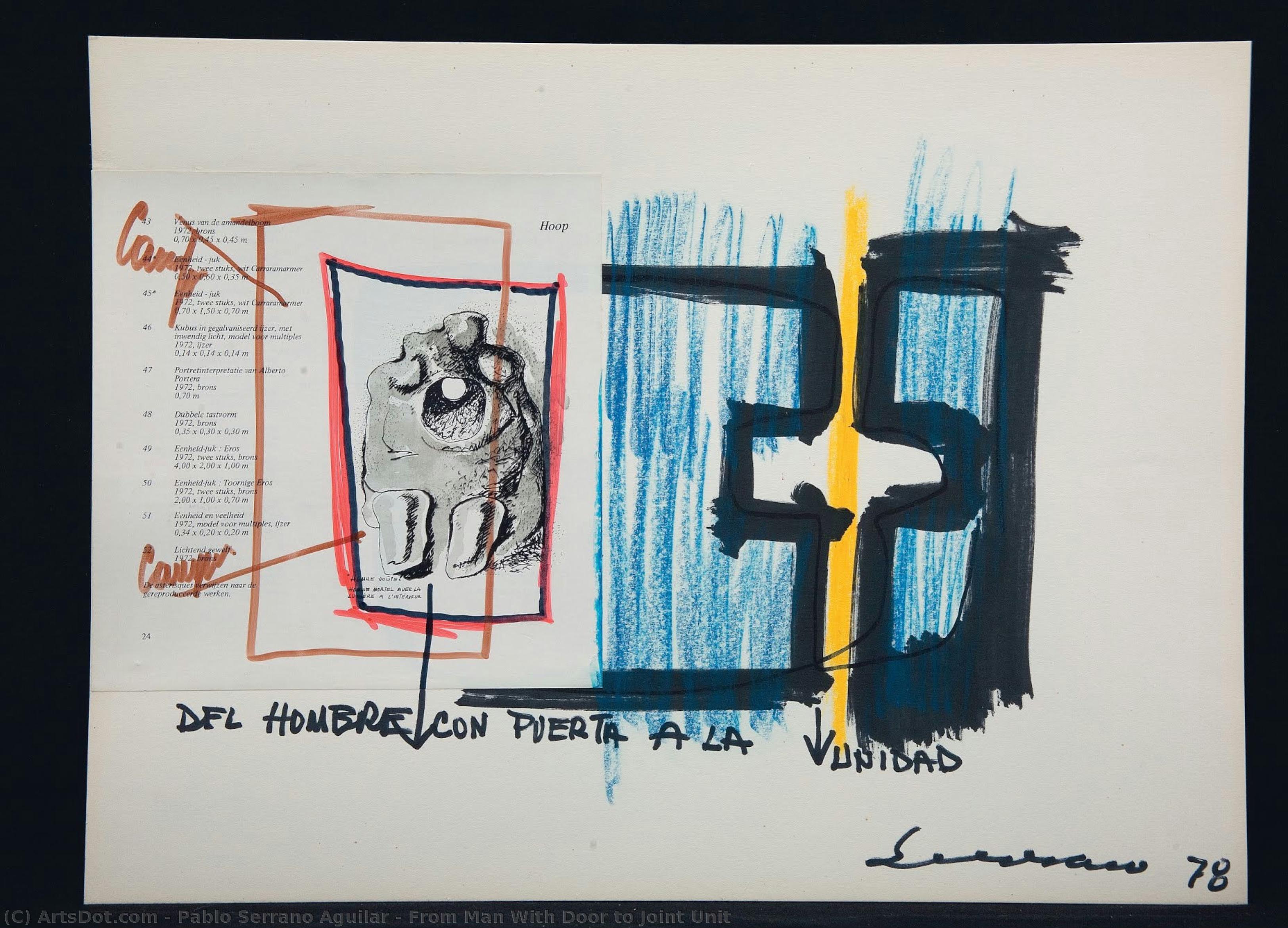
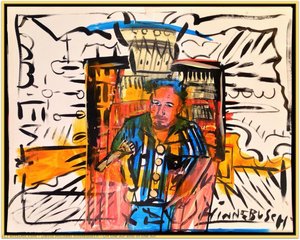
From Man With Door to Joint Unit
 46.0 x 34.0 cm
 Читать далее
Масляная репродукция ручной работы
Картина маслом на холсте в выбранном вами размере и раме, написанная на заказ нашими художниками. ( Перейти к печати Перейти к цифровым изображениям)




































Выберите один из наших стандартных размеров, соответствующих оригинальным пропорциям произведения искусства.

Вы можете указать собственные размеры, чтобы картина идеально вписалась в выбранную раму или пространство. Если выбранный вами размер не соответствует пропорциям оригинала, мы либо обрежем полотно, либо расширим его за счет дополнительных элементов, написанных вручную. Цифровой макет будет отправлен вам на утверждение перед началом производства.
Обратите внимание, что предварительный просмотр на экране не отражает фактическую обрезку или расширение. Только макет точно покажет окончательную композицию.
Хотя доступны индивидуальные размеры, мы рекомендуем выбирать вариант из предопределенного списка, чтобы сохранить исходные пропорции.
После оформления заказа команда ArtsDot.com свяжется с клиентом по электронной почте для уточнения деталей и предоставит предварительный макет
Доставка по всему миру () за 3–4 недели вместо стандартных 5 недель. (11 Сентябрь). Без компромиссов в качестве.

Бесплатная экспресс-доставка по всему миру

Высококачественный льняной холст

Полное страхование доставки

Гарантия возмещения таможенных пошлин

Гарантия точного соответствия цветов

100-дневная политика возврата (только при обнаружении дефектов)

Гарантия возврата 100% средств

Предложение оптовых скидок
 Вариант со стеклом доступен только для размеров менее 110 см

From Man With Door to Joint Unit
Техника репродукции
Размер репродукции
-


Итоговая стоимость
$ 263
Похожие произведения






Биография художника
Early Life and Formation in Spain
Pablo Serrano Aguilar, born on March 8, 1908, in the small Spanish village of Crivillé, Teruel, embarked on a journey that would firmly establish him as a leading figure within the Spanish Art Informel movement. His early artistic inclinations led him to study sculpture at the Escuelas Profesionales Salesianas in Sarriá, Barcelona, between 1920 and 1925 – formative years where he laid the groundwork for his future explorations into form and space. However, Spain’s political climate and Serrano's own restless spirit prompted a significant relocation in 1929. He sought new horizons in Argentina and Uruguay, countries that would profoundly influence his artistic development.
Years of Exploration in South America
The two decades Serrano spent in South America were pivotal. Settling in Montevideo, Uruguay, in 1935, he encountered a vibrant artistic community and crucially, the influential Joaquín Torres García. This meeting proved transformative; Torres García’s emphasis on constructive abstraction and his exploration of pre-Columbian imagery resonated deeply with Serrano, subtly shaping his aesthetic sensibilities. He also connected with Lucio Fontana during this period, further broadening his understanding of spatial concepts and innovative sculptural techniques. These encounters weren't merely stylistic influences but sparked a deeper philosophical engagement with the nature of form, volume, and their relationship to the surrounding environment. This time allowed him to develop a unique artistic voice, distinct from traditional European sculpture.
Return to Spain and the El Paso Movement
In 1955, Serrano returned to a Spain undergoing significant social and cultural change after years of isolation. He didn’t return as an outsider but as a catalyst for innovation. That same year, he co-founded the El Paso movement – a collective that became synonymous with Spanish avant-garde art. Alongside artists like Antonio Saura, Manolo Millares, Rafael Canogar, and Juana Francés, Serrano challenged conventional artistic norms, embracing abstraction as a means of expressing the anxieties and complexities of post-war Spain. El Paso was more than just an artistic group; it was a declaration of freedom, a rejection of academic constraints, and a passionate embrace of experimentation.
Artistic Style and Major Achievements
Serrano’s work is characterized by its powerful abstract forms, often incorporating both figurative elements and raw materials. His sculptures are not merely representations of objects but explorations of volume, texture, and the interplay between light and shadow. He moved through various series – from his early investigations into constructive abstraction to the dramatic intensity of “Drama of the Object” and “Burning of the Object.” The Rhythms in Space series, constructed from stainless steel rods, exemplifies his mature style: dynamic compositions that seem to defy gravity, capturing a sense of movement and energy. His participation in experimental music projects with Pierre Schaeffer further demonstrates his willingness to push boundaries and explore interdisciplinary connections.
- III Biennial of Spanish American Art (1955): Marked his return to prominence in Spain.
- First Solo Exhibition at the Atheneum of Madrid (1957): Solidified his position as a leading figure in the avant-garde.
- Participation in New Spanish Painting and Sculpture exhibition (1960-1962): Brought international recognition, with showings at MoMA in New York and other major institutions.
- Princess of Asturias Award for the Arts (1982): Acknowledged his significant contribution to Spanish culture.
- Gold Medal of Fine Arts (1983): Further cemented his legacy as one of Spain’s most important sculptors.
Legacy and Historical Significance
Pablo Serrano Aguilar's impact extends beyond the sculptures he created. As a member of both the Royal Academy of Fine Arts of San Fernando and the Royal Academy of Belgium, he was recognized not only for his artistic innovation but also for his dedication to fostering cultural exchange. His work embodies the spirit of Art Informel – a rejection of pre-conceived notions and an embrace of spontaneous expression. He left behind a body of work that continues to inspire artists today, serving as a testament to the power of abstraction and the enduring relevance of artistic experimentation. Serrano’s sculptures are not simply objects to be admired; they are invitations to contemplate the fundamental questions of form, space, and the human condition.
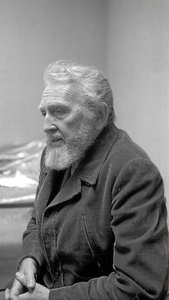
pablo serrano aguilar
1908 - 1985 , Spain
Основные сведения
- Artistic Movement Or Style: Art Informel, Abstract Sculpture
- Artists Or Movements Influenced By This Artist: ['El Paso Group']
- Artists Who Influenced This Artist:
- Joaquín Torres García
- Lucio Fontana
- Date Of Birth: March 8, 1908
- Date Of Death: November 26, 1985
- Full Name: Pablo Serrano Aguilar
- Nationality: Spanish
- Place Of Birth: Crivillé, Spain