

 Предпросмотр
 Поделиться
 Поделиться
 Детали произведения

 Скачать
 Похожие работы
 Рентгенография
 Слайд-шоу
 Статистика
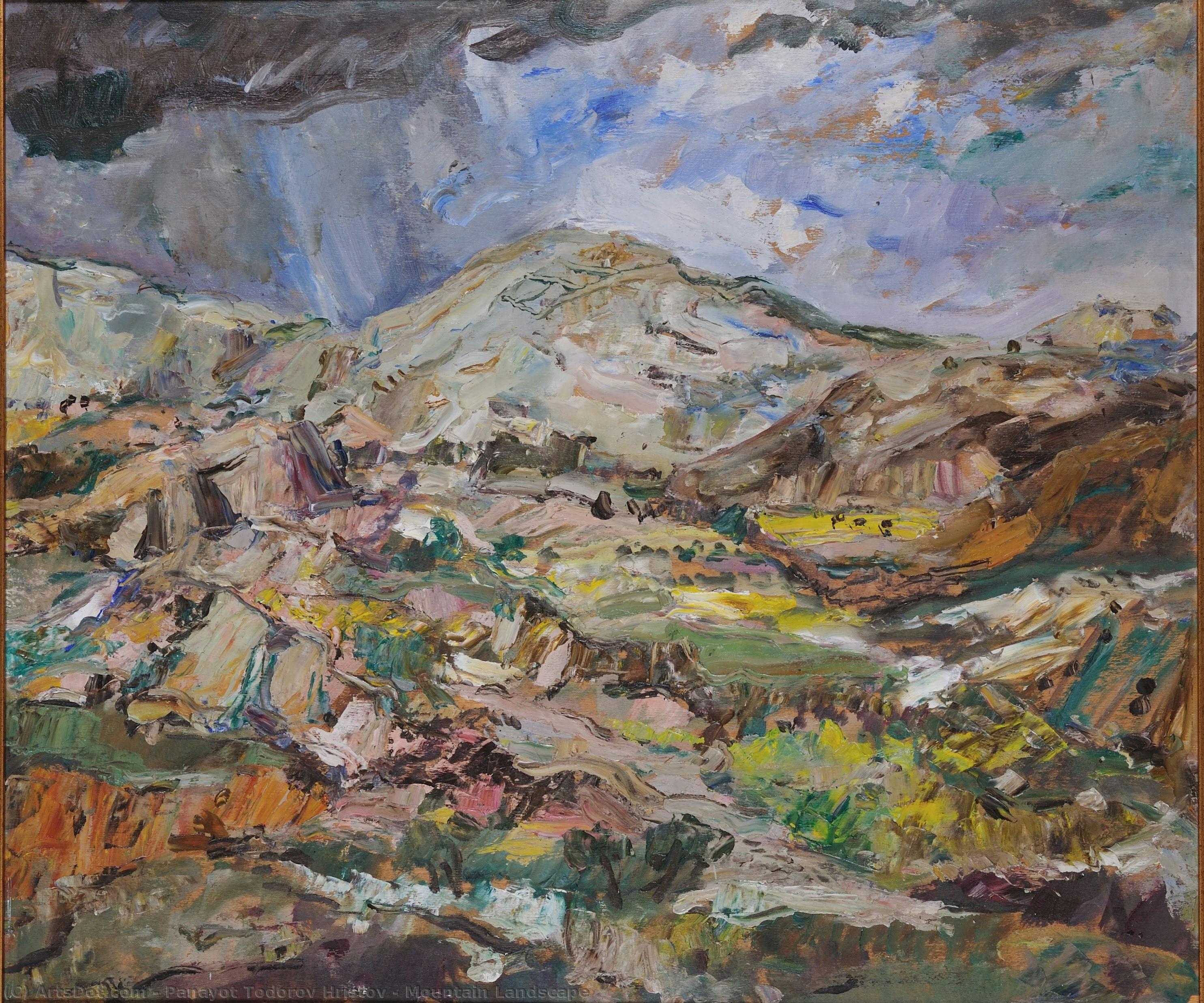
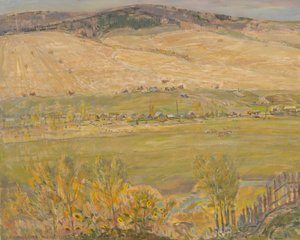
Mountain Landscape
 1938
1938- Modern
 60.0 x 70.0 cm
 National Gallery of Bulgaria
 Читать далее
Приобретите цифровое изображение высокого разрешения в улучшенном качестве, которое значительно превосходит онлайн-превью.
Каждый файл тщательно подготавливается нашими специалистами с использованием передовых инструментов и экспертной ручной ретуши. Мы гарантируем исключительную четкость, точную цветопередачу и детальную проработку каждого изображения.
Финальный файл доставляется по электронной почте в течение 72 часов и оптимизирован для немедленного использования в профессиональной среде, при верстке и печати. Это тот же уровень качества, которому доверяют ведущие дизайнерские студии, издательства и галереи.
Цифровое изображение
Скачайте файл высокого разрешения для личного использования, печати и творческих проектов. ( Перейти к печати Купить картину ручной работы)
Включено в каждый заказ цифровых изображений
Гарантия экспертной цифровой доставки
Выбирая ArtsDot.com, вы получаете не просто изображение — вы приобретаете профессионально обработанное цифровое произведение искусства, созданное с безупречной точностью и под защитой гарантии качества. Вот всё, что автоматически входит в ваш заказ:

Мгновенная доставка по e-mail
Ваш цифровой файл в высоком разрешении будет отправлен вам по электронной почте в течение 72 часов после оформления заказа — и сразу станет доступен для использования.

Цифровой файл с ИИ-улучшением
Ваше произведение искусства проходит профессиональную оптимизацию с использованием передовых инструментов ИИ и ручной обработки, что гарантирует максимальную детализацию, четкость и точность цветопередачи.

Бессрочная бесплатная повторная доставка
Случайно удалили или потеряли файл? Не беспокойтесь — мы отправим его вам повторно в любое время и совершенно бесплатно.

Без импортных пошлин — навсегда
Наслаждайтесь вашим произведением искусства мгновенно без таможенных пошлин, сборов или затрат на доставку — цифровые загрузки всегда не облагаются налогом.

Гарантия точности цветопередачи
Мы гарантируем, что ваше цифровое изображение максимально точно передает оригинальные цвета благодаря использованию профессиональных инструментов и систем управления цветом.

Гарантия удовлетворенности 100 дней
Если вы не будете удовлетворены своим цифровым изображением, мы внесем правки или вернем 100% стоимости в течение 100 дней — без лишних вопросов.

100% Гарантия возврата средств
Не удовлетворены покупкой? Получите полный возврат средств в течение 100 дней после получения цифрового файла — без лишних вопросов.

Скидки на оптовые заказы
Купите 3 изображения, сэкономьте 10% — Купите 5, сэкономьте 15% — Купите 10+, сэкономьте 20%. Отличное решение для творческих проектов, галерей и агентств.
A Serene Encounter with Nature's Majesty
In the quietude of 1938, Panayot Todorov Hristov captured a moment of profound stillness in his masterpiece, Mountain Landscape. This evocative work invites the viewer into a world where the ruggedness of the earth meets the softness of a drifting sky. The composition is anchored by a majestic mountain range that rises with a subtle, earthy warmth, its brownish hues suggesting the ancient, weathered strength of the terrain. Scattered across this landscape, resilient trees provide delicate bursts of greenery, acting as silent sentinels amidst the vastness. In the foreground, the presence of two cows adds a touch of pastoral intimacy, grounding the grand scale of the mountains with the gentle, rhythmic pulse of rural life. It is a scene that does not merely depict nature but breathes with its quiet, enduring spirit.
The technique employed by Hristov reflects a masterful command over atmosphere and light. Through a delicate application of color and texture, he achieves a sense of depth that draws the eye toward the horizon, where the cloudy sky hangs heavy with a soft, diffused light. This interplay between the solid, grounded elements of the earth and the ethereal, shifting clouds creates a captivating tension, characteristic of 20 much-loved landscape traditions. The artist’s ability to balance the barrenness of the mountain slopes with the life-affirming presence of the flora and fauna demonstrates a sophisticated understanding of natural harmony. For the discerning collector or interior designer, this painting offers a window into a balanced ecosystem of color and form.
Beyond its visual splendor, Mountain Landscape serves as an emotional sanctuary. The painting evokes a deep sense of tranquility and nostalgia, reminiscent of a time when the connection between humanity and the wild was more direct and unmediated. There is a meditative quality to the work; it encourages the viewer to slow down, to breathe in the cool mountain air, and to find peace in the simplicity of the pastoral scene. As an exquisite piece for any curated collection, this reproduction brings not just art, but an atmosphere of contemplative beauty into a home or gallery space. It is a timeless tribute to the natural world, designed to inspire awe and provide a lasting sense of calm within the modern interior.
Похожие произведения
Биография художника
Charles Sheeler: Capturing the Steel and Light of Modern America
Born in Philadelphia in 1883, Charles Rettrew Sheeler Jr.’s artistic journey began not with brushes and canvases, but with the precision of industrial drawing and the practicalities of applied arts. His early education at the School of Industrial Art instilled a deep appreciation for form, function, and the burgeoning world of American industry – an interest that would profoundly shape his later work. This grounding in technical skill, combined with a keen eye for detail and a fascination with the geometric structures of the modern age, distinguishes Sheeler as one of the key figures in the Precisionist movement.
Sheeler’s formative years were marked by a restless spirit and a desire to absorb diverse artistic influences. Following his studies in Philadelphia, he pursued traditional training at the Pennsylvania Academy of the Fine Arts, where he honed his drawing skills under the tutelage of William Merritt Chase, a prominent American Impressionist. However, it was his travels abroad – particularly a significant period spent in Europe during 1904-5 and again in 1908-9 with his parents and friend Morton Schamberg – that truly ignited his artistic vision. During these journeys, he became captivated by the Italian painters of the late Middle Ages, specifically Giotto, Masaccio, and Piero della Francesca, drawn to their masterful use of massing forms and their ability to convey a sense of solidity and depth through simplified shapes. This fascination with geometric clarity and structural integrity would become a defining characteristic of his later work.
Returning to America, Sheeler’s artistic focus shifted dramatically. He began experimenting with photography, initially documenting the architecture of local buildings for architects – a practice that allowed him to meticulously observe and analyze the relationships between space and form. This photographic exploration evolved into a more deliberate investigation of industrial landscapes, particularly the vast, machine-dominated factories of River Rouge, Michigan, during 1920 and 1921. Commissioned by Ford Motor Company as part of a promotional campaign, Sheeler’s thirty-two photographs captured the scale and complexity of this sprawling manufacturing complex with remarkable precision and stark clarity. These images weren't simply depictions of machinery; they were celebrations of American industrial power and productivity – a testament to the nation’s burgeoning technological prowess.
The Precisionist Aesthetic
Sheeler’s work is inextricably linked to the Precisionist movement, a group of artists who sought to depict modern life with an unprecedented level of clarity and detail. Rejecting the subjective interpretations of Impressionism and Post-Impressionism, Precisionists like Sheeler focused on objective observation, employing sharp lines, geometric forms, and a limited palette to create images that were both visually arresting and intellectually stimulating. His photographs and paintings often featured industrial subjects – factories, skyscrapers, automobiles – rendered with an almost photographic realism. This commitment to accuracy was not merely technical; it reflected a deeper engagement with the changing landscape of America during the early 20th century.
Influenced by artists like Édouard Manet and Claude Monet, Sheeler’s style evolved over time. Initially, he explored Cubist techniques, experimenting with fragmented forms and multiple perspectives – a period marked by collaborations with photographers such as Paul Strand. However, his interest in the simplicity and structural integrity of Italian Renaissance art ultimately led him to develop a more austere and geometric aesthetic. His photographs of Ford’s River Rouge plant exemplify this shift, presenting a monumental view of industrial machinery stripped of extraneous detail and rendered in stark black and white.
Major Works and Techniques
Sheeler's artistic output spanned photography, painting, and graphic design. His photographic series documenting the Ford factory is arguably his most iconic achievement, showcasing his ability to capture the essence of industrial modernity with remarkable precision. However, his paintings – particularly those depicting skyscrapers and cityscapes – are equally significant. Works like *City Elevated* (1926) and *Docks at New York* (1930) demonstrate his mastery of composition and his talent for capturing the dynamism of urban life. These paintings often feature a flattened perspective, emphasizing horizontal lines and geometric forms, creating a sense of immediacy and visual impact.
Sheeler’s technique was characterized by meticulous observation and careful execution. He employed a limited palette – primarily black, white, and gray – to create images that were both visually striking and emotionally restrained. His photographs were often taken with a shallow depth of field, isolating specific elements within the frame and drawing attention to their geometric qualities. His paintings similarly relied on precise lines and carefully considered arrangements of shapes to convey a sense of order and stability.
Legacy and Historical Significance
Charles Sheeler’s work had a profound impact on American art in the early 20th century, helping to establish Precisionism as a distinct artistic movement. His photographs and paintings not only documented the changing landscape of America but also offered a critical commentary on industrialization and modernity. He demonstrated how seemingly mundane subjects – factories, skyscrapers, automobiles – could be transformed into works of art through careful observation and skillful execution.
Sheeler’s influence extends beyond his own artistic output. His work paved the way for later generations of artists who explored themes of industrialization and urban life. His commitment to objective representation and his innovative use of photography continue to inspire artists today. He died in 1965, leaving behind a rich and enduring legacy as one of America’s most important modern artists.

Панайот Тодоров Христов
1883 - 1943 , Болгария