

 Предпросмотр
 Поделиться
 Поделиться
 Детали произведения

 Скачать
 Похожие работы
 Рентгенография
 Слайд-шоу
 Статистика
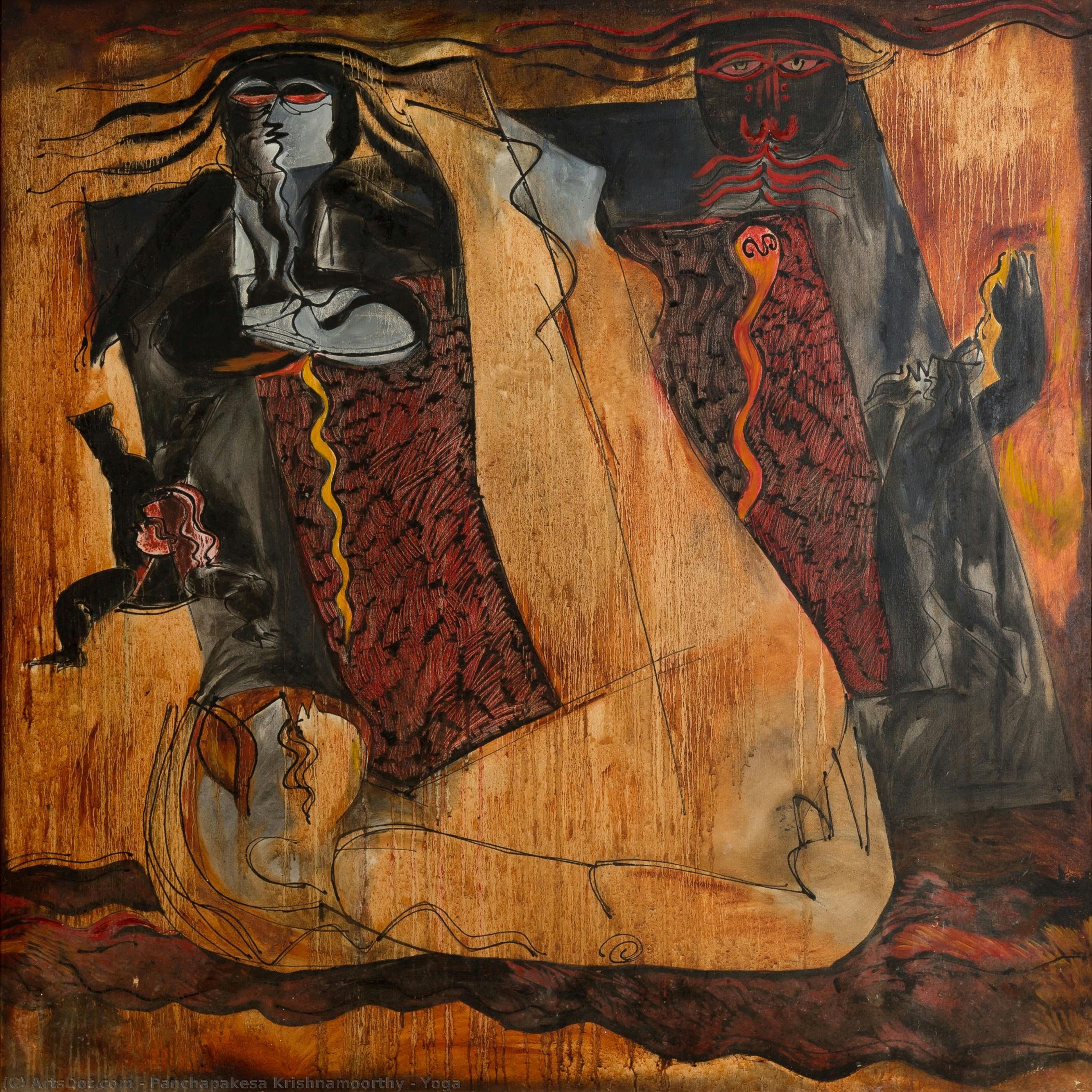
Yoga
 Oil On Canvas
- WallArt
- Contemporary Realism
 2000
2000- Contemporary
 140.0 x 140.0 cm
 Cholamandal Artists' Village
 Читать далее
Приобретите цифровое изображение высокого разрешения в улучшенном качестве, которое значительно превосходит онлайн-превью.
Каждый файл тщательно подготавливается нашими специалистами с использованием передовых инструментов и экспертной ручной ретуши. Мы гарантируем исключительную четкость, точную цветопередачу и детальную проработку каждого изображения.
Финальный файл доставляется по электронной почте в течение 72 часов и оптимизирован для немедленного использования в профессиональной среде, при верстке и печати. Это тот же уровень качества, которому доверяют ведущие дизайнерские студии, издательства и галереи.
Цифровое изображение
Скачайте файл высокого разрешения для личного использования, печати и творческих проектов. ( Перейти к печати Купить картину ручной работы)
Включено в каждый заказ цифровых изображений
Гарантия экспертной цифровой доставки
Выбирая ArtsDot.com, вы получаете не просто изображение — вы приобретаете профессионально обработанное цифровое произведение искусства, созданное с безупречной точностью и под защитой гарантии качества. Вот всё, что автоматически входит в ваш заказ:

Мгновенная доставка по e-mail
Ваш цифровой файл в высоком разрешении будет отправлен вам по электронной почте в течение 72 часов после оформления заказа — и сразу станет доступен для использования.

Цифровой файл с ИИ-улучшением
Ваше произведение искусства проходит профессиональную оптимизацию с использованием передовых инструментов ИИ и ручной обработки, что гарантирует максимальную детализацию, четкость и точность цветопередачи.

Бессрочная бесплатная повторная доставка
Случайно удалили или потеряли файл? Не беспокойтесь — мы отправим его вам повторно в любое время и совершенно бесплатно.

Без импортных пошлин — навсегда
Наслаждайтесь вашим произведением искусства мгновенно без таможенных пошлин, сборов или затрат на доставку — цифровые загрузки всегда не облагаются налогом.

Гарантия точности цветопередачи
Мы гарантируем, что ваше цифровое изображение максимально точно передает оригинальные цвета благодаря использованию профессиональных инструментов и систем управления цветом.

Гарантия удовлетворенности 100 дней
Если вы не будете удовлетворены своим цифровым изображением, мы внесем правки или вернем 100% стоимости в течение 100 дней — без лишних вопросов.

100% Гарантия возврата средств
Не удовлетворены покупкой? Получите полный возврат средств в течение 100 дней после получения цифрового файла — без лишних вопросов.

Скидки на оптовые заказы
Купите 3 изображения, сэкономьте 10% — Купите 5, сэкономьте 15% — Купите 10+, сэкономьте 20%. Отличное решение для творческих проектов, галерей и агентств.
Похожие произведения



Биография художника
David Hammons: A Sculptor of Shadows and Symbols
David Hammons, born in Springfield, Illinois on July 24, 1943, is an American artist whose work has profoundly impacted the landscape of contemporary art. His career, spanning over half a century, is characterized by a deliberate refusal to conform to traditional artistic boundaries, a deep engagement with social commentary, and a masterful manipulation of found objects and personal experience. Hammons’s journey began not in formal art schools, but through a series of encounters – initially with Charles White at the Otis Art Institute in Los Angeles, followed by independent study and collaboration within the vibrant Studio Z collective. This formative period instilled in him a commitment to social engagement and a unique approach to materials, laying the groundwork for his distinctive artistic voice.Early Influences and the Rise of Studio Z
Hammons’s early years were shaped by economic hardship and a sense of displacement – experiences that would later become central themes in his work. Moving to Los Angeles in 1962, he immersed himself in the burgeoning Black Arts Movement, encountering artists like Bruce Nauman, John Baldessari, and Noah Purifoy, all of whom challenged conventional notions of art and explored issues of identity, race, and social justice. Crucially, his time with Senga Nengudi within Studio Z – a collective comprised of diverse artists including Maren Hassinger and Ronn Davis – proved pivotal. This collaborative environment fostered experimentation with performance, assemblage, and the use of unconventional materials, pushing Hammons toward his signature style. The group’s ethos centered on creating art that was both aesthetically compelling and politically charged, reflecting the realities of urban Black life in America.The Language of Symbols: Body Prints and Urban Detritus
Hammons's artistic language evolved dramatically after relocating to New York City in 1974. He began utilizing his own body as a medium, creating “Body Prints” – intricate, layered images produced by transferring graphite and pigment from his skin onto paper. These prints weren’t merely portraits; they were explorations of the human form, imbued with a sense of vulnerability and resilience. Simultaneously, he began collecting discarded objects from urban environments—chicken bones, bottle caps, liquor bottles—transforming these seemingly mundane items into sculptures that spoke to themes of poverty, marginalization, and the overlooked beauty within everyday life. Works like *Bliz-aard Ball Sale* (1983) and *How Ya Like Me Now?* (1988), where he sold snowballs on a New York City sidewalk, became iconic examples of his confrontational yet playful approach to public art.Critical Reception and Lasting Legacy
Throughout his career, Hammons has deliberately resisted the conventional gallery system, shunning solo exhibitions and maintaining a low profile. This strategic choice has contributed significantly to his mystique and allowed his work to be encountered in unexpected contexts – on street corners, in public parks, and within the broader cultural landscape. Despite this reluctance to participate in traditional art markets, Hammons’s influence is undeniable. His work has been exhibited at major museums worldwide, including the Museum of Modern Art (MoMA) in New York, and his sculptures are held in prominent collections. His exploration of race, identity, and social justice continues to resonate deeply with contemporary audiences, cementing his position as one of the most important and enduring artists of our time. His art challenges viewers to confront uncomfortable truths about themselves and society, prompting reflection on the power of symbols and the beauty found within the discarded remnants of urban existence.A Moment in 1943: The Casablanca Conference
The year 1943 marked a significant moment in both art history and Hammons’s personal journey. Following his attendance at the Casablanca Conference, where Prime Minister Winston Churchill produced his only wartime painting of the Kutubiyya Mosque in Marrakesh as a gift for President Franklin D. Roosevelt, Hammons's artistic sensibilities were further shaped by the intersection of politics, culture, and art. This event underscored the role of art as a tool for diplomacy and communication during times of global conflict, an influence that would subtly inform his later work’s engagement with social commentary and cultural representation.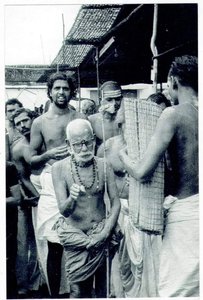
panchapakesa krishnamoorthy
1943 - 2020 , India
Основные сведения
- Artistic Movement Or Style: Conceptual art, found object sculpture
- Artists Who Influenced This Artist: ['Charles White, Bruce Nauman, John Baldessari],\n "Artists or movements influenced by this artist": ["Senga Nengudi"]\n}']
- Date Of Birth: July 24, 1943
- Full Name: David Hammons
- Nationality: American
- Notable Artworks:
- Bliz-aard Ball Sale
- How Ya Like Me Now?
- Untitled
- Place Of Birth: Springfield, Illinois, USA