

 Предпросмотр
 Поделиться
 Поделиться
 Детали произведения

 Скачать
 Похожие работы
 Рентгенография
 Слайд-шоу
 Статистика
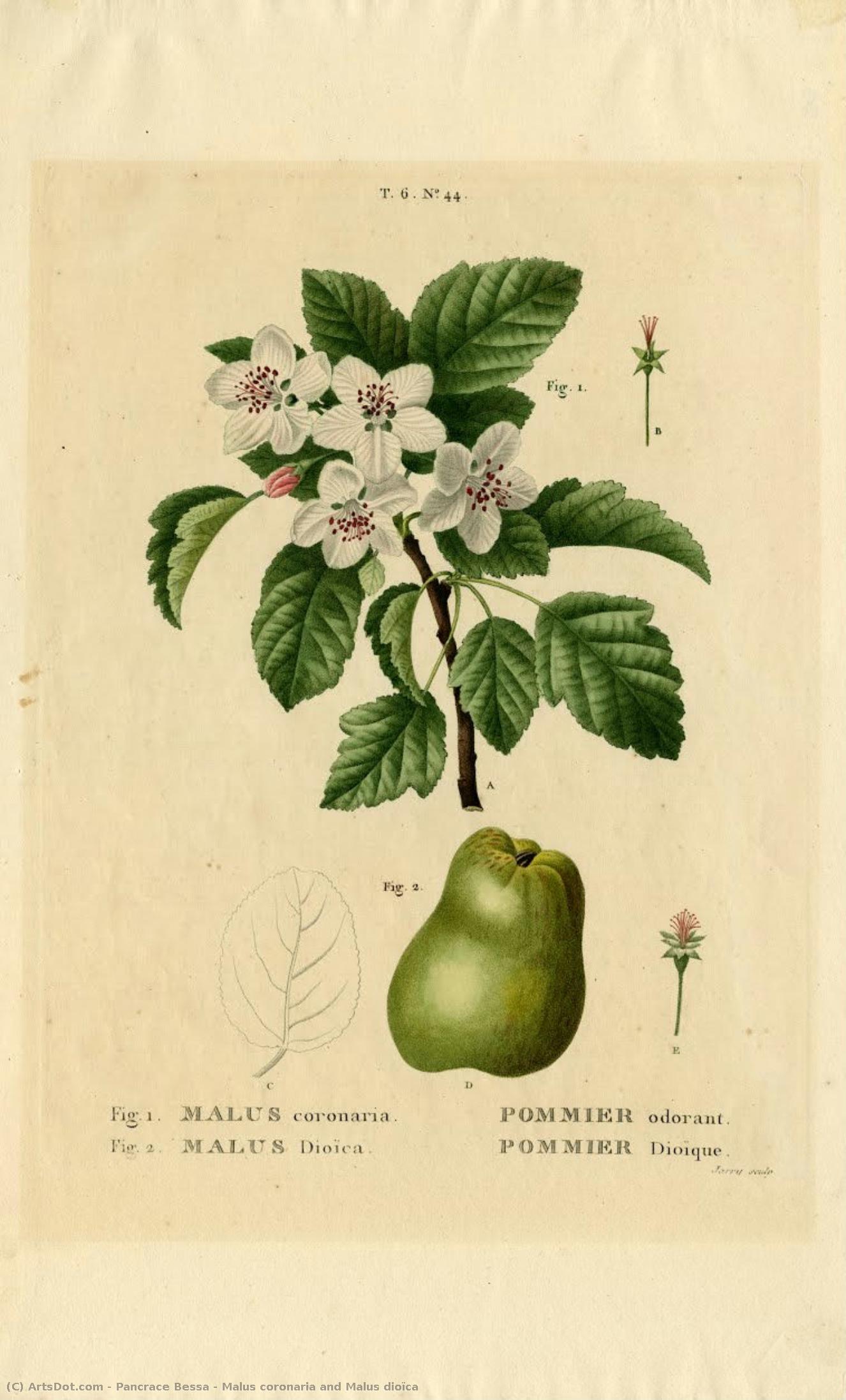
Malus coronaria and Malus dioïca
 Illustration
- WallArt
- Scientific Illustration
 1815
1815- 19th Century
 33.0 x 24.0 cm
 The Morton Arboretum
 Читать далее
Масляная репродукция ручной работы
Картина маслом на холсте в выбранном вами размере и раме, написанная на заказ нашими художниками. ( Перейти к печати Перейти к цифровым изображениям)




































Выберите один из наших стандартных размеров, соответствующих оригинальным пропорциям произведения искусства.

Вы можете указать собственные размеры, чтобы картина идеально вписалась в выбранную раму или пространство. Если выбранный вами размер не соответствует пропорциям оригинала, мы либо обрежем полотно, либо расширим его за счет дополнительных элементов, написанных вручную. Цифровой макет будет отправлен вам на утверждение перед началом производства.
Обратите внимание, что предварительный просмотр на экране не отражает фактическую обрезку или расширение. Только макет точно покажет окончательную композицию.
Хотя доступны индивидуальные размеры, мы рекомендуем выбирать вариант из предопределенного списка, чтобы сохранить исходные пропорции.
После оформления заказа команда ArtsDot.com свяжется с клиентом по электронной почте для уточнения деталей и предоставит предварительный макет
Доставка по всему миру () за 3–4 недели вместо стандартных 5 недель. (12 Сентябрь). Без компромиссов в качестве.

Бесплатная экспресс-доставка по всему миру

Высококачественный льняной холст

Полное страхование доставки

Гарантия возмещения таможенных пошлин

Гарантия точного соответствия цветов

100-дневная политика возврата (только при обнаружении дефектов)

Гарантия возврата 100% средств

Предложение оптовых скидок
 Вариант со стеклом доступен только для размеров менее 110 см

Malus coronaria and Malus dioïca
Техника репродукции
Размер репродукции
-


Итоговая стоимость
$ 263
Похожие произведения
Биография художника
Pancrace Bessa: A Life in Botanical Art
Early Life and Education
Pancrace Bessa (January 1, 1772 – June 11, 1846) was a French natural history artist celebrated for his exquisite botanical illustrations. Born in Paris, France, Bessa embarked on his artistic journey as a student of the esteemed engraver Gerard van Spaendonck. This foundational training instilled in him a meticulous attention to detail and a refined technique that would characterize his later work.
Artistic Development and Influences
Bessa’s artistic development was significantly shaped by his association with Pierre-Joseph Redouté, another prominent botanical artist of the era. The influence of Redouté is evident in Bessa's delicate treatment of subjects and his ability to capture the subtle nuances of plant life. He honed a masterful use of stipple engraving, an essential technique for color printing at the time.
Career and Salon Exhibitions
Bessa established himself as a regular exhibitor at the prestigious Paris Salons between 1806 and 1831. This consistent presence showcased his talent to a wide audience and solidified his reputation within the artistic community. His work quickly gained recognition for its accuracy, beauty, and scientific value.
Patronage and Royal Commissions
A pivotal moment in Bessa’s career came in 1816 when he received patronage from the Duchesse de Berry, daughter-in-law of King Charles X of France. This support not only provided financial stability but also led to opportunities to provide painting lessons to the de Berry family – a connection echoing the artistic traditions of the Très riches heures du duc de Berry. Furthermore, Bessa dedicated much of his later career to working on the Velins du Roi (Royal Vellum Collection) from 1823 until his death.
Major Works and Collaborations
- Histoire des arbres forestiers de l'amerique septentrionale: A collaborative project with Redouté, showcasing North American trees.
- L’herbier général de l'amateur: Bessa prepared approximately 572 watercolours for this extensive herbarium compiled by Mordant de Launey and Loiseleur-Longchamp.
- Description des plantes cultivées à Malmaison et à Navarre: This work featured nine illustrations by Bessa alongside fifty-four by Redouté.
- Flore des jardiniers: Published in 1836, this was Bessa’s final major publication.
Artistic Style and Technique
Bessa's style is characterized by its precision, delicate rendering of detail, and vibrant color palettes. He primarily focused on fruit and flowers, occasionally depicting birds and mammals. His mastery of stipple engraving allowed him to create richly textured and visually appealing botanical illustrations.
Historical Significance
In the early nineteenth century, Bessa, alongside artists like Redouté, Jean-Louis Prévost, Lancelot-Théodore Turpin de Crissé, and Madame Vincent, played a crucial role in elevating France to a position of pre-eminence in botanical painting. His work not only contributed to the aesthetic beauty of the era but also advanced scientific understanding through accurate depictions of plant life. Bessa’s legacy continues to inspire artists and botanists today.
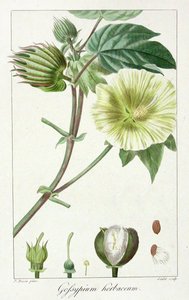
Pancrace Bessa
1772 - 1846 , France
Основные сведения
- Birth Date: 1 January 1772
- Birth Place: Paris, France
- Death Date: 11 June 1846
- Influenced: None, 'influenced by': 'Gerard van Spaendonck, Pierre-Joseph Redouté', 'movement': 'Botanical Illustration, Natural History Art', 'name': 'Pancrace Bessa', 'nationality': 'French', 'notable works':
Похожие статьи
The Flourishing Canvas: A Historical Journey Through Botanical Illustration
Explore the captivating history of botanical illustration! Discover renowned artists like Robert Havell & Mary Walcott, learn about techniques, and find museum-quality art at ArtsDot.com.
Victorian Botanical Painting: Science, Art & Aesthetic Sensibility
Explore the exquisite world of Victorian botanical art! Discover the science & artistry behind stunning floral illustrations by Gould, Muckley & more. Learn about collecting, value & investment at ArtsDot.
The Flourishing Canvas: A Historical & Artistic Exploration of Botanical Illustration
Explore the rich history of botanical illustration! Discover key artists like Havell & Barraband, learn about scientific accuracy & aesthetic beauty. Shop museum-quality reproductions at ArtsDot.
The Flourishing Canvas: A Historical Journey Through Botanical Illustration
Explore the captivating history of botanical illustration! Discover renowned artists like Robert Havell & Mary Walcott, learn about techniques, and find museum-quality art at ArtsDot.com.
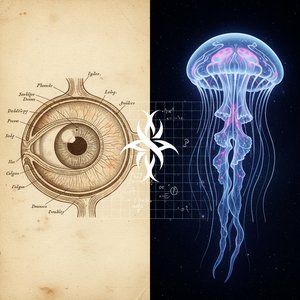
The Precision of Perception: Scientific Illustration as Art & Epistemology
Explore the fascinating history of scientific illustration – where art meets accuracy. Discover key artists like Karl Blossfeldt & Maud H. Purdy, and delve into its profound epistemological roots. ArtsDot offers museum-quality reproductions.