

 Предпросмотр
 Поделиться
 Поделиться
 Детали произведения

 Скачать
 Похожие работы
 Рентгенография
 Слайд-шоу
 Статистика
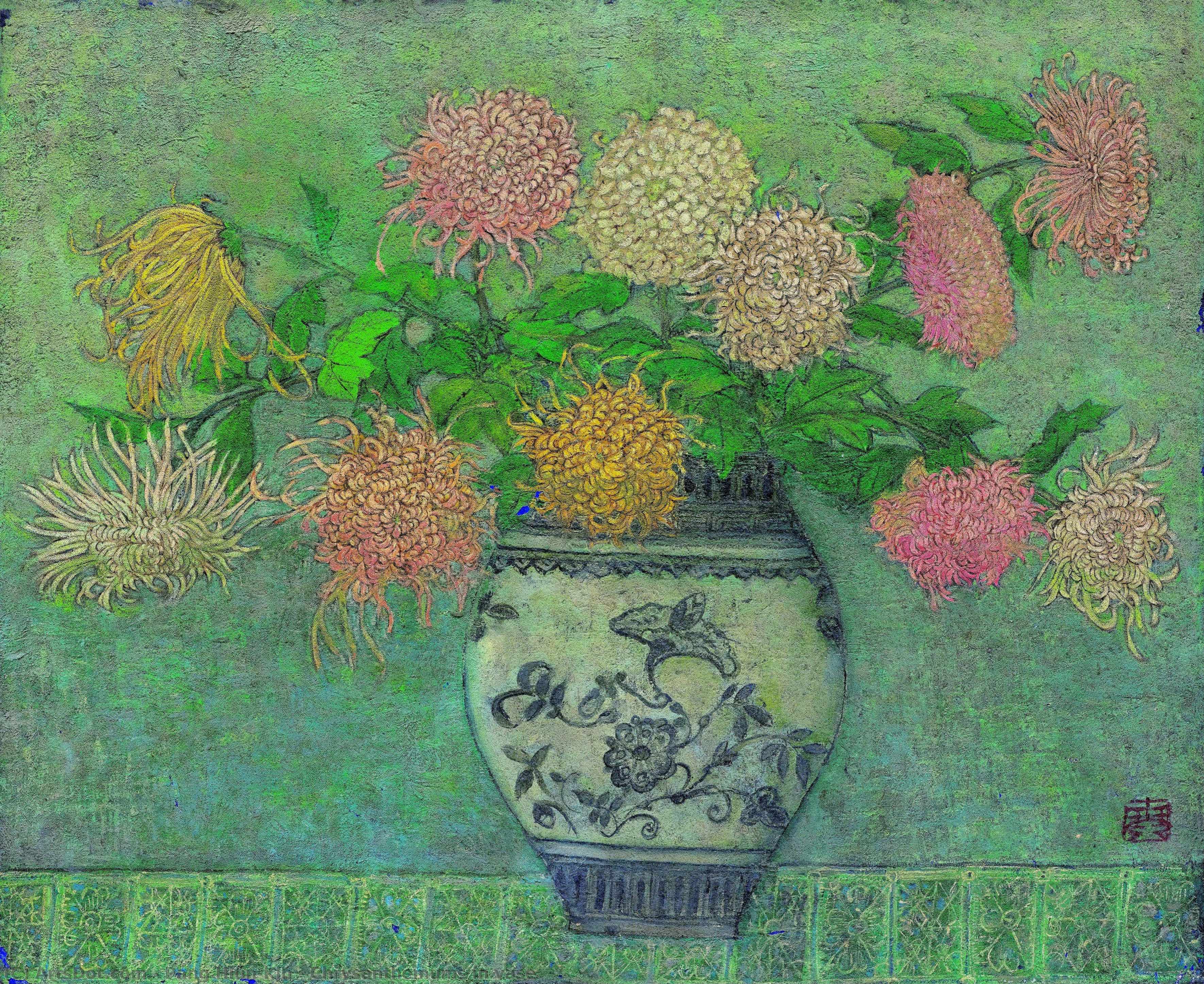
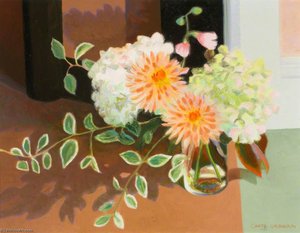
Chrysanthemums in vase


 Читать далее
Приобретите цифровое изображение высокого разрешения в улучшенном качестве, которое значительно превосходит онлайн-превью.
Каждый файл тщательно подготавливается нашими специалистами с использованием передовых инструментов и экспертной ручной ретуши. Мы гарантируем исключительную четкость, точную цветопередачу и детальную проработку каждого изображения.
Финальный файл доставляется по электронной почте в течение 72 часов и оптимизирован для немедленного использования в профессиональной среде, при верстке и печати. Это тот же уровень качества, которому доверяют ведущие дизайнерские студии, издательства и галереи.
Цифровое изображение
Скачайте файл высокого разрешения для личного использования, печати и творческих проектов. ( Перейти к печати Купить картину ручной работы)
Включено в каждый заказ цифровых изображений
Гарантия экспертной цифровой доставки
Выбирая ArtsDot.com, вы получаете не просто изображение — вы приобретаете профессионально обработанное цифровое произведение искусства, созданное с безупречной точностью и под защитой гарантии качества. Вот всё, что автоматически входит в ваш заказ:

Мгновенная доставка по e-mail
Ваш цифровой файл в высоком разрешении будет отправлен вам по электронной почте в течение 72 часов после оформления заказа — и сразу станет доступен для использования.

Цифровой файл с ИИ-улучшением
Ваше произведение искусства проходит профессиональную оптимизацию с использованием передовых инструментов ИИ и ручной обработки, что гарантирует максимальную детализацию, четкость и точность цветопередачи.

Бессрочная бесплатная повторная доставка
Случайно удалили или потеряли файл? Не беспокойтесь — мы отправим его вам повторно в любое время и совершенно бесплатно.

Без импортных пошлин — навсегда
Наслаждайтесь вашим произведением искусства мгновенно без таможенных пошлин, сборов или затрат на доставку — цифровые загрузки всегда не облагаются налогом.

Гарантия точности цветопередачи
Мы гарантируем, что ваше цифровое изображение максимально точно передает оригинальные цвета благодаря использованию профессиональных инструментов и систем управления цветом.

Гарантия удовлетворенности 100 дней
Если вы не будете удовлетворены своим цифровым изображением, мы внесем правки или вернем 100% стоимости в течение 100 дней — без лишних вопросов.

100% Гарантия возврата средств
Не удовлетворены покупкой? Получите полный возврат средств в течение 100 дней после получения цифрового файла — без лишних вопросов.

Скидки на оптовые заказы
Купите 3 изображения, сэкономьте 10% — Купите 5, сэкономьте 15% — Купите 10+, сэкономьте 20%. Отличное решение для творческих проектов, галерей и агентств.
Pang Xunqin’s Chrysanthemums in Vase: A Symphony of Form and Symbol
- Born in Shanghai in 1906, Pang Xunqin's artistic journey reflects a fascinating confluence of Western influences and deeply rooted Chinese traditions. His early studies in medicine – a surprising precursor to his later pursuits – were followed by intensive training in France at the Julian Academy and Grande Chaumière, exposing him to the burgeoning modern art movements that would ultimately shape his distinctive style. This exposure, coupled with his return to Shanghai and engagement with the innovative Storm Society, established Pang as a pivotal figure in early 20th-century Chinese art, one who dared to bridge the gap between Western experimentation and traditional aesthetics.
- The painting "Chrysanthemums in Vase" exemplifies this synthesis perfectly. It’s not merely a depiction of flowers; it's a carefully constructed meditation on beauty, longevity, and the enduring power of nature – themes deeply embedded within Chinese culture. Pang’s career spanned decades, marked by tireless exploration across diverse artistic domains, from decorative patterns to folk arts and crafts, solidifying his reputation as a polymathic artist dedicated to preserving and reimagining China's rich artistic heritage.
A Masterful Blend of Impressionism and Traditional Chinese Floral Painting
Style & Composition: The artwork presents a still life composition dominated by the serene beauty of chrysanthemums arranged within a ceramic vase. It leans heavily into impressionistic principles, particularly in its loose brushwork and emphasis on capturing fleeting moments of light and color. However, this is far from a simple imitation of Impressionism. Pang skillfully integrates elements of traditional Chinese floral painting – evident in the carefully considered arrangement of the blooms and the symbolic significance attached to the chrysanthemums themselves – creating a truly unique visual language. The composition itself is balanced, with the vase acting as a central anchor against the textured teal background, drawing the viewer's eye into the heart of the scene. Technique: Pang’s technique is characterized by layered application and dry brushwork. He meticulously builds up color and texture through multiple passes, creating a grainy appearance that suggests the use of pastel chalks or similar media. This deliberate manipulation of surface creates a palpable sense of depth and adds to the artwork's aged aesthetic. The loose lines defining the flowers and leaves contrast with the more controlled application in building up the background, resulting in a dynamic interplay between spontaneity and precision.Symbolism and Emotional Resonance
Chrysanthemums in Vase is rich in symbolic meaning. In Chinese culture, chrysanthemums are universally recognized as emblems of longevity, prosperity, and good fortune. Their inclusion within the vase – often depicted with intricate patterns reflecting historical dynasties – further amplifies this symbolism. The overall effect is one of serene contemplation, evoking a sense of natural beauty and quiet elegance. The muted color palette and textured surface contribute to the artwork’s contemplative mood, inviting viewers to pause and appreciate the subtle nuances of form and light.Material & Reproduction Considerations
- Given Pang Xunqin's favored media – likely pastel chalks or similar materials applied to textured paper or board – a faithful reproduction will capture the essence of his artistic vision. ArtsDot’s hand-painted reproductions meticulously recreate this textural richness, ensuring that every nuance of color and brushstroke is faithfully reproduced.
- The mottled appearance of the background adds to the artwork's aged feel, suggesting a deliberate choice by Pang to evoke a sense of history and timelessness. Our reproduction process carefully considers these details, striving for an authentic representation of the original’s aesthetic depth.
Похожие произведения


Биография художника
Paul Cézanne: Bridging Impressionism and Modernity
Born in Aix-en-Provence, France, on January 19, 1839, Paul Cézanne was a pivotal figure in the transition from late 19th-century Impressionism to the burgeoning movements of modern art. While initially influenced by the vibrant colors and fleeting moments captured by his contemporaries like Monet and Renoir, Cézanne relentlessly pursued a more structured and enduring approach to painting. He wasn’t simply documenting visual impressions; he was dissecting reality, analyzing its underlying forms, and rebuilding it on canvas with an unwavering commitment to geometric precision. This relentless exploration of form and structure would profoundly impact generations of artists who followed, laying the groundwork for Cubism, Fauvism, and countless other avant-garde movements.
Cézanne’s early works demonstrate a clear debt to Impressionism, particularly in his use of color and light. Paintings like *The Basket of Apples* (1890–91) showcase the dappled sunlight and atmospheric effects characteristic of the era. However, even within these seemingly Impressionistic scenes, Cézanne began to subtly shift the focus. He wasn’t interested in capturing a specific moment in time; rather, he was concerned with representing the essential shapes and volumes that constituted the objects before him. This nascent desire for structural clarity would become increasingly pronounced throughout his career.
The Mont Sainte-Victoire Obsession
Perhaps the most defining aspect of Cézanne’s artistic life was his lifelong obsession with Mount Sainte-Victoire, a majestic peak that dominated the landscape near his home in Aix. He painted this mountain countless times—over 400 paintings, according to some accounts—each iteration offering a slightly different perspective and interpretation. These repeated studies weren't merely exercises in observation; they were profound investigations into the nature of perception and representation. Cézanne sought to capture not just the appearance of the mountain but its underlying geometry, its essential form that transcended the limitations of a single viewpoint.
As he famously stated, “I do not paint what I see, but what I feel.” This sentiment encapsulates the core of Cézanne’s artistic philosophy. He wasn't striving to create an illusionistic representation of the world; instead, he was attempting to convey a sense of underlying structure and permanence through his brushstrokes. The rhythmic repetition of parallel lines, the careful manipulation of color, and the deliberate flattening of perspective all contributed to this effect.
A Revolutionary Approach to Painting
Cézanne’s innovations extended beyond his subject matter. He experimented with a variety of techniques, including impasto—applying paint thickly to create textured surfaces—and a broken brushstroke style that fragmented forms and created a sense of dynamism. His use of color was equally revolutionary; he often employed complementary colors in close proximity to intensify their effect and create a vibrant, almost luminous quality. He moved away from the traditional mixing of colors on the palette, preferring to apply them directly to the canvas in their pure hues.
His influence on subsequent generations is undeniable. Artists like Van Gogh, Matisse, and Picasso were deeply inspired by Cézanne’s exploration of form, color, and perspective. Picasso himself famously declared that Cézanne had “liberated colour” and paved the way for Cubism's radical fragmentation of space. Cézanne’s legacy lies not in a single style or technique but in his profound questioning of the very nature of representation—a question that continues to resonate with artists today.
Later Years and Legacy
Cézanne spent his later years refining his artistic vision, producing some of his most enduring works. Paintings like *The Bathers* (c. 1906–07) demonstrate a remarkable synthesis of Impressionistic color and Cézanne’s rigorously structured approach to form. Despite facing declining health in his final years, he continued to paint with unwavering dedication until his death on October 22, 1906, in Aix-en-Provence, at the age of 67.
Paul Cézanne died relatively unknown to the wider public, but his work gradually gained recognition and appreciation. Today, he is considered one of the most important figures in modern art—a pioneer who fundamentally altered our understanding of painting and paved the way for a new era of artistic expression. His relentless pursuit of structural clarity, combined with his masterful use of color and brushstroke, continues to inspire artists and captivate viewers around the world.
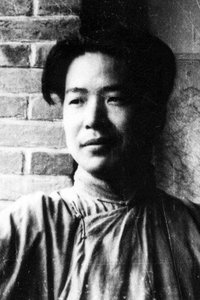
pang hiun-kin
1906 - 1985 , China
Основные сведения
- Artistic Movement Or Style: Post-Impressionism
- Artists Or Movements Influenced By This Artist:
- Cubism
- Impressionism
- Artists Who Influenced This Artist:
- Jean-Auguste Dominique Ingres
- William-Adolphe Bouguereau
- Date Of Birth: 19 January 1839
- Date Of Death: 22 October 1906
- Full Name: Paul Cézanne
- Nationality: French
- Notable Artworks:
- The Card Players
- The Bathers
- Mont Sainte-Victoire
- Place Of Birth: Paris, France