

 Предпросмотр
 Поделиться
 Поделиться
 Детали произведения

 Скачать
 Похожие работы
 Рентгенография
 Слайд-шоу
 Статистика
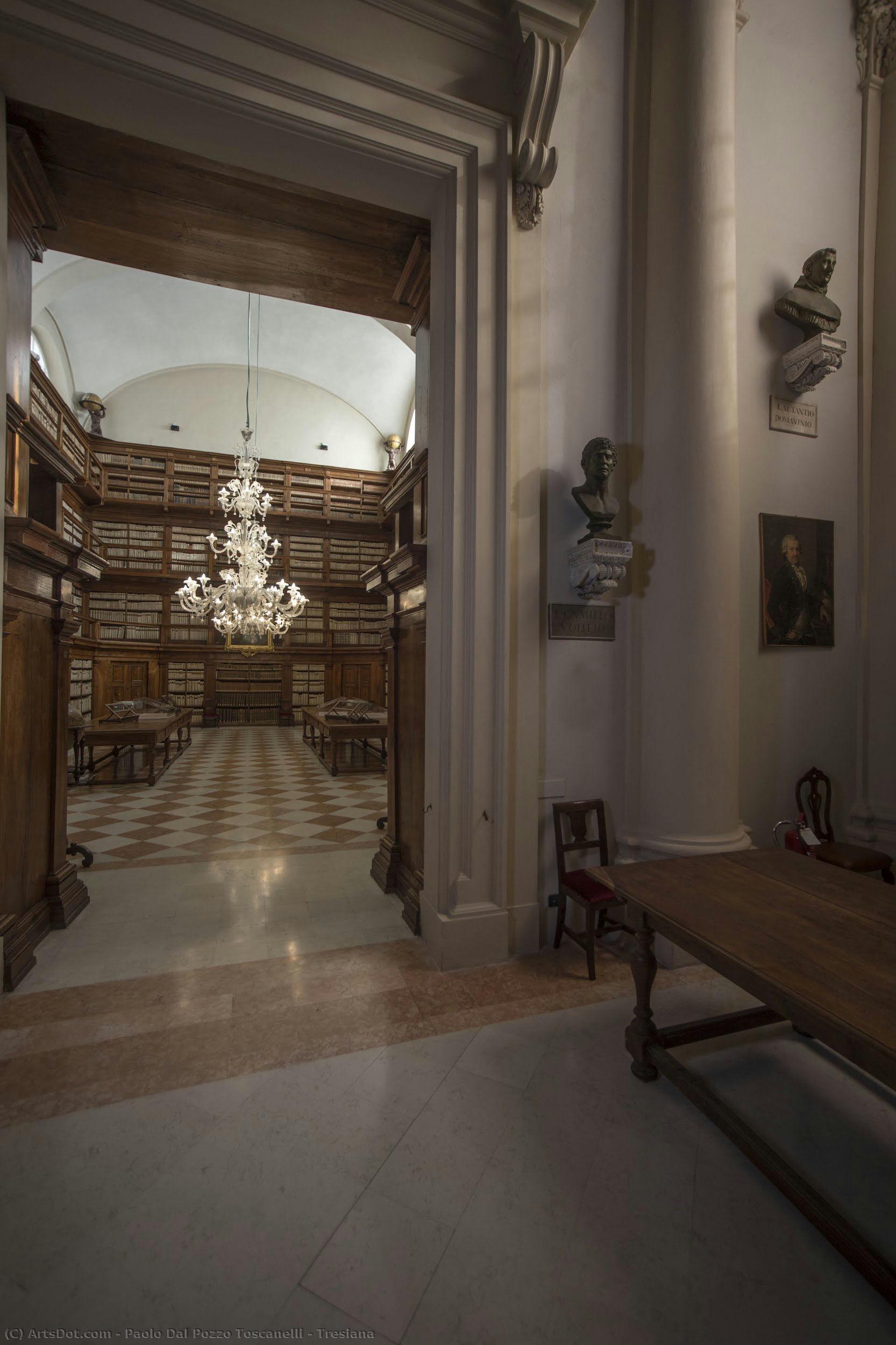
Tresiana

 Читать далее
Приобретите цифровое изображение высокого разрешения в улучшенном качестве, которое значительно превосходит онлайн-превью.
Каждый файл тщательно подготавливается нашими специалистами с использованием передовых инструментов и экспертной ручной ретуши. Мы гарантируем исключительную четкость, точную цветопередачу и детальную проработку каждого изображения.
Финальный файл доставляется по электронной почте в течение 72 часов и оптимизирован для немедленного использования в профессиональной среде, при верстке и печати. Это тот же уровень качества, которому доверяют ведущие дизайнерские студии, издательства и галереи.
Цифровое изображение
Скачайте файл высокого разрешения для личного использования, печати и творческих проектов. ( Перейти к печати Купить картину ручной работы)
Включено в каждый заказ цифровых изображений
Гарантия экспертной цифровой доставки
Выбирая ArtsDot.com, вы получаете не просто изображение — вы приобретаете профессионально обработанное цифровое произведение искусства, созданное с безупречной точностью и под защитой гарантии качества. Вот всё, что автоматически входит в ваш заказ:

Мгновенная доставка по e-mail
Ваш цифровой файл в высоком разрешении будет отправлен вам по электронной почте в течение 72 часов после оформления заказа — и сразу станет доступен для использования.

Цифровой файл с ИИ-улучшением
Ваше произведение искусства проходит профессиональную оптимизацию с использованием передовых инструментов ИИ и ручной обработки, что гарантирует максимальную детализацию, четкость и точность цветопередачи.

Бессрочная бесплатная повторная доставка
Случайно удалили или потеряли файл? Не беспокойтесь — мы отправим его вам повторно в любое время и совершенно бесплатно.

Без импортных пошлин — навсегда
Наслаждайтесь вашим произведением искусства мгновенно без таможенных пошлин, сборов или затрат на доставку — цифровые загрузки всегда не облагаются налогом.

Гарантия точности цветопередачи
Мы гарантируем, что ваше цифровое изображение максимально точно передает оригинальные цвета благодаря использованию профессиональных инструментов и систем управления цветом.

Гарантия удовлетворенности 100 дней
Если вы не будете удовлетворены своим цифровым изображением, мы внесем правки или вернем 100% стоимости в течение 100 дней — без лишних вопросов.

100% Гарантия возврата средств
Не удовлетворены покупкой? Получите полный возврат средств в течение 100 дней после получения цифрового файла — без лишних вопросов.

Скидки на оптовые заказы
Купите 3 изображения, сэкономьте 10% — Купите 5, сэкономьте 15% — Купите 10+, сэкономьте 20%. Отличное решение для творческих проектов, галерей и агентств.
Похожие произведения





Биография художника
Paolo dal Pozzo Tuscanelli: Architect of the Renaissance Cosmos
Paolo dal Pozzo Tuscanelli, a name often whispered in the annals of Renaissance scholarship, remains an enigmatic figure—a brilliant mind whose contributions were both profound and frustratingly obscured by the passage of time. Born in Florence in 1397, he wasn’t merely a mathematician or astronomer; he was a pivotal architect of the intellectual landscape that birthed the era's groundbreaking discoveries, a man who subtly guided the course of exploration and understanding with his calculations and maps. His life, though relatively short—he died in 1482—was a tapestry woven with threads of humanist circles, papal intrigue, and ultimately, an indirect hand in shaping one of history’s most ambitious voyages.
Tuscanelli's early life remains shrouded in some mystery. Unlike many of his contemporaries who benefited from established academic lineages, little is known about his formal education. He apprenticed under the physician Domenico Toscanelli, a connection that provided him with a foundation in medicine and, crucially, access to the intellectual currents flowing through Florence’s elite circles. This exposure proved transformative; he quickly surpassed his mentor, demonstrating an exceptional aptitude for mathematics and astronomy – skills he honed alongside figures like Nicholas of Cusa, a leading philosopher and theologian at the University of Padua. Their collaboration was particularly significant, as they wrestled with complex geometric problems, notably the elusive challenge of squaring the circle—a pursuit that consumed mathematicians for centuries.
Tuscanelli’s influence extended far beyond the confines of theoretical mathematics. He became a trusted advisor to Marsilio Ficino, the head of Florence's Platonic Academy, and a close friend to Filippo Brunelleschi, the architect responsible for the magnificent dome of the Florence Cathedral. This association with the humanist movement profoundly shaped his worldview, emphasizing observation, reason, and a deep appreciation for classical knowledge. He wasn’t simply calculating celestial movements; he was seeking to understand humanity's place within the grand scheme of the cosmos—a perspective reflected in his meticulous astronomical observations, particularly those of the comet of 1456.
The Teresiana and Tresiana: A Photographic Revelation
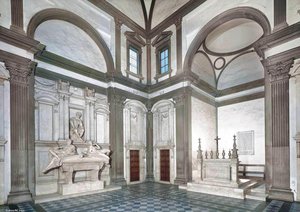
Tuscanelli’s most enduring legacy lies in two remarkable works: the *Teresiana* and the *Tresiana*. These aren't paintings or sculptures, but rather complex photographic depictions—a revolutionary concept for their time. The *Teresiana*, created around 1475, is a meticulously rendered image of a vast library, overflowing with scrolls and illuminated manuscripts. It’s a breathtaking panorama, showcasing an astonishing level of detail and spatial awareness – a testament to Tuscanelli's mathematical precision and his understanding of perspective. The *Tresiana*, completed shortly after, depicts a similarly grand architectural space—a celestial observatory filled with instruments for charting the stars.
What makes these works so extraordinary is their method. Tuscanelli didn’t simply draw or paint; he used a complex system of mirrors and lenses to project images onto a surface, creating what can only be described as photographic representations. This technique was remarkably advanced for its time, predating the invention of photography by centuries. The *Teresiana* and *Tresiana* are not merely aesthetically pleasing; they represent a profound leap in visual representation—a demonstration of Tuscanelli’s mastery of optics and his ability to translate complex mathematical concepts into tangible images.
Mapping the World: A Crucial, Yet Uncertain, Role
Perhaps the most widely discussed aspect of Tuscanelli's life is his alleged involvement in the preparation of a map that was presented to Christopher Columbus in 1474. The story goes that he devised a plan for sailing west across the Atlantic to reach Asia, incorporating calculations based on his understanding of the Earth’s circumference and shape. A copy of this map, accompanied by a letter outlining the strategy, purportedly reached Columbus before his historic voyage in 1492.
However, the historical record surrounding this episode is remarkably ambiguous. The original letters are lost, and while Columbus acknowledged receiving such correspondence, there’s no definitive proof that it was Tuscanelli's map or plan that directly inspired him. Some scholars argue that Columbus likely encountered similar ideas from other sources, while others maintain that Tuscanelli’s calculations were significantly flawed—leading to an overestimation of the distance between Europe and Asia. Regardless of the precise details, Tuscanelli’s contribution to this pivotal moment in history remains a subject of ongoing debate and fascination.
Legacy and Historical Significance
Despite the lack of extensive documentation about his life and work, Paolo dal Pozzo Tuscanelli's impact on Renaissance thought is undeniable. He was a key figure in the intellectual ferment that characterized Florence during this period—a bridge between mathematics, astronomy, philosophy, and art. His *Teresiana* and *Tresiana* stand as remarkable testaments to his ingenuity and technical skill, demonstrating an extraordinary understanding of optics and perspective.
Furthermore, his work indirectly influenced the Age of Discovery. Whether or not he directly inspired Columbus’s voyage, Tuscanelli's calculations and maps contributed to a broader intellectual climate that fostered exploration and challenged conventional wisdom about the shape and size of the world. He remains a figure of quiet brilliance—a Renaissance innovator whose legacy is slowly but surely being rediscovered, reminding us that history often reveals its secrets only through painstaking research and a willingness to look beyond the well-trodden paths.
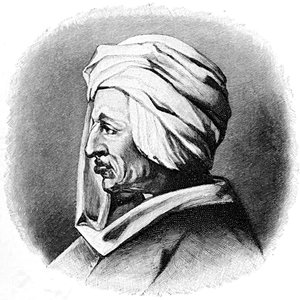
paolo dal pozzo toscanelli
1397 - 1482 , Italy
Основные сведения
- Artistic Movement Or Style: Renaissance
- Artists Or Movements Influenced By This Artist:
- Regiomontanus
- Leonardo da Vinci
- Artists Who Influenced This Artist:
- Nicholas of Cusa
- Filippo Brunelleschi
- Date Of Birth: 1397
- Date Of Death: 1482
- Full Name: Paolo dal Pozzo Tuscanelli
- Nationality: Italian
- Notable Artworks:
- Teresiana
- Tresiana
- Place Of Birth: Florence, Italy