


 Предпросмотр
 Поделиться
 Поделиться
 Детали произведения

 Скачать
 Похожие работы
 Рентгенография
 Слайд-шоу
 Статистика
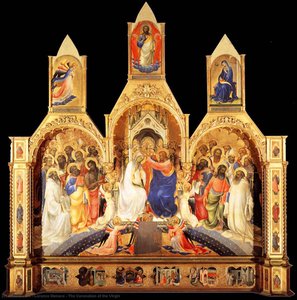
The Coronation of the Virgin, and Saints
 Acrylic On Canvas
- WallArt
- Gothic Revival
 1394
1394 199.0 x 193.0 cm
 Музей Метрополитен
 Читать далее
Приобретите цифровое изображение высокого разрешения в улучшенном качестве, которое значительно превосходит онлайн-превью.
Каждый файл тщательно подготавливается нашими специалистами с использованием передовых инструментов и экспертной ручной ретуши. Мы гарантируем исключительную четкость, точную цветопередачу и детальную проработку каждого изображения.
Финальный файл доставляется по электронной почте в течение 72 часов и оптимизирован для немедленного использования в профессиональной среде, при верстке и печати. Это тот же уровень качества, которому доверяют ведущие дизайнерские студии, издательства и галереи.
Цифровое изображение
Скачайте файл высокого разрешения для личного использования, печати и творческих проектов. ( Перейти к печати Купить картину ручной работы)
Включено в каждый заказ цифровых изображений
Гарантия экспертной цифровой доставки
Выбирая ArtsDot.com, вы получаете не просто изображение — вы приобретаете профессионально обработанное цифровое произведение искусства, созданное с безупречной точностью и под защитой гарантии качества. Вот всё, что автоматически входит в ваш заказ:

Мгновенная доставка по e-mail
Ваш цифровой файл в высоком разрешении будет отправлен вам по электронной почте в течение 72 часов после оформления заказа — и сразу станет доступен для использования.

Цифровой файл с ИИ-улучшением
Ваше произведение искусства проходит профессиональную оптимизацию с использованием передовых инструментов ИИ и ручной обработки, что гарантирует максимальную детализацию, четкость и точность цветопередачи.

Бессрочная бесплатная повторная доставка
Случайно удалили или потеряли файл? Не беспокойтесь — мы отправим его вам повторно в любое время и совершенно бесплатно.

Без импортных пошлин — навсегда
Наслаждайтесь вашим произведением искусства мгновенно без таможенных пошлин, сборов или затрат на доставку — цифровые загрузки всегда не облагаются налогом.

Гарантия точности цветопередачи
Мы гарантируем, что ваше цифровое изображение максимально точно передает оригинальные цвета благодаря использованию профессиональных инструментов и систем управления цветом.

Гарантия удовлетворенности 100 дней
Если вы не будете удовлетворены своим цифровым изображением, мы внесем правки или вернем 100% стоимости в течение 100 дней — без лишних вопросов.

100% Гарантия возврата средств
Не удовлетворены покупкой? Получите полный возврат средств в течение 100 дней после получения цифрового файла — без лишних вопросов.

Скидки на оптовые заказы
Купите 3 изображения, сэкономьте 10% — Купите 5, сэкономьте 15% — Купите 10+, сэкономьте 20%. Отличное решение для творческих проектов, галерей и агентств.
A Vision of Heavenly Grace: Exploring Pietro Lorenzetti’s Coronation of the Virgin
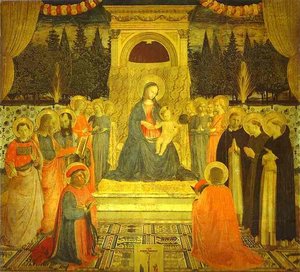
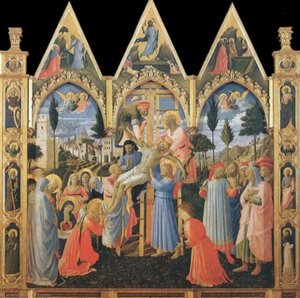
The Basilica dei Santi Giovanni e Paolo in Venice stands as a testament to Venetian artistic prowess, housing an impressive collection of paintings that showcase the splendor and sophistication of the Renaissance era. However, nestled amongst these celebrated works is a singular masterpiece – Pietro Lorenzetti's “The Coronation of the Virgin,” executed in 1394 for Alderotto Brunelleschi’s chapel in San Leo, Florence. This altarpiece transcends mere decoration; it embodies a pivotal moment in artistic history—the burgeoning embrace of naturalism within Siena and its reverberations across Italy. Lorenzetti's influence stemmed from his formative years spent alongside Simone Martini at Assisi, where he absorbed the stylistic innovations championed by Martini’s brother Ambrogio. This collaboration established Lorenzetti as a key figure in shaping Sienese artistic sensibilities, propelling him toward a groundbreaking approach that diverged significantly from the dominant Byzantine tradition. Unlike the stylized depictions prevalent at the time—characterized by flattened figures and luminous gold backgrounds—Lorenzetti sought to capture human emotion and physicality with unprecedented realism. Giotto’s pioneering use of perspective and Giovanni Pisano's masterful sculpting techniques served as crucial inspirations, guiding Lorenzetti toward a more truthful representation of the divine realm. The altarpiece itself is a breathtaking panorama of color and detail. Painted in tempera on wood panels—a technique favored for its durability and ability to achieve vibrant hues—Lorenzetti employed meticulous layering and glazing methods to imbue the scene with luminosity and depth. The central panel depicts Mary receiving the crown from Christ, surrounded by an array of saints who gaze upon the event with reverence. Angels hover above, their wings outstretched in a gesture of benediction, while musical instruments contribute to the ethereal atmosphere. Lorenzetti’s masterful depiction of drapery—particularly Mary's robe—demonstrates his profound understanding of anatomy and fabric texture, elevating the artwork beyond mere visual spectacle. Symbolically, “The Coronation” speaks volumes about medieval Christian theology. The crown represents Mary’s divine dignity as Queen of Heaven, signifying her triumph over sin and death and foreshadowing Christ’s ascension. The saints serve as witnesses to this sacred event, embodying virtues such as humility, piety, and compassion—qualities deemed essential for achieving salvation. Furthermore, the intricate details within the predella – depicting scenes from the Gospels – underscore the importance of biblical narrative in conveying spiritual truths. Specifically, the depiction of Constantine’s dream underscores the divine providence guiding earthly affairs, reinforcing the belief that God actively intervenes in human history to accomplish His will. Beyond its artistic merit and theological significance, “The Coronation” possesses a palpable emotional impact. Lorenzetti's skillful portrayal captures the solemn grandeur of the coronation ceremony—a moment of profound spiritual contemplation. The radiant colors and meticulous craftsmanship evoke a sense of awe and reverence, transporting viewers back to the medieval era and reminding them of the enduring power of faith and artistic beauty. It remains an unforgettable testament to Lorenzoetti’s visionary approach and his contribution to establishing naturalism as a cornerstone of Renaissance art—a legacy that continues to inspire artists and collectors alike.Похожие произведения
Биография художника
Pietro Lorenzetti: Pioneer of Naturalism in Siena
Pietro Lorenzetti, born around 1280 and tragically dying in 1348 during the devastating Black Death pandemic, remains a pivotal figure in the evolution of Italian painting. Often referred to as Pietro Laurati – a misreading by Vasari that obscured his familial connection – he was a Sienese painter whose work marked a significant departure from the prevailing Byzantine-influenced style and laid the groundwork for the burgeoning naturalism that would characterize the Renaissance. His life, though tragically short, witnessed a dramatic shift in artistic sensibilities within Siena, driven largely by his collaboration with his younger brother, Ambrogio Lorenzetti, and their engagement with the innovative techniques of Giotto and Giovanni Pisano. Lorenzetti’s early career is somewhat shrouded in mystery, yet evidence suggests he spent formative years working alongside Simone Martini at Assisi. This association exposed him to the refined elegance of Sienese painting while simultaneously introducing him to a more grounded approach to representation. Crucially, his time in Florence during the 1320s and 1330s proved transformative. He immersed himself in the artistic environment fostered by Giotto’s groundbreaking frescoes in the Bardi and Peruzzi Chapels of Santa Croce, as well as the dramatic narratives of Maso di Banco's Arena Chapel. These experiences instilled within him a desire to move beyond the stylized, ethereal depictions prevalent at the time, seeking instead to capture human emotion and spatial relationships with greater accuracy and realism.A Revolutionary Approach: Naturalism and Spatial Innovation
Lorenzetti’s most enduring legacy lies in his pioneering use of naturalism within Sienese art. Unlike the predominantly symbolic and flattened perspectives of earlier works, Lorenzetti sought to create a sense of depth and three-dimensionality on canvas. He achieved this through meticulous observation of human anatomy, realistic portrayals of drapery, and an innovative approach to architectural integration – a technique he shared with his brother. Their frescoes for the lower church of San Francesco in Assisi exemplify this revolutionary style. The *Crucifixion*, *Deposition from the Cross*, and *Entombment* are not merely narrative scenes; they are dynamic compositions filled with emotionally charged figures rendered with remarkable psychological insight. The spatial arrangements within these panels were particularly groundbreaking. Lorenzetti didn’t simply depict a flat surface; he created an illusion of space, utilizing techniques such as atmospheric perspective – suggesting distance through the fading of colors and details – and carefully constructed foregrounds and backgrounds. This departure from traditional Byzantine conventions was not merely stylistic; it reflected a deeper philosophical shift towards understanding the world through observation and experience. His work foreshadowed the Renaissance emphasis on humanism and the pursuit of knowledge, demonstrating an early awareness of the potential for art to represent reality with unprecedented fidelity.Key Works and Influences
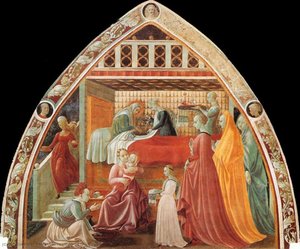
Several key works illuminate Lorenzetti’s artistic development and his engagement with contemporary trends. The *Nativity of the Virgin* (c. 1335-1342), now housed in the Museo dell'Opera del Duomo in Siena, stands as a testament to his mastery of tempera paint and his innovative approach to architectural integration. The figures seem to emerge organically from the painted architecture, blurring the boundaries between reality and representation. Similarly, his *Beata Umiltà Altarpiece* (c. 1340), commissioned for the women’s convent of the Donne di Faenza in Florence, showcases his ability to convey complex emotions through subtle gestures and facial expressions. Lorenzetti's artistic influences were diverse and significant. He clearly admired the naturalism of Giovanni Pisano, evident in the dynamism and emotional intensity of his figures. The influence of Giotto is also palpable, particularly in his use of narrative space and his focus on human emotion. However, Lorenzetti’s work transcends mere imitation; he synthesized these influences into a uniquely Sienese style that anticipated the innovations of the Renaissance masters.Legacy and Historical Significance
Pietro Lorenzetti's contribution to art history is profound. He was not merely a painter; he was a pioneer who challenged established conventions and paved the way for future generations of artists. His experiments with naturalism, spatial innovation, and psychological realism profoundly influenced the development of Sienese painting and, ultimately, the entire trajectory of Western art. Although his life was cut short by the Black Death, his artistic legacy continues to resonate today, reminding us of the transformative power of observation, experimentation, and a deep engagement with the human condition. His work serves as a crucial bridge between the medieval world and the dawn of the Renaissance, demonstrating that even within the constraints of tradition, artists could push the boundaries of creativity and reshape the very fabric of visual culture.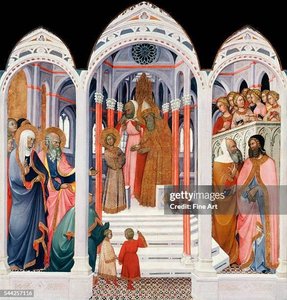
paolo di giovanni fei
1345 - 1411