 Предпросмотр
 Поделиться
 Поделиться
 Детали произведения

 Скачать
 Похожие работы
 Рентгенография
 Слайд-шоу
 Статистика
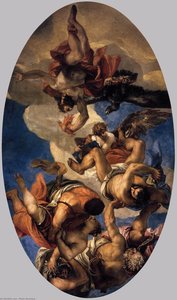
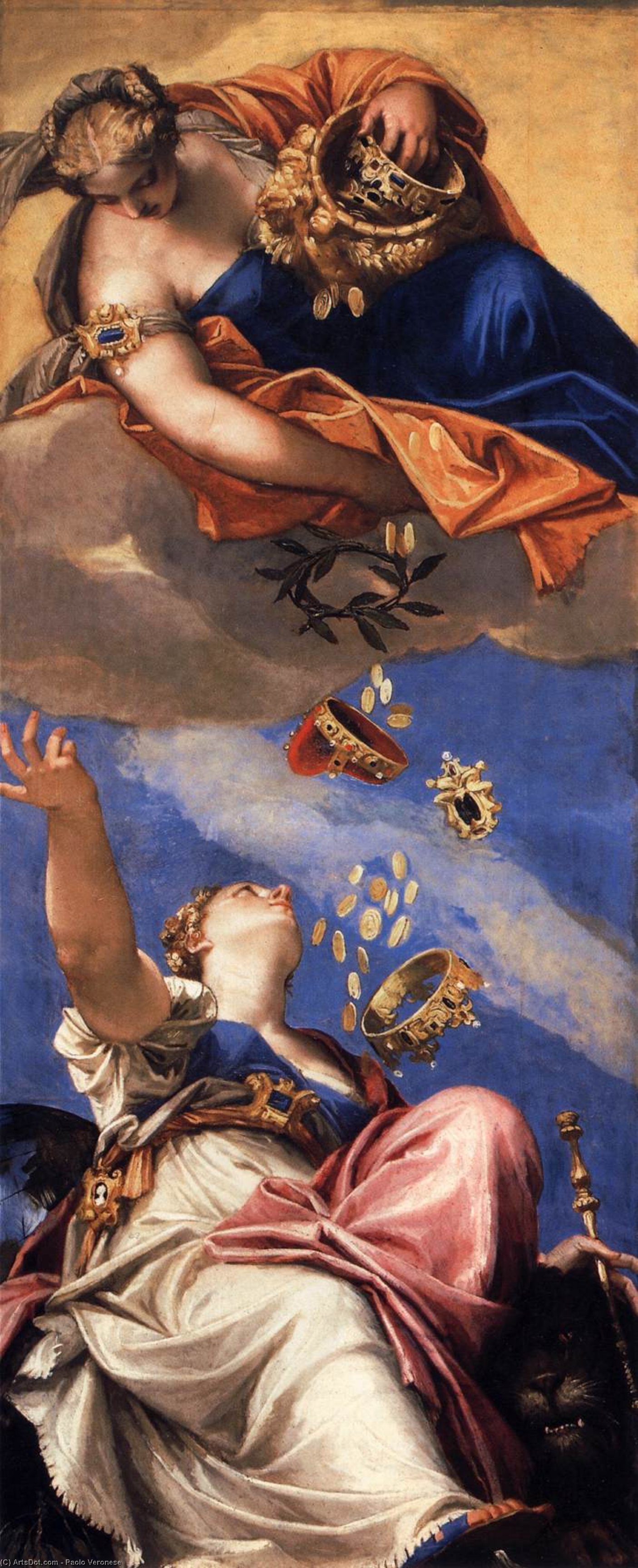
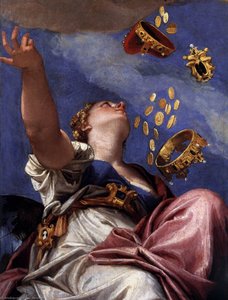
Juno Showering Gifts on Venetia
 Acrylic On Canvas
- WallArt
- Renaissance Splendor
 1554
1554 365.0 x 147.0 cm
 Дворец Дожей
 Читать далее
Масляная репродукция ручной работы
Картина маслом на холсте в выбранном вами размере и раме, написанная на заказ нашими художниками. ( Перейти к печати Перейти к цифровым изображениям)




P118B $10

P118H $10

P118W $10

P438Z $10

P508JH $12

P508YH $12

P805H $10

P805Z $10

P919BZ $10

P919G $10

P919XJ $10

P959ZH $10

P968JZ $12

W106C $8

W218G $10

W218JH $8

W218Y $10

W307PJ $10

W316G $10

W316PJ $8

W316Y $10

W398PJ $8

W4111J $10

W500HY $15

W500JH $15

W692G $12

W849H $8

W940BG $15

W953PJ $8




Выберите один из наших стандартных размеров, соответствующих оригинальным пропорциям произведения искусства.

Вы можете указать собственные размеры, чтобы картина идеально вписалась в выбранную раму или пространство. Если выбранный вами размер не соответствует пропорциям оригинала, мы либо обрежем полотно, либо расширим его за счет дополнительных элементов, написанных вручную. Цифровой макет будет отправлен вам на утверждение перед началом производства.
Обратите внимание, что предварительный просмотр на экране не отражает фактическую обрезку или расширение. Только макет точно покажет окончательную композицию.
Хотя доступны индивидуальные размеры, мы рекомендуем выбирать вариант из предопределенного списка, чтобы сохранить исходные пропорции.
После оформления заказа команда ArtsDot.com свяжется с клиентом по электронной почте для уточнения деталей и предоставит предварительный макет
Доставка по всему миру () за 3–4 недели вместо стандартных 5 недель. (12 Сентябрь). Без компромиссов в качестве.

Бесплатная экспресс-доставка по всему миру

Высококачественный льняной холст

Полное страхование доставки

Гарантия возмещения таможенных пошлин

Гарантия точного соответствия цветов

100-дневная политика возврата (только при обнаружении дефектов)

Гарантия возврата 100% средств

Предложение оптовых скидок
 Вариант со стеклом доступен только для размеров менее 110 см

Juno Showering Gifts on Venetia
Техника репродукции
Размер репродукции
-


Итоговая стоимость
$ 263
A Cascade of Generosity: Unveiling Veronese’s “Juno Showering Gifts on Venetia”
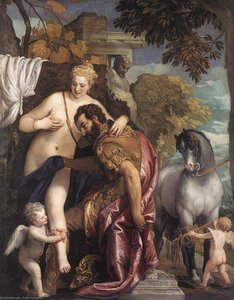
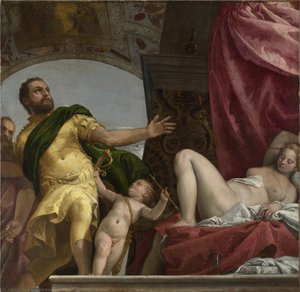
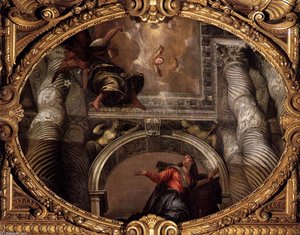
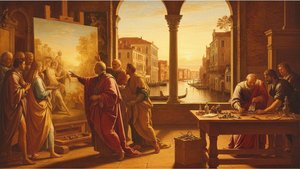
Paolo Veronese's "Juno Showering Gifts on Venetia," painted in 1554-56, isn’t merely a depiction of a mythological scene; it’s an opulent explosion of color and symbolism, a testament to the grandeur of Venice during the High Renaissance. Hanging within the Sala del Consiglio dei Dieci – the Council Room – of the Palazzo Ducale, this monumental ceiling fresco immediately overwhelms with its scale and lavish detail, transporting the viewer into a world of divine generosity and civic pride. The painting captures a pivotal moment from Roman mythology: Juno, queen of the gods and protector of marriage, showering her daughter Venetia (the city of Venice) with gifts – gold coins, jewels, and symbolic objects – representing prosperity and power.
- The Mythological Narrative: The scene unfolds as Juno, depicted in a striking low-angle view, extends her hand to bestow riches upon Venetia. Her regal bearing and the elaborate drapery of her robes contrast sharply with the more earthly figures surrounding her – attendants, supplicants, and even a playful dog.
- Venetian Pride: The composition is deeply rooted in Venetian identity. The architecture within the fresco, particularly the intricate details of the ceiling itself, are unmistakably Venetian, reflecting the city’s burgeoning wealth and artistic ambition. The inclusion of the Doge's hat amongst the gifts underscores Venice’s political importance and its role as a major trading center.
- A Masterclass in Color: Veronese was renowned for his mastery of color, and this painting is a prime example. He employs a vibrant palette – rich reds, golds, blues, and greens – to create an atmosphere of dazzling splendor. The use of *sfumato* (a subtle blurring technique) softens the forms and adds depth, while highlights draw attention to key elements like Juno’s outstretched hand and the glittering cascade of coins.
Technique and Composition: A Symphony of Detail
Veronese's approach to composition is remarkably complex and dynamic. He masterfully utilizes perspective to create a sense of depth, drawing the viewer into the scene. The figures are arranged in a carefully orchestrated manner, with overlapping forms and intricate details that demand close attention. The ceiling itself isn’t simply a backdrop; it’s an integral part of the composition, acting as a stage for this mythological drama. Notice how Veronese cleverly incorporates architectural elements – columns, arches, and decorative moldings – to frame the scene and guide the viewer's eye.
The fresco is executed in tempera on plaster, a technique that allowed Veronese to achieve incredible luminosity and detail. The layering of colors and the meticulous application of paint demonstrate his exceptional skill as a painter. He employed a *buon fresco* method, applying the pigments directly onto wet plaster, ensuring their permanence and vibrancy.Symbolism and Interpretation: Beyond the Myth
While rooted in Roman mythology, “Juno Showering Gifts on Venetia” is laden with symbolic meaning. The showering of gold represents not just material wealth but also divine favor and protection. The olive wreath symbolizes peace and prosperity – a crucial element for Venice’s maritime power. The presence of the dog, often associated with loyalty and guardianship, further reinforces this theme. Some scholars interpret the painting as an allegory for Venice's relationship with its patron god, Jupiter (Zeus), suggesting that the city was blessed by divine intervention.
- The Doge’s Hat: The prominent display of the Doge’s hat signifies Venice’s political authority and its role as a leading maritime power.
- The Coins: Representing abundance, prosperity, and the flow of trade – essential to Venice's economic success.
- The Olive Wreath: Symbolizing peace, fertility, and the city’s connection to the sea.
A Legacy of Opulence: Reproductions and Inspiration
“Juno Showering Gifts on Venetia” remains one of Veronese's most celebrated works, admired for its breathtaking scale, vibrant colors, and intricate detail. High-quality reproductions capture the essence of this monumental fresco, offering a glimpse into the artistic brilliance of the High Renaissance. Whether adorning a grand salon or a sophisticated study, a reproduction of this painting evokes a sense of timeless beauty, civic pride, and the enduring allure of Venetian splendor. Consider commissioning a hand-painted replica to bring this masterpiece into your own space – a tangible reminder of Veronese’s unparalleled skill and the captivating story he so vividly portrays.
Похожие произведения
Биография художника
A Venetian Visionary: The Life and Art of Paolo Veronese
Paolo Caliari, universally known as Paolo Veronese, emerged from the vibrant artistic landscape of 16th-century Venice as a master of color, composition, and breathtaking spectacle. Born in Verona in 1528, the son of a stonecutter, his early life was deeply intertwined with the visual richness of his surroundings – the classical architecture, sculpted forms, and burgeoning humanist ideals that defined the region. His initial training under Antonio Badile and Giovanni Francesco Caroto provided him with a solid foundation in traditional techniques, but it was his relocation to Venice in the 1550s that truly ignited his artistic genius. The city itself became his muse, its bustling marketplaces, magnificent palazzi, and shimmering waterways profoundly shaping the scale and dramatic intensity of his work. He quickly absorbed the influences of established Venetian masters like Titian, whose mastery of color exerted a powerful impact on Veronese’s palette, yet he forged a distinctive style characterized by an unparalleled sense of theatricality and grandeur.The Painter of Feasts and Grand Narratives
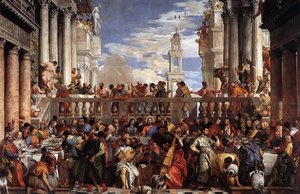
Veronese's enduring legacy rests primarily upon his monumental paintings, particularly those depicting lavish feasts and biblical scenes reimagined as dazzling displays of Venetian life. The *Wedding at Cana*, completed in 1563 for the Benedictine monastery of San Giorgio Maggiore, stands as a testament to his extraordinary skill. This colossal canvas transcends mere illustration; it’s a vibrant panorama of 16th-century society, teeming with elegantly dressed figures, musicians, and architectural details rendered with astonishing precision. The painting isn't simply about *what* happened at Cana but rather *how* it would have appeared if enacted in Venice during Veronese’s time – a remarkable feat of historical reconstruction. Similarly, *The Feast in the House of Levi*, originally titled *The Last Supper*, provoked considerable controversy with the Inquisition due to its inclusion of contemporary figures and an atmosphere that seemed almost irreverent. Veronese defended his artistic choices, asserting that painters possessed the same creative liberty as poets and jesters – a bold declaration reflecting his belief in art’s capacity to interpret and reimagine sacred narratives. These works weren't merely religious depictions; they were celebrations of life, wealth, and the splendor of Venice itself. He prioritized capturing the joy and abundance of existence over austere spirituality.Influences and Artistic Development
While Titian’s influence on Veronese’s color palette is undeniable, his artistic development was a complex synthesis of various influences. The architectural precision evident in his compositions draws heavily from the classical traditions prevalent in Verona during his formative years, particularly the work of architects like Michele Sanmicheli. He also absorbed elements from Central Italian masters such as Raphael and Parmigianino, reflected in the graceful lines and harmonious arrangements within his paintings. However, Veronese didn’t merely imitate these influences; he skillfully integrated them into a uniquely Venetian style characterized by its dramatic use of light, vibrant color schemes, and meticulous attention to detail. He excelled at creating illusions of space and depth, employing perspective techniques to draw viewers directly into the heart of his elaborate scenes. His mastery of oil painting allowed him to achieve an unparalleled luminosity and richness of texture – a hallmark of his distinctive style. He also maintained a large workshop, with contributions from his brother Benedetto and sons Gabriele and Carlo (or ‘Carletto’), ensuring that his artistic vision continued to flourish even after his death in 1588.Major Achievements and Notable Works
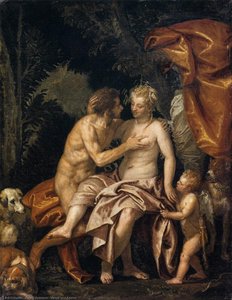
Veronese’s career was marked by a succession of significant commissions and masterpieces. His decoration of the Venetian church of S. Sebastiano between 1555 and around 1570 is considered one of his most important achievements, showcasing his ability to create immersive environments filled with dynamic movement and vibrant color. The ceiling and wall paintings for the library of S. Marco (1556-57) and the Ducal Palace (early 1550s and 1575-82) further demonstrated his skill in grand scale and opulent design. Perhaps most famously, he created a series of mythological pictures for an international clientele, including *Venus and Adonis* and *The Judgment of Paris*. His *Last Supper*, painted for a Dominican friar in 1573 (now housed in the Accademia di Venezia), stands as a particularly striking example of his innovative approach to religious narrative. The painting’s inclusion of contemporary figures and its seemingly irreverent atmosphere caused considerable controversy, leading to a title change – *Supper in the House of Levi* – reflecting Veronese's determination to defend his artistic freedom.Legacy and Historical Significance
Paolo Veronese’s impact extends far beyond the realm of Renaissance art. His work has resonated through centuries, inspiring artists across various disciplines. His dramatic compositions and vibrant color schemes have been cited as influences on everything from Baroque painting to modern cinema – even finding echoes in the visual aesthetics of Spaghetti Westerns. He was a key figure within the “great trio” of Venetian painters—alongside Titian and Tintoretto—each contributing uniquely to the city’s artistic legacy, yet Veronese often stands apart for his sheer exuberance and celebration of earthly pleasures. His paintings continue to captivate audiences with their grandeur and spectacle, offering a glimpse into the opulent world of 16th-century Venice. Veronese's legacy remains a testament to his artistic genius, his ability to capture the essence of an era, and his enduring contribution to the history of art.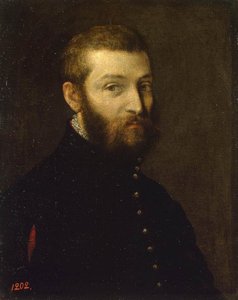
Паоло Веронезе
1528 - 1588 , Италия
Основные сведения
- Artistic Movement Or Style: Ренессанс, Маньеризм
- Artists Or Movements Influenced By This Artist: ['Рафаэль']
- Artists Who Influenced This Artist: ['Тициан']
- Date Of Birth: 1528
- Date Of Death: 1588
- Full Name: Паоло Веронезе
- Nationality: Итальянец
- Notable Artworks:
- Свадьба Канны
- Пир в доме Леви
- Place Of Birth: Верона, Италия
Похожие статьи
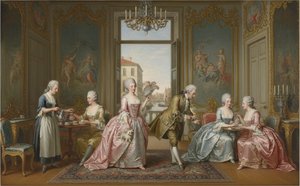
Pietro Longhi's Venetian Scenes: A Study of Rococo Society & Domestic Life
Explore the captivating world of Pietro Longhi's Venetian scenes! Discover insightful analysis of his Rococo masterpieces & social commentary on 18th-century life. Learn about this 'Venetian Hogarth' and his lasting artistic legacy.
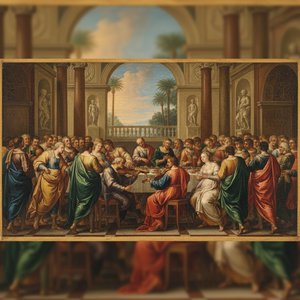
Paolo Veronese: A Renaissance Master of Color, Composition, and Venetian Splendor
Explore the vibrant world of Paolo Veronese, a Renaissance master renowned for his opulent compositions, masterful use of color, and dramatic Venetian scenes. Discover key artworks & legacy.
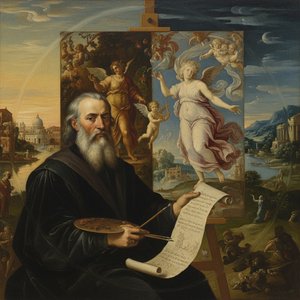
Jacopo Palma il Giovane: A Venetian Master's Poetic Evolution
Explore the captivating world of Jacopo Palma il Giovane, a pivotal Venetian Renaissance master. Discover his unique style, influenced by Titian & Tintoretto, and learn about key works perfect for discerning collectors.
The Golden Light of Innovation: Exploring the Venetian Renaissance Art Movement (1430–1580)
Explore the Golden Age of Venetian art (1430–1580). Discover Giorgione, Titian & Tintoretto's techniques, the 'colorito' revolution, and lasting influence. Expert insights for collectors & enthusiasts.

Топ-25 шедевров Тинторетто: Венецианская драма и свет в вашем интерьере
Погрузитесь в мир драматизма и света с 25 шедеврами Тинторетто! Узнайте историю создания легендарных картин эпохи Возрождения. Репродукции высокого качества для вашего интерьера на ArtsDot.com.